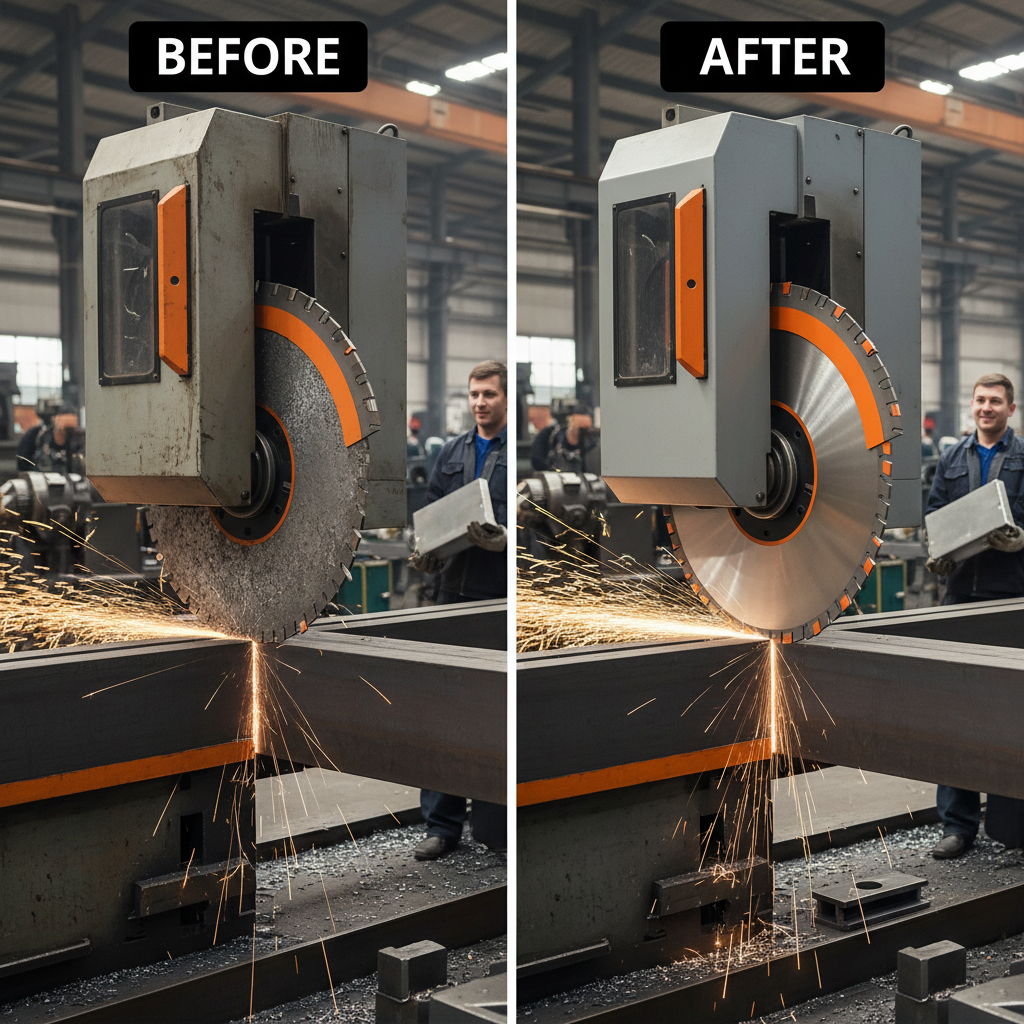
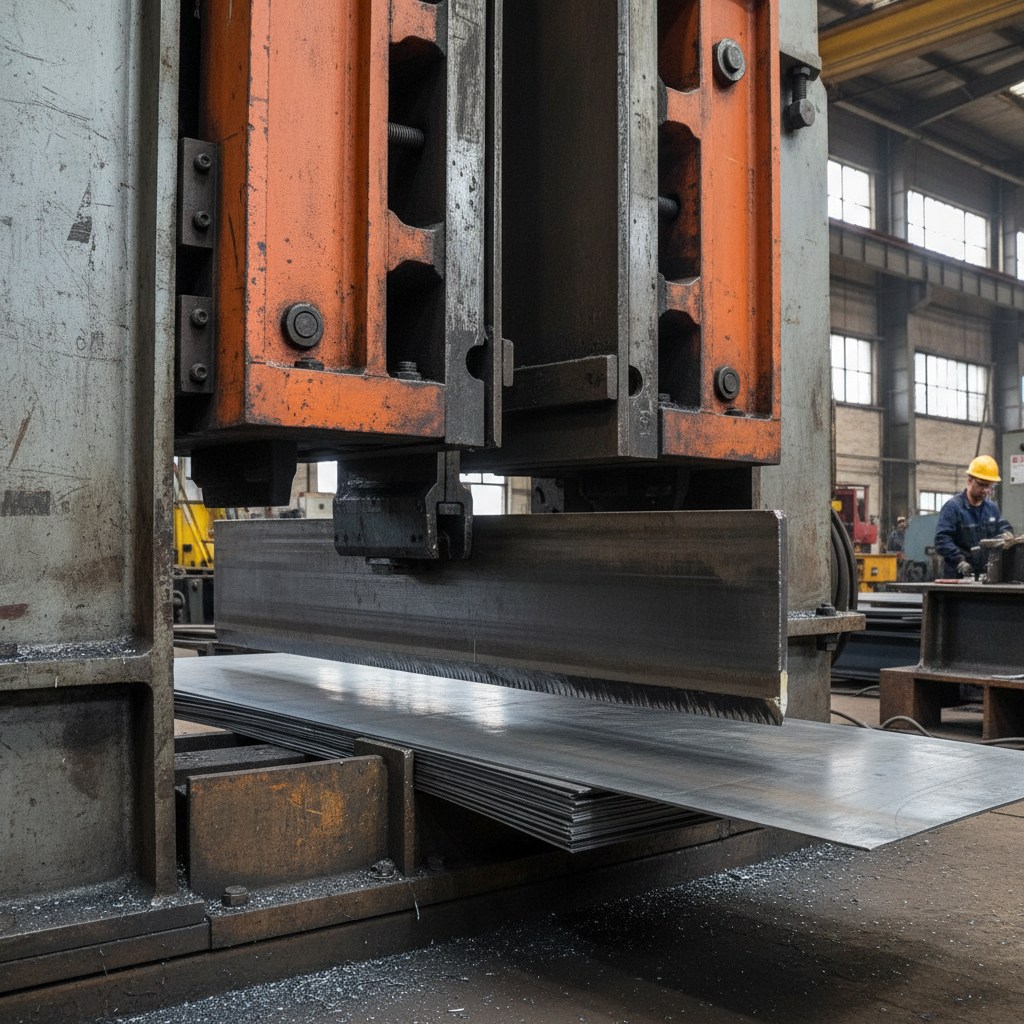
Slitting blades are precision cutting tools used across a vast array of industries, from paper and plastics to metalworking and food processing. Their ability to produce clean, accurate cuts with minimal waste makes them indispensable in modern manufacturing and converting processes. Understanding the nuances of slitting blade design, materials, and applications is crucial for optimizing production efficiency, ensuring product quality, and minimizing operational costs.
The global demand for slitting blades is inextricably linked to the growth of packaging, printing, and various manufacturing sectors. According to recent market reports, the slitting blade market is projected to experience steady growth in the coming years, driven by factors such as increasing consumer demand for packaged goods, the expansion of e-commerce, and the adoption of advanced manufacturing technologies. The industry faces challenges related to blade lifespan, material costs, and the need for specialized blade geometries.
Ultimately, the effectiveness of slitting operations profoundly impacts supply chains and the availability of everyday products. Improvements in slitting blade technology translate directly into reduced material waste, faster production speeds, and superior product finishes—benefits that ripple throughout the entire manufacturing ecosystem.
Defining Slitting Blades & Their Importance
Slitting blades, at their core, are highly specialized cutting tools designed to shear materials into precise widths. They differ from traditional knives or blades in their geometry and the method by which they are applied – typically in a rotating configuration within a slitting machine. This precision is vital for industries requiring consistent, narrow cuts, like those involved in converting rolls of material into finished products.
Their importance extends beyond simple cutting. Effective slitting minimizes material waste, improves production speed, and contributes to the overall quality of the finished product. Without reliable slitting blades, processes across packaging, paper, textiles, and many other sectors would be significantly hampered.
The Global Relevance of Slitting Blade Technology
The demand for slitting blades mirrors the growth of global manufacturing and consumer packaged goods. Regions with significant manufacturing hubs, such as Asia-Pacific (particularly China and India), Europe, and North America, represent the largest consumers of these tools. According to a 2023 report by Grand View Research, the global slitting and rewinding machine market (which directly correlates with blade demand) was valued at USD 1.97 billion and is expected to grow at a CAGR of 5.8% from 2023 to 2030.
This growth is propelled by increasing demand for flexible packaging, label materials, and hygiene products. Furthermore, the expansion of e-commerce necessitates more efficient packaging solutions, further fueling the need for precise and reliable slitting operations. The United Nations Sustainable Development Goals also indirectly contribute, with a focus on reducing waste and optimizing resource utilization – areas where precision slitting can make a significant impact.
The challenges lie in meeting this growing demand while addressing issues like blade durability, cost fluctuations of raw materials (like tungsten carbide and high-speed steel), and the need for specialized blade designs to accommodate increasingly complex materials.
Understanding Slitting Blade Materials and Construction
Slitting blades are typically constructed from high-carbon steel, tool steel, tungsten carbide, or ceramic materials, each offering distinct advantages based on the application. High-carbon steel blades are cost-effective for softer materials but require frequent sharpening. Tool steel provides better durability and can handle a wider range of materials. Tungsten carbide blades are renowned for their exceptional hardness, wear resistance, and longevity, making them ideal for abrasive materials and high-volume production runs.
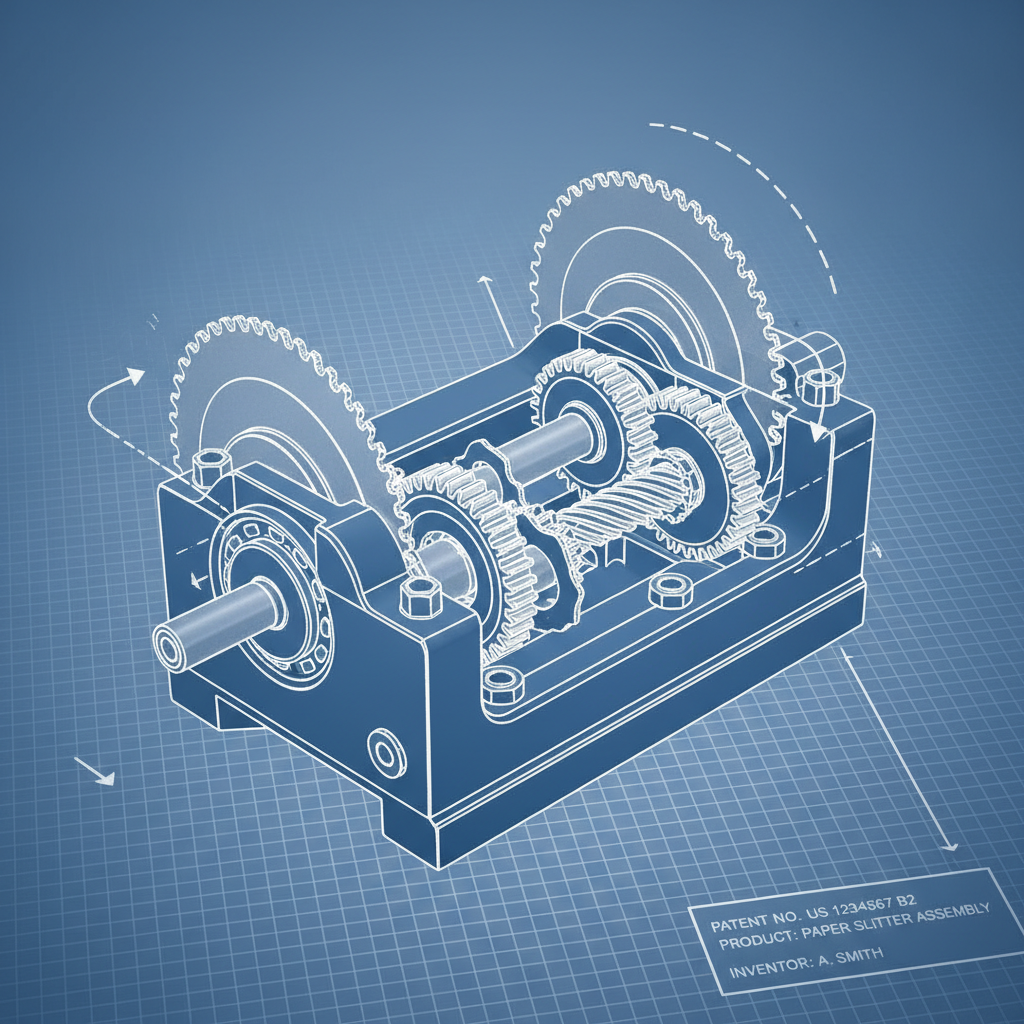
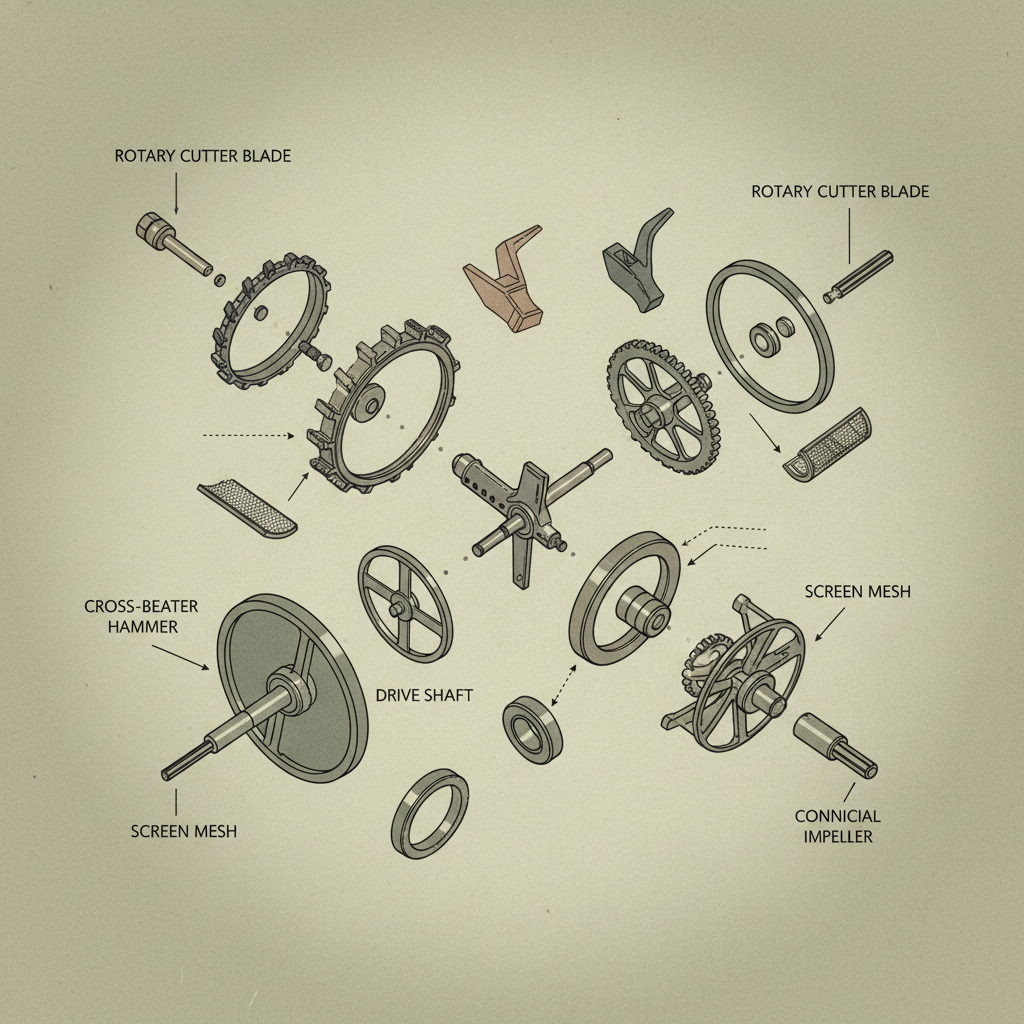
The construction of a slitting blade also plays a vital role in its performance. Blades can be solid, stacked, or differential-stacked. Solid blades are the simplest and most robust, suitable for general-purpose slitting. Stacked blades consist of multiple blades assembled on a single shaft, increasing cutting capacity and reducing downtime for sharpening. Differential-stacked blades feature blades with varying heights and geometries, allowing for complex slitting patterns and minimizing material waste.
The choice of material and construction method depends heavily on factors such as the type of material being slit, the required cut quality, the production volume, and the overall budget. Understanding these trade-offs is crucial for selecting the optimal slitting blade for a specific application. For example, slitting blades for abrasive films require tungsten carbide for extended lifespan.
Key Performance Indicators of Slitting Blades
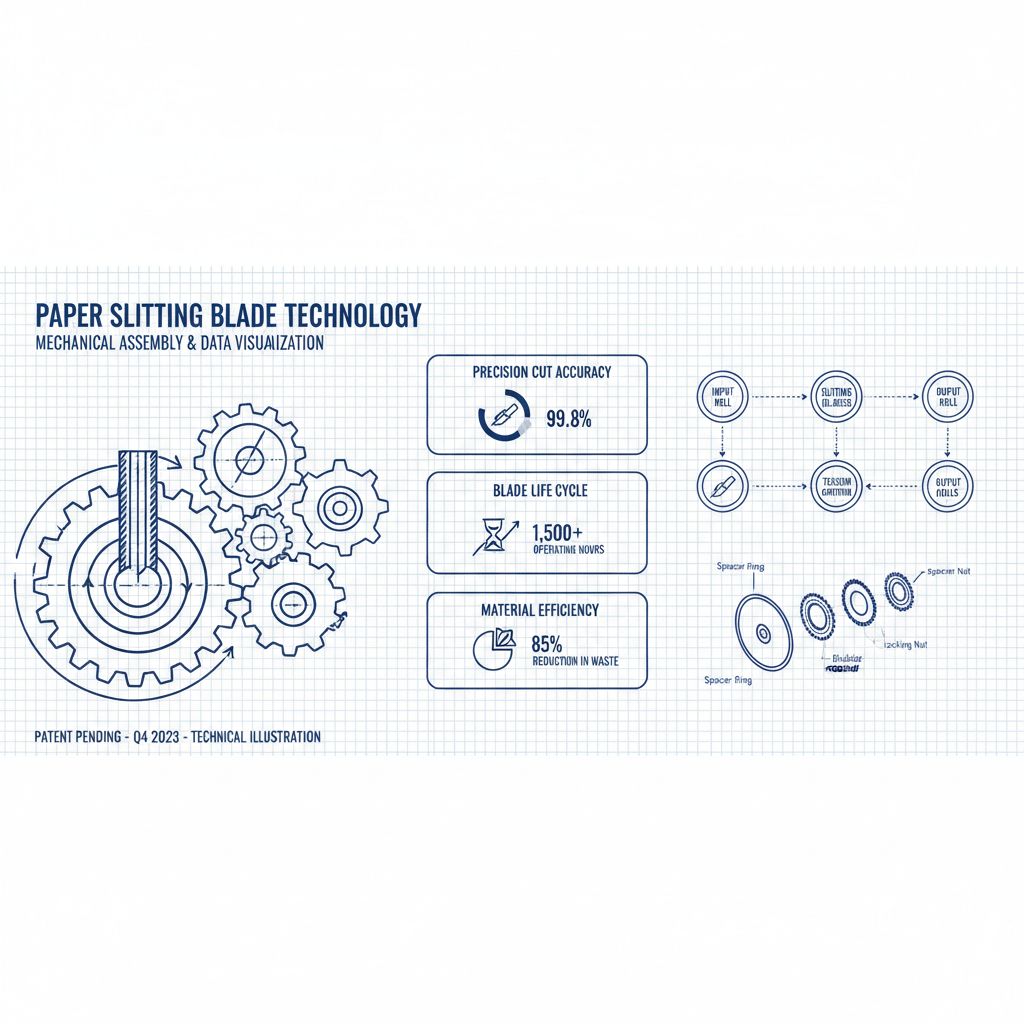
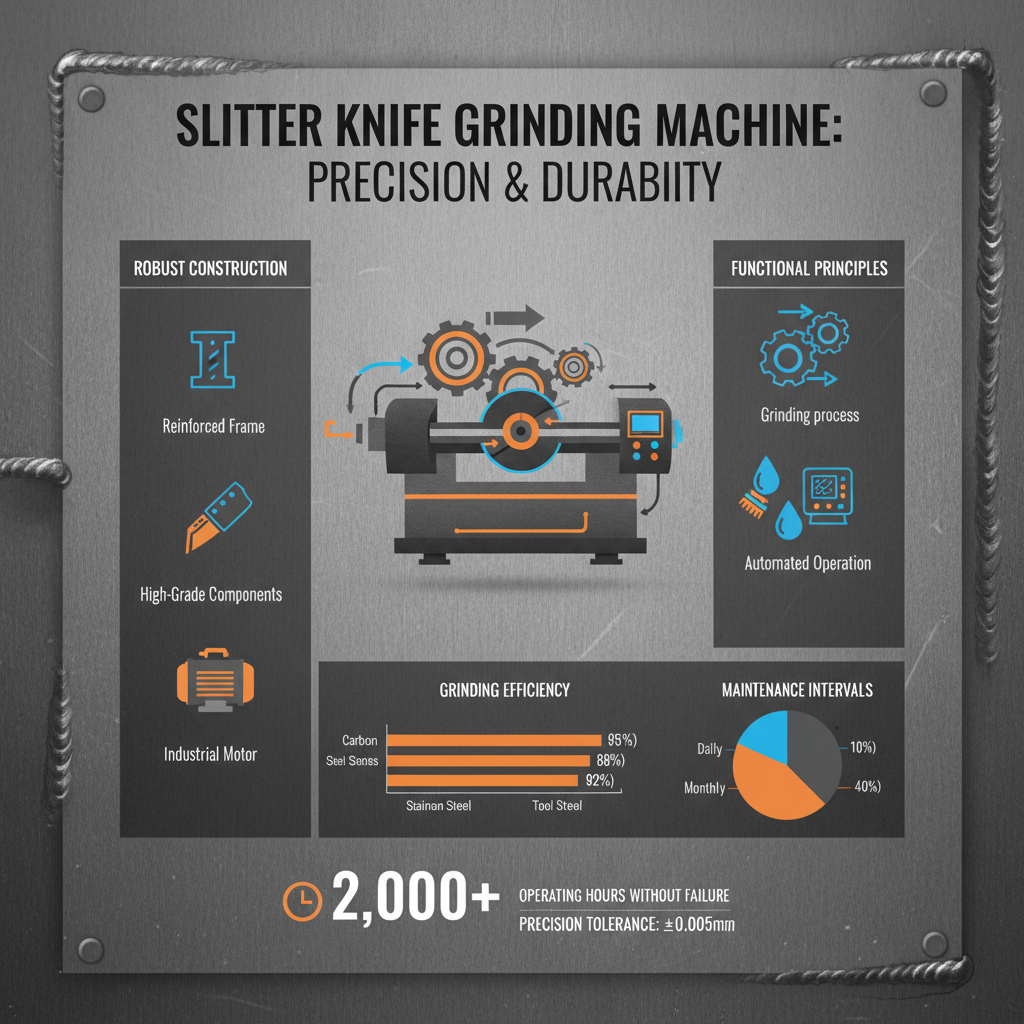
Evaluating the performance of slitting blades involves assessing several key indicators. Blade life, measured in linear feet of material slit or hours of operation, is a primary concern, directly impacting production costs and downtime. Cut quality, assessed by the cleanliness of the edge and the absence of burrs or tearing, is critical for maintaining product standards.
Another crucial metric is slitting accuracy – the consistency of the slit width. Variations in width can lead to material waste and product defects. Furthermore, the energy consumption required to drive the slitting process should be considered, as it impacts overall operational efficiency.
Slitting Blade Performance Comparison
Diverse Applications of Slitting Blades Across Industries
Slitting blades find applications in a remarkably diverse range of industries. In the paper and packaging industry, they are essential for converting large rolls of paper, film, and foil into narrower rolls for labels, flexible packaging, and other applications. The textile industry utilizes slitting blades for precise cutting of fabrics and non-woven materials.
The plastics industry relies heavily on slitting blades for producing plastic films, sheets, and profiles. Metalworking applications include slitting coils of steel, aluminum, and other metals for various manufacturing processes. Even the food processing industry employs specialized slitting blades for slicing and portioning food products.
Advantages and Long-Term Value Proposition
Investing in high-quality slitting blades offers significant advantages beyond immediate cost savings. Improved cut quality reduces material waste and minimizes defects, leading to higher product yields. Increased blade life lowers the frequency of blade changes, reducing downtime and maintenance costs. The precision of slitting blades also contributes to faster production speeds and improved operational efficiency.
From a sustainability perspective, optimized slitting operations minimize material waste, reducing the environmental impact of manufacturing processes. Choosing durable, long-lasting blades also reduces the need for frequent replacements, contributing to a more circular economy. Moreover, reliable slitting ensures product consistency and customer satisfaction, fostering trust and brand loyalty.
Future Trends and Innovations in Slitting Blade Design
The future of slitting blade technology is focused on several key areas, including the development of advanced materials, smart blade designs, and automated blade changing systems. Researchers are exploring new ceramic materials and coatings to enhance blade hardness, wear resistance, and cutting performance. slitting blades incorporating sensors and data analytics are being developed to monitor blade condition in real-time and predict maintenance needs.
Automation is playing an increasingly important role, with automated blade changing systems reducing downtime and improving production efficiency. The integration of digital technologies, such as machine learning and artificial intelligence, is enabling the development of self-optimizing slitting processes that adapt to changing material properties and production requirements. Sustainability considerations are also driving innovation, with a focus on developing blades from recycled materials and reducing the environmental impact of blade manufacturing.
Furthermore, the adoption of Industry 4.0 principles—connectivity, data exchange, and automation—will lead to more intelligent slitting solutions, enhancing overall process control and optimization.
FAQS
The lifespan of a tungsten carbide slitting blade varies considerably depending on the material being cut, the cutting speed, and the blade’s geometry. However, a well-maintained tungsten carbide blade typically lasts significantly longer than steel blades, often exceeding 500,000 linear feet of cutting. Regular inspection and sharpening can further extend its lifespan, ensuring optimal performance and minimizing downtime.
Selecting the appropriate slitting blade requires considering several factors, including the material type, thickness, and abrasiveness, as well as the desired cut quality and production volume. Tungsten carbide blades are best for abrasive materials, while high-speed steel blades are suitable for softer materials. The blade geometry (e.g., blade angle, clearance) should also be optimized for the specific application. Consulting with a slitting blade specialist is highly recommended.
Several indicators suggest a slitting blade requires maintenance. These include increased cutting force, rough or inconsistent cut edges, excessive vibration, and visible chipping or wear. Regularly inspecting the blade for these signs and proactively sharpening or replacing it can prevent production issues and maintain product quality.
Yes, many slitting blades, particularly those made from high-speed steel and tungsten carbide, can be resharpened. Resharpening is often a cost-effective alternative to replacing the blade, especially for higher-quality blades. However, there is a limit to the number of times a blade can be resharpened before it becomes too thin or its geometry is compromised. Professional resharpening services are recommended to ensure optimal results.
Slitting blades are extremely sharp and require careful handling. Always wear appropriate personal protective equipment (PPE), including cut-resistant gloves and safety glasses. Never attempt to handle a blade without proper training. When installing or removing blades, ensure the slitting machine is powered off and locked out. Dispose of damaged blades properly to prevent injuries.
Blade clearance refers to the distance between the blade edge and the counter blade or backup roll. Proper blade clearance is crucial for achieving a clean, accurate slit. Insufficient clearance can cause blade damage and excessive cutting force, while excessive clearance can result in burrs and ragged edges. Optimal clearance depends on the material being cut and the blade geometry.
Conclusion
Slitting blades are far more than simple cutting tools; they are essential components in a vast network of manufacturing and converting processes. Their performance directly impacts product quality, production efficiency, and sustainability. Understanding the nuances of blade materials, construction, and application is paramount for maximizing their value and minimizing operational costs.
Looking ahead, continued innovation in materials science, automation, and digital technologies will drive further advancements in slitting blade design and performance. By embracing these advancements and prioritizing blade maintenance and optimization, industries can unlock new levels of efficiency, reduce waste, and ensure the reliable production of high-quality goods. Visit our website at www.mechblades.com to explore our range of precision slitting blade solutions.