See us at E-Waste World Expo 2026 ( Booth D136 ) June 17-18th , Messe Frankfurt, Germany

You know, honestly, this whole granulator blades manufacturer game… it’s been shifting fast. Seems like everyone’s chasing higher throughput, longer life, and frankly, cheaper prices. Which, let me tell you, is a tricky combination. Been seeing a lot of talk about tungsten carbide inserts lately. Everyone thinks it’s the magic bullet.
But have you noticed? It’s always the fine print that gets you. A lot of these suppliers will tout the hardness, but they gloss over the impact toughness. It’s easy to make a blade that won't wear down, but if it chips under stress… well, that’s just expensive scrap metal. And it's not just the material either, it’s the grinding process, the coating… it’s a whole system.
It’s funny, you spend all this time designing these precision blades, thinking about shear angles and material flow, and then you get on site and watch someone just… whack it in. Anyway, I think there’s a real disconnect sometimes between the engineering office and the workshop floor.
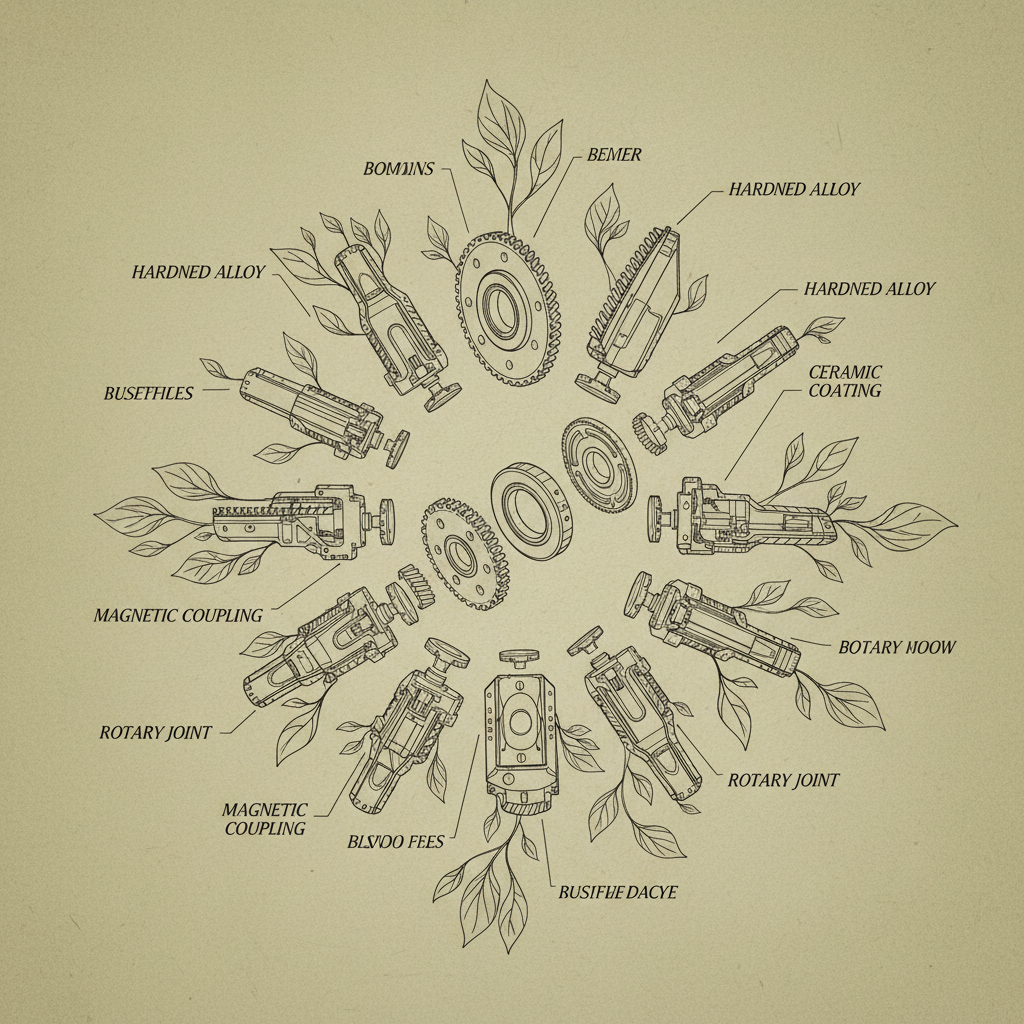
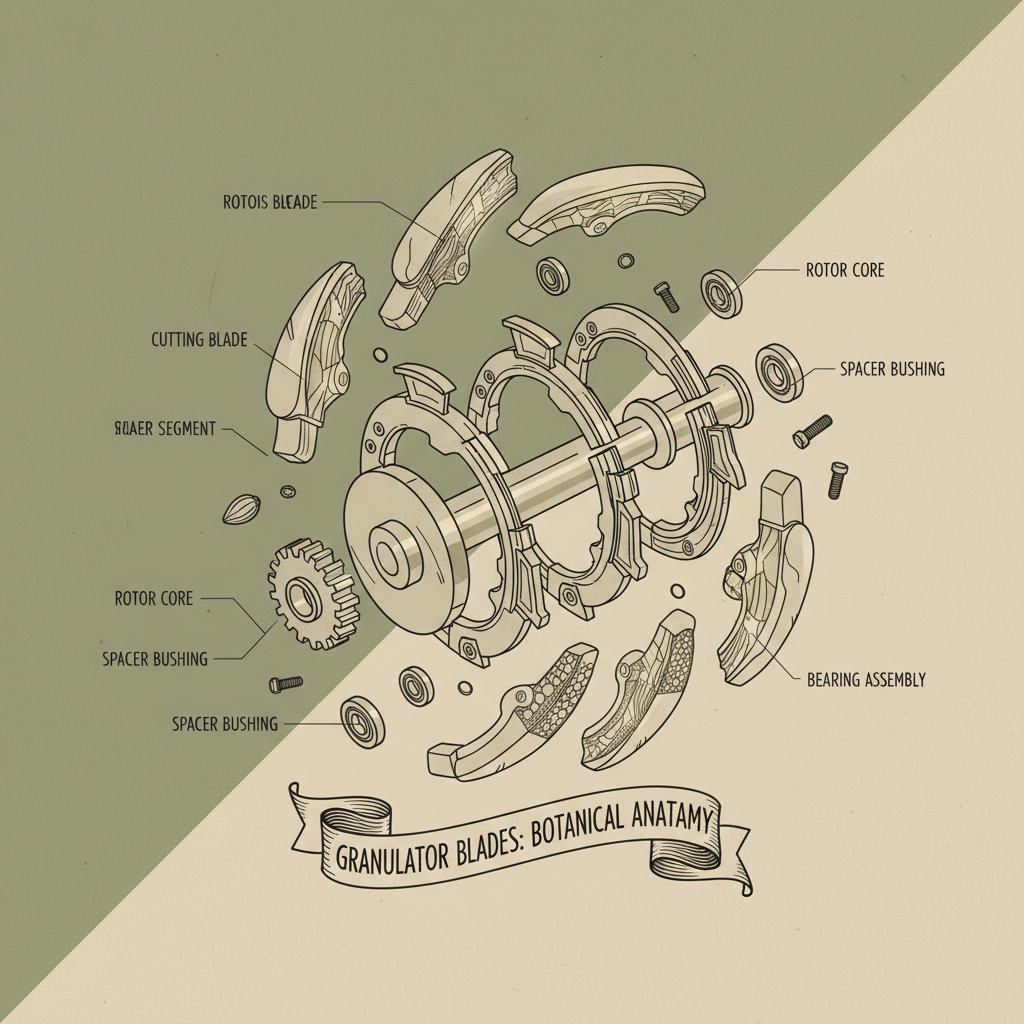
To be honest, the demand for high-performance granulator blades manufacturer is exploding. It’s driven by the plastics recycling industry, naturally, but also by increased efficiency demands in manufacturing – think automotive shredding, electronic waste processing… the list goes on. It's not just about volume, either. People are looking for blades that can handle a wider range of materials. A blade that’s great for PP might be useless on ABS, you know?
Strangely, there's also a resurgence in demand for robust, simple designs. A lot of these fancy, ultra-optimized blades… they’re beautiful on paper, but they’re a nightmare to sharpen and maintain in the field. Operators just want something that works, consistently, without needing a PhD to fix.
That's a tough one to answer directly! It depends heavily on the material being processed, the granulator’s setup, and the operator's habits. However, generally speaking, we aim for a minimum of 100 hours of runtime with proper maintenance. For softer plastics like polyethylene, you can easily exceed 200 hours. But if you're grinding hard materials or dealing with contaminants, expect that number to drop. We also offer blade sharpening services to extend lifespan, obviously.
Yes, we have blades specifically designed for reinforced plastics, like those containing glass fiber or carbon fiber. These blades typically utilize higher-grade materials and feature a more robust geometry to withstand the increased wear. However, it's crucial to specify the type of reinforcement when ordering, as the blade design needs to be optimized accordingly. Running a standard blade on reinforced plastic will likely result in premature chipping and failure.
For abrasive materials, we generally recommend a Titanium Carbonitride (TiCN) coating. It offers excellent wear resistance and hardness, helping to protect the blade from erosion. Diamond-Like Carbon (DLC) coatings are even more durable but also more expensive. The best choice depends on the severity of the abrasion and your budget. We can discuss your specific application and recommend the most suitable coating.
Absolutely. We have a dedicated blade sharpening facility equipped with state-of-the-art grinding machines. Proper sharpening is critical for maintaining blade performance and extending its lifespan. We use a precise grinding process to restore the original cutting edge geometry without compromising the blade's structural integrity. We also offer pick-up and delivery services in some regions.
Lead times for custom blades vary depending on the complexity of the design, the material selection, and our current workload. Typically, it takes between 2-4 weeks from order confirmation to delivery. We’ll provide a more accurate estimate once we have the full specifications. We always strive to minimize lead times without compromising on quality.
We stand behind the quality of our blades. If you're unsatisfied with a blade due to a manufacturing defect, we'll gladly replace it or issue a full refund. However, damage caused by improper use, incorrect installation, or excessive wear is not covered. We recommend carefully inspecting the blades upon arrival and following our recommended operating guidelines.
Ultimately, we've covered a lot – from material trends and design pitfalls to the realities of on-site usage and customization options. The key takeaway is that granulator blades manufacturer aren't just about the steel or carbide; it’s a complex system influenced by a myriad of factors. Understanding these nuances is crucial for maximizing performance and minimizing downtime.
And to be frank, all the engineering, all the analysis, it comes down to one thing: whether the blade cuts cleanly and efficiently. Ultimately, whether this thing works or not, the worker will know the moment he tightens the screw. If you're looking for a granulator blades manufacturer who understands that, visit our website to discuss your specific needs.