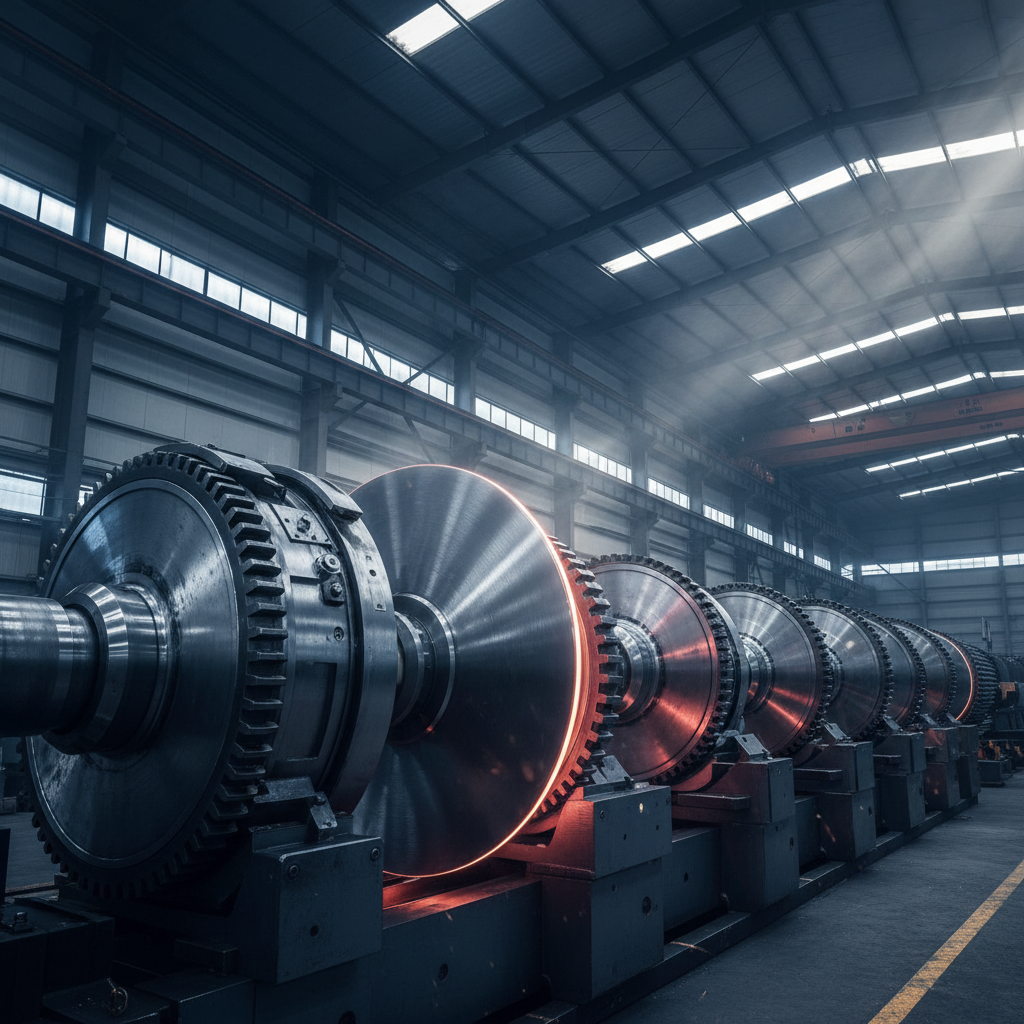
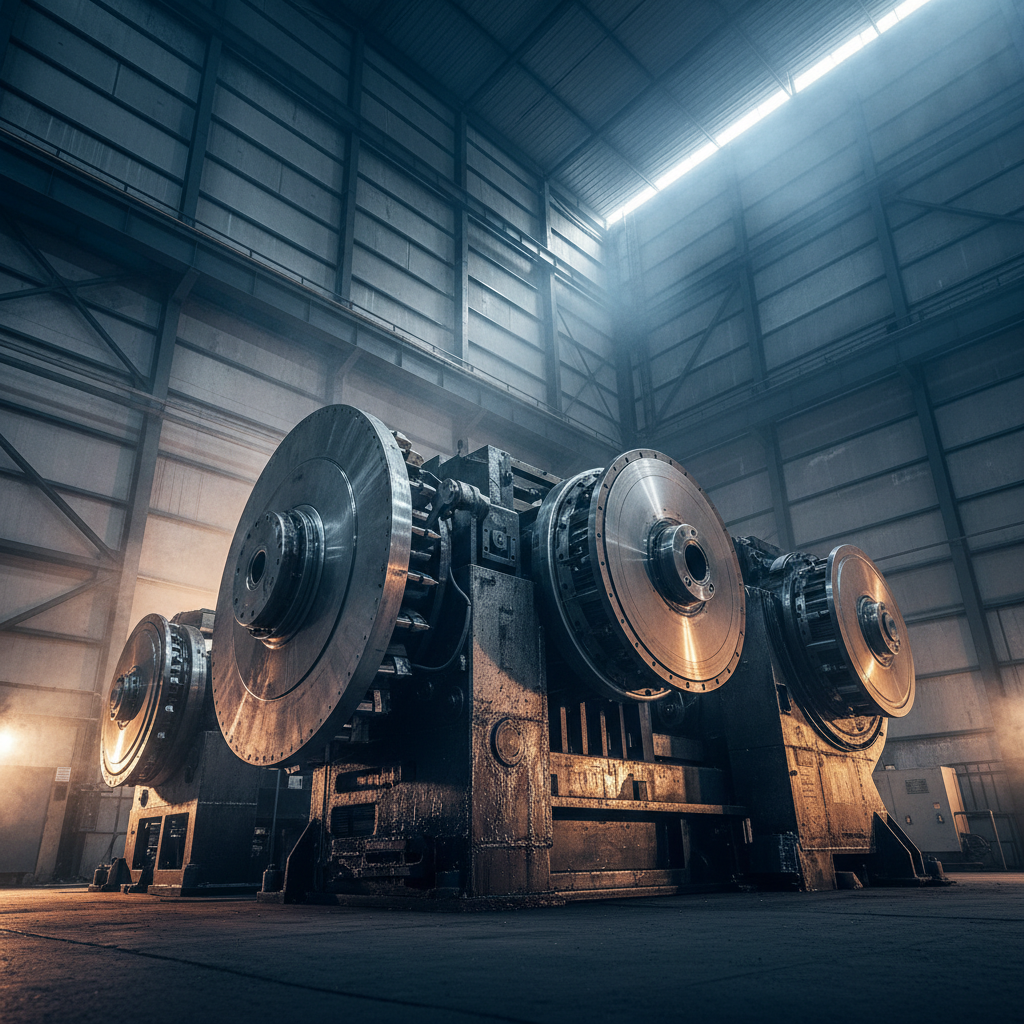
The precision cutting needs across diverse industries – from paper and film to metal and textiles – have driven significant advancements in slitting technology. At the forefront of this innovation is the circular slitter, a specialized tool designed for efficient and accurate winding and cutting of materials into precise widths. Understanding its principles, applications, and future trends is crucial for optimizing production processes and meeting the evolving demands of modern manufacturing. This exploration delves into the intricacies of circular slitters, offering a comprehensive overview for professionals and enthusiasts alike.
Globally, the demand for high-quality slitting solutions is continually rising, fueled by growth in packaging, printing, and specialized manufacturing sectors. The United Nations Industrial Development Organization (UNIDO) emphasizes the importance of efficient production technologies for sustainable industrialization, and precision cutting tools like the circular slitter play a vital role. Statistical data from the World Bank shows a direct correlation between investment in manufacturing technology and economic growth in emerging markets. This underscores the critical need for businesses to adopt advanced slitting solutions to remain competitive.
The circular slitter is a machine component or system used to continuously cut materials – often rolled into webs – into narrower strips. Unlike shear or knife slitters, circular slitters utilize rotating circular blades to score and separate the material, resulting in cleaner edges and reduced dust creation. This makes them ideal for delicate materials like films and nonwovens. They are instrumental in industries requiring precise dimensions and high-speed production, impacting areas from packaging to medical device manufacturing.
Introduction to Circular Slitters
The functionality of a circular slitter is deeply rooted in the demands of modern material processing. Its ability to handle a wide array of materials, from thin films to robust textiles, distinguishes it from other slitting methods. Understanding the specific nuances of circular slitting is crucial for achieving optimal cutting quality, minimizing waste, and maximizing production efficiency in industries worldwide.
The continued development and refinement of circular slitter technology reflect a broader industry trend towards precision and automation. New materials and processes consistently demand advanced tooling, and the circular slitter remains a pivotal element in maintaining the integrity and performance of these systems. By employing circular blades for a clean and efficient cut, this technology offers a reliable solution for complex slitting applications.
Defining the Circular Slitter
A circular slitter fundamentally differs from traditional blade slitting by utilizing rotating circular blades rather than stationary knives. These blades create a scoring action, separating the material without excessive force or compression. This scoring process minimizes material distortion and provides a cleaner, more consistent cut, especially crucial for delicate substrates.
The application of circular slitting isn't confined to simple material separation; it's intrinsically linked to efficient winding. The slits enable precise and even winding of the resulting strips onto rolls, vital in industries like packaging and label manufacturing where roll uniformity is paramount. This dual function – cutting and winding – defines the core utility of a circular slitter.
Its significance extends beyond industrial productivity; it directly contributes to reducing waste and enhancing product quality. The precision of circular slitting minimizes material loss, while the clean cuts reduce defects and improve the final product’s aesthetics and performance. This aligns with growing demands for sustainable manufacturing practices and superior product offerings.
Core Components and Functionality
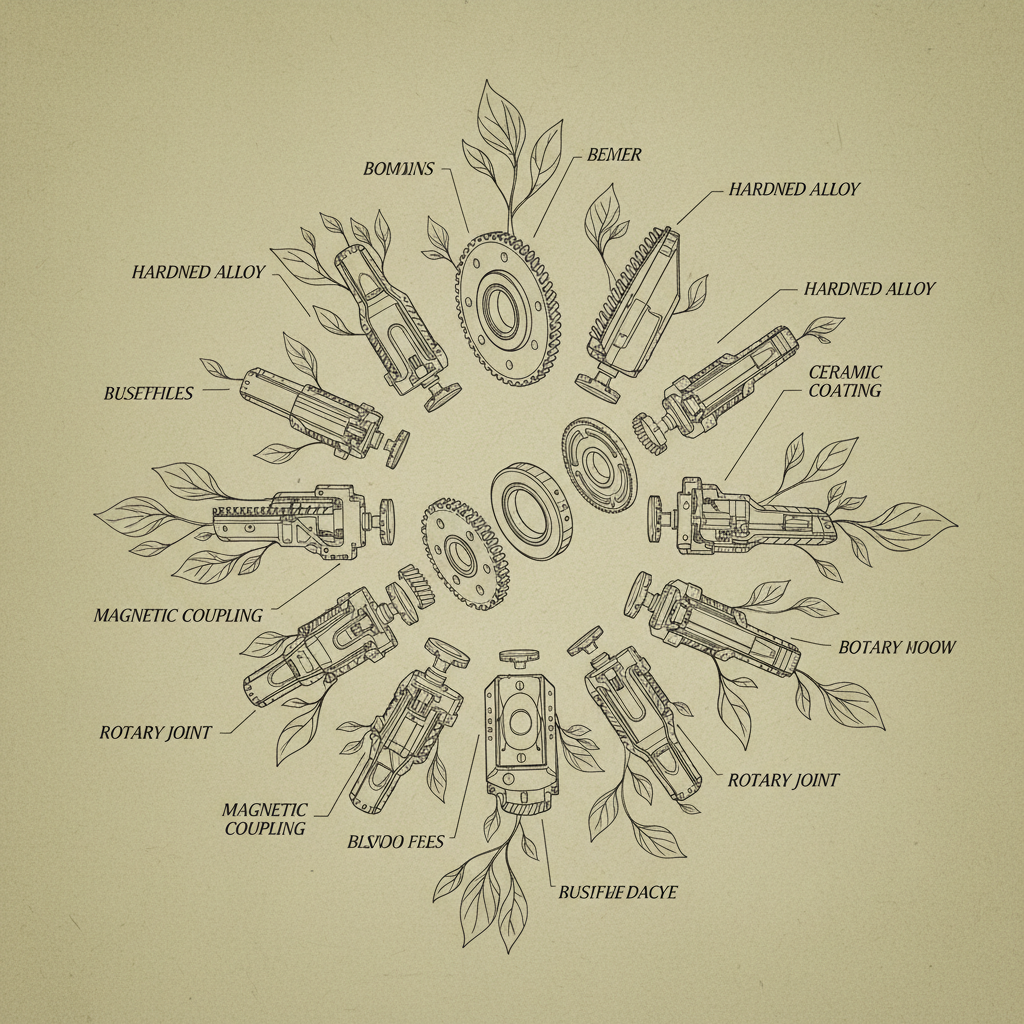
The effectiveness of a circular slitter hinges on several key components working in harmony. These include the slitter shafts, which hold the circular blades; the blade guides, ensuring accurate blade positioning; and the tension control system, maintaining consistent web tension during the slitting process. These elements all must be precisely calibrated for optimal results.
A critical aspect is the material selection for the circular blades themselves. High-speed steel, carbide, and ceramic blades are commonly used, each offering different wear resistance and cutting performance characteristics based on the material being slit. The choice depends on the volume of material processed, the abrasive nature of the material, and the desired cut quality.
Beyond the mechanical components, modern circular slitters often incorporate sophisticated control systems. These allow for precise adjustment of blade depth, slitting speed, and web tension, often controlled via a human-machine interface (HMI). This level of control maximizes versatility and allows for rapid changeovers between different materials and slitting configurations.
Performance Characteristics of Circular Slitters
One key performance indicator for circular slitters is their ability to maintain consistent cut quality across varying material thicknesses and web speeds. This is largely influenced by blade sharpness, accurate blade alignment, and the effectiveness of the tension control system. Proper maintenance and regular blade replacement are crucial for sustaining optimal performance.
Furthermore, circular slitters demonstrate superior performance in minimizing material waste compared to traditional slitting methods. The scoring action creates cleaner edges and reduces the amount of material lost to burrs or uneven cuts. This translates into cost savings and a reduced environmental footprint.
Circular Slitter Performance Metrics
Global Applications of Circular Slitters
The packaging industry represents a major application area for circular slitters, where they are used to accurately slit flexible packaging materials like films and laminates. This precision is essential for producing consistent and attractive packaging for food, beverages, and consumer goods.
Beyond packaging, the medical device industry relies on circular slitters for processing materials used in bandages, surgical drapes, and other critical applications. The clean cuts and minimal dust generation are vital for maintaining sterility and ensuring product safety. In post-disaster relief operations, circular slitters are used to efficiently process materials for shelter construction and aid distribution.
Advantages and Long-Term Value
The advantages of using a circular slitter extend beyond immediate production gains. Reduced material waste translates directly into cost savings, improving profitability. The precision of the cuts also leads to higher-quality finished products, enhancing brand reputation and customer satisfaction.
Moreover, the durability and relatively low maintenance requirements of circular slitters contribute to long-term value. Investing in a high-quality circular slitter minimizes downtime and ensures reliable performance over an extended lifespan, making it a sound financial decision for businesses of all sizes. The inherent safety features of many modern circular slitter designs, such as enclosed blade systems, further enhance their value by reducing workplace hazards.
From a sustainability perspective, reduced waste and optimized material usage align with growing corporate social responsibility goals. The ability to process a wide range of materials also provides flexibility and reduces the need for multiple specialized machines, further minimizing environmental impact.
Future Trends in Circular Slitting Technology
The integration of automation and advanced sensor technologies is poised to revolutionize circular slitter operation. Automated blade changing systems, real-time monitoring of blade wear, and predictive maintenance capabilities will enhance efficiency and reduce downtime. Digital transformation through data analytics will also play a key role.
Furthermore, the development of new blade materials and coating technologies will extend blade life and improve cutting performance. Exploring sustainable materials for blade manufacturing is another emerging trend, aligning with the growing demand for environmentally friendly solutions. The use of AI-powered systems for optimizing slitting parameters based on material properties will also become increasingly prevalent.
We can also expect to see greater integration of circular slitting technology with other manufacturing processes, creating more streamlined and efficient production lines. This will be driven by the increasing adoption of Industry 4.0 principles and the demand for smart manufacturing solutions.
Summary of Circular Slitter Challenges and Solutions
| Challenge Area |
Impact on Performance |
Potential Solution |
Implementation Cost (1-10) |
| Blade Wear |
Reduced Cut Quality, Increased Downtime |
Automated Blade Monitoring & Replacement |
7 |
| Material Variation |
Inconsistent Slitting Results |
Adaptive Control Systems & AI Optimization |
8 |
| Web Tension Control |
Winding Defects & Material Damage |
Precision Tension Sensors & Feedback Loops |
6 |
| Dust & Debris Management |
Contamination & Safety Concerns |
Integrated Dust Extraction Systems |
5 |
| Operator Skill Level |
Inconsistent Operation & Setup |
User-Friendly HMI & Training Programs |
4 |
| Machine Maintenance |
Unplanned Downtime & Repair Costs |
Preventative Maintenance Schedules & Remote Diagnostics |
6 |
FAQS
Circular slitters excel at processing delicate and challenging materials like thin films, nonwovens, and laminates. Their scoring action minimizes tearing and distortion. While they can handle thicker materials, they are most effective for materials under a certain gauge where a clean, precise cut is paramount. The specific blade material selection impacts performance based on material abrasiveness.
A shear slitter uses a pair of rotating blades to physically cut through the material, similar to scissors. A circular slitter, however, utilizes rotating circular blades to score the material. This scoring action creates a cleaner cut with less compression, resulting in reduced dust and burr formation. Shear slitters are better for thicker, more robust materials, while circular slitters are preferred for delicate webs.
Regular maintenance is crucial. This includes frequent inspection and replacement of blades as they wear, lubrication of bearings, and checking for proper alignment. Cleaning the machine to remove dust and debris is also important. Following the manufacturer’s recommended maintenance schedule will significantly extend the lifespan of the slitter and ensure optimal performance.
Blade selection depends on the material being slit, its thickness, and the desired cut quality. High-speed steel blades are a general-purpose option, while carbide blades offer superior wear resistance for abrasive materials. Ceramic blades are ideal for extremely delicate materials. Consult with a blade supplier or the slitter manufacturer for guidance.
Essential safety features include enclosed blade systems to prevent accidental contact, emergency stop buttons, and guards to protect operators from moving parts. Proper training on safe operating procedures is also critical. Look for slitters that comply with relevant safety standards and regulations.
Automated tension control maintains consistent web tension during the slitting process, preventing defects like wrinkling, stretching, or tearing. This is essential for achieving accurate and uniform winding. Automated systems also reduce operator intervention and improve overall productivity.
Conclusion
The circular slitter stands as a cornerstone of modern material processing, enabling precision cutting and efficient winding across diverse industries. Its unique scoring action, combined with advancements in automation and blade technology, delivers exceptional cut quality, reduced waste, and improved productivity. Understanding its core components, applications, and future trends is paramount for businesses seeking to optimize their operations and maintain a competitive edge.
Looking ahead, the continued integration of digital technologies and sustainable materials will further enhance the capabilities of circular slitting systems. By embracing innovation and investing in advanced slitting solutions, companies can unlock new levels of efficiency, reduce their environmental footprint, and deliver superior products to meet the evolving demands of the global marketplace. Visit our website at www.mechblades.com to learn more.