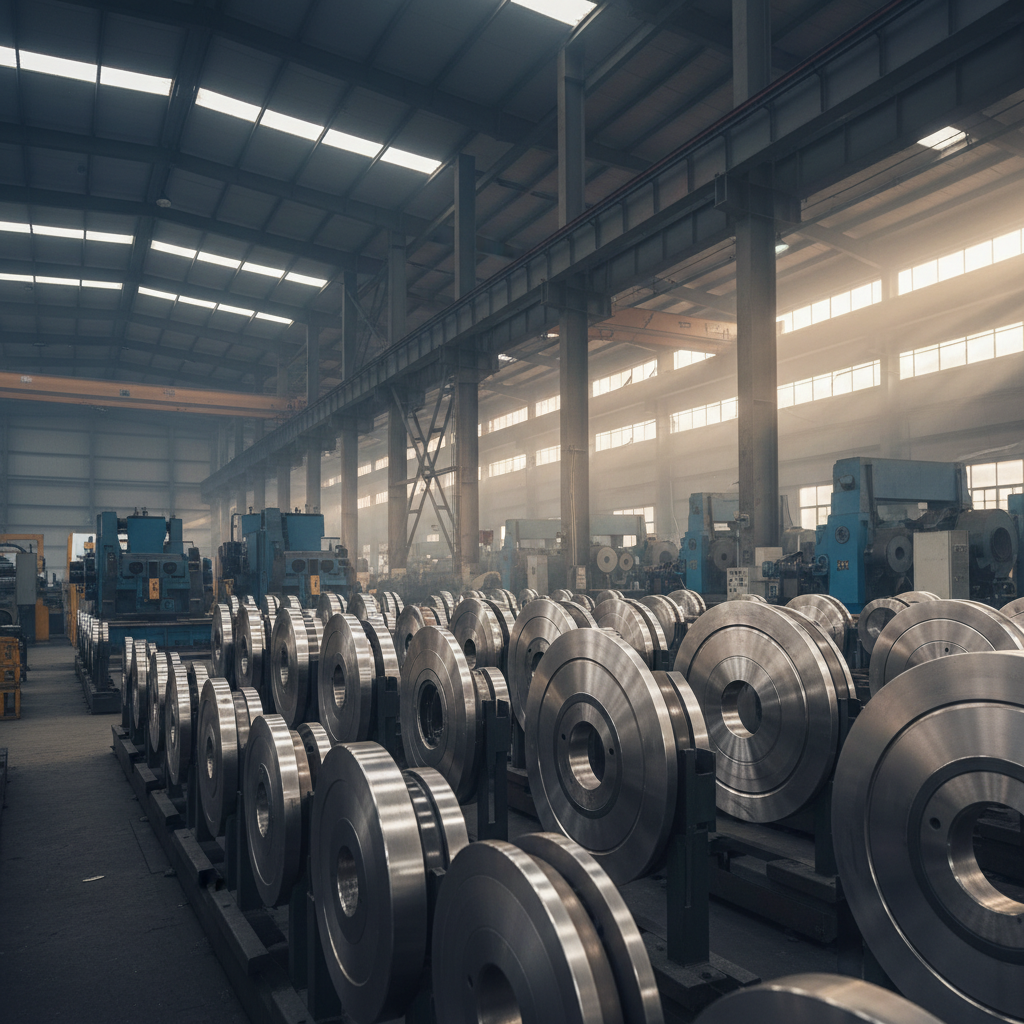
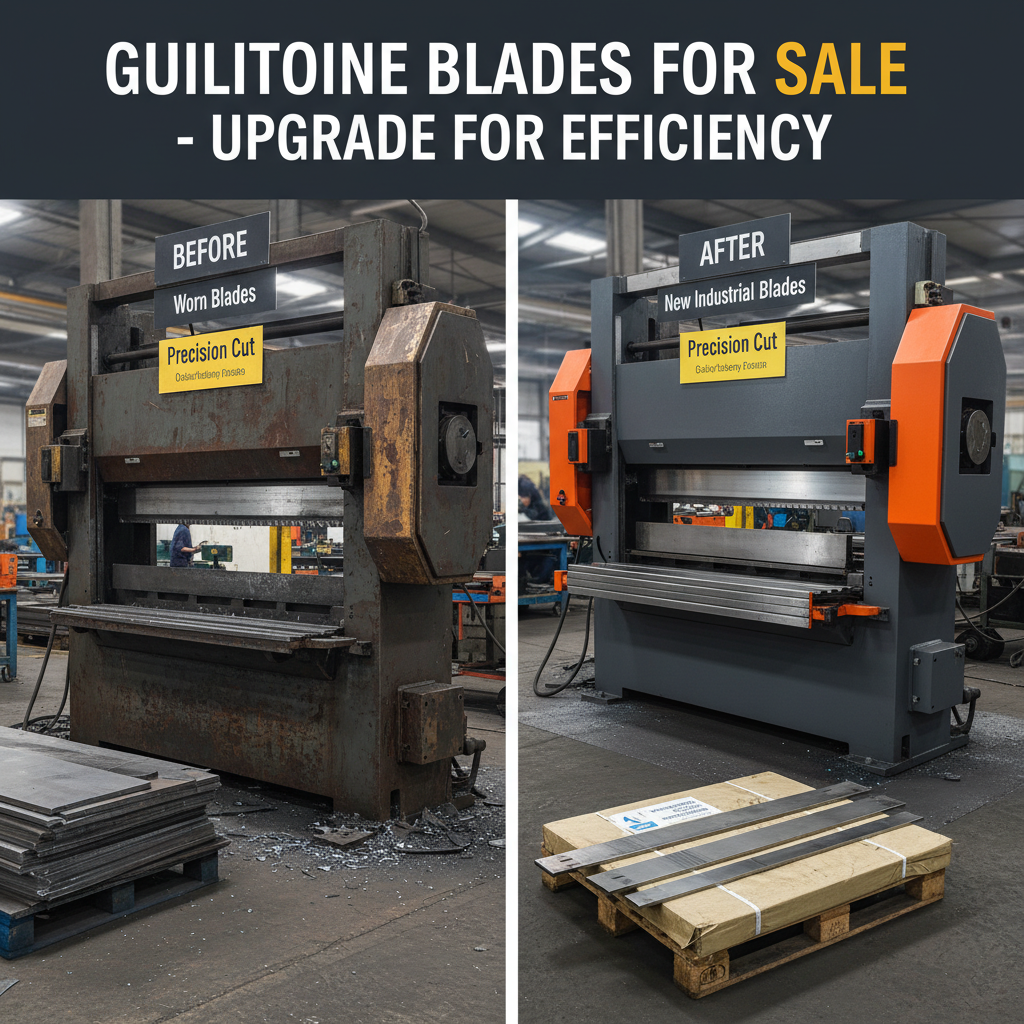
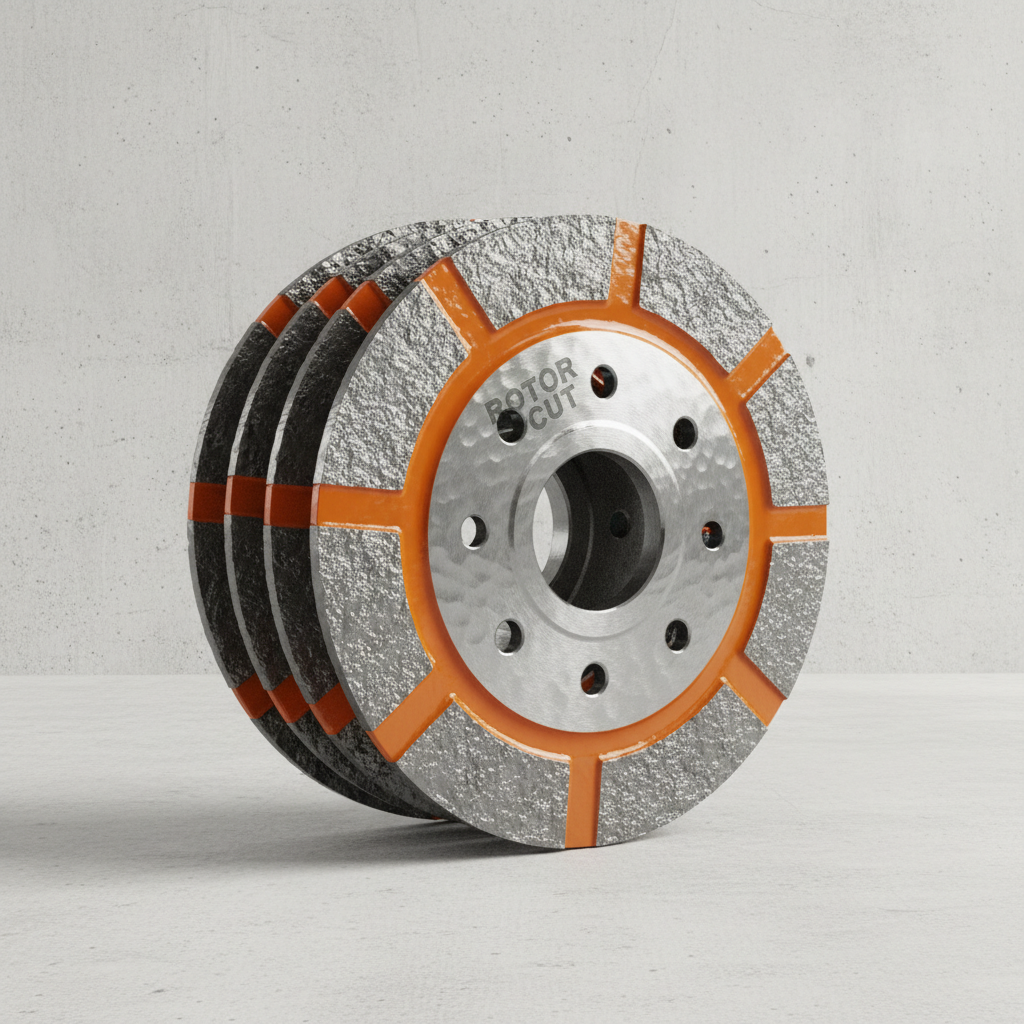
Slitting machine blades are integral components in a vast array of industries, from paper and plastic manufacturing to food processing and textiles. Their precision and efficiency directly impact production quality, waste reduction, and overall operational costs. The global demand for these blades is consistently high, driven by the continuous growth of packaging, converting, and materials processing sectors.
The relevance of high-quality slitting machine blades extends beyond mere productivity; they are crucial for safety and consistency. Dull or damaged blades can lead to ragged edges, material inconsistencies, and even machine damage, posing risks to operators and the integrity of the final product. Understanding the nuances of blade materials, geometries, and maintenance is therefore paramount for businesses aiming for optimal performance.
Investing in superior slitting machine blades, such as those offered by slitting machine blades manufacturers, provides significant long-term benefits. These include reduced downtime, improved product quality, and increased operational efficiency, ultimately contributing to a stronger bottom line.
The Importance of Slitting Machine Blades
Slitting machine blades are not merely tools; they are critical components that directly influence the quality, efficiency, and safety of countless manufacturing processes. Choosing the right blade for a specific application is a complex decision that requires careful consideration of factors like material type, blade geometry, and intended production volume.
The ongoing advancements in materials science are continually pushing the boundaries of blade performance, with new alloys and coatings offering increased durability, sharper cutting edges, and improved resistance to wear and corrosion. This evolution is directly driven by the demand for higher precision and longer blade life, reducing downtime and minimizing operational expenses for businesses worldwide.
Defining Slitting Machine Blades
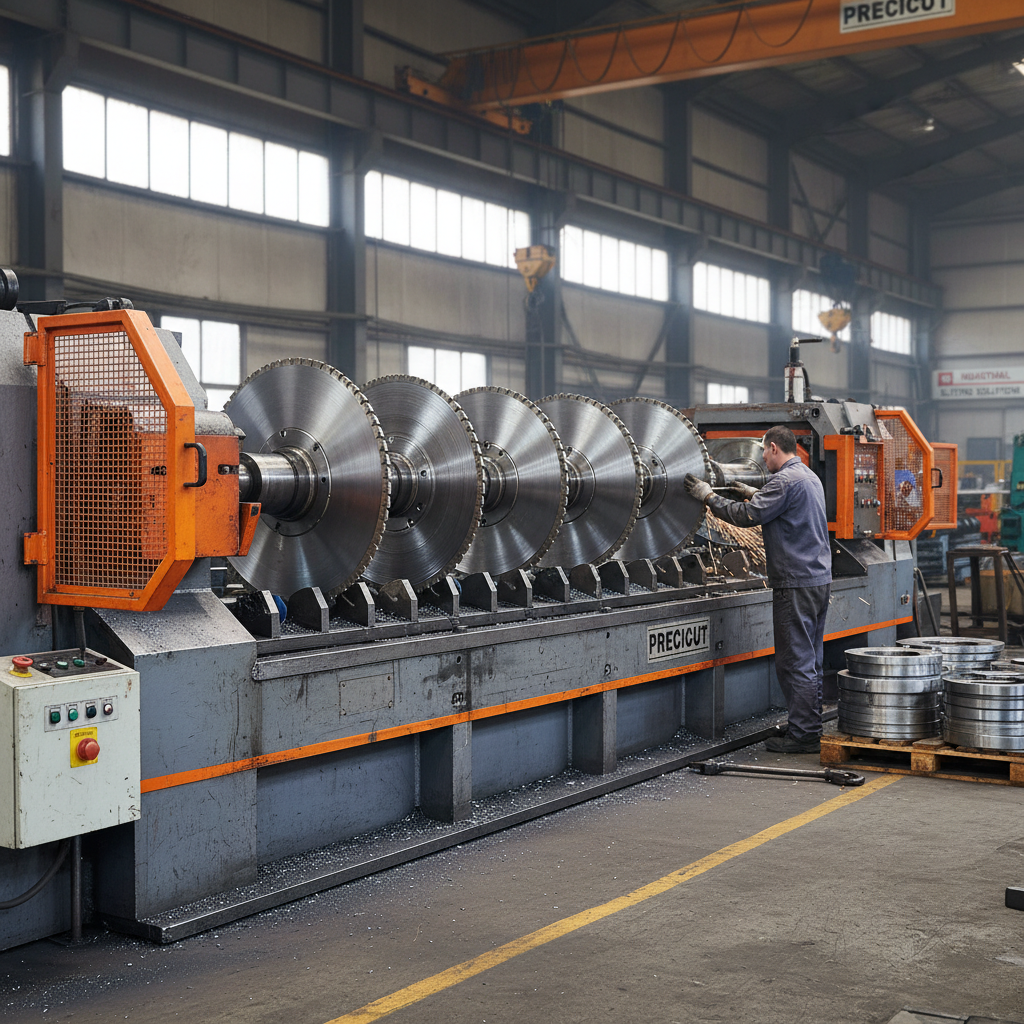
Slitting machine blades are precisely engineered cutting tools used to shear materials into narrower widths. These blades are typically employed in processes like converting rolls of paper, plastic film, non-woven fabrics, and other materials into smaller rolls or sheets. The “slitting” process involves rotating blades against a counter-rotating roll to create clean, accurate cuts.
The connection to modern industry is undeniable. Consider the packaging sector – almost every packaged product relies on materials that have been slit to size. Similarly, the production of adhesive tapes, labels, and flexible packaging materials fundamentally depends on precise slitting operations. Without reliable slitting machine blades, these essential industries would struggle to meet consumer demand.
Beyond industrial applications, these blades play a role in areas such as the manufacturing of medical bandages, hygiene products, and even specialized fabrics for technical applications. Their consistent performance is directly linked to the quality and functionality of these end products.
Key Factors Influencing Blade Performance
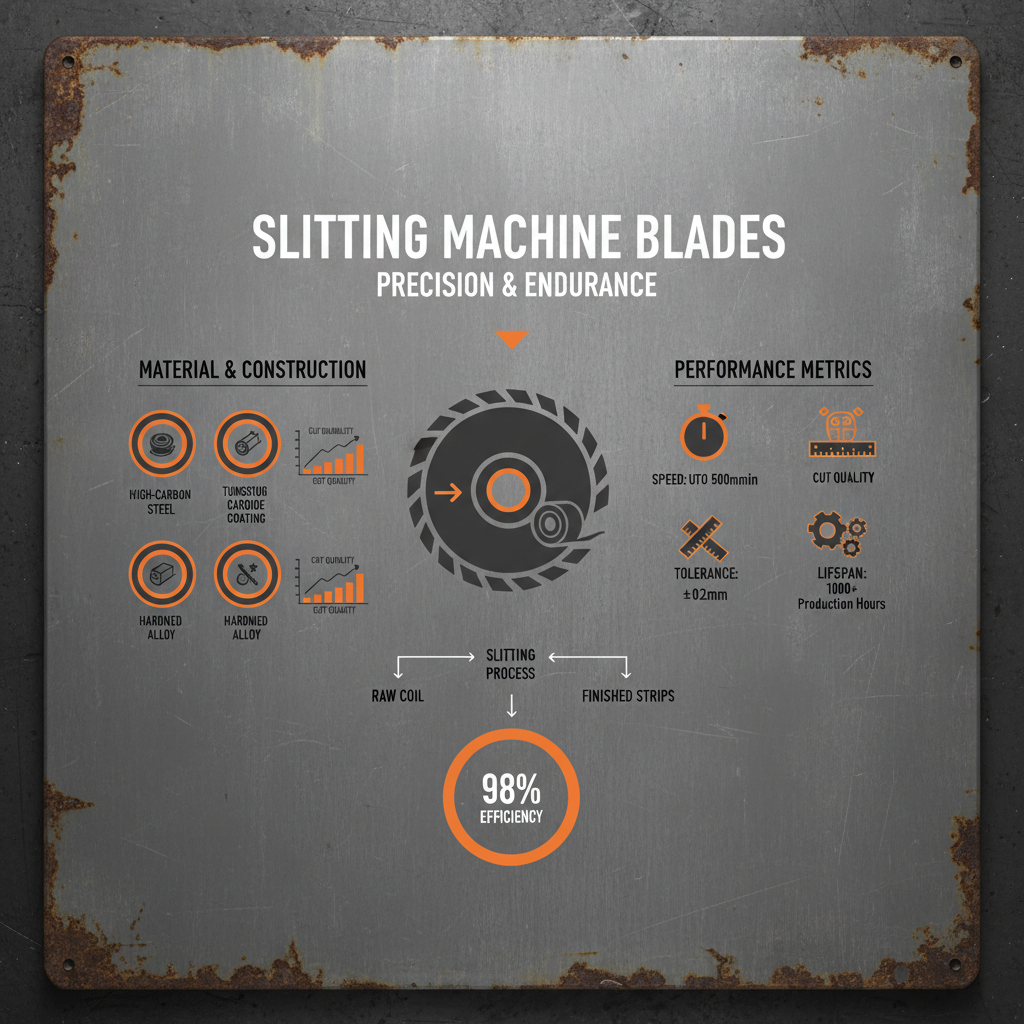
Several core factors determine the effectiveness and longevity of slitting machine blades. Firstly, material composition is critical. High-speed steel, tungsten carbide, and powder metallurgy alloys are commonly used, each offering different strengths and weaknesses depending on the material being slit and the operating conditions.
Secondly, blade geometry – including the blade angle, side clearance, and edge preparation – plays a crucial role in achieving clean cuts and minimizing burr formation. Different geometries are optimized for specific materials and slitting techniques. Thirdly, blade hardness impacts wear resistance. Harder blades retain their sharpness for longer, reducing the frequency of replacements and improving cost-effectiveness.
Furthermore, blade coating can enhance performance by reducing friction, preventing material adhesion, and increasing corrosion resistance. Finally, proper blade maintenance, including regular sharpening and inspection, is essential for maximizing blade life and ensuring consistent cutting quality.
Applications Across Diverse Industries
The applications of slitting machine blades are remarkably diverse. In the paper industry, they are fundamental to the production of various paper grades, from printing paper to packaging materials. The plastics industry utilizes these blades extensively in the manufacturing of plastic films, bags, and sheeting.
The textile industry employs slitting blades for cutting fabrics and non-woven materials used in apparel, home furnishings, and technical textiles. In the food processing industry, these blades are used for slitting packaging materials and portioning food products. Moreover, the adhesive tape industry relies heavily on precise slitting to create various tape widths and lengths.
Globally, regions with significant manufacturing output, such as China, Germany, and the United States, demonstrate particularly high demand for slitting machine blades. In remote industrial zones, reliable blade supply chains are critical for maintaining production continuity and minimizing disruptions.
Slitting Machine Blade Performance by Method
Advantages and Long-Term Value
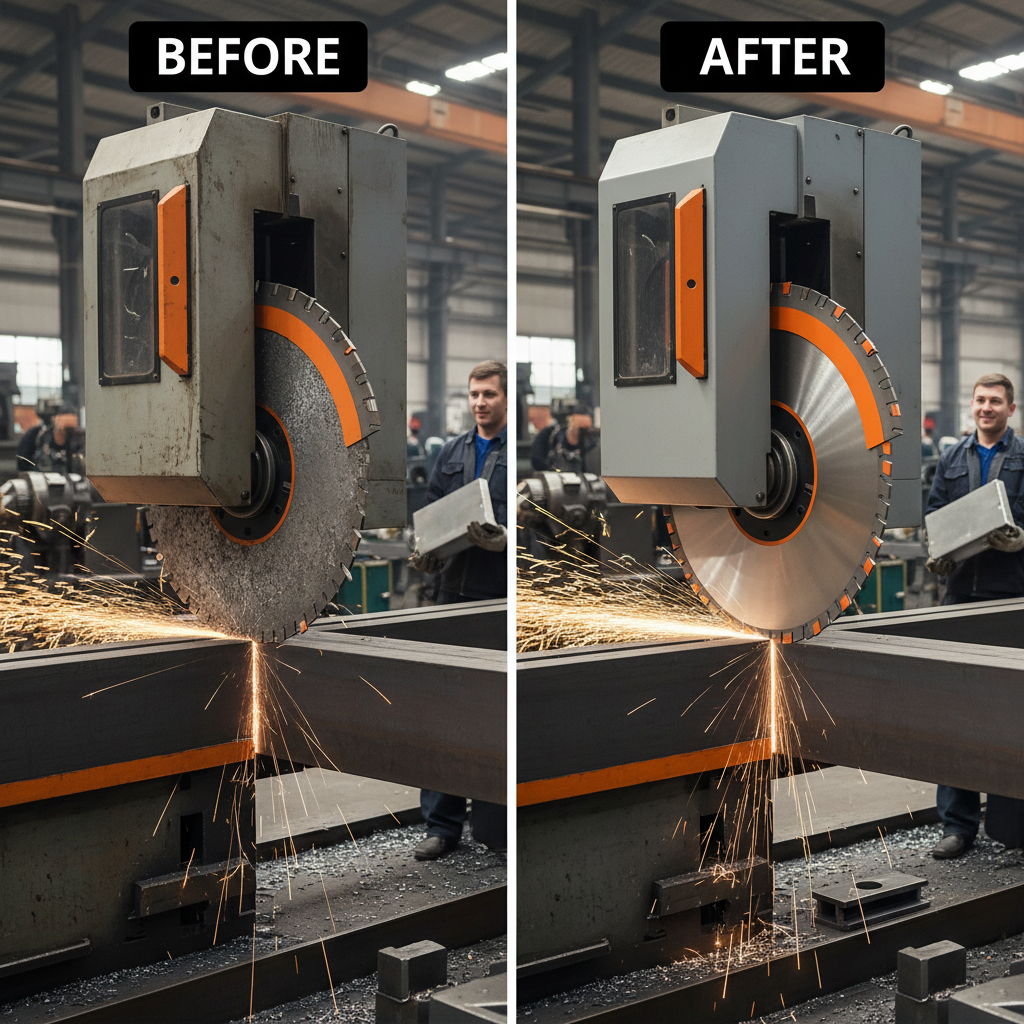
Investing in high-quality slitting machine blades delivers tangible benefits across multiple dimensions. Firstly, cost reduction is a significant advantage. Longer blade life translates to fewer blade changes, reducing labor costs and minimizing production downtime. Secondly, sustainability is enhanced through reduced waste generation, as sharper blades create cleaner cuts and minimize material scrap.
Furthermore, improved product quality leads to greater customer satisfaction and brand reputation. Reliable, precise slitting ensures consistent dimensions and reduces defects. The reliability of operations is also enhanced, preventing unexpected machine stoppages and maintaining consistent production flow.
Future Trends in Slitting Technology
Several exciting trends are shaping the future of slitting technology. Automation and robotics are increasingly being integrated into slitting processes, enhancing efficiency, precision, and safety. The adoption of digital transformation technologies, such as sensor-based monitoring and predictive maintenance, will enable proactive blade management and minimize unplanned downtime.
The development of new materials and coatings with superior wear resistance and corrosion protection is also driving innovation. Furthermore, a growing focus on sustainability is leading to the development of more environmentally friendly blade materials and manufacturing processes.
Common Challenges and Innovative Solutions
Despite advancements, challenges remain in slitting machine blade application. Blade wear remains a primary concern, especially when processing abrasive materials. Burr formation can also be problematic, requiring secondary operations to remove imperfections. Maintaining blade alignment is critical for achieving consistent cuts and preventing damage to the slitting machine.
Innovative solutions include the use of advanced blade coatings, optimized blade geometries, and precision alignment systems. The implementation of predictive maintenance programs, utilizing data analytics to monitor blade performance and predict wear, is gaining traction. Slitting machine blades manufacturers are also focusing on developing customized blade solutions tailored to specific applications and materials.
Finally, the adoption of automated blade changing systems further minimizes downtime and maximizes operational efficiency.
Summary of Solutions to Common Slitting Challenges
| Challenge |
Solution Category |
Specific Solution |
Expected Impact |
| Rapid Blade Wear |
Material Science |
High-Hardness Alloy Blades |
Increased Blade Lifespan (30-50%) |
| Burr Formation |
Blade Geometry |
Optimized Blade Angle & Clearance |
Reduced Burr Rate (15-25%) |
| Alignment Issues |
Machine Technology |
Precision Alignment Systems |
Improved Cutting Accuracy (+/- 0.1mm) |
| Downtime for Blade Changes |
Automation |
Automated Blade Changing Systems |
Reduced Downtime (40-60%) |
| Material Adhesion |
Surface Treatment |
Non-Stick Blade Coatings |
Minimized Material Build-up & Improved Efficiency |
| Predictive Maintenance |
Data Analytics |
Sensor-Based Performance Monitoring |
Proactive Blade Replacement & Reduced Failures |
FAQS
Slitting machine blades are typically manufactured from high-speed steel (HSS), tungsten carbide, powder metallurgy alloys, and increasingly, advanced ceramic materials. HSS is cost-effective for less demanding applications. Tungsten carbide offers superior wear resistance and is ideal for abrasive materials. Powder metallurgy alloys combine strength and toughness, while ceramics provide exceptional hardness and corrosion resistance, suitable for very specialized cutting needs. The choice depends heavily on the material being slit and the desired blade lifespan.
The frequency of sharpening or replacement depends on several factors, including the material being slit, the blade material, and the operating conditions. As a general guideline, blades should be inspected regularly for signs of wear, such as dull edges, chipping, or corrosion. Sharpening can extend blade life, but eventually, blades will need to be replaced when they become too worn or damaged to maintain cutting quality. Implementing a preventative maintenance schedule is crucial.
Blade geometry plays a critical role in determining the quality of the slit edge. Factors like blade angle, side clearance, and edge preparation all affect burr formation, cutting force, and overall precision. A properly designed blade geometry will minimize these issues, resulting in cleaner, more accurate cuts. Different geometries are optimized for specific materials and applications – a sharper angle is good for thin films, while a wider angle may be needed for thicker materials.
Preventing blade damage involves several best practices. Ensure proper machine alignment and tension control. Avoid slitting materials that exceed the blade’s capacity. Regularly inspect the blades for debris or contaminants. Implement a preventative maintenance schedule for sharpening and replacement. Also, appropriate lubrication can minimize friction and wear. Proper handling and storage are key to prevent chipping or corrosion.
Yes, the demand for sustainable options is growing. Some manufacturers are now offering blades made from recycled materials or with coatings that reduce friction and energy consumption. Additionally, longer-lasting blades reduce waste by minimizing the frequency of replacements. Selecting a supplier committed to environmentally responsible manufacturing practices is a good start.
Choosing a reputable supplier is essential. Look for companies with a proven track record of delivering consistent quality and offering technical support. slitting machine blades is a trusted manufacturer known for its precision-engineered blades and customized solutions. Consider factors like material expertise, blade geometry options, and customer service when making your selection.
Conclusion
Slitting machine blades are fundamental to a vast array of industries, impacting everything from packaging and printing to textiles and food processing. Their performance directly influences product quality, operational efficiency, and sustainability. Understanding the key factors that influence blade selection and maintenance – material composition, blade geometry, and proper alignment – is crucial for maximizing blade life and achieving optimal results.
Looking ahead, advancements in automation, digital transformation, and materials science will continue to shape the future of slitting technology. Investing in high-quality blades, coupled with proactive maintenance practices and a commitment to innovation, will empower businesses to stay ahead of the curve and maintain a competitive edge. To explore premium slitting machine blades and tailored solutions, visit our website today.