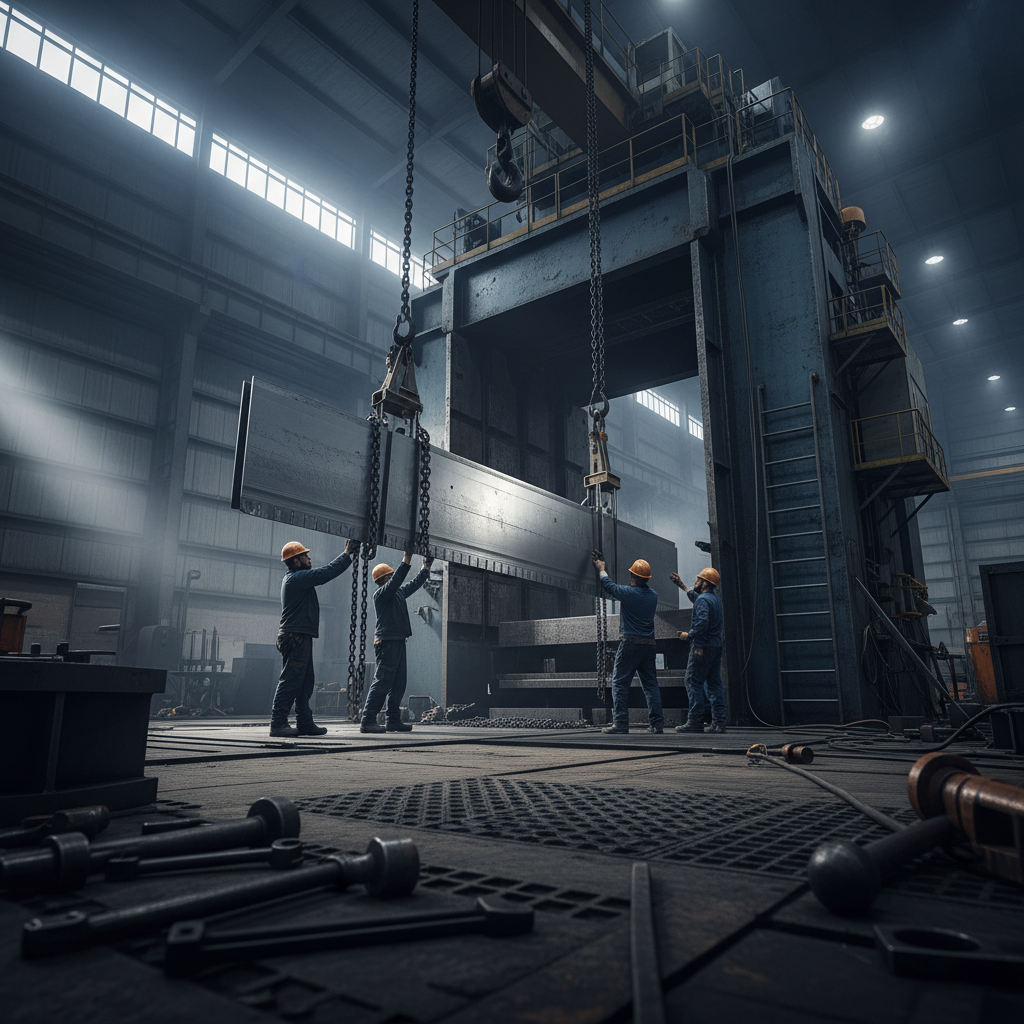
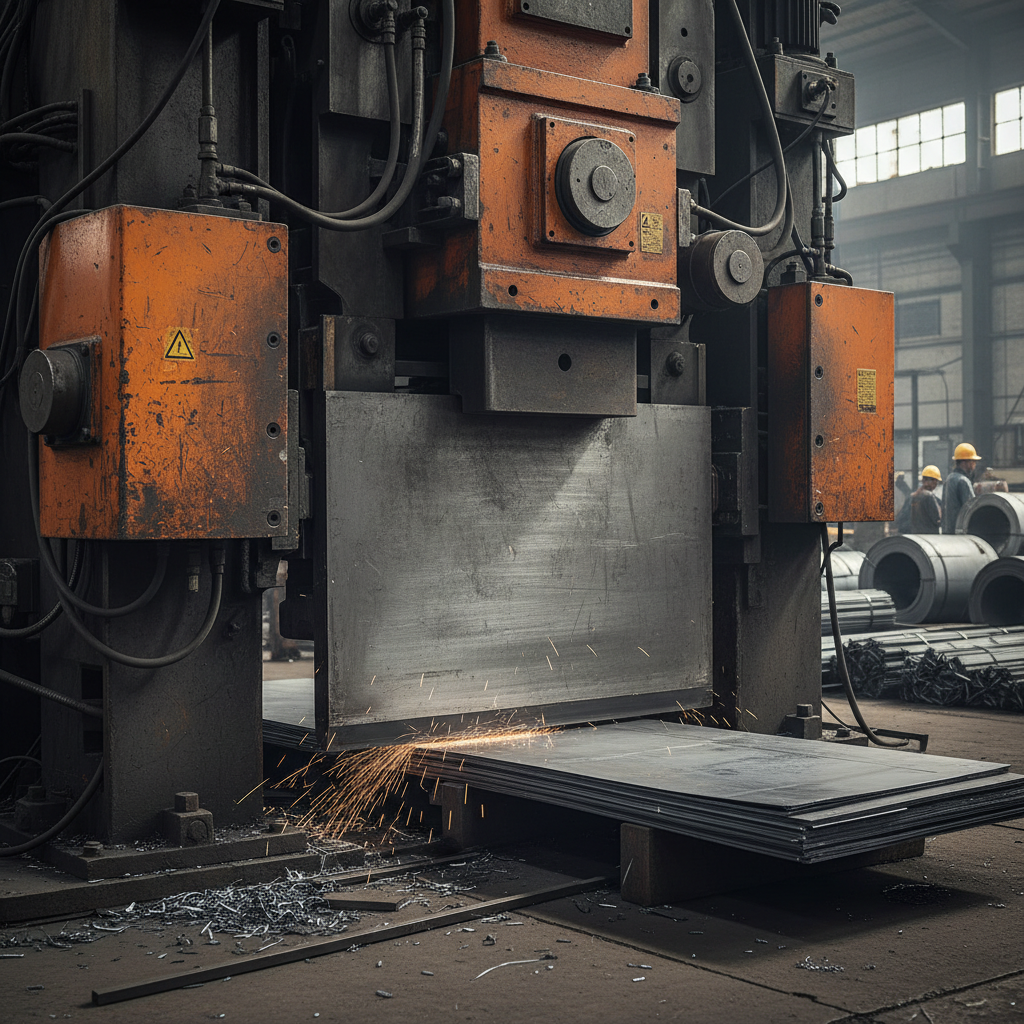
Carbide slitter blades are essential components in a vast array of industrial processes, primarily utilized for precision cutting of materials like paper, plastic film, nonwoven fabrics, and metals. Their superior hardness and wear resistance, derived from the tungsten carbide material, contribute to their extended lifespan and consistent performance compared to traditional steel blades. Understanding the nuances of these blades – from material composition to geometric design – is crucial for optimizing cutting efficiency, minimizing waste, and ultimately, boosting productivity across various sectors.
The global demand for carbide slitter blades is intrinsically linked to the growth of packaging, converting, and manufacturing industries. According to market research reports, the global slitter blades market is projected to reach significant growth in the coming years, fueled by increasing demand for flexible packaging, rising consumer goods production, and advancements in material science. Addressing challenges like blade breakage, edge retention, and cost optimization within these industries necessitates a deep understanding of carbide slitter blade technology.
The adoption of carbide slitter blades offers a compelling solution to these demands. They significantly reduce downtime for blade changes, allowing for continuous operation and increased output. Furthermore, their precision cutting capability translates to reduced material waste, contributing to cost savings and sustainable manufacturing practices. The implementation of these blades isn’t merely a tool upgrade; it's a strategic investment for businesses aiming to enhance their operational efficiency and competitiveness.
Introduction to Carbide Slitter Blades
The effectiveness of modern manufacturing and processing relies heavily on the precise and efficient cutting of various materials. Carbide slitter blades are at the forefront of this technology, providing a durable and high-performance solution for a multitude of applications. Their ability to deliver clean cuts, even on abrasive materials, while maintaining a long operational life, makes them a cornerstone of many industrial workflows. carbide slitter blades have become indispensable.
These blades are not simply about cutting; they represent a commitment to quality, precision, and sustainability. By minimizing waste and reducing the frequency of blade changes, carbide slitter blades contribute to a more efficient and environmentally responsible manufacturing process. Investing in high-quality carbide slitter blades directly translates to improved product quality, reduced operational costs, and a stronger competitive advantage in today’s dynamic market.
Defining Carbide Slitter Blades
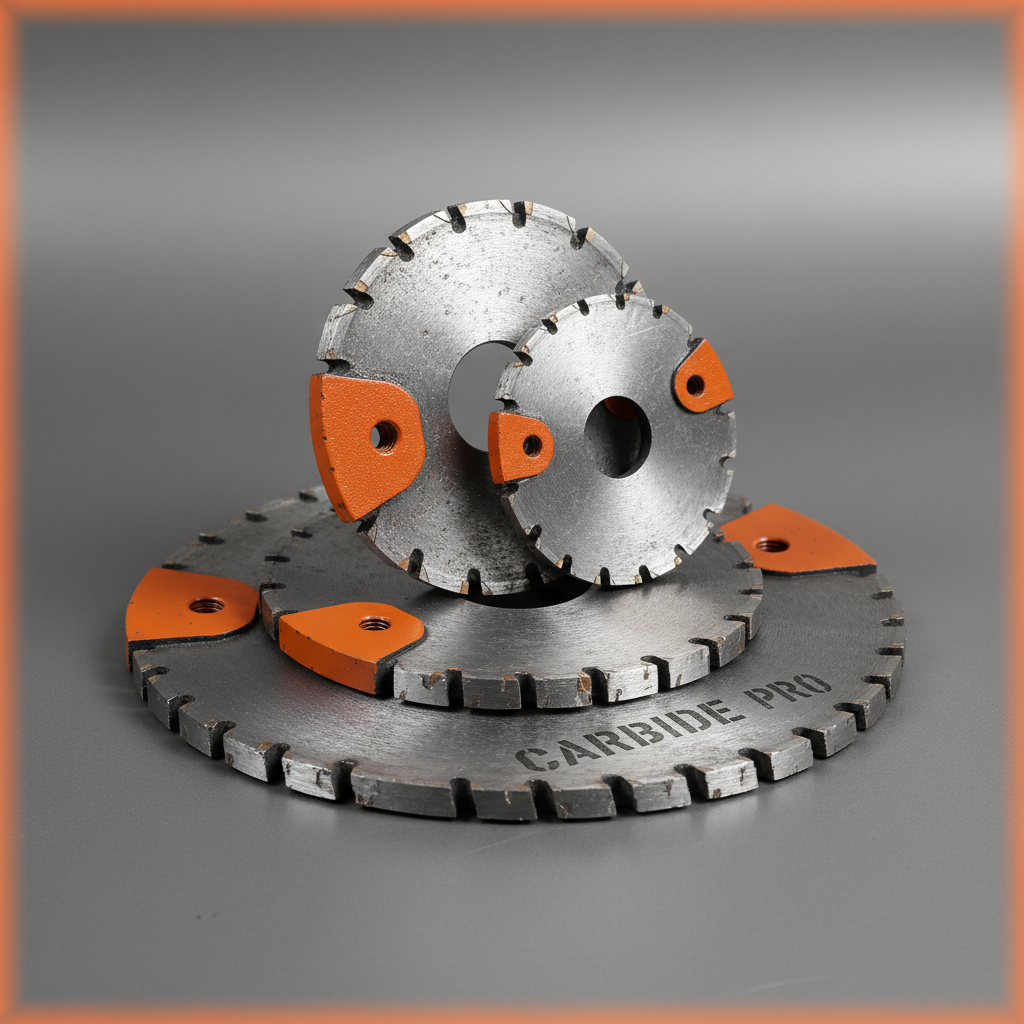
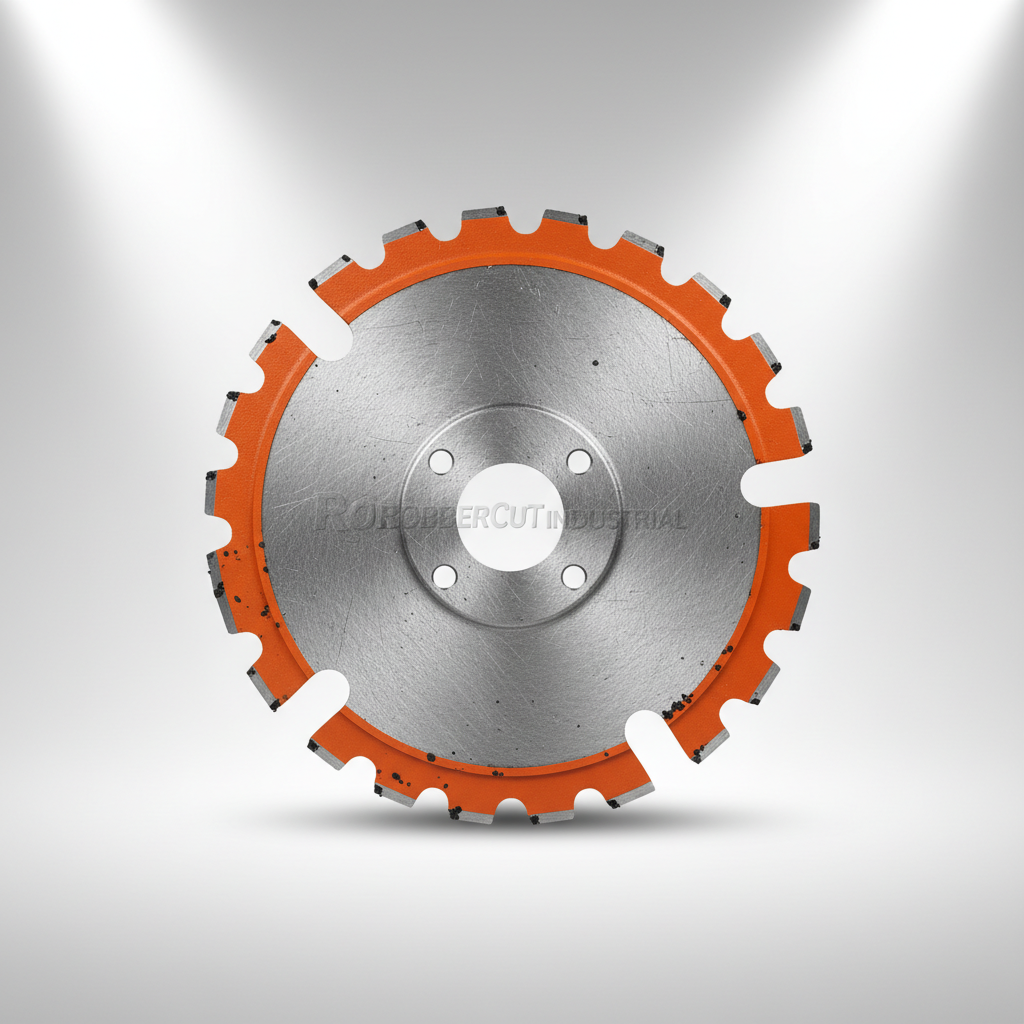
Carbide slitter blades are precision cutting tools engineered using tungsten carbide, a composite material known for its exceptional hardness, wear resistance, and high compressive strength. They are specifically designed to slit or shear materials into precise widths, making them vital in industries such as paper converting, plastic film production, textile manufacturing, and metal processing. The blades come in various geometries – including straight, concave, and convex – tailored to specific material types and cutting requirements.
Essentially, a carbide slitter blade is a highly engineered tool that bridges the gap between raw material and finished product. In the context of modern industry, it’s a foundational element in ensuring consistent product quality, maximizing production efficiency, and minimizing material wastage. Its connection to humanitarian needs, while indirect, stems from its role in efficient packaging of food, medicine, and other essential goods.
The composition of carbide slitter blades typically involves a blend of tungsten carbide particles bonded together by a metallic binder, often cobalt. The ratio of tungsten carbide to cobalt influences the blade’s hardness, toughness, and overall performance. The careful control of this composition is crucial for optimizing the blade's cutting characteristics and extending its lifespan.
Core Components and Factors
Several core components determine the performance and longevity of carbide slitter blades. Firstly, the material grade is paramount; higher tungsten carbide content generally equates to greater hardness and wear resistance. Secondly, the blade geometry – encompassing the cutting angle, edge profile, and blade thickness – must be optimized for the specific material being cut. A mismatch in geometry can lead to premature wear, poor cut quality, or even blade failure.
Surface coating also plays a crucial role. Coatings like titanium nitride (TiN) or aluminum titanium nitride (AlTiN) enhance the blade’s surface hardness, reduce friction, and improve resistance to corrosion. Furthermore, the manufacturing process itself – including sintering, grinding, and polishing – significantly influences the blade's structural integrity and cutting performance. Precise manufacturing techniques are essential for achieving consistent quality and dimensional accuracy.
Finally, blade sharpness and proper blade maintenance are essential. Regular inspection and resharpening, when possible, can significantly extend the blade's useful life and maintain optimal cutting performance. Neglecting blade maintenance can lead to increased downtime, reduced product quality, and higher operational costs.
Global Applications of Carbide Slitter Blades
The versatility of carbide slitter blades extends across a wide spectrum of global industries. In the paper and packaging industry, they are indispensable for slitting paper rolls into precise widths for various packaging applications, ensuring consistent and accurate labeling and product presentation. The plastic film industry relies heavily on these blades for producing high-quality films used in food packaging, industrial applications, and consumer goods.
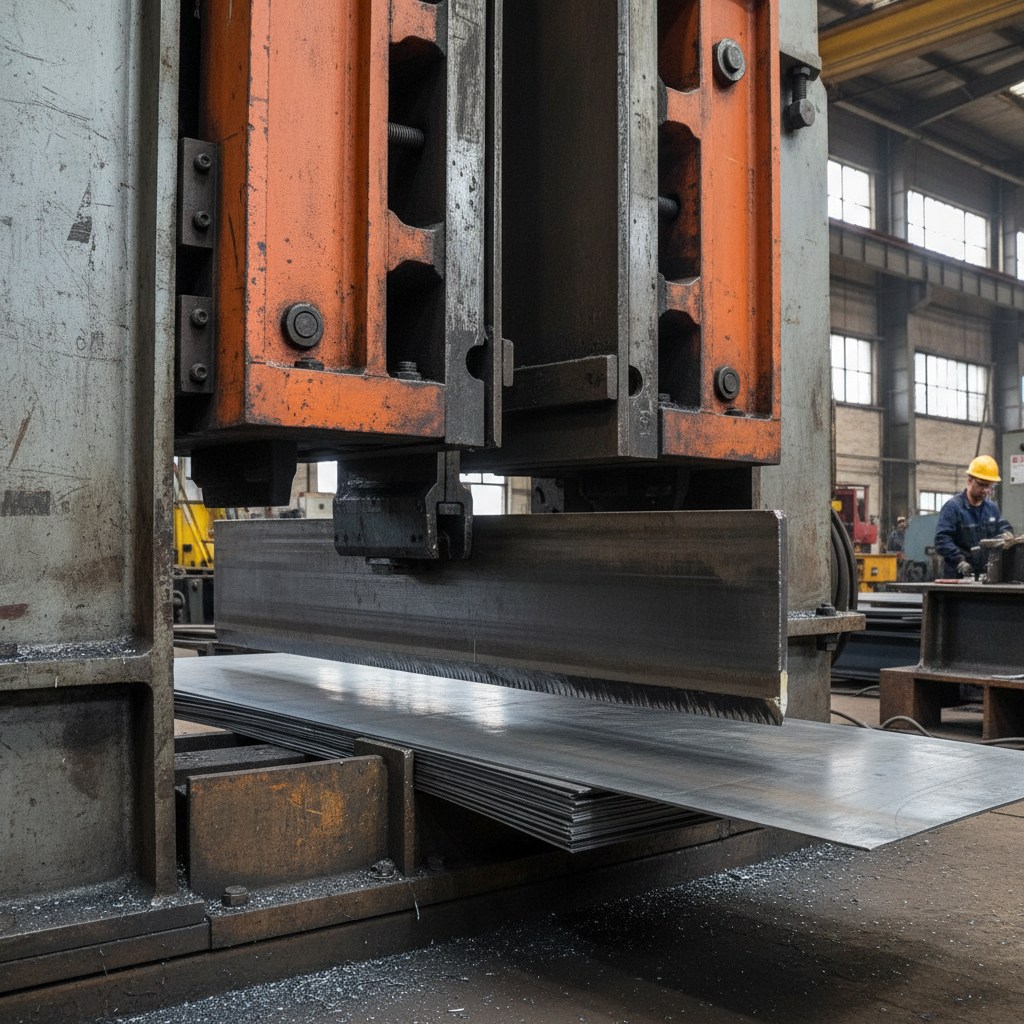
The textile industry utilizes carbide slitter blades for slitting fabrics and nonwoven materials, crucial in the production of clothing, upholstery, and industrial textiles. Even in the metal processing sector, specialized carbide slitter blades are employed for shearing thin gauge metals, contributing to precision metal fabrication and manufacturing. These applications span across regions, from large-scale manufacturing hubs in Asia to specialized production facilities in Europe and North America.
In remote industrial zones lacking robust infrastructure, the durability and longevity of carbide slitter blades provide a significant advantage, reducing the frequency of replacements and minimizing logistical challenges. Similarly, in post-disaster relief operations, ensuring efficient packaging of supplies often depends on reliable slitter blade performance within emergency distribution centers.
Comparison of Carbide Slitter Blade Performance Across Applications
Advantages and Long-Term Value
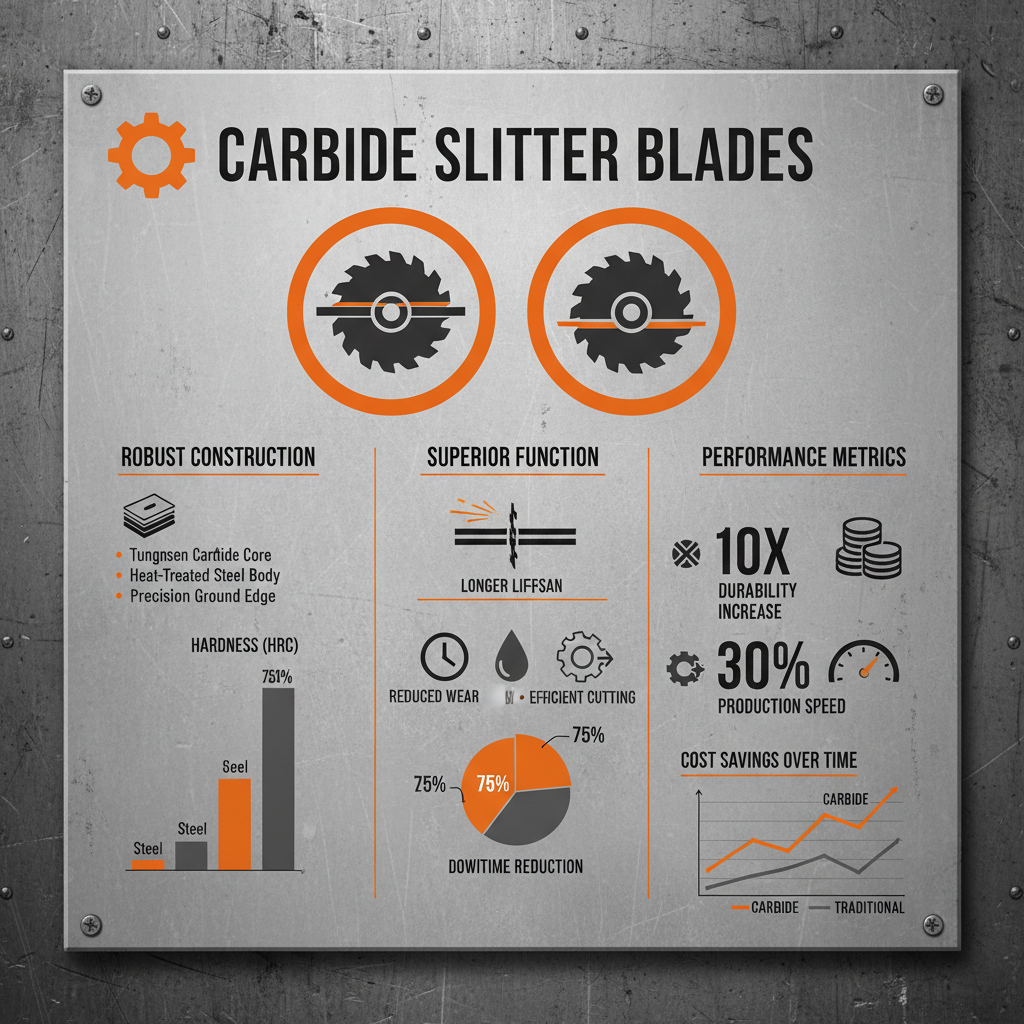
The advantages of using carbide slitter blades are multifaceted. Firstly, their superior durability significantly reduces the frequency of blade replacements, leading to lower maintenance costs and minimized downtime. This directly translates to increased production efficiency and profitability. Furthermore, the precision cutting capability ensures minimal material waste, contributing to cost savings and environmentally sustainable practices.
Beyond the tangible benefits, carbide slitter blades offer enhanced product quality and safety. Consistent, clean cuts improve the aesthetic appeal and functionality of finished products, bolstering brand reputation. The reduced risk of blade breakage and associated hazards contributes to a safer working environment. The inherent reliability of these blades fosters trust and confidence among manufacturers and end-users. Investing in carbide slitter blades represents a commitment to long-term value, not just immediate cost reduction.
Future Trends and Innovations
The future of carbide slitter blades is marked by exciting advancements in material science and manufacturing techniques. Research is ongoing into novel carbide compositions, including the incorporation of nanoparticles, to further enhance blade hardness, toughness, and wear resistance. The integration of digitalization and automation will play a key role, with the development of smart blades equipped with sensors to monitor cutting performance and predict maintenance needs.
Furthermore, there's a growing focus on sustainability and the development of eco-friendly blade coatings and manufacturing processes. The demand for blades capable of cutting increasingly complex and sustainable materials – such as bio-based plastics – will drive innovation in blade geometry and coating technology. These trends align with the broader industry push towards greater efficiency, sustainability, and automation.
Challenges and Solutions
Despite their numerous advantages, carbide slitter blades face certain challenges. One common issue is blade breakage due to improper application, material defects, or excessive cutting forces. This can be mitigated through proper blade selection, careful monitoring of cutting parameters, and regular blade inspections. Another challenge is the cost of carbide slitter blades compared to traditional steel blades.
However, the long-term cost benefits – reduced downtime, lower maintenance costs, and minimized material waste – often outweigh the initial investment. Furthermore, advancements in manufacturing technology are driving down the cost of carbide slitter blades, making them more accessible to a wider range of industries. Investing in blade resharpening services can also help extend blade life and reduce overall costs.
A key solution lies in developing more robust blade geometries and coatings that can withstand higher cutting forces and abrasive materials. Additionally, providing comprehensive training to operators on proper blade handling and cutting techniques can significantly reduce the risk of blade breakage and optimize blade performance.
Summary of Carbide Slitter Blade Challenges and Solutions
| Challenge |
Root Cause |
Impact |
Potential Solution |
| Blade Breakage |
Improper application/material defect |
Downtime, safety hazard |
Blade selection, inspection, training |
| Edge Wear |
Abrasive materials, high cutting forces |
Reduced cut quality, frequent replacement |
Harder carbide grades, coatings |
| High Initial Cost |
Material composition, manufacturing process |
Budget constraints |
Long-term cost analysis, resharpening |
| Inconsistent Cut Quality |
Incorrect blade geometry |
Product defects, waste |
Optimal blade geometry for material |
| Reduced Blade Lifespan |
Lack of maintenance, improper storage |
Increased replacement frequency |
Regular cleaning, sharpening, proper storage |
| Difficulty Cutting Certain Materials |
Material properties exceed blade capabilities |
Production bottlenecks |
Specialized blade coatings or materials |
FAQS
The lifespan of carbide slitter blades varies significantly depending on factors such as the material being cut, cutting speed, blade quality, and maintenance practices. Generally, high-quality blades can last anywhere from several weeks to several months of continuous operation, whereas lower-grade blades may require replacement much more frequently. Regular inspection and resharpening can significantly extend blade life, sometimes doubling or tripling its useful duration.
Selecting the appropriate blade involves considering the material's hardness, thickness, and abrasive properties. Softer materials require blades with a sharper edge and less aggressive geometry, while harder materials demand blades with higher hardness and more robust construction. Factors like blade angle, blade thickness, and surface coating also play crucial roles. Consulting with a blade specialist can ensure you select the optimal blade for your specific needs and avoid premature wear or breakage.
Yes, many carbide slitter blades can be resharpened multiple times, extending their lifespan and reducing overall costs. However, the number of times a blade can be resharpened is limited by the amount of material removed during the process. Excessive resharpening can weaken the blade and compromise its performance. Professional resharpening services utilize specialized equipment to restore the blade's original cutting edge while minimizing material loss.
Carbide slitter blades are extremely sharp and can cause serious injury if mishandled. Always wear appropriate personal protective equipment (PPE), including cut-resistant gloves and safety glasses. Handle blades with care and avoid applying excessive force. Store blades in a secure container when not in use, and dispose of damaged blades properly. Follow all safety guidelines provided by the blade manufacturer and your company's safety protocols.
Tungsten carbide possesses significantly higher hardness and wear resistance compared to other common blade materials like high-speed steel. This translates to a longer blade lifespan, reduced downtime, and improved cutting precision. While high-speed steel blades are generally less expensive upfront, their shorter lifespan and reduced performance often result in higher overall costs in the long run. Tungsten carbide's exceptional properties make it the preferred choice for demanding applications.
Blade coatings, such as TiN or AlTiN, enhance surface hardness, reduce friction, and improve corrosion resistance. These coatings help to minimize wear, extend blade life, and improve cutting performance, particularly when processing abrasive materials. Coatings also reduce the build-up of material on the blade surface, ensuring clean and consistent cuts. The selection of the appropriate coating depends on the specific application and the material being cut.
Conclusion
In summary, carbide slitter blades are indispensable components in a vast range of industries, offering unparalleled durability, precision, and efficiency. Their superior performance translates to reduced downtime, lower maintenance costs, and improved product quality. Understanding the nuances of blade selection, maintenance, and emerging technologies is crucial for maximizing their value and optimizing cutting processes. Investing in these blades is a strategic decision that contributes to long-term operational success and sustainability.
Looking ahead, continued innovation in materials science, coating technology, and digitalization will further enhance the capabilities of carbide slitter blades. Embracing these advancements will be essential for manufacturers seeking to maintain a competitive edge in today’s rapidly evolving industrial landscape. To learn more about our high-quality carbide slitter blades and find the perfect solution for your application, visit our website: www.mechblades.com.