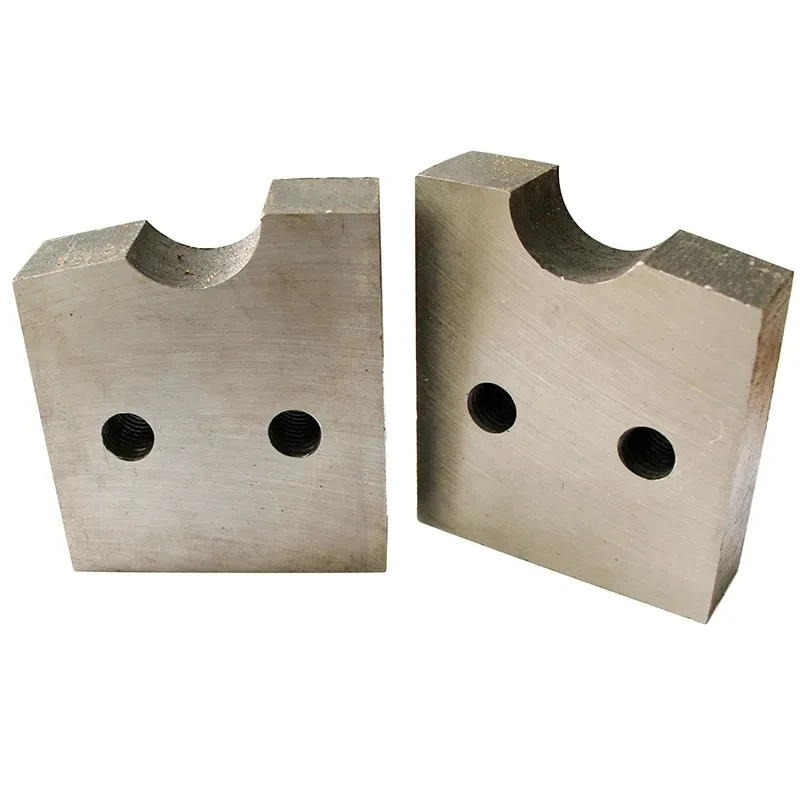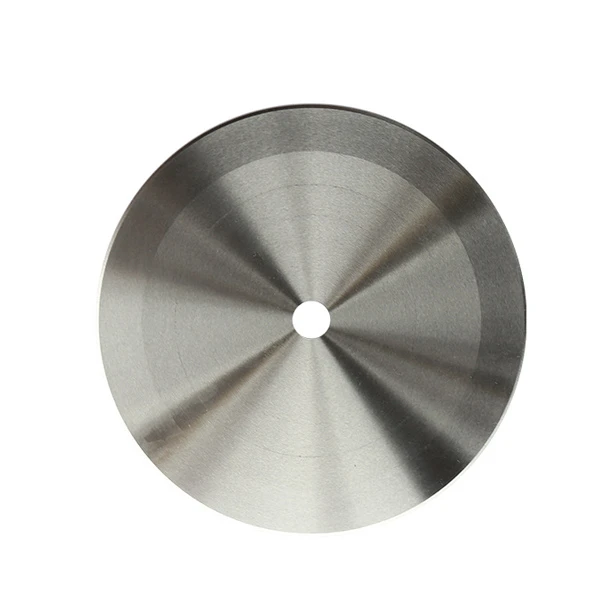
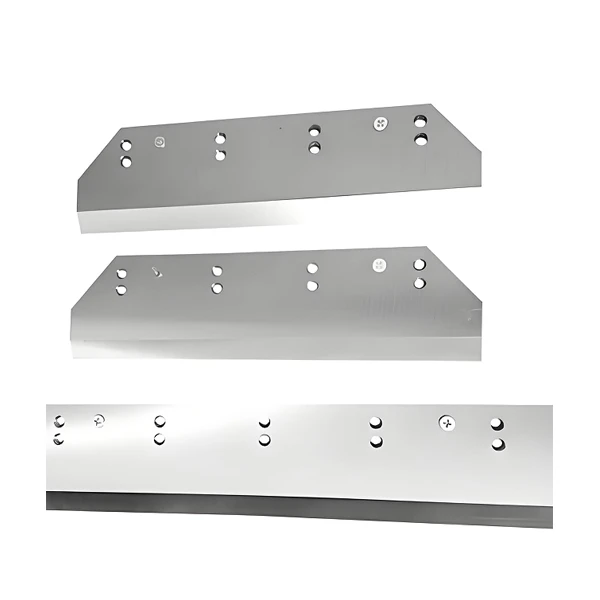
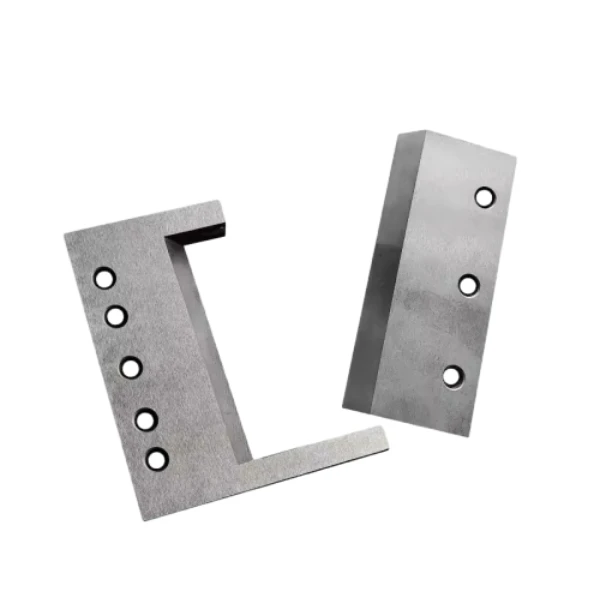
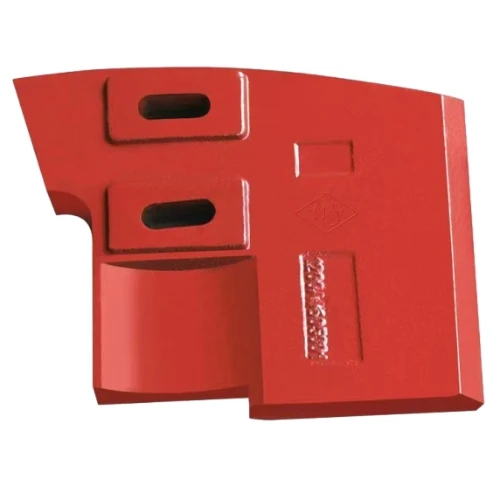
In Ghana, the manufacturing sector, particularly in Accra and Kumasi, faces significant challenges due to high humidity and salty coastal air, which accelerate the corrosion of standard slitting machine blades. Local factories often struggle with rapid edge degradation, leading to increased downtime in packaging and metal processing lines.
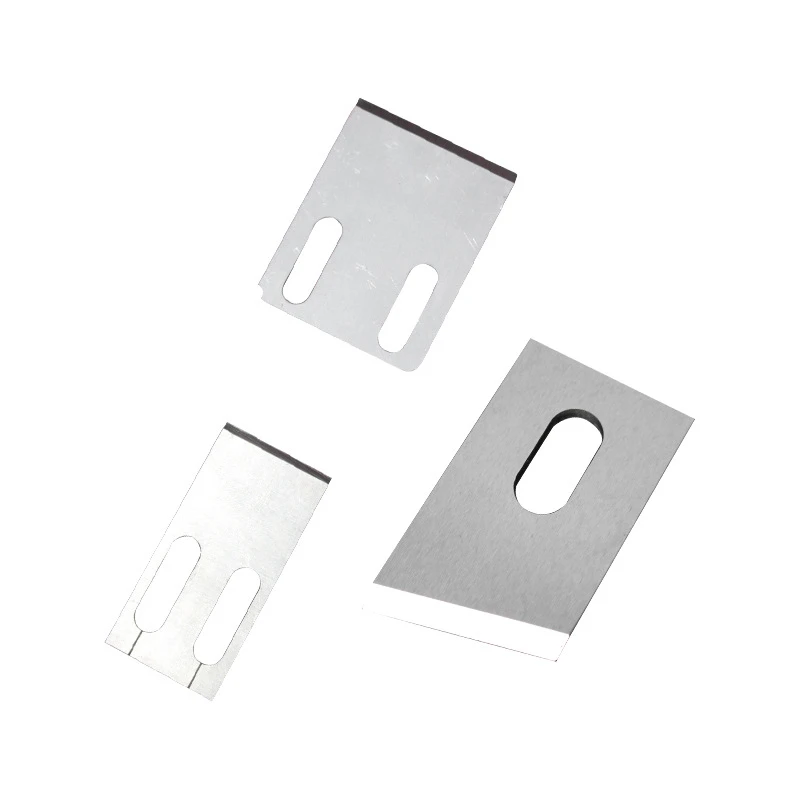
The current market relies heavily on imported components, where a gap exists between low-cost, short-life blades and overpriced premium alternatives. This has created a demand for specialized straight cutting blade tools that offer a balance of hardness and corrosion resistance to withstand the local environmental stress.
Furthermore, the growth of the Ghanaian food processing industry has spiked the need for hygienic, food-grade tomato slicer blades. The transition from manual slicing to automated machinery requires tools that can maintain a clean cut without contaminating the organic produce in high-temperature processing environments.