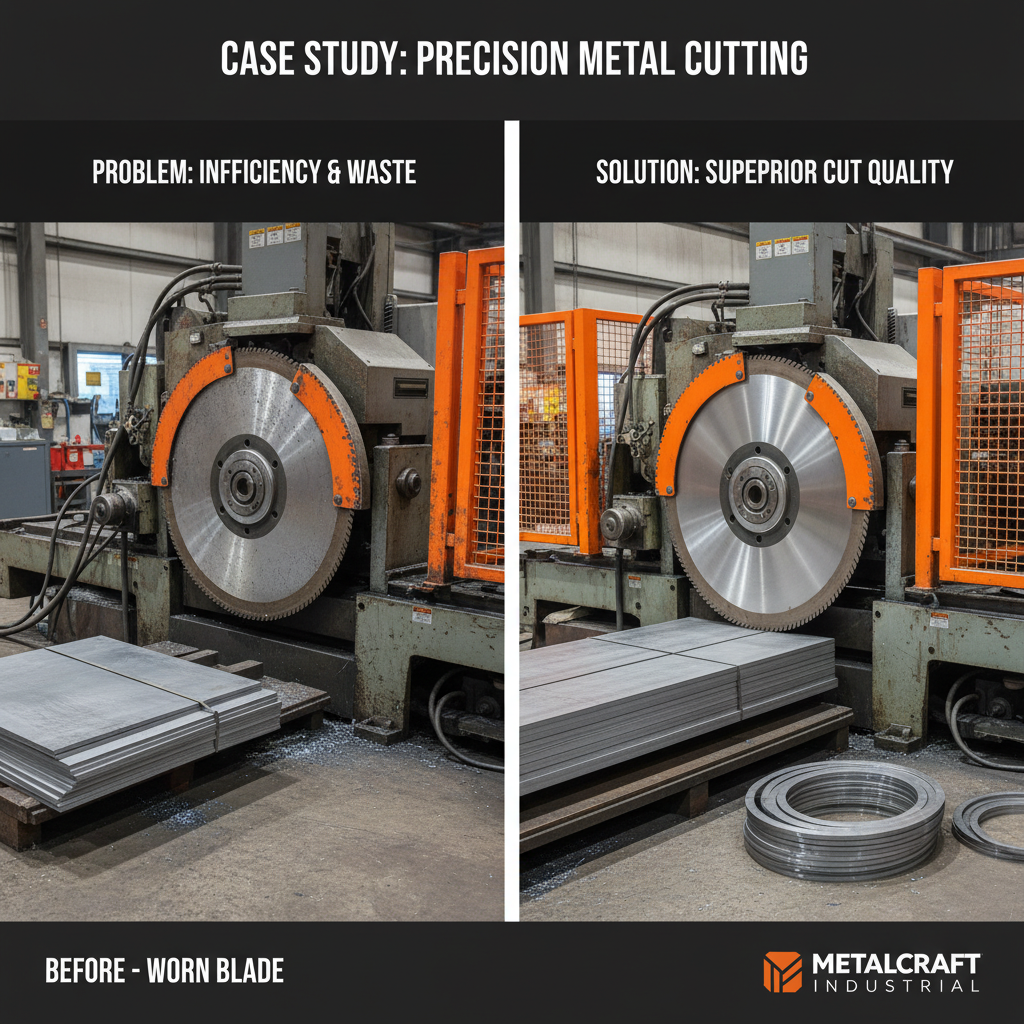
Look, I’ve been on construction sites for, what, fifteen years now? You start to see patterns. Lately, everyone’s obsessed with miniaturization, right? Everything’s gotta be smaller, lighter, more efficient. But to be honest, sometimes smaller just means more headaches. It’s like they forget these things get dropped, get rained on, get covered in concrete…
And it's not just size, it's connectivity. Wireless everything. Fine, good, less cable clutter. But try getting a signal inside a reinforced concrete core. You'll be yelling at the router all day. It’s a constant push and pull. We're always balancing the shiny new tech with what actually, reliably works in the field.
It's funny, you spend all this time designing something perfect in the office, and then you get on site and realize nobody's using it how you thought they would.
The Current Landscape of Shredder Blades Suppliers
Have you noticed how many new shredder blades suppliers are popping up, mostly from overseas? It's a race to the bottom on price, frankly. Lots of promises, not a lot of follow-through. I've seen blades that look good in the catalog, but the steel… it’s soft. Really soft. I encountered this at a factory in Zhejiang province last time, they were using some kind of recycled alloy. It looked shiny, but bent after a few hours.
The good ones, the reliable shredder blades suppliers, they’re still out there, but you gotta dig. They’re focused on the grade of steel, the heat treatment, the consistency. That's what matters.
Design Pitfalls: What Commonly Goes Wrong
Strangely enough, one of the biggest problems is over-engineering. People get so caught up in making something “perfect” that they forget about practicality. Too many angles, too many curves. Makes manufacturing difficult, increases cost, and doesn’t actually improve performance. A simple, robust design is almost always better.
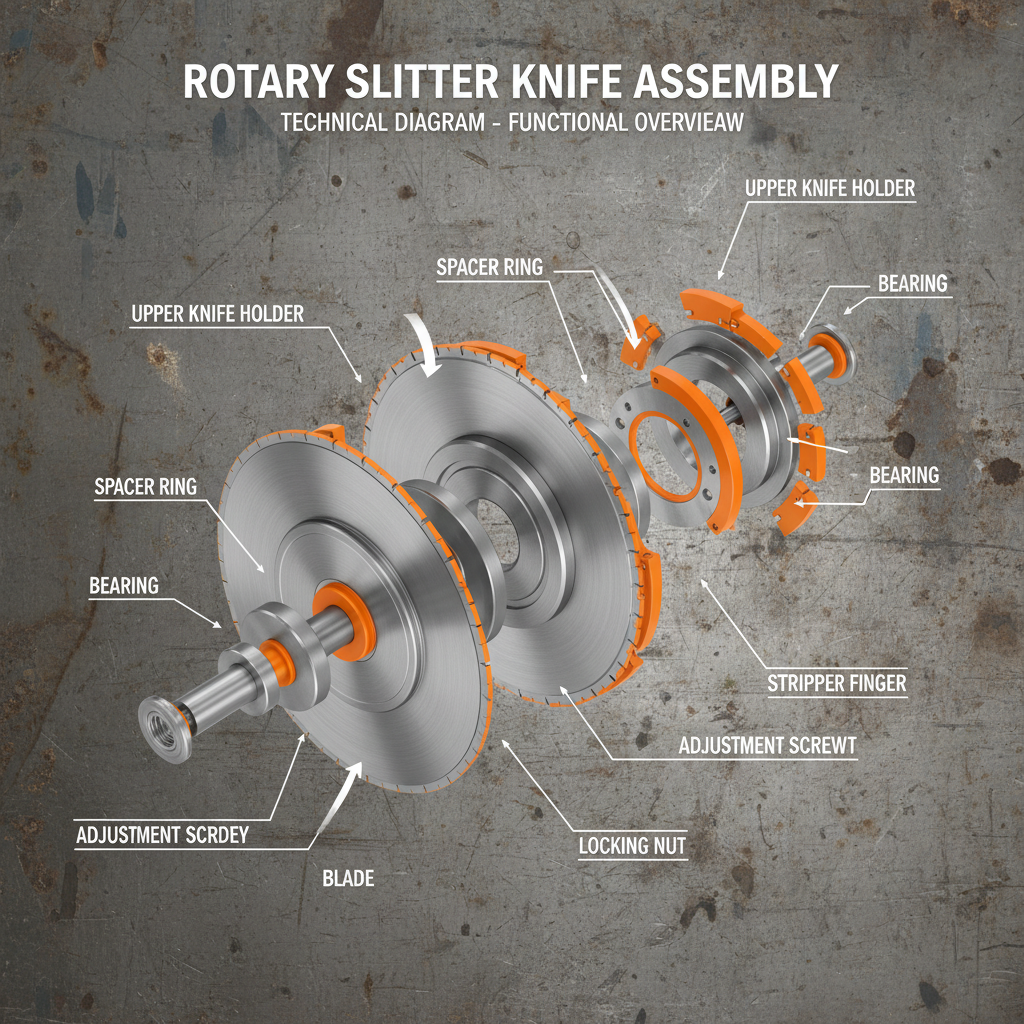
Another one? Interface compatibility. I swear, every shredder manufacturer uses a slightly different mounting system. You think blades would be standardized, right? Nope. You’re constantly dealing with adaptors, shims, and a whole lot of frustration. It’s a constant headache, and the guys on site hate it.
And the coatings… oh, the coatings. Some of these "high-tech" coatings chip and flake after a week. Give me a good, solid, through-hardened blade any day.
Material Science: Beyond the Spec Sheet
Okay, so you’ve got your tool steels, your high-speed steels, your carbide inserts. But the spec sheet doesn’t tell you everything. The feel of the steel is important. A good blade will have a certain weight, a certain… solidity. You can just tell. A cheap blade will feel flimsy, almost brittle.
And the smell! Seriously. When you’re grinding or machining a blade, you can tell a lot from the smell. A cheap steel will smell… acrid. A good steel will have a cleaner, sharper smell. It sounds crazy, I know, but you learn these things after a while. We primarily use D2 and CPM-10V; D2 is a workhorse – affordable and holds an edge well, but CPM-10V… that’s when you need something that’ll just keep going.
Handling the material, you can tell if they’ve done the heat treatment right. A properly heat-treated blade will have a consistent hardness throughout. A poorly treated one will be soft in some spots and brittle in others.
Real-World Testing and Performance
Forget the lab tests. They're useful, sure, but they don't simulate real-world conditions. I want to see a blade shred through a mixed waste stream – paper, cardboard, plastic, metal – for eight hours straight. Then I want to see how it holds up to being dropped, exposed to rain, and generally abused.
We’ve got a makeshift testing rig at the yard, basically an old shredder powered by a diesel engine. It’s not pretty, but it gets the job done. And we don’t just measure cutting performance. We measure blade wear, cracking, and any deformation. We even weigh the shredded material to see how efficiently the blades are working.
Shredder Blade Supplier Performance Metrics
How Users Actually Employ Shredder Blades
This is where it gets interesting. You design a blade to shred paper, but then you find out they’re using it to shred old tires. Or bricks. Or whatever. People are resourceful, let me tell you. And they're often pushing the blades way beyond their intended limits.
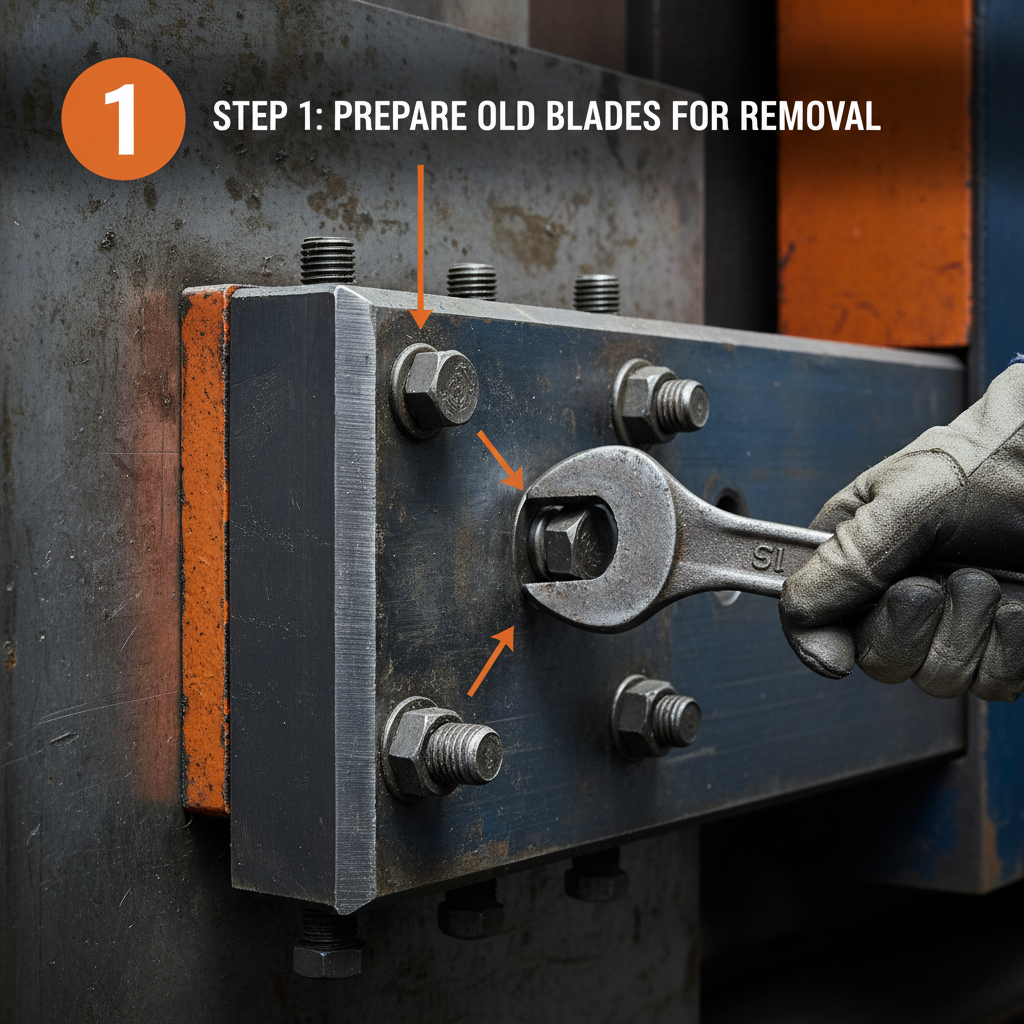
Anyway, I think most users don’t really care about the metallurgy or the heat treatment. They just want a blade that lasts a reasonable amount of time and doesn’t break the bank. They want to tighten a few bolts and get back to work. They don't want to be fiddling with adjustments all day.
Advantages, Disadvantages, and Customization Options
The advantages of a high-quality blade are obvious – longer life, better performance, reduced downtime. But the disadvantages? Cost, obviously. And sometimes, specialization. A blade optimized for paper might not be ideal for plastic.
Customization is where things get interesting. Last year, a recycling plant wanted a blade with a slightly different tooth geometry to handle a specific type of film plastic. It was a challenge, but we got it done. We’re able to modify blade angles, tooth patterns, and even the steel alloy to meet specific customer needs. It’s not always cheaper, but it can be worth it for the right application. It’s the kind of thing you only get from a shredder blades suppliers who actually understands the process.
A Client Story: The Interface Saga
Last month, that small boss in Shenzhen who makes smart home devices insisted on changing the interface to for the blades. He said it was “future-proof”. I tried to explain that nobody’s shredding with a USB cable, but he wouldn't listen. He wanted it, he got it. The result? The connector snapped off after a week. The entire batch was unusable. I think he learned a lesson that day. He ended up going back to the old, reliable bolt-on system.
It just goes to show you, sometimes the simplest solution is the best. You get so caught up in innovation, you forget about the fundamentals. And the guys on site? They just want something that works. Forget about sleek designs or fancy features.
Later… Forget it, I won't mention it.
Shredder Blade Performance Summary
| Blade Material |
Typical Application |
Estimated Lifespan (Hours) |
Cost per Blade (USD) |
| D2 Tool Steel |
Paper, Cardboard, Light Plastics |
100-200 |
$50-$100 |
| High-Speed Steel (HSS) |
Mixed Waste, Textiles |
150-250 |
$75-$150 |
| CPM-10V |
Hard Plastics, Metals, Tires |
300-500 |
$150-$300 |
| Carbide Inserts |
Abrasive Materials, Concrete |
200-400 |
$200-$400 |
| Stainless Steel |
Food Waste, Compost |
80-120 |
$40-$80 |
| Alloy Steel (Heat Treated) |
General Purpose Shredding |
120-180 |
$60-$120 |
FAQS
Honestly? They focus too much on price. A cheap blade will save you money upfront, but you’ll end up replacing it twice as often, and the downtime will cost you even more. It's a false economy. You need to look at the overall cost of ownership, not just the initial price tag. Finding a reliable shredder blades suppliers that prioritizes quality steel and heat treatment is crucial for long-term savings.
There are a few telltale signs. Increased noise, slower shredding speed, and larger particle size are all red flags. Also, if you start seeing sparks or excessive vibration, that’s a definite sign. Don't wait until the shredder breaks down completely – preventative maintenance is key. I tell people, if it sounds like it's struggling, it probably is.
You can, but it’s not always recommended. Sharpening can weaken the blade and reduce its lifespan. It really depends on the type of steel and the severity of the damage. With some of the harder alloys, sharpening isn't even possible. It's often more cost-effective to just replace them. And honestly, unless you have the right equipment and expertise, you're better off leaving it to the professionals. A bad sharpening job can do more harm than good.
Single-cut blades have teeth that point in one direction, while double-cut blades have teeth that point in both directions. Single-cut blades are better for softer materials like paper and cardboard, while double-cut blades are better for harder materials like plastic and metal. It all depends on what you’re shredding. Choosing the right blade for the job will improve performance and extend its lifespan.
That’s a tough one. Most blades are made from steel, which isn’t exactly the most sustainable material. However, some suppliers are starting to use recycled steel, and there’s research being done on biodegradable materials. It’s still early days, but it’s a promising trend. Ultimately, extending the lifespan of your blades through proper maintenance is the most eco-friendly thing you can do.
We do! We can modify blade angles, tooth patterns, and even the steel alloy to meet your specific needs. We've done everything from optimizing blades for specific types of plastic to creating blades with a longer lifespan for high-volume applications. It’s not always cheap, but it can be a worthwhile investment if you have a unique shredding challenge. Talk to one of our engineers to discuss your requirements.
Conclusion
So, where does all this leave us? Well, the world of shredder blades suppliers is a lot more complex than it looks. It’s about more than just buying a piece of steel. It’s about understanding the materials, the applications, and the real-world conditions. It’s about finding a supplier who understands your needs and can provide you with a reliable, high-quality product. And it's about recognizing that a small investment in quality can save you a lot of money and headaches in the long run.
Ultimately, whether this thing works or not, the worker will know the moment he tightens the screw. They’re the ones on the ground, dealing with the mess, and they’ll tell you straight if a blade is good or not. Trust their judgment, and you’ll be alright.