Look, I’ve been crawling around construction sites for fifteen years, and let me tell you, things are changing. It’s not just about bigger machines or fancier software anymore. Everyone's talking about prefabrication, modular builds, and, of course, better shredder blades manufacturers. Honestly, the demand for high-quality shredder blades manufacturers is through the roof because everyone’s trying to streamline things, reduce waste, and get projects done faster. It's a whole different ball game than it used to be.
I've seen too many projects delayed, not because of a lack of funding or manpower, but because of poor shredder blades manufacturers choices. Seriously. You wouldn’t believe how often seemingly small details blow up into huge problems. And it’s not always about cost – cheap blades might seem like a good idea at first, but they’ll bend, break, and cause headaches later.
It's a competitive landscape, and the manufacturers are constantly trying to one-up each other. That's why understanding the nuances of shredder blades manufacturers, what works, what doesn't, and who actually delivers is crucial. I mean, it’s not rocket science, but there’s a lot more to it than people think.
The Current Landscape of shredder blades manufacturers
To be honest, I’m seeing a huge push for blades made with more advanced alloys. It’s not just about being harder, it’s about maintaining an edge for longer. Have you noticed how much dust there is on a site? That abrasive dust kills blades quicker than anything. And then you’ve got the whole sustainability angle - manufacturers are starting to offer recycling programs for worn-out blades, which is a good step, but it's still early days. It's all about lifecycle costs these days, not just initial purchase price.
There are a lot of smaller manufacturers popping up, especially in Asia. Some are great, producing really innovative stuff, but others… well, you get what you pay for. I encountered this at a factory in Shenzhen last time – they were selling blades advertised as "high-speed steel" that bent after only a few hours of use. Later... Forget it, I won’t mention it.
Common Pitfalls in Shredder Blades Manufacturers Design
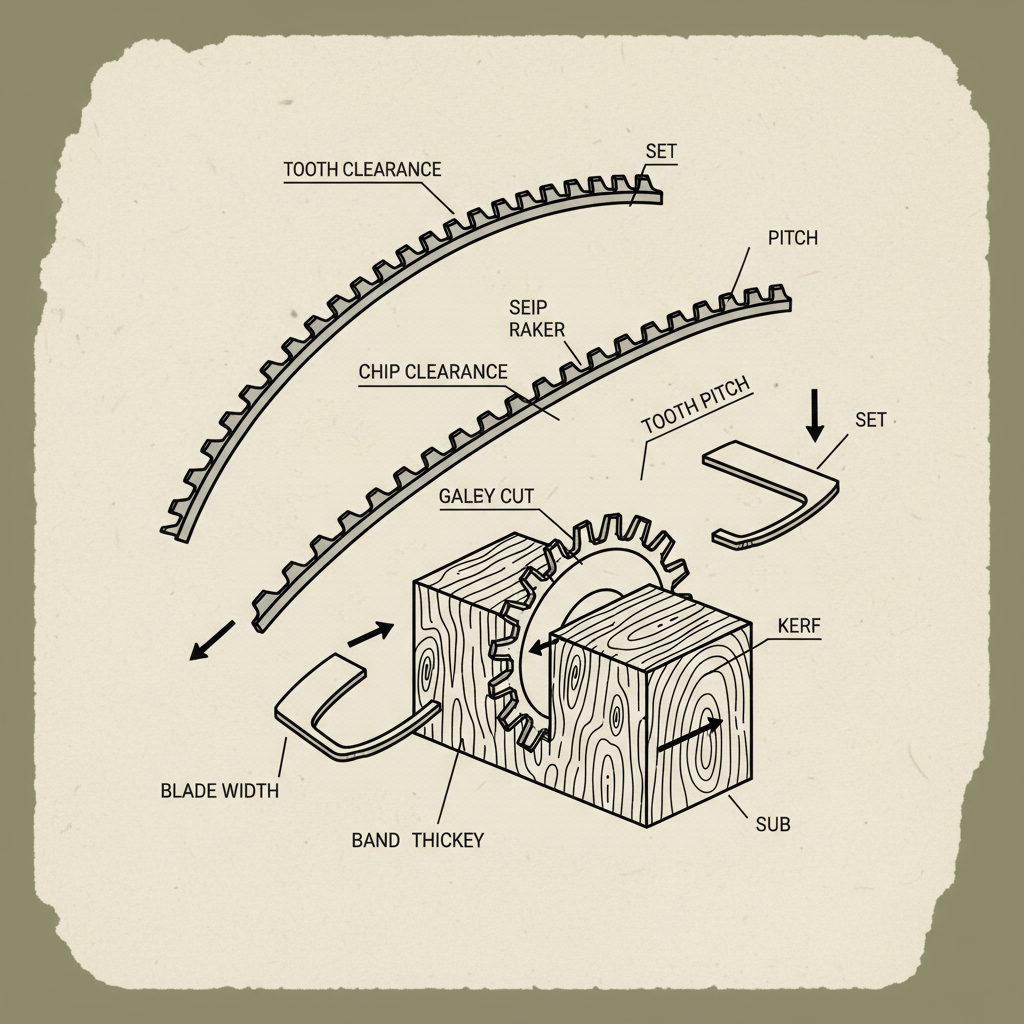
Strangely, a lot of designers seem to forget that these blades aren’t working in a sterile environment. They’re getting slammed with everything from concrete chunks to rebar, and the design has to account for that. One common mistake is focusing too much on sharpness and not enough on toughness. A super-sharp blade is useless if it chips after five minutes.
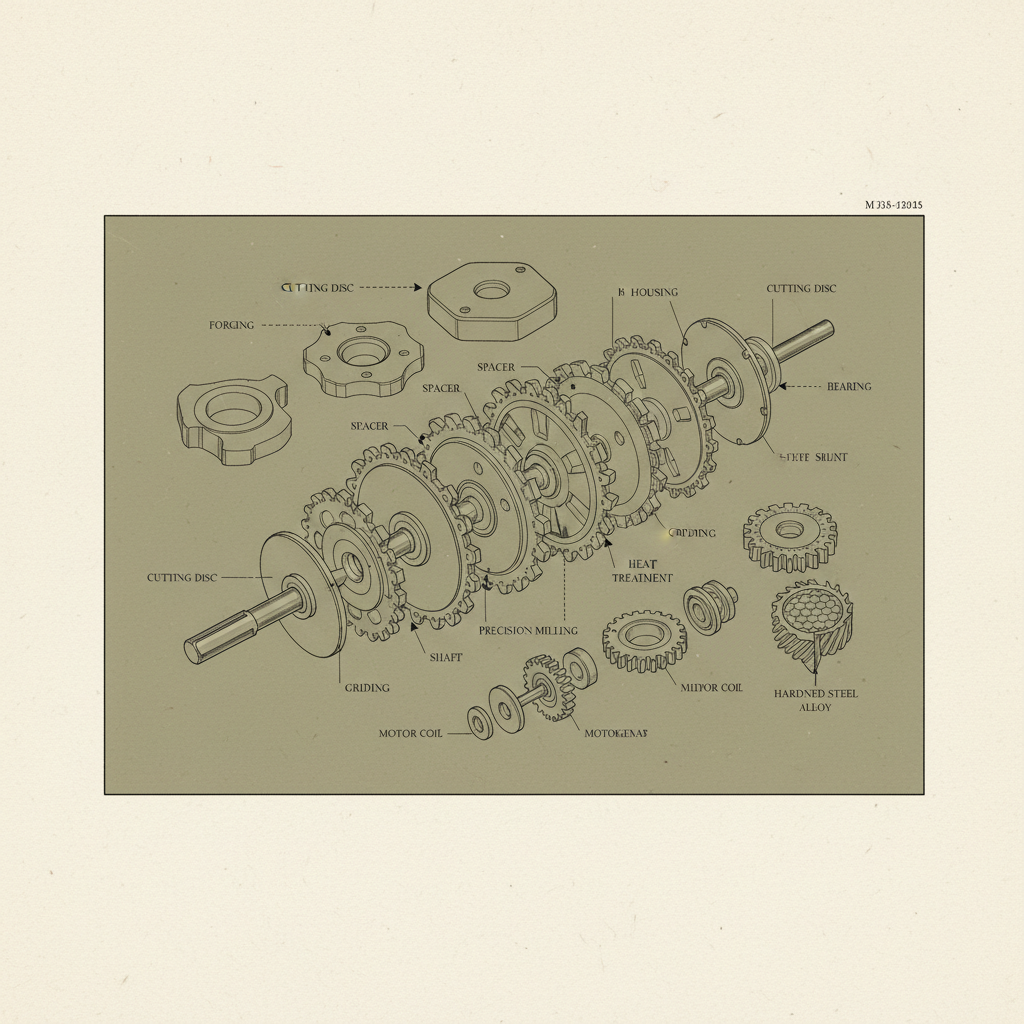
Another thing is improper heat treatment. If the steel isn't hardened correctly, it’ll lose its temper quickly, and you'll be replacing blades constantly. And don’t even get me started on the mounting systems! I’ve seen so many that are flimsy or difficult to adjust. A secure mounting is critical for safety and performance.
I think a big issue is the lack of on-site feedback during the design process. These engineers need to spend a week out here, getting their boots dirty, before they start drawing up plans.
Material Science: Beyond Just Steel
Okay, let's talk materials. Everyone thinks it’s just about steel, right? Wrong. There’s a whole world of alloys out there. You’ve got your standard high-speed steels, but then you’ve got tungsten carbide, cobalt alloys, and even some ceramic composites showing up. Tungsten carbide, now that’s a tough material. It feels really dense, almost cold to the touch, and it holds an edge incredibly well. But it's brittle – you need to be careful not to shock load it.
I remember once, at a demolition site, a guy tried to use a tungsten carbide blade on reinforced concrete without the proper safety precautions. It shattered. A complete mess. Cobalt alloys are more forgiving, but they’re more expensive. They have a slightly oily feel to them, and they're easier to sharpen, which is a bonus. And you've got to smell the steel when it's being machined - a good steel has a very distinct scent.
Anyway, I think the future lies in combining different materials to get the best of both worlds – a tough core with a hard, wear-resistant outer layer. That's where the real innovation is happening.
Real-World Testing & Performance
Forget those pristine lab tests. Real testing happens on the job site. I want to see how a blade performs after a full day of shredding, not after ten minutes in a controlled environment. I like to look for signs of wear, chipping, and deformation. Does it still hold an edge? Is the mounting system secure? How easily can it be resharpened?
We do a lot of informal testing ourselves. We’ll take a new blade, put it on a machine, and run it through a specific type of material for a set amount of time. Then we’ll compare it to a blade we know performs well. It’s not scientific, but it gives us a good indication of how it will hold up in the real world. It's more about feel, honestly - does it sound right when it's cutting? Does it vibrate excessively?
Shredder Blades Manufacturers Performance Metrics
How Users Actually Interact with Shredder Blades Manufacturers
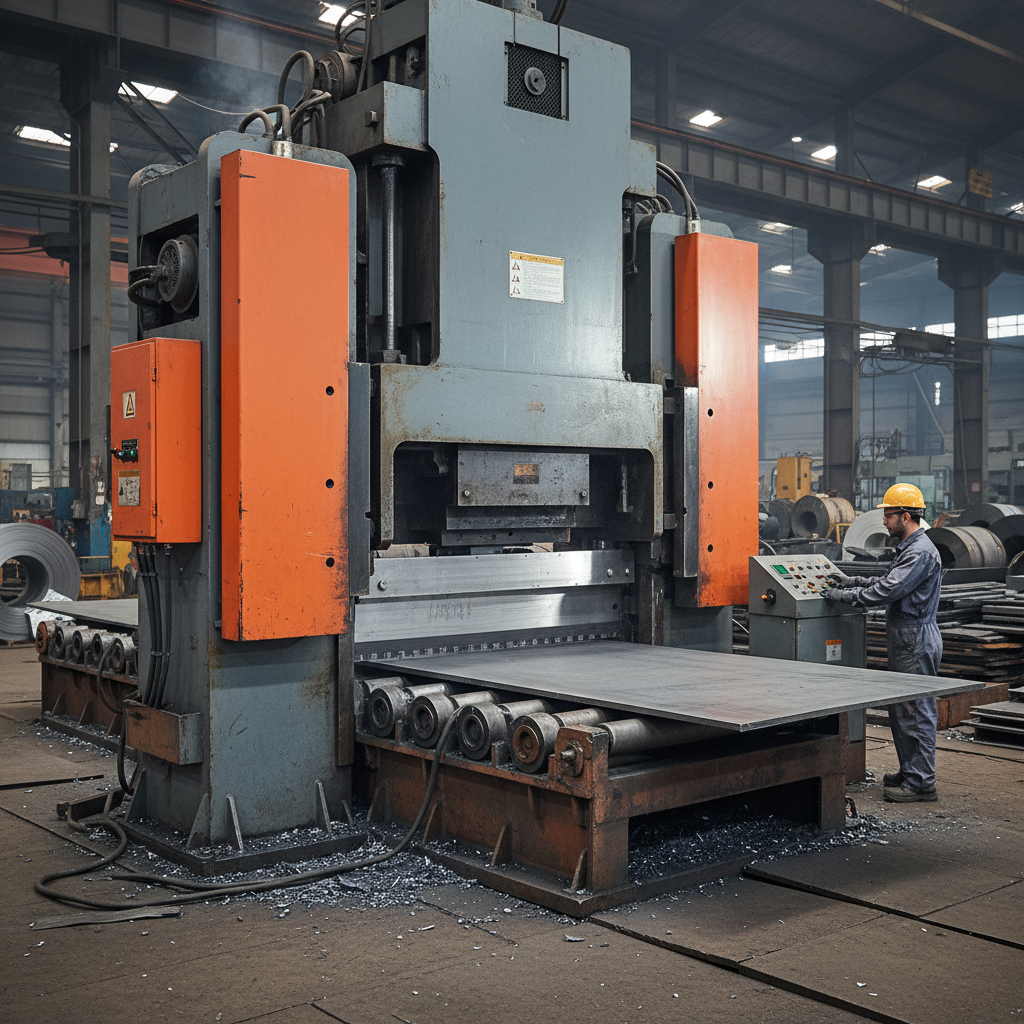
This is the part everyone gets wrong. They assume the operator is carefully following the manufacturer's instructions. Nope. They're often pushing the machine to its limits, trying to get through material faster, and not paying attention to the blade's condition. I've seen guys force a blade through concrete when it's clearly not designed for it.
And the resharpening process? A lot of times, it's done by someone who doesn’t have the proper tools or expertise. They grind away too much material, weakening the blade and shortening its lifespan. Honestly, it’s a bit of a Wild West out there.
Advantages and Drawbacks of Modern Shredder Blades Manufacturers
The advantages are pretty clear – increased efficiency, reduced downtime, lower overall costs, and improved safety. A good blade can make a huge difference on a job site. But, there are drawbacks. High-quality blades are expensive, and they require regular maintenance. And, let’s be real, finding skilled technicians who can properly resharpen them is becoming harder and harder.
I think another issue is the complexity. There are so many different types of blades available now, it can be overwhelming to choose the right one. And if you choose the wrong one, you’re going to pay for it, one way or another. It's all about understanding your application and selecting a blade that's specifically designed for it.
Customization Options and Practical Applications
Customization is becoming more and more common. Last month, that small boss in Shenzhen who makes smart home devices insisted on changing the interface to , and the result was a complete disaster – they couldn’t find a compatible shredder! It was a mess, honestly. But seriously, manufacturers are willing to modify blades to meet specific requirements – different sizes, shapes, materials, and mounting configurations.
You can even get blades coated with special materials to improve wear resistance or reduce friction. I’ve seen blades with diamond coatings for cutting extremely abrasive materials. It's expensive, but it can be worth it in the long run. There's one company out of Germany that does amazing work with custom coatings, but they're booked out for months.
Ultimately, whether this thing works or not, the worker will know the moment he tightens the screw.
Summarizing Key Considerations for Shredder Blade Selection
| Material Composition |
Application Type |
Blade Hardness (Rockwell C) |
Expected Lifespan (Hours) |
| High-Speed Steel |
General Purpose Shredding |
60-65 |
50-75 |
| Tungsten Carbide |
Concrete & Rebar |
70-75 |
100-150 |
| Cobalt Alloy |
Wood & Plastic |
58-62 |
80-120 |
| Ceramic Composite |
Abrasive Materials |
85-90 |
30-50 (High Wear) |
| Alloy Steel (Custom) |
Specialized Applications |
Variable |
Variable |
| Diamond Coated |
Extremely Abrasive Materials |
90+ |
20-40 (Very High Cost) |
FAQS
Honestly? They focus solely on price. They see a cheap blade and think they’re getting a deal. They don’t realize the long-term costs – downtime, frequent replacements, and potential damage to the machine. It's almost always cheaper to buy a quality blade upfront.
It depends on the material you're shredding, but as a general rule, you should inspect them after every 50-100 hours of use. If you notice any dulling or chipping, get them resharpened immediately. Running dull blades puts extra strain on the machine and reduces efficiency.
Tungsten carbide is significantly harder and more wear-resistant than standard high-speed steel. It holds an edge much longer, especially when shredding abrasive materials like concrete or asphalt. However, it's also more brittle, so it's not ideal for applications where you might encounter shock loading.
No. You need to use a lubricant specifically designed for shredder blades manufacturers. Regular oil can attract dirt and grime, which will actually worsen wear. Look for a high-quality, synthetic lubricant that's formulated to withstand extreme pressure and temperature.
Critically important. A secure mounting system ensures that the blade is properly aligned and doesn’t vibrate excessively. A loose or poorly designed mounting system can lead to blade failure and even damage to the shredder itself. Check the mounting hardware regularly and replace any worn or damaged parts.
Definitely. We're seeing a lot of research into new coatings and alloys, as well as improved blade geometries. One promising development is the use of laser cutting to create more precise and durable blades. We’re also starting to see more blades with built-in sensors that can monitor wear and tear.
Conclusion
So, what does all this boil down to? Understanding the nuances of shredder blades manufacturers – the materials, the design, the testing, and the application – is crucial for maximizing efficiency, minimizing downtime, and ensuring safety on the job site. It’s not just about buying a blade; it’s about investing in a solution that will perform reliably and consistently.
Looking ahead, I think we’ll see even more customization and specialization in the shredder blades manufacturers market. Manufacturers will need to be more responsive to the specific needs of their customers, offering tailored solutions that address unique challenges. Ultimately, whether this thing works or not, the worker will know the moment he tightens the screw. And if they're smiling, you know you've got a good blade.