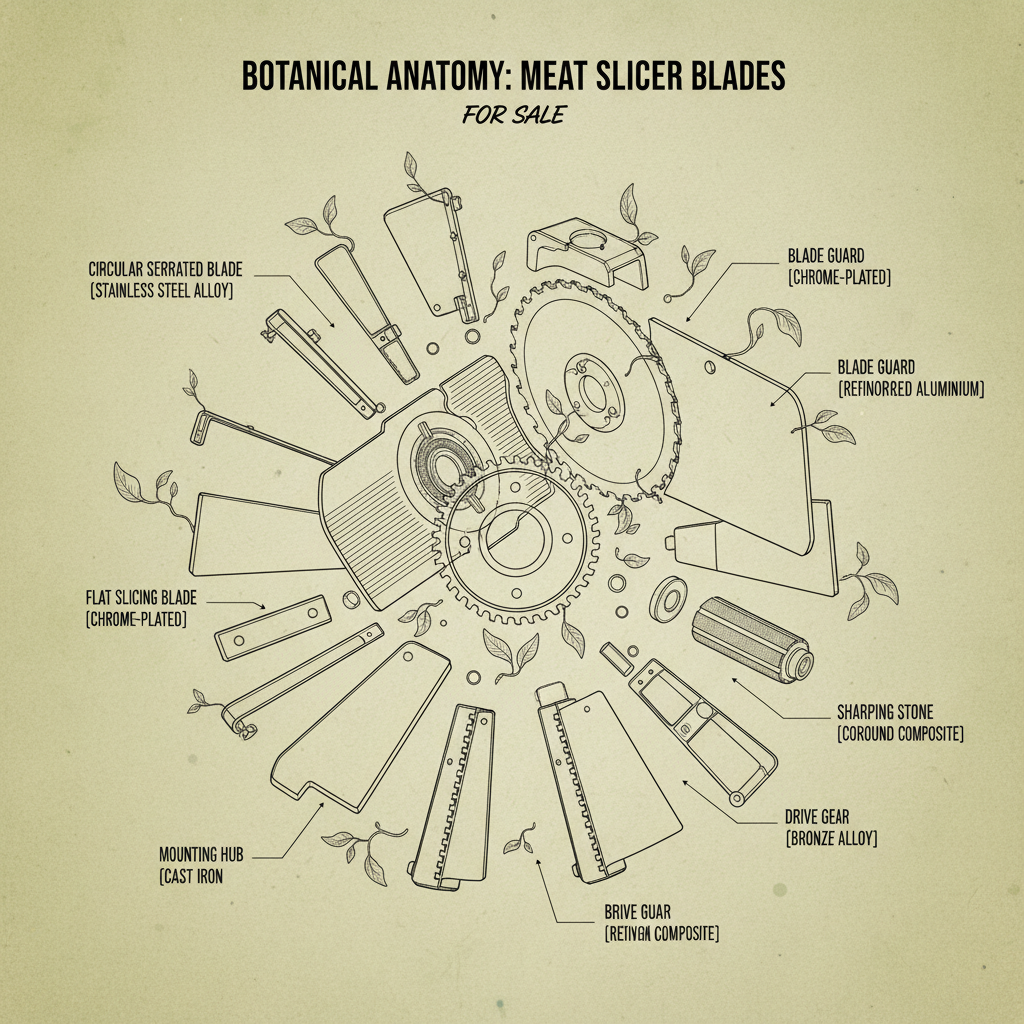
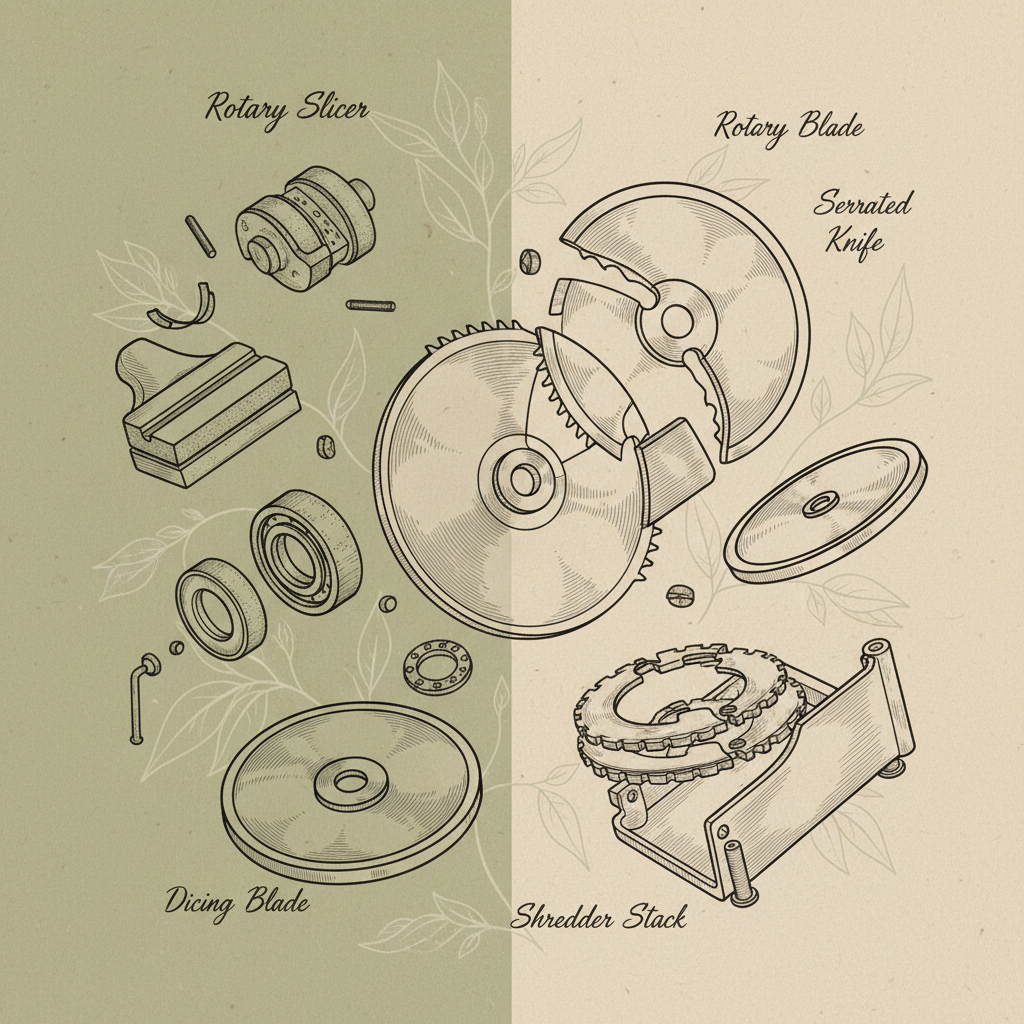
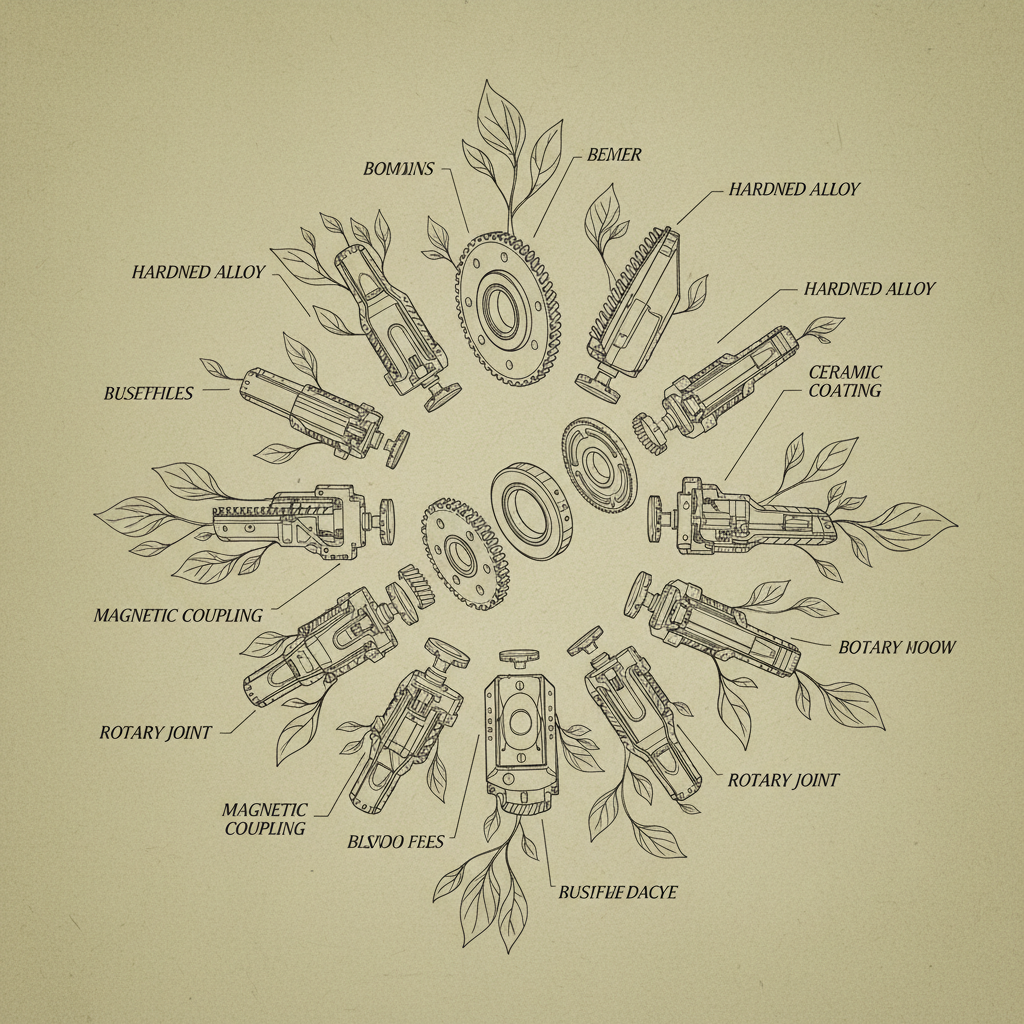
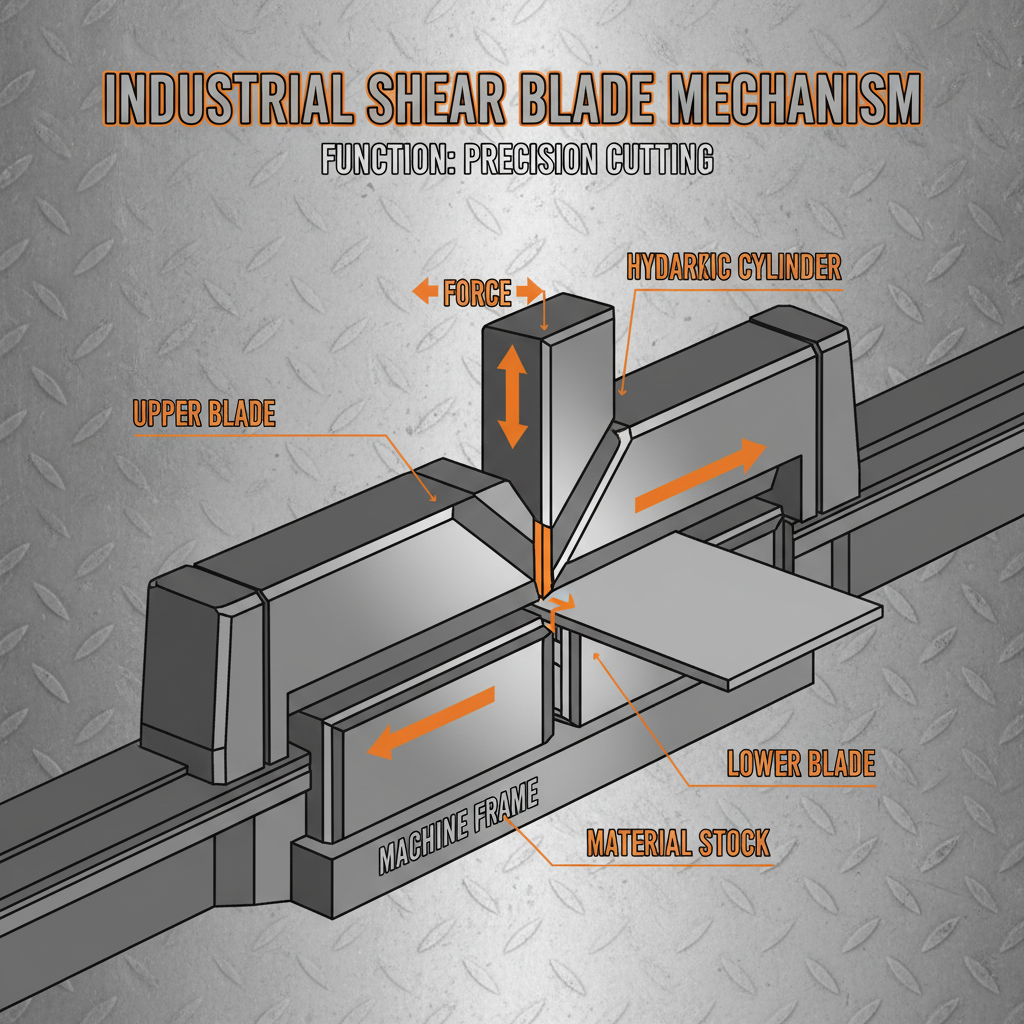
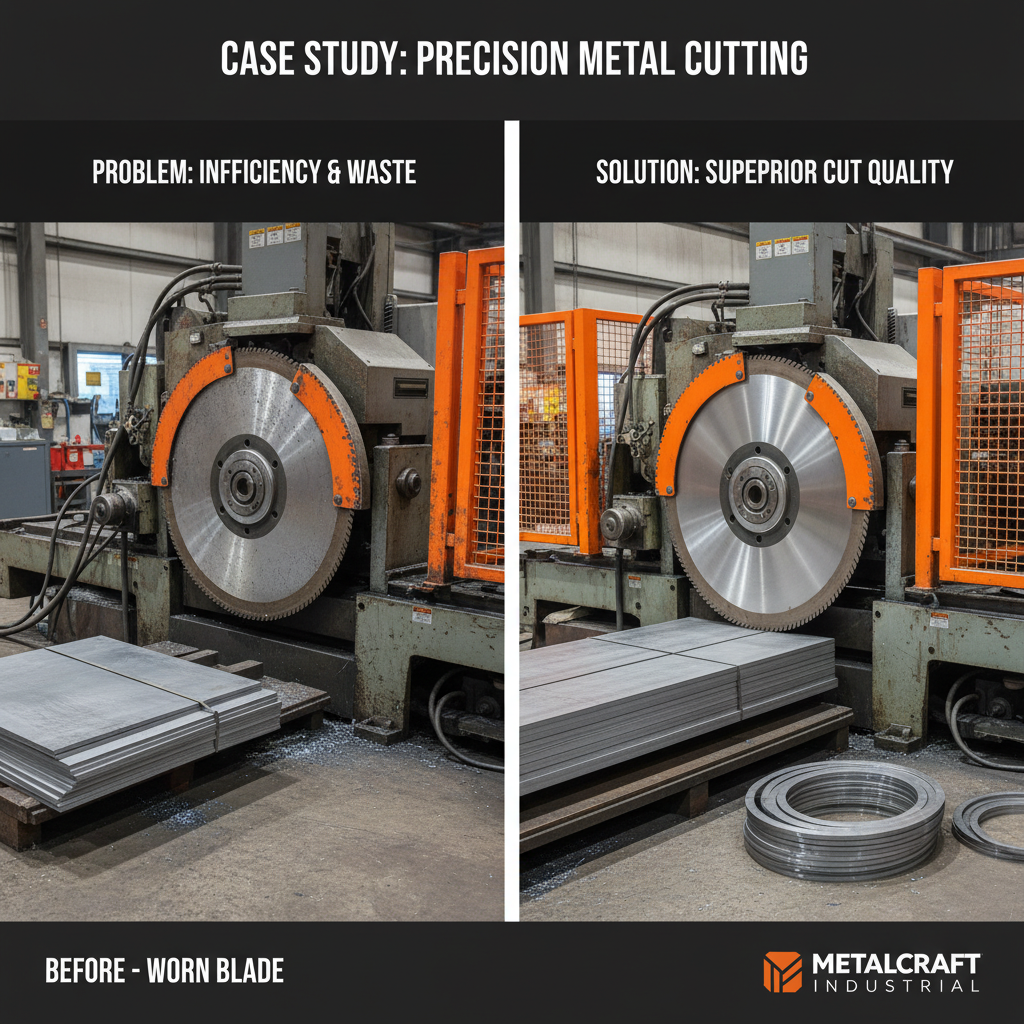
To be honest, the whole industry’s been buzzing about automation lately. Everybody's chasing that robotic arm dream, right? Cutting costs, increasing efficiency… sounds good on paper. But you spend enough time on site – and I have, trust me – and you realize half the time it just creates more headaches. Anyway, I think the real gains aren't always in replacing people, but in giving them better tools. And that's where good meat slicer blades for sale come in.
Have you noticed how many companies try to get fancy with the blade angles? It’s a trap, I tell you, a trap! They think they’re reinventing the wheel, but all it does is make the blades harder to sharpen and more prone to clogging. I encountered this at a big factory in Zhejiang province last time, a real mess. They had this new “optimized” design, and the workers were spending more time cleaning the blades than actually slicing.
We’re talking high-carbon stainless steel, mostly. The good stuff smells… clean, almost metallic. Not that cheap, oily smell you get from some imports. You can feel the difference too. A properly hardened blade has a bit of spring to it, feels solid in your hand. It needs to, because these guys are using them eight, ten hours a day.
The Current Landscape of meat slicer blades for sale
Strangely enough, a lot of the smaller butcher shops are going back to simpler designs. They’re tired of the fancy stuff breaking down. They want blades that just… work. They don't want to deal with specialized sharpening tools or complicated disassembly. The big processing plants, though, they're still pushing the boundaries. They're obsessed with speed, even if it means sacrificing a little durability.
It's all about throughput, you see. The more product they move, the more money they make. And finding reliable meat slicer blades for sale that can keep up with that demand? That's the challenge. I've seen operations that literally go through a set of blades every shift. It’s insane, wasteful, but that’s just how it is.
Common Design Pitfalls in meat slicer blades for sale
That whole "serrated edge" fad? Don't even get me started. It looks impressive in the catalog, but it’s a nightmare to sharpen. Plus, all those little teeth just trap food particles. And speaking of sharpening, that’s a huge issue. Too many manufacturers are using cheaper steel that just won't hold an edge. You end up replacing blades constantly, and that adds up fast.
Another thing: blade thickness. A blade that's too thin will flex and wobble, making it hard to get a clean cut. Too thick, and it'll put too much strain on the slicer motor. It's a delicate balance, and a lot of companies just get it wrong. I've seen some blades that are so poorly made they actually bend during operation.
And don't even get me started on the coatings they put on some of these blades. "Non-stick," they call it. More like "food-stick" if you ask me. They just make the blade harder to clean and sanitize.
Materials and Handling of meat slicer blades for sale
The best blades, hands down, are made from a specific grade of German stainless steel. It’s got that perfect balance of hardness and flexibility. But it's expensive. That's why you see so much Chinese steel flooding the market. It's cheaper, but it doesn’t last nearly as long.
Handling them is crucial, too. You gotta treat these things with respect. Don't just toss them in a bin with other tools. They need to be stored properly, protected from moisture and impacts. And always, always use gloves when handling them, even if they're "dull." Those edges are still sharp enough to cause a nasty cut.
I remember one time, an apprentice, real green kid, he was cleaning blades and just wiped his hand across one thinking it was safe… well, let’s just say it was a trip to the emergency room. Learned a valuable lesson that day, and so did he.
Real-World Testing of meat slicer blades for sale
Forget the lab tests. They're useful for basic measurements, sure, but they don't tell you how a blade will perform in a real-world environment. We test these things the old-fashioned way: we put them to work. We take them to butcher shops, processing plants, and let them slice everything from brisket to prosciutto.
We track how long the blade holds an edge, how easy it is to clean, and how resistant it is to corrosion. We also ask the workers for their feedback. They’re the ones using these blades day in and day out, so their opinion is the most important.
meat slicer blades for sale Performance Metrics
User Applications and Expectations of meat slicer blades for sale
What people think they need and what they actually need are often two different things. A lot of customers want a blade that can slice everything – frozen meat, cooked meat, cheese, vegetables. That’s unrealistic. Different materials require different blade geometries.
Most shops end up having a dedicated blade for each type of product. It adds to the cost, sure, but it also ensures a cleaner, more efficient cut. And the workers appreciate it, because it makes their job easier. They're not fighting with a dull blade trying to slice through something it's not designed for.
The Pros and Cons of Modern meat slicer blades for sale
Look, these new high-speed steel blades, they're impressive. They stay sharp longer, that's for sure. But they're also brittle. Drop one, and it'll shatter. And they're expensive to resharpen. The older carbon steel blades, they’re more forgiving. They dull faster, but they’re easier to sharpen, and they’re less likely to break.
It’s a trade-off. And honestly, a lot of it comes down to the skill of the person doing the sharpening. A good sharpener can make a mediocre blade perform surprisingly well. A bad sharpener can ruin even the best blade.
Anyway, I think the biggest advantage of modern blades is the improved corrosion resistance. They just hold up better in harsh environments.
Customization Options for meat slicer blades for sale
We do a fair bit of customization. Mostly it's just adjusting the blade length or the angle of the grind. But we had one customer, a small boss in Shenzhen who makes smart home devices, he insisted on changing the interface to . on a meat slicer blade! I kid you not. He wanted to integrate a sensor into the blade to monitor its wear and tear. It sounded good in theory, but the cost was astronomical, and it added a whole layer of complexity. The result? He ended up abandoning the project. It was a waste of time and money, but hey, at least it was interesting.
More realistically, we often get requests for blades with specific Rockwell hardness ratings. Some customers need a blade that's extremely hard for slicing through frozen meat, while others need a more flexible blade for delicate products like prosciutto. It all depends on the application.
We also offer different handle options. Some workers prefer a traditional wooden handle, while others prefer a more ergonomic plastic handle. It’s a small detail, but it can make a big difference in comfort and safety.
Summary of meat slicer blades for sale Customization Options
| Customization Type |
Complexity Level |
Cost Impact |
Typical Use Case |
| Blade Length Adjustment |
Low |
Low |
Adapting to specific slicer models |
| Grind Angle Modification |
Medium |
Medium |
Optimizing for different product types |
| Rockwell Hardness Selection |
Medium |
High |
Handling frozen or delicate products |
| Integrated Sensor Addition |
High |
Very High |
Monitoring blade wear and tear (rare) |
| Handle Material Selection |
Low |
Low |
Enhancing user comfort and grip |
| Coating Application |
Medium |
Medium |
Improving corrosion resistance |
FAQS
It really depends on usage. A busy butcher shop might need to sharpen blades daily. For home use, every few months is usually sufficient. The key is to check the edge regularly. If it starts to feel dull, it's time for a sharpening. Neglecting this leads to increased effort, uneven slices, and potential safety issues. Proper maintenance extends the life of your meat slicer blades for sale significantly.
Avoid harsh chemicals and abrasive cleaners. Warm, soapy water is usually best. Disassemble the blade as much as possible and scrub each component thoroughly. Rinse well and dry completely to prevent rust. Never put meat slicer blades for sale in the dishwasher. A little food-grade mineral oil can help protect the blade surface after cleaning.
Yes, carbon steel is more susceptible to rust than stainless steel. That's why it's crucial to keep them dry and oiled. Regular cleaning and application of a food-grade mineral oil will significantly reduce the risk of rusting. If rust does appear, a gentle abrasive pad can remove it, but be careful not to damage the blade's edge.
Look for chips, cracks, or excessive wear along the cutting edge. Also, check for any bending or warping of the blade. If you notice any of these issues, the blade should be replaced immediately. Using a damaged blade is dangerous and can result in uneven slices or even injury.
Hollow ground blades have a concave curve, reducing friction and making them ideal for slicing softer products like ham or turkey. Flat ground blades have a consistent thickness and are better for harder items like frozen meat or cheese. The choice depends on what you’ll be slicing most often.
That’s easy – meat slicer blades for sale. Seriously though, look for reputable suppliers that specialize in professional kitchen equipment. Avoid overly cheap options, as they often use inferior materials. Read reviews and ask for recommendations from other butchers or chefs.
Conclusion
So, there you have it. Good meat slicer blades for sale aren’t just about fancy steel or complicated designs. It’s about understanding the materials, the applications, and the needs of the people using them. It's about finding the right balance between durability, sharpness, and ease of maintenance.
Ultimately, whether this thing works or not, the worker will know the moment he tightens the screw. And if he's got a good blade in his hand, he'll feel it. That’s what matters.