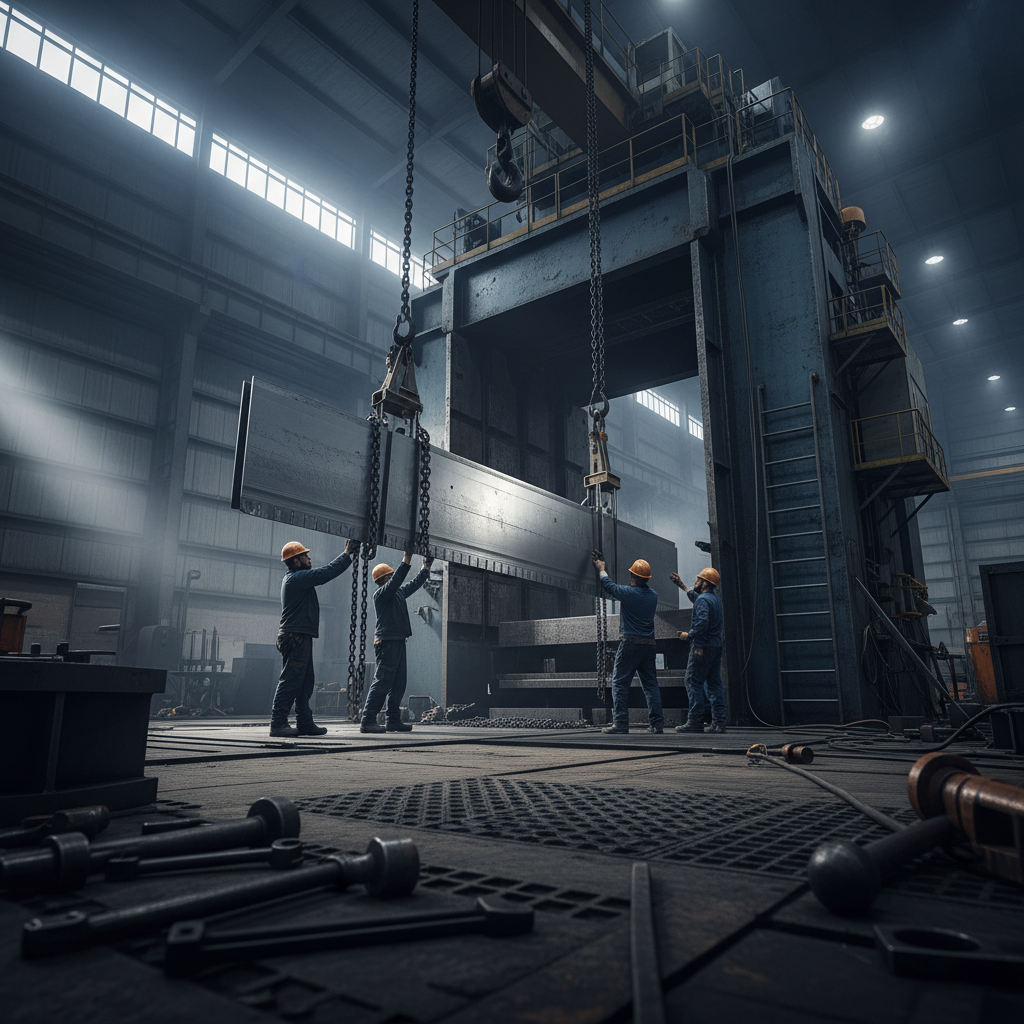
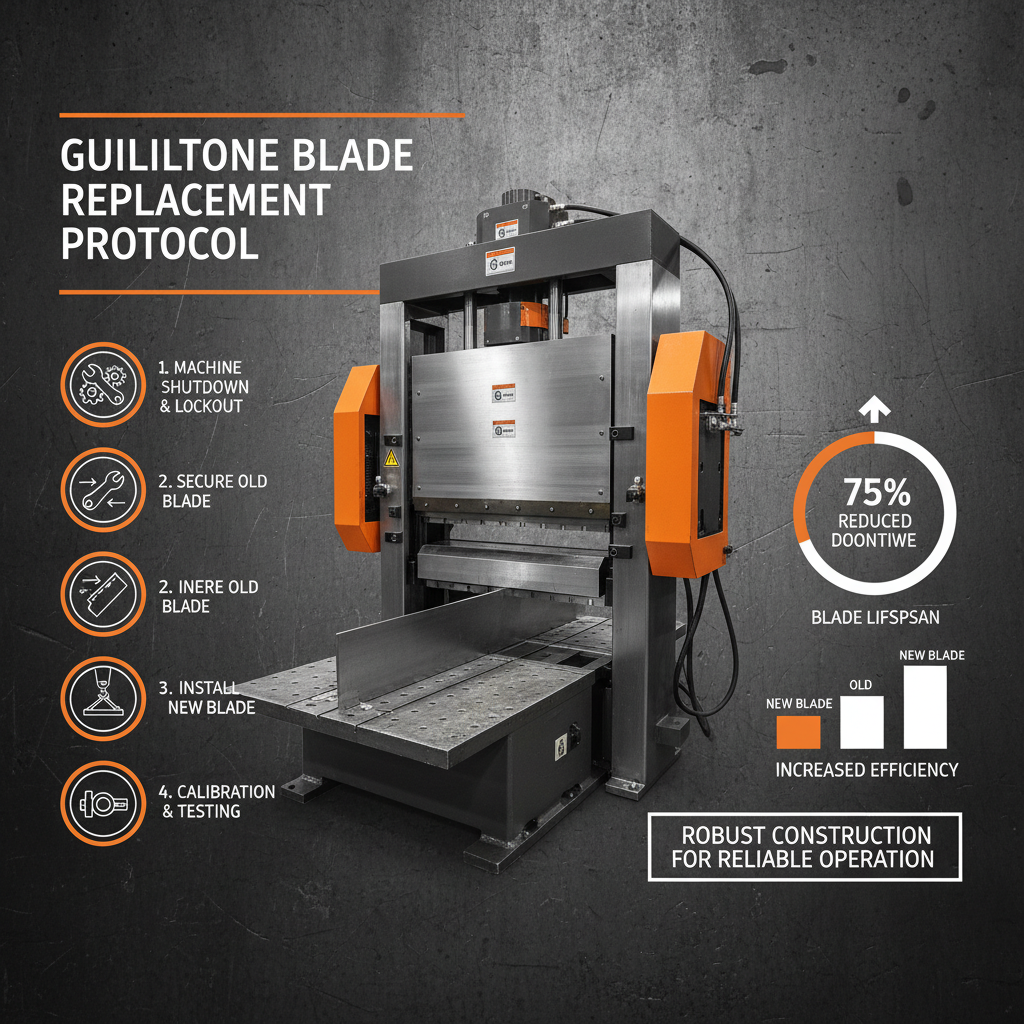
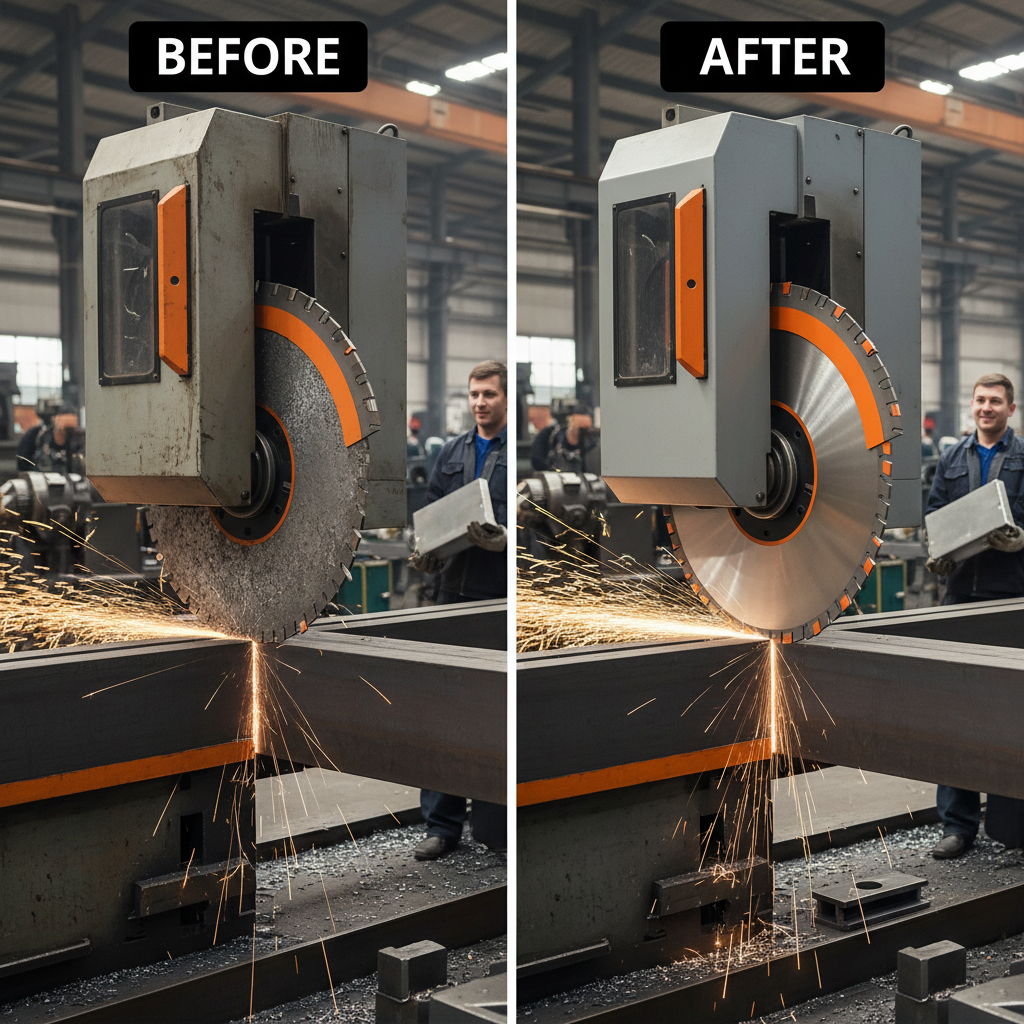
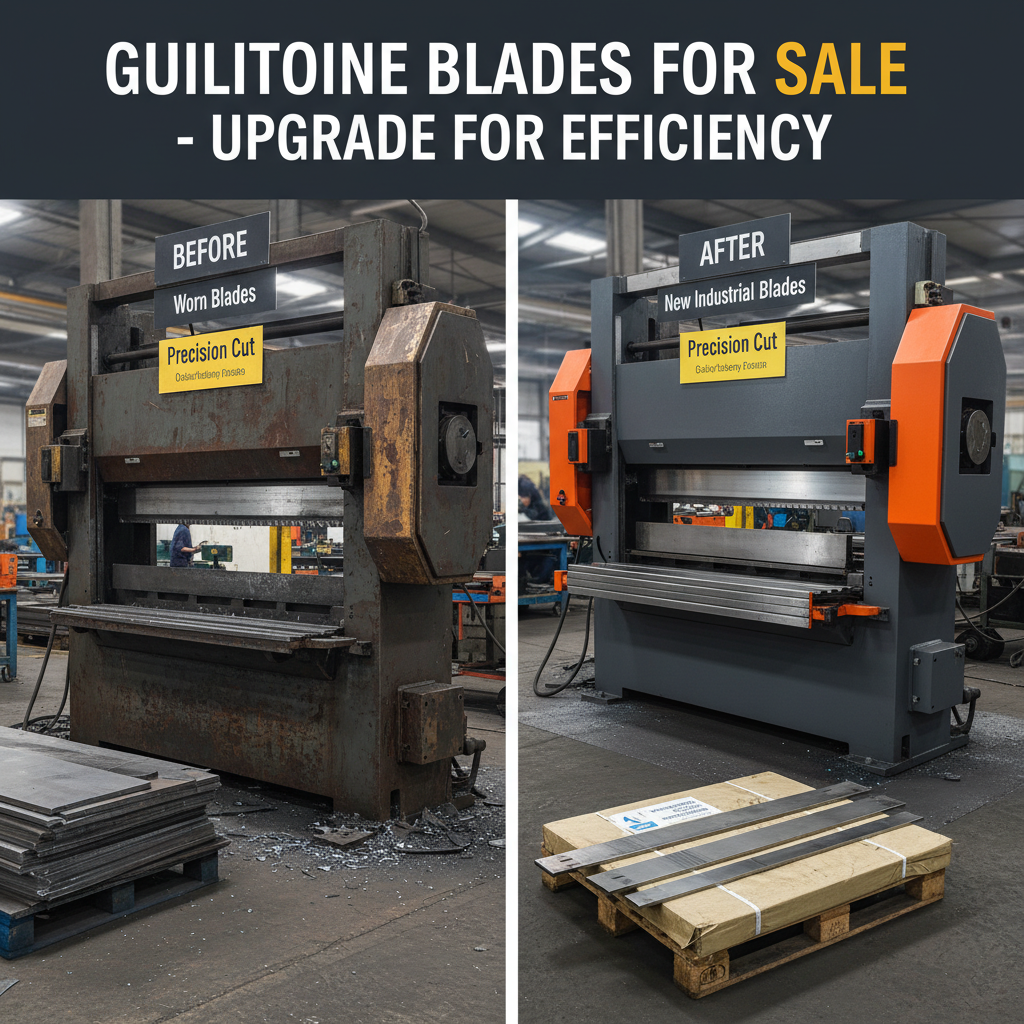
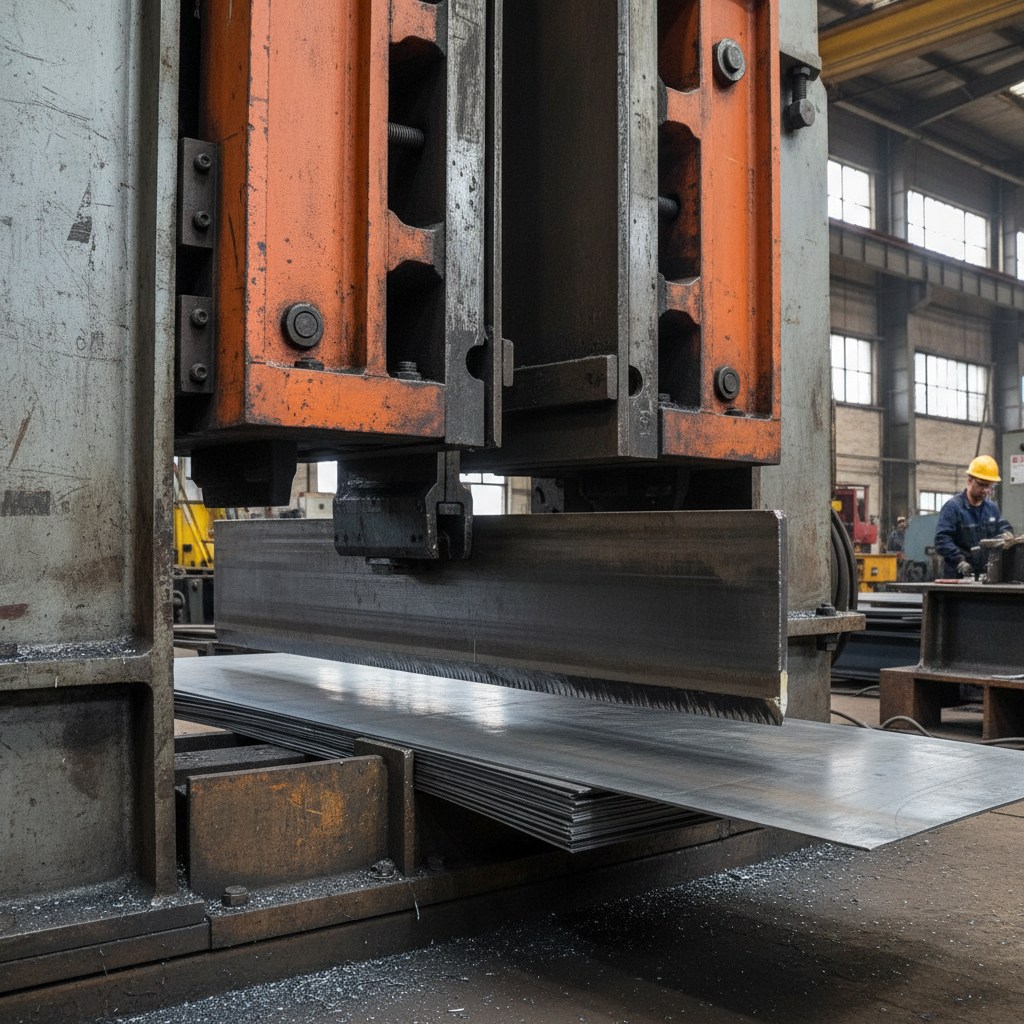
Guillotine blade replacement isn't just a maintenance task; it's a cornerstone of operational safety and efficiency across industries relying on precise cutting. From paper mills and plastic processing to textile manufacturing and even specialized recycling plants, the guillotine cutter remains a vital piece of equipment. Regular, effective blade replacement isn't about avoiding downtime—though that’s certainly important—it’s about maintaining consistent cut quality, minimizing waste, and, most critically, preventing potentially catastrophic accidents. We've seen too many operations pushing blades past their limits, sacrificing safety for short-term gains. That's a gamble no one should take.
The challenge often lies in finding the right balance between cost-effectiveness and blade performance. Cheap blades might seem appealing upfront, but they often dull quickly, leading to increased force required for cuts, uneven edges, and ultimately, more frequent replacements. And let’s be real, a dull blade is a safety hazard waiting to happen. What we often see in the field is facilities underestimating the true cost of downtime associated with blade failure, and the ripple effects of inconsistent product quality. The investment in a quality blade, coupled with a proactive replacement schedule, almost always pays for itself.
Beyond the immediate operational concerns, responsible guillotine blade replacement is increasingly tied to sustainability efforts. Proper disposal of worn blades, especially those containing specialized alloys, is critical to minimizing environmental impact. Many facilities are now exploring blade recycling programs, and manufacturers are responding with more eco-friendly blade materials and designs. It's a trend we're actively supporting because doing the right thing is good business, too.
The Core Principles of guillotine blade replacement
At its heart, effective guillotine blade replacement isn't just swapping out a worn piece of steel. It’s about understanding the specific demands of the cutting application and selecting the right blade material and geometry. Different materials, from paper to thick cardboard, require different blade profiles for optimal performance and longevity. We’ve seen operations get away with using a ‘one size fits all’ approach, but it always results in compromises somewhere – either in cut quality, blade life, or safety.
A critical principle often overlooked is proper blade storage and handling. Blades should be stored in a protected environment to prevent corrosion and damage. And when installing a new blade, it's crucial to follow the manufacturer's instructions carefully, ensuring proper alignment and tension. I've walked into facilities where blades are just tossed onto a workbench, then haphazardly installed. It's a recipe for disaster, and a clear sign of a lack of respect for the equipment and the people operating it.
Understanding the Global Impact of guillotine blade replacement
The need for reliable guillotine blade replacement isn't confined to developed nations. Globally, industries like paper and packaging, textiles, and even food processing are heavily reliant on these machines. In developing economies, where access to advanced manufacturing technologies may be limited, the reliable operation of guillotine cutters is even more crucial. A broken-down cutter can disrupt entire supply chains and impact livelihoods.
Consider the paper recycling industry – a rapidly growing sector worldwide. Efficient blade performance is paramount for processing large volumes of waste paper. Dull blades increase energy consumption, reduce throughput, and generate more waste. This has a direct impact on the environmental sustainability of recycling operations, a factor that’s becoming increasingly important to consumers and regulators alike. The UN Sustainable Development Goals highlight the need for responsible consumption and production, and efficient guillotine blade replacement plays a small but significant role in achieving those goals.
Furthermore, ISO standards for quality control often dictate stringent requirements for cut accuracy and consistency. Businesses operating in global markets must adhere to these standards to remain competitive. Regular guillotine blade replacement is not simply a maintenance requirement; it's a crucial aspect of quality assurance and compliance.
Defining guillotine blade replacement: Beyond the Cut
Guillotine blade replacement goes far beyond simply swapping out a dull blade for a new one. It encompasses a holistic approach to cutter maintenance, encompassing blade inspection, proper storage, correct installation, and responsible disposal. It’s about understanding the entire lifecycle of the blade and optimizing it for peak performance and safety.
The connection to modern industry is clear: precision cutting is a fundamental requirement in countless manufacturing processes. But beyond that, guillotine blade replacement has a vital role in humanitarian efforts. In disaster relief operations, for example, quickly and accurately cutting materials like tarpaulin, cardboard, or fabric is essential for creating temporary shelters and distributing aid. A reliable cutter can be a lifesaver in these situations.
We're seeing a shift from reactive maintenance – waiting for a blade to fail – to proactive replacement schedules based on cutting volume and material type. This approach minimizes downtime, reduces the risk of accidents, and ensures consistent product quality. It's a simple concept, but it requires a commitment to data tracking and careful planning.
Key Factors Influencing guillotine blade replacement Performance
Several key factors dictate how often you’ll need to consider guillotine blade replacement. First, Material Hardness plays a huge role. Cutting through abrasive materials like coated paper or plastics drastically reduces blade life. Then there’s Cutting Volume. The more cuts you make, the faster the blade wears down – it’s simple physics.
Blade Material is critical. High-carbon steel is common, but specialized alloys like tungsten carbide offer significantly longer life, especially for demanding applications. Finally, Maintenance Practices – regular cleaning, lubrication, and proper blade alignment – can extend blade life and improve cutting performance. Neglecting these basics is a surefire way to shorten blade lifespan.
guillotine blade replacement Performance Factors
Global Applications and Industries Relying on guillotine blade replacement
Guillotine cutters, and therefore the need for regular blade replacement, are pervasive across numerous sectors. The Paper and Packaging Industry is a prime example – they rely on high-precision cuts for everything from cardboard boxes to magazines. In Textile Manufacturing, guillotine cutters are essential for fabric cutting, especially in high-volume production.
We see significant demand in the Printing Industry, where accurate paper trimming is crucial for bookbinding and other finishing processes. And increasingly, the Recycling Industry utilizes these machines to process waste materials. In post-disaster relief operations, portable guillotine cutters, along with readily available blade replacements, are invaluable for rapidly creating shelters and distributing supplies.
The Advantages of Proactive guillotine blade replacement
The benefits of proactively managing guillotine blade replacement are substantial. Reduced downtime, improved cut quality, enhanced operator safety, and minimized material waste all contribute to significant cost savings. A sharp blade requires less force to cut, reducing wear and tear on the machine itself.
Beyond the tangible benefits, there’s a strong ethical component. A well-maintained cutter with sharp blades improves worker safety and reduces the risk of accidents. It fosters a culture of safety and demonstrates a commitment to employee well-being, which ultimately builds trust and improves morale.
Future Trends in guillotine blade replacement Technology
We're witnessing a shift towards smart blade technology, incorporating sensors that monitor blade wear and provide real-time data on performance. This will allow for even more precise and proactive blade replacement schedules, minimizing downtime and maximizing efficiency.
Another trend is the development of more sustainable blade materials, utilizing recycled content and reducing the environmental impact of blade disposal. Automation is also playing a role, with robotic systems designed to safely and efficiently replace blades, reducing operator exposure to hazards.
Digital twins, virtual representations of the physical cutter, are being used to simulate blade wear and predict optimal replacement intervals. This technology, combined with machine learning algorithms, promises to revolutionize blade management and optimize cutting operations.
Core Factors in guillotine blade replacement Management
| Blade Material |
Replacement Frequency |
Cost of Replacement |
Impact on Cut Quality |
| High-Carbon Steel |
Every 20,000 Cuts |
$50 - $100 |
Good, but declines rapidly with wear |
| Tungsten Carbide |
Every 80,000 Cuts |
$200 - $400 |
Excellent, maintains consistency longer |
| Powder Metallurgy Steel |
Every 40,000 Cuts |
$120 - $250 |
Very Good, offers a balance of cost and performance |
| Cryogenically Treated Steel |
Every 30,000 Cuts |
$80 - $150 |
Improved Hardness and Durability |
| Coated Steel (Titanium Nitride) |
Every 50,000 Cuts |
$150 - $300 |
Enhanced Wear Resistance and Reduced Friction |
| Diamond-Coated Steel |
Every 150,000 Cuts |
$500 - $1000 |
Exceptional Durability and Performance, ideal for abrasive materials |
FAQS
The frequency of guillotine blade replacement depends heavily on the materials you're cutting, the volume of cuts, and the blade material. Generally, you should inspect blades regularly for signs of dullness, chipping, or damage. A good rule of thumb is to replace blades when you notice increased cutting force, uneven edges, or a decline in cut quality. Tracking your cutting volume can help establish a proactive replacement schedule.
The best blade material depends on the materials you’re cutting. High-carbon steel is a good all-around option for general use, but tungsten carbide is superior for abrasive materials like coated paper or plastics. Powder metallurgy steels offer a good balance of cost and performance. Consider the volume of cuts and the desired lifespan when making your decision.
Safety is paramount. Always disconnect the power supply to the cutter before attempting blade replacement. Wear appropriate personal protective equipment, including gloves and eye protection. Follow the manufacturer's instructions carefully for blade removal and installation. Ensure the blade is properly aligned and secured before restoring power.
Used guillotine blades should be disposed of responsibly. Many blades contain specialized alloys that can be harmful to the environment. Check with your local recycling facilities or waste management services to see if they accept used blades. Some manufacturers offer blade recycling programs as well.
Absolutely. A dull blade requires more force to cut, which puts strain on the machine's motor, bearings, and other components. This can lead to premature wear and tear, increased energy consumption, and potential breakdowns. A sharp blade ensures smooth, efficient cutting and prolongs the life of your cutter.
Several signs indicate the need for blade replacement. These include increased cutting force, ragged or uneven edges on the cut material, visible chipping or damage to the blade, and a noticeable decline in cut quality. Regular visual inspections are crucial for identifying these issues early on.
Conclusion
In conclusion, guillotine blade replacement is far more than a simple maintenance task. It's a critical component of operational safety, efficiency, and sustainability. By understanding the factors that influence blade performance, implementing proactive replacement schedules, and prioritizing responsible disposal practices, businesses can maximize their return on investment and minimize the risks associated with this essential cutting technology.
Looking ahead, embracing smart blade technology, exploring sustainable materials, and integrating automation will further enhance the efficiency and safety of guillotine cutting operations. We encourage you to prioritize regular blade maintenance and invest in quality blades to ensure the longevity and reliability of your equipment. For all your guillotine blade needs, including replacements and expert advice, visit our website at guillotine blade replacement.