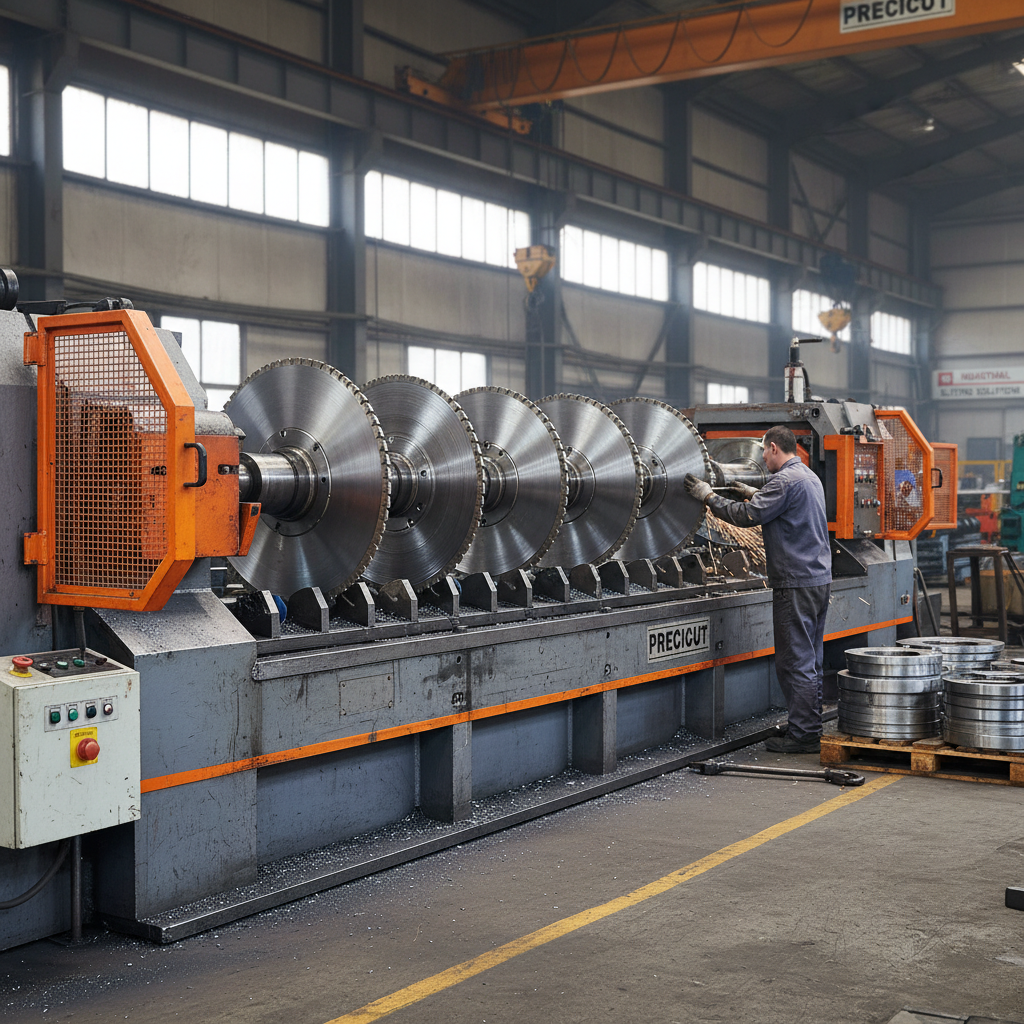
Paper slitting blades are essential components in a vast array of industries, from packaging and printing to textiles and pharmaceuticals. These precision-engineered blades are used to accurately and efficiently cut continuous materials, like paper, plastic film, and non-woven fabrics, into narrower widths. The global demand for these blades is directly linked to the growth of these industries, making them a crucial, yet often overlooked, element of modern manufacturing processes.
The significance of high-quality paper slitting blades extends beyond mere production efficiency. The precision of the cut directly impacts the final product's quality, minimizing waste and ensuring consistent results. As sustainability becomes increasingly important, minimizing material waste through precise slitting is paramount. Innovations in blade materials and coatings are further enhancing performance and extending blade life, contributing to cost savings and reduced environmental impact.
Understanding the nuances of paper slitting blades – their materials, geometries, and applications – is vital for optimizing production processes, maintaining product quality, and adapting to evolving industry demands. This knowledge empowers businesses to select the right blade for their specific needs, maximizing efficiency and minimizing operational costs. Finding reliable suppliers, like paper slitting blades experts, is also essential.
The Importance of Paper Slitting Blades
Paper slitting blades are integral to modern manufacturing, especially within industries reliant on converting large rolls of material into smaller, manageable widths. Without precise and durable blades, production bottlenecks, material waste, and compromised product quality are almost inevitable. Investing in high-quality paper slitting blades is a strategic decision that impacts a company's bottom line and overall operational efficiency.
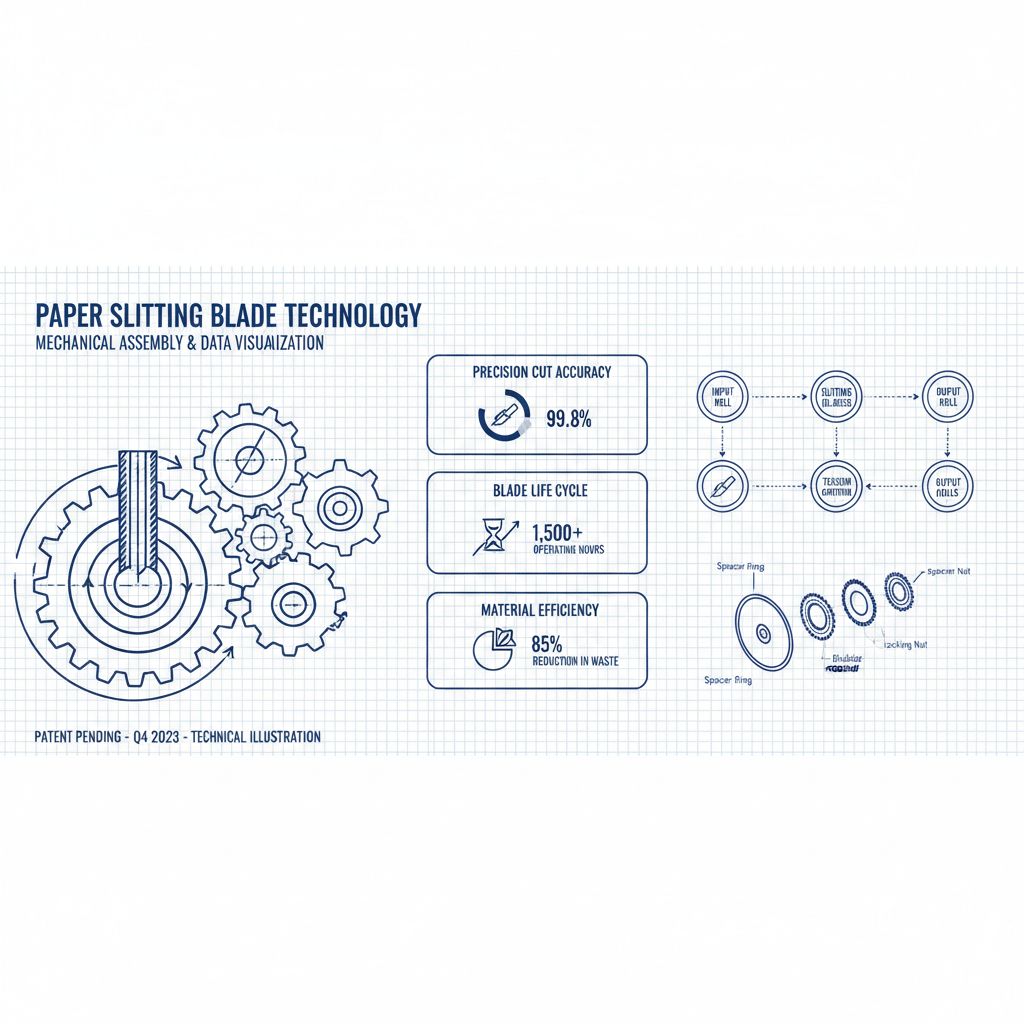
The ability to consistently achieve clean, accurate cuts translates directly to reduced secondary operations – minimizing the need for trimming, reworking, or discarding flawed material. This efficiency gain is particularly crucial in high-volume production environments where even minor improvements can yield significant cost savings over time. Furthermore, the reliability of the blades directly impacts machine uptime and minimizes costly production delays.
Defining Paper Slitting Blades
Paper slitting blades, at their core, are precision cutting tools designed to divide materials into defined widths. They typically consist of a hardened steel body with a highly sharpened cutting edge. These blades aren’t simply metal; they are engineered components designed to withstand high speeds, repetitive stress, and varying material properties. They come in various shapes, sizes, and materials depending on the application.
The function of these blades is fundamental to numerous industries. Consider the production of adhesive tape: large rolls of backing material are slit into the familiar narrow widths found on tape dispensers. Similarly, in paper manufacturing, large paper rolls are slit into the sizes required for printing, writing, and packaging. paper slitting blades are also integral to the production of flexible packaging materials, ensuring consistent dimensions for efficient filling and sealing processes.
Modern slitting blades are evolving beyond simple steel constructions. Coatings like titanium nitride (TiN) and diamond-like carbon (DLC) are applied to enhance hardness, reduce friction, and extend blade life. These advancements are critical in meeting the demands of increasingly abrasive materials and high-speed production lines.
Key Factors Influencing Blade Performance
Several key factors contribute to the overall performance and longevity of paper slitting blades. Blade material is paramount – high-carbon steel, tool steel, and powdered metal alloys are common choices, each offering a unique balance of hardness, toughness, and wear resistance. Selecting the appropriate material based on the material being slit is crucial for maximizing blade life and minimizing downtime.
Blade geometry – including the blade angle, edge radius, and side clearance – also significantly impacts cutting quality and efficiency. A precise blade angle ensures clean separation, while an optimal edge radius reduces stress concentration and prevents premature chipping. Proper side clearance prevents material buildup and ensures smooth operation. Precise grinding and honing are essential for achieving optimal blade geometry.
Finally, the quality of the blade coating, if applied, plays a vital role. Coatings like TiN and DLC enhance hardness, reduce friction, and improve corrosion resistance. However, the coating must be properly applied and bonded to the blade substrate to ensure optimal performance. Regular inspection and maintenance of blades are necessary to guarantee these factors remain optimal.
Core Components of Paper Slitting Blades
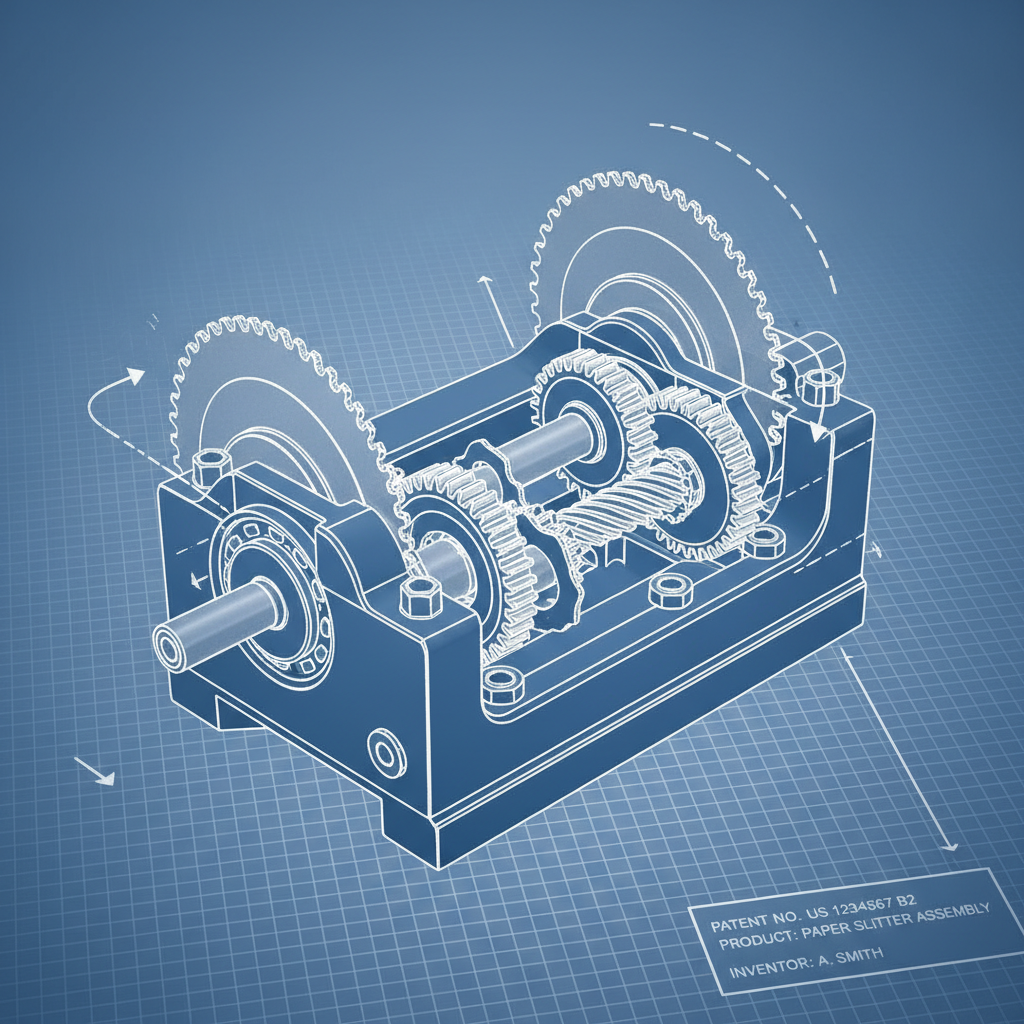
Understanding the components of a paper slitting blade provides insight into their performance characteristics. The blade body, typically constructed from high-carbon steel, provides the structural integrity and supports the cutting edge. The quality of the steel directly influences the blade’s ability to withstand stress and maintain sharpness.
The cutting edge itself is the critical component responsible for the actual slitting action. Its geometry and sharpness determine the quality of the cut. Different edge profiles are used depending on the material being slit, with sharper edges suited for softer materials and more robust edges used for abrasive materials.
Paper Slitting Blade Performance by Method
Global Applications & Industry Uses
The applications of paper slitting blades span numerous industries globally. In the packaging industry, they are essential for converting large rolls of plastic film, paper, and foil into pouches, labels, and flexible packaging materials. The food and beverage sector relies on precise slitting for packaging and labeling, ensuring product integrity and shelf appeal.
The textile industry utilizes paper slitting blades to cut fabrics for clothing, upholstery, and industrial applications. In the printing industry, these blades are critical for slitting paper rolls into the specific sizes needed for various printing processes. paper slitting blades are also found in the manufacturing of medical products, such as bandages and sterile packaging.
Advantages & Long-Term Value Proposition
Investing in high-quality paper slitting blades offers a significant long-term value proposition. Reduced material waste is a primary advantage, as precise cuts minimize scrap and optimize material utilization. Improved product quality is another key benefit, as consistent slitting leads to more uniform products and fewer defects.
Furthermore, durable blades reduce downtime associated with frequent blade changes, boosting production efficiency and lowering maintenance costs. The enhanced safety provided by sharp, well-maintained blades also contributes to a more secure working environment. A commitment to quality blades demonstrates a commitment to both operational efficiency and responsible manufacturing practices.
The reliability of consistent, quality paper slitting blades builds trust with clients, fostering long-term relationships and bolstering a company’s reputation for excellence.
Future Trends & Emerging Technologies
The future of paper slitting blades is focused on innovation in materials, coatings, and blade geometry. Research is underway to develop blades with even higher hardness and wear resistance, extending their lifespan and reducing the frequency of replacements. The incorporation of advanced coating technologies, such as nanocoatings, promises to further enhance blade performance.
Automation and digitalization are also playing a role, with smart blades equipped with sensors that monitor wear and tear, providing predictive maintenance alerts. This proactive approach minimizes downtime and optimizes blade utilization. Sustainability is driving the development of blades made from recycled materials and designed for easier recycling at the end of their life.
The integration of AI-powered blade optimization algorithms promises to tailor blade geometries to specific materials and applications, maximizing efficiency and minimizing waste.
Summary of Key Challenges and Opportunities in Paper Slitting Blade Technology
| Challenge Area |
Current Limitations |
Potential Solutions |
Impact on Paper Slitting Blades |
| Blade Wear & Durability |
Limited lifespan, especially with abrasive materials |
Advanced coatings, novel steel alloys |
Extended blade life, reduced downtime |
| Precision & Accuracy |
Maintaining consistent cut quality over time |
Automated blade sharpening, improved blade geometry control |
Reduced material waste, improved product quality |
| Cost Efficiency |
High cost of premium blades |
Optimized blade designs, sustainable materials |
Lower total cost of ownership |
| Monitoring & Maintenance |
Reactive maintenance schedules |
Smart blades with integrated sensors |
Predictive maintenance, minimized downtime |
| Sustainability |
Environmental impact of blade disposal |
Recycled blade materials, improved recycling processes |
Reduced environmental footprint |
| Blade Customization |
Limited customization options for specific applications |
AI-powered blade design tools, on-demand manufacturing |
Optimized blade performance for diverse materials |
FAQS
Selecting the right paper slitting blades requires careful consideration of several factors, including the type of material being slit, the required cut quality, production speed, and blade lifespan expectations. Material properties like abrasiveness, thickness, and tensile strength influence blade wear. The desired cut edge – clean or rough – also dictates blade geometry. Consider the blade material, coating, and angle for optimal performance.
The frequency of blade replacement depends heavily on usage and material characteristics. Regularly inspect blades for signs of wear, such as chipping, dulling, or corrosion. Monitor cut quality – if you notice tearing, ragged edges, or increased force required for cutting, it's time to replace the blades. Preventive maintenance and consistent inspection schedules are crucial for optimizing blade life and minimizing downtime.
Coated paper slitting blades, often utilizing materials like TiN or DLC, offer several advantages. Coatings enhance blade hardness, reducing wear and extending lifespan, particularly when cutting abrasive materials. They also lower friction, resulting in smoother cuts and reduced energy consumption. Corrosion resistance is another benefit, protecting blades from degradation in harsh environments.
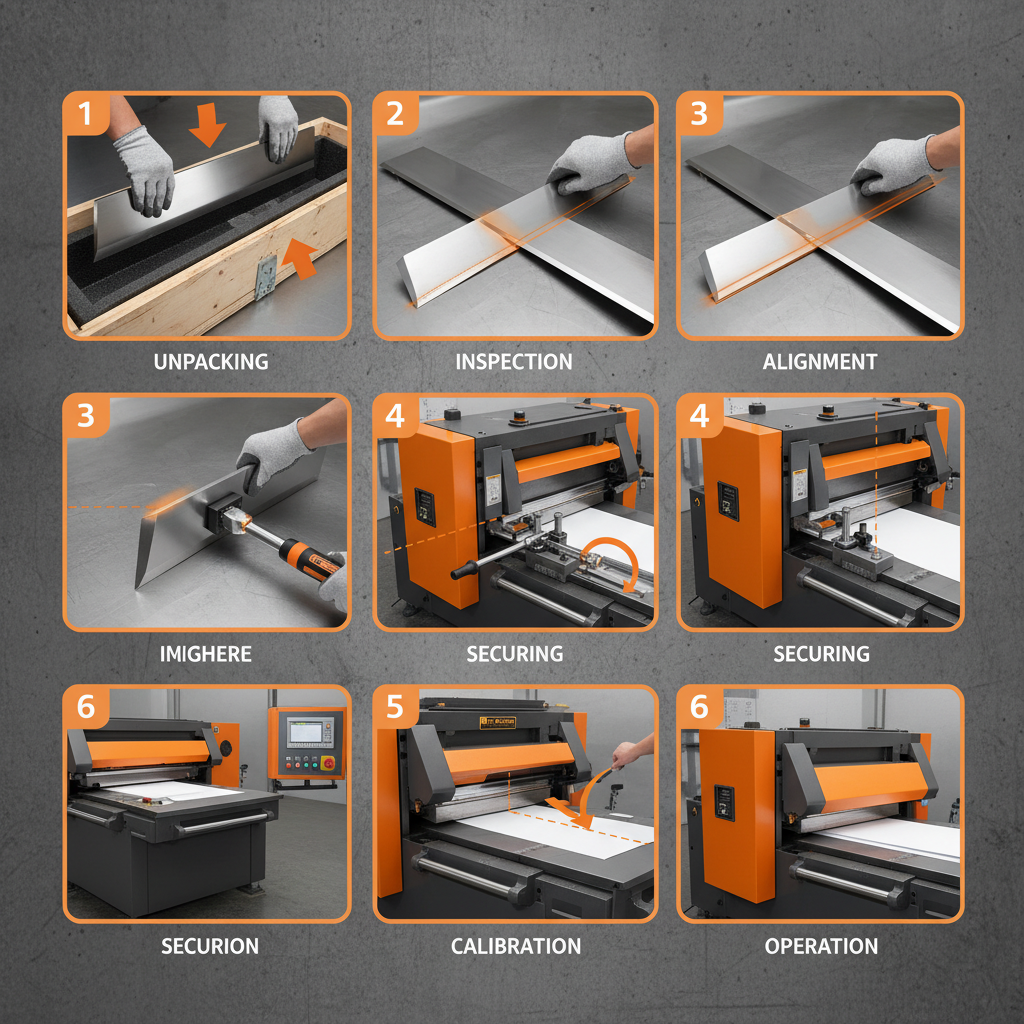
Several practices can extend blade life. Proper blade storage when not in use prevents corrosion and damage. Consistent cleaning removes material buildup and maintains sharpness. Using appropriate blade settings and avoiding excessive force during slitting minimizes stress. Regularly honing or sharpening blades, when possible, can restore their cutting edge. Choosing high-quality blades initially is also crucial.
Blade geometry refers to the shape and angle of the cutting edge. A square edge is suitable for general-purpose slitting, while a beveled edge provides a smoother cut. A tapered edge is ideal for materials that tend to cling to the blade. The blade angle is also critical, with steeper angles offering more cutting force but potentially reducing edge life. Selecting the optimal geometry depends on the specific material and application.
Sourcing from a reputable supplier is essential. Look for companies specializing in precision cutting tools with a proven track record. Consider factors like blade material options, customization capabilities, and after-sales support. paper slitting blades offer a wide selection of high-quality blades tailored to various industries and applications. Prioritize suppliers who offer technical expertise and can assist with blade selection.
Conclusion
In conclusion, paper slitting blades are fundamental to numerous industries, enabling efficient and precise material conversion. Their performance is influenced by a complex interplay of factors, including material composition, blade geometry, and coating technology. Investing in high-quality blades and adopting best practices for maintenance and usage are crucial for maximizing efficiency, reducing waste, and ensuring consistent product quality.
Looking ahead, continued innovation in materials science, automation, and digitalization will drive further advancements in paper slitting blade technology. Embracing these advancements will be key to unlocking new levels of productivity, sustainability, and cost-effectiveness. Visit our website at www.mechblades.com to learn more about our range of precision paper slitting blades and how we can help optimize your operations.