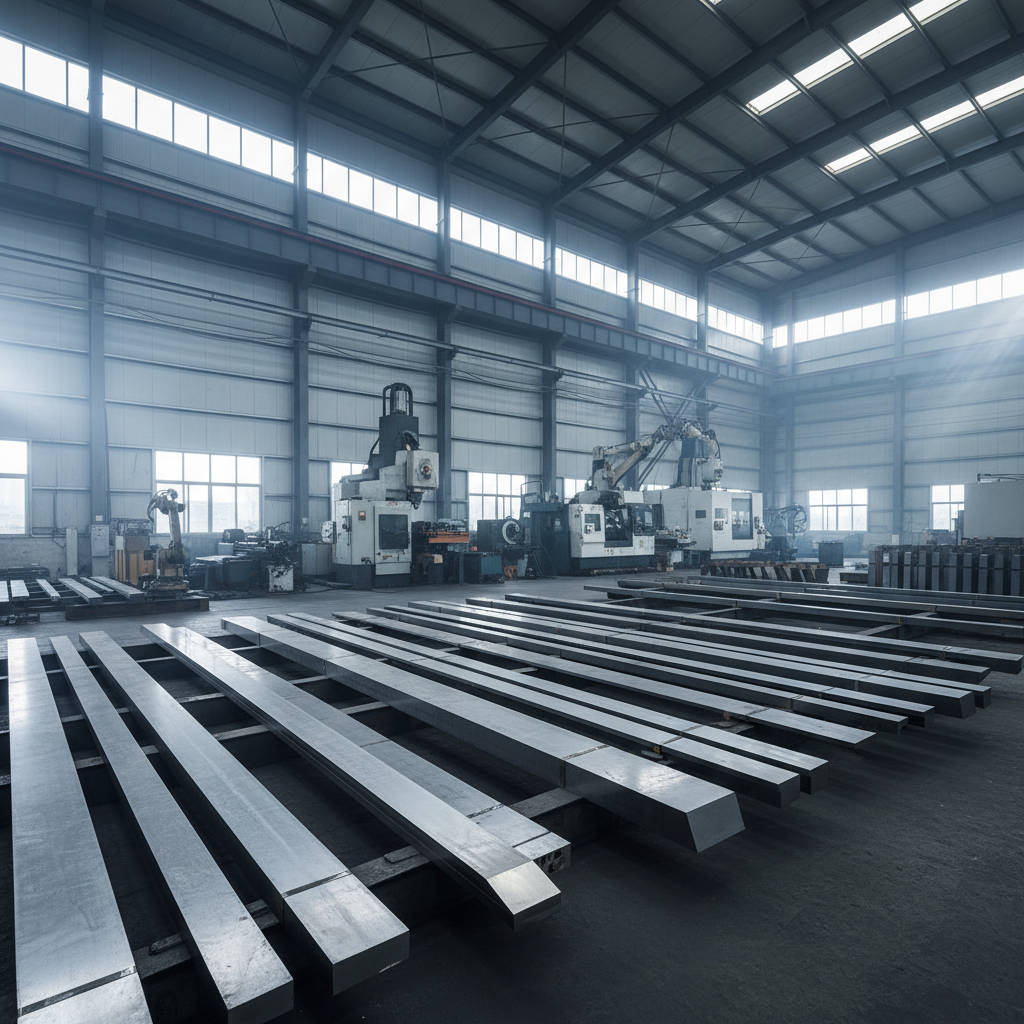
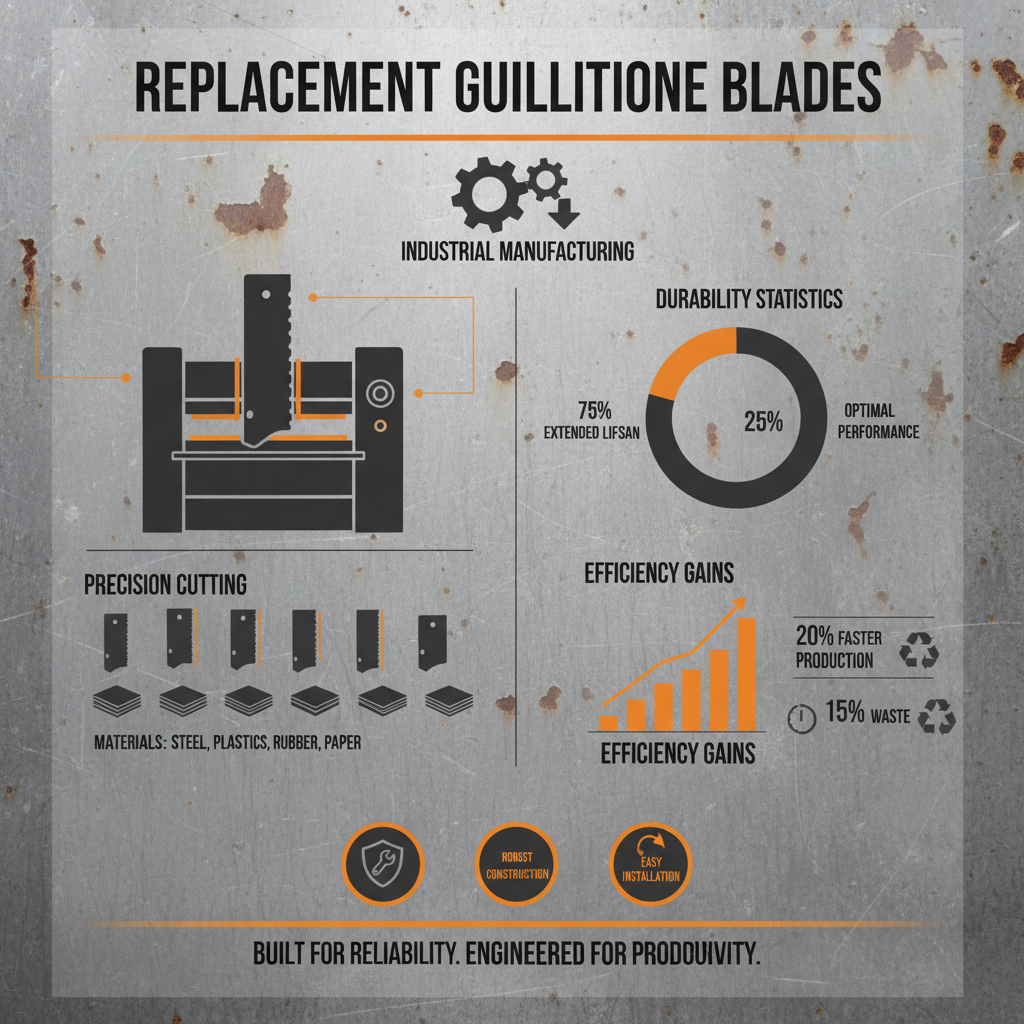
Replacement guillotine blades are critical components in a vast array of industrial processes, ensuring precise and efficient cutting operations. Globally, industries reliant on materials like plastics, steel, paper, and wood depend on consistently high-performing blades. Their timely replacement isn’t just a maintenance task; it’s a key factor in maintaining production output, product quality, and operational safety. Understanding the nuances of replacement guillotine blades is therefore essential for businesses striving for optimal performance and minimizing downtime.
The demand for durable and reliable guillotine blades is directly correlated to global manufacturing output and recycling rates. According to the World Bank, global manufacturing value added reached $19.74 trillion in 2022. This volume necessitates a consistent supply of high-quality cutting tools. Similarly, the increasing emphasis on waste recycling, driven by environmental concerns and regulations (as highlighted by UN Sustainable Development Goals), fuels the need for robust blades in scrap processing facilities. The cost of blade failure, in terms of downtime and material waste, presents a significant challenge for these industries.
Investing in the right replacement guillotine blades translates directly into increased profitability and reduced operational risks. Proper blade selection and timely replacement minimize scrap rates, improve cut quality, and significantly reduce the chance of costly machine breakdowns. This makes it a crucial element of proactive maintenance strategies for businesses across numerous sectors.
The Significance of Replacement Guillotine Blades
The significance of replacement guillotine blades extends beyond simple cutting functionality. A dull or damaged blade significantly increases the force required for cutting, leading to higher energy consumption and increased stress on the machinery. This not only drives up operational costs but also elevates the risk of premature equipment failure and potential safety hazards for operators.
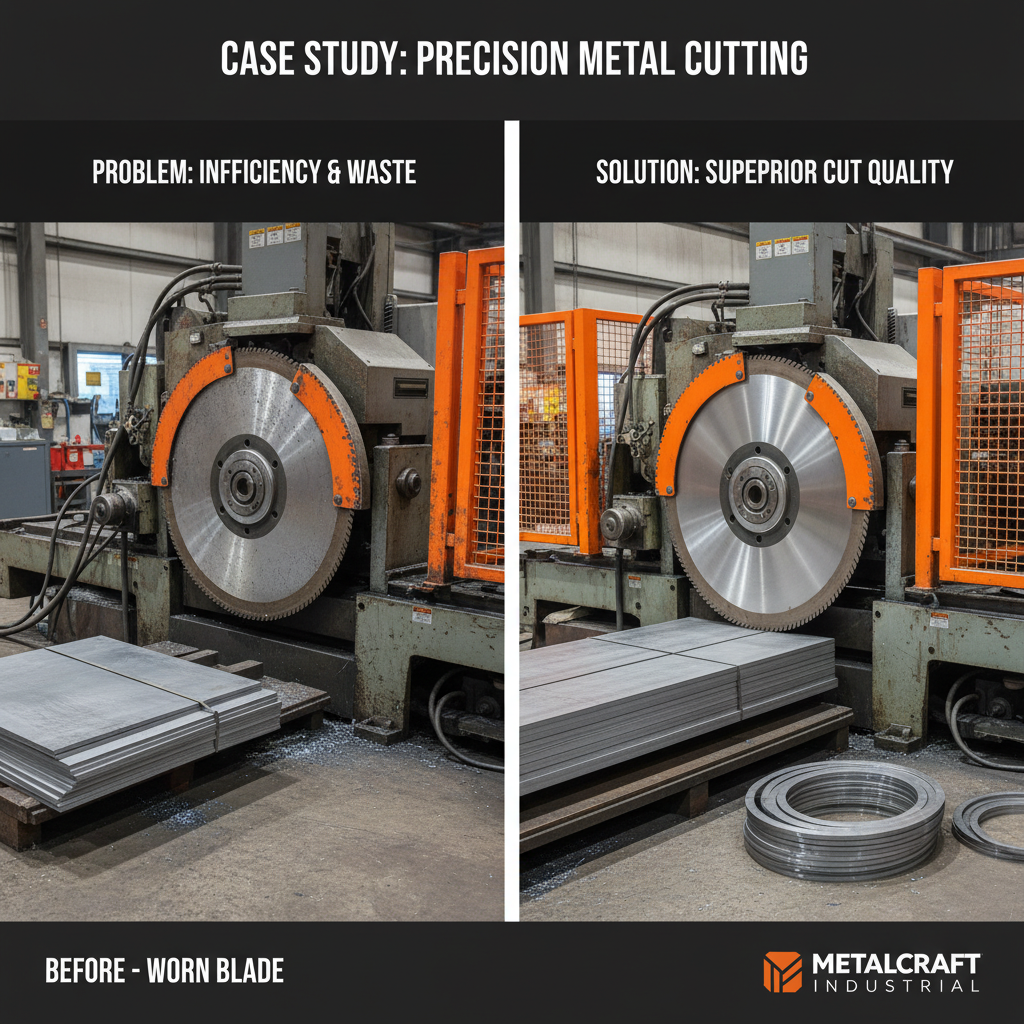
Regular blade replacement ensures consistent cut quality, minimizing waste and maximizing material utilization. This is particularly crucial in industries where precision is paramount, such as paper and plastic processing. Failing to maintain optimal blade sharpness can lead to ragged edges, inconsistent dimensions, and ultimately, rejected product batches.
Defining Replacement Guillotine Blades
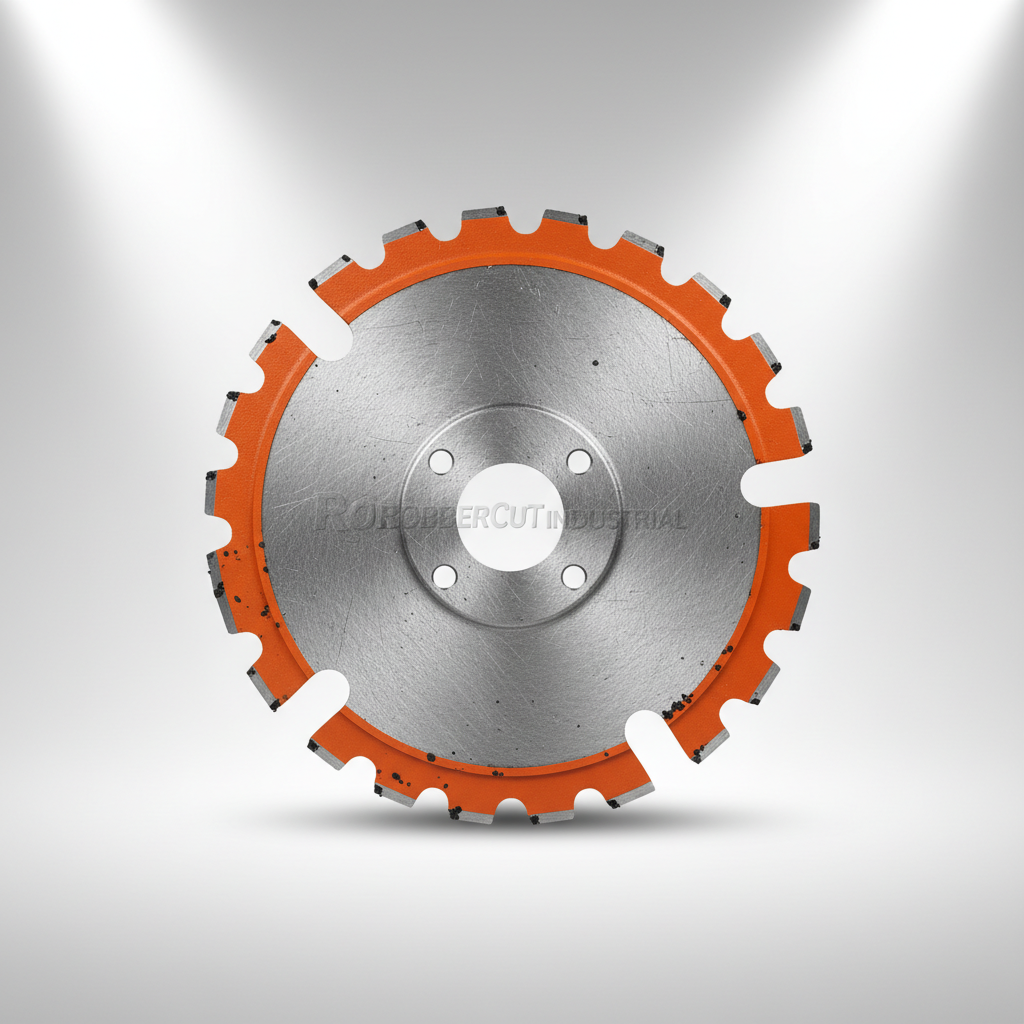
Replacement guillotine blades are precision-engineered cutting tools designed for use in guillotine shears, commonly employed to shear materials such as metal sheets, plastics, rubber, and paper. They are typically manufactured from high-carbon steel or tool steel, and often undergo heat treatment and grinding processes to achieve optimal hardness, sharpness, and durability. They aren't just 'spare parts'; they're integral to process efficiency.
In modern industrial applications, the term 'guillotine blade' often refers to straight-edged blades designed for high-volume cutting. These blades operate through a shearing action, slicing through materials with a concentrated force. The effectiveness of this action is heavily dependent on the blade’s geometry, material composition, and overall condition. Selecting the right blade for a specific application is, therefore, a critical decision.
These blades directly impact both the economic viability and safety standards within a production line. Properly maintained and regularly replaced replacement guillotine blades are essential for minimizing downtime, reducing waste, and ensuring a safe working environment.
Key Factors Influencing Blade Performance
Several key factors determine the performance and longevity of replacement guillotine blades. First and foremost is the Blade Material. High-carbon steel offers excellent hardness and wear resistance, while tool steel alloys provide enhanced toughness and resistance to deformation. The appropriate material selection hinges on the specific materials being cut and the operating conditions.
Another crucial factor is Blade Geometry. The blade angle, rake, and clearance all impact cutting efficiency and edge retention. A well-designed blade geometry minimizes cutting resistance, reduces heat generation, and ensures a clean, accurate cut. Different materials require different geometries to optimize performance. Blade Hardness is also vital, as it dictates the blade’s resistance to wear and deformation. Optimal hardness is achieved through precise heat treatment processes.
Finally, Blade Sharpness is paramount. A sharp blade requires less force to cut, resulting in reduced energy consumption and improved cut quality. Regular honing or sharpening is essential to maintain optimal sharpness. The frequency of sharpening depends on the abrasive nature of the materials being cut and the volume of production. Properly maintained replacement guillotine blades are inherently safer and more productive.
Applications Across Industries
The versatility of guillotine blades means they are used across a surprisingly broad spectrum of industries. In the Paper Industry, they are indispensable for trimming paper rolls and sheets with precision. The Plastic Processing Industry relies on them for cutting plastic films, sheets, and profiles.
The Steel Mills utilize these blades for cutting steel rolls and sheets, ensuring accurate dimensions and minimizing waste. The Waste and Scrap Recycling sector heavily relies on guillotine blades to pre-process materials for efficient recycling. In the Wood Industry, they’re used for trimming lumber and panel products. Even in the Food Processing Industry, specialized stainless steel guillotine blades are employed for cutting certain food products, maintaining hygiene and efficiency.
The mining sector leverages crushing knives in the mining industry (a close relative of guillotine blades) for reducing material size. Finally, the rubber industry employs these blades for precise cutting of rubber sheets and compounds. The specific blade material and geometry will vary depending on the application, but the core principle of shear cutting remains constant.
Blade Replacement Frequency by Industry
Advantages of Premium Replacement Blades
Investing in premium replacement guillotine blades delivers substantial advantages. These benefits extend beyond merely achieving a clean cut, impacting overall operational efficiency and cost savings. Reduced downtime due to fewer blade changes is a significant benefit, leading to increased production capacity.
Furthermore, higher-quality blades consistently deliver cleaner cuts, minimizing material waste and reducing the need for secondary processing. This leads to enhanced product quality and reduced material costs. Improved operator safety is another critical advantage; sharper, more durable blades require less force to operate, reducing the risk of injury.
Future Trends in Guillotine Blade Technology
The future of guillotine blade technology is focused on materials science and advanced manufacturing techniques. Research into new alloy compositions promises blades with significantly increased hardness, wear resistance, and toughness. Developments in coating technologies, such as diamond-like carbon (DLC) coatings, are further enhancing blade durability and performance.
Digital integration is also playing an increasing role, with sensors embedded within blades to monitor wear and predict optimal replacement times. This predictive maintenance approach minimizes downtime and optimizes blade utilization. Automation and robotic blade changing systems are also gaining traction, improving efficiency and reducing operator risk.
Common Challenges and Solutions
One common challenge is identifying the correct blade specification for a particular application. Incorrect blade selection can lead to premature wear, poor cut quality, and even machine damage. The solution is to consult with experienced blade suppliers and provide detailed information about the materials being cut and the operating conditions.
Another challenge is maintaining consistent blade sharpness. Regular honing or sharpening is crucial, but requires specialized equipment and skilled personnel. Outsourcing blade sharpening services to reputable companies can be a cost-effective solution. Proper blade storage and handling are also vital to prevent damage and maintain sharpness.
Finally, ensuring operator safety during blade replacement is paramount. Implementing standardized procedures, providing adequate training, and utilizing appropriate personal protective equipment (PPE) are essential for minimizing the risk of injury. Investing in replacement guillotine blades from trusted suppliers ensures consistent quality and reliability.
Analysis of Factors Affecting Replacement Guillotine Blade Performance
| Blade Material |
Cutting Speed (m/min) |
Wear Resistance (Score 1-10) |
Typical Application |
| High-Carbon Steel |
50-80 |
7 |
Paper & Cardboard |
| D2 Tool Steel |
60-100 |
8 |
Plastic Film & Sheets |
| High-Speed Steel (HSS) |
80-120 |
9 |
Aluminum & Non-Ferrous Metals |
| CPM-M4 High Speed Steel |
70-110 |
9.5 |
Steel Sheets & Profiles |
| Stainless Steel (440C) |
40-70 |
6 |
Food Processing & Hygiene-Sensitive Applications |
| Powder Metallurgy Steel |
90-130 |
10 |
Recycling & Abrasive Materials |
FAQS
The replacement frequency depends heavily on the materials you’re cutting, the volume of production, and the blade material. As a general guideline, inspect blades regularly for signs of wear, such as dulling, chipping, or cracking. Replacing blades before they become severely damaged prevents further machine wear and ensures consistent cut quality. A good starting point is to monitor performance and replace when you notice a decline in cut accuracy or an increase in cutting force.
For cutting plastics, D2 tool steel is often a good choice due to its excellent wear resistance and toughness. However, the specific type of plastic is important. Softer plastics may only require high-carbon steel, while harder, more abrasive plastics benefit from a higher-grade tool steel or stainless steel. Consider also any specific requirements for food-grade applications.
Several indicators suggest blades are dull. These include increased cutting force, ragged or uneven cut edges, material deformation during cutting, and a noticeable increase in noise during operation. Inspecting the blade edge for rounding or chipping is also crucial. A simple test is to try cutting a clean, straight line through a sample material. If the cut is poor, it's likely time for a replacement or sharpening.
Absolutely. Blade replacement is a potentially hazardous operation. Always disconnect the power to the guillotine shear before beginning any maintenance. Wear appropriate personal protective equipment (PPE), including gloves, safety glasses, and potentially a face shield. Follow the manufacturer’s instructions for blade removal and installation. Securely clamp the new blade in place, and double-check all connections before restoring power.
Coated blades, such as those with a DLC (Diamond-Like Carbon) coating, offer significant benefits in terms of wear resistance, reduced friction, and extended blade life. The coating minimizes adhesion of materials to the blade surface, resulting in cleaner cuts and reduced downtime. This is particularly valuable when cutting abrasive materials or operating in high-volume production environments.
Choosing a reputable supplier is crucial. Look for suppliers with a proven track record of providing high-quality blades and excellent customer service. Mechblades specializes in providing durable, precision-engineered guillotine blades for a wide range of industrial applications. Ensure the supplier offers the correct blade specifications for your specific guillotine shear and material requirements.
Conclusion
In conclusion, replacement guillotine blades are a cornerstone of efficient and safe operation across numerous industries. Understanding the factors influencing blade performance – material, geometry, sharpness, and application – is critical for optimizing cutting processes, minimizing downtime, and maximizing profitability. Proactive blade maintenance and timely replacement are not merely costs, but investments in overall operational excellence.
Looking ahead, advancements in materials science and digital technology promise even more durable, intelligent, and efficient guillotine blades. Staying informed about these trends and partnering with reliable suppliers like Mechblades will be essential for businesses seeking to maintain a competitive edge. Visit our website today to explore our comprehensive range of replacement guillotine blades and find the perfect solution for your needs: www.mechblades.com.