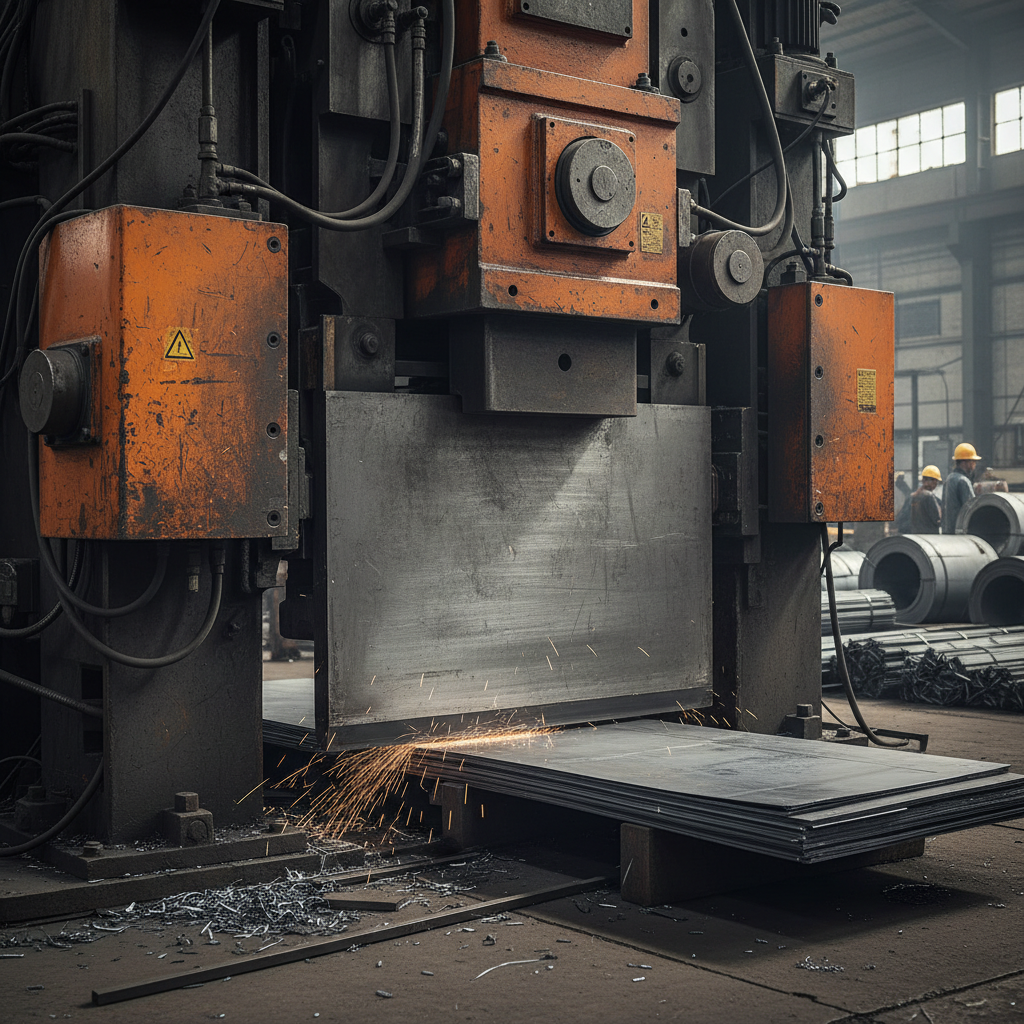
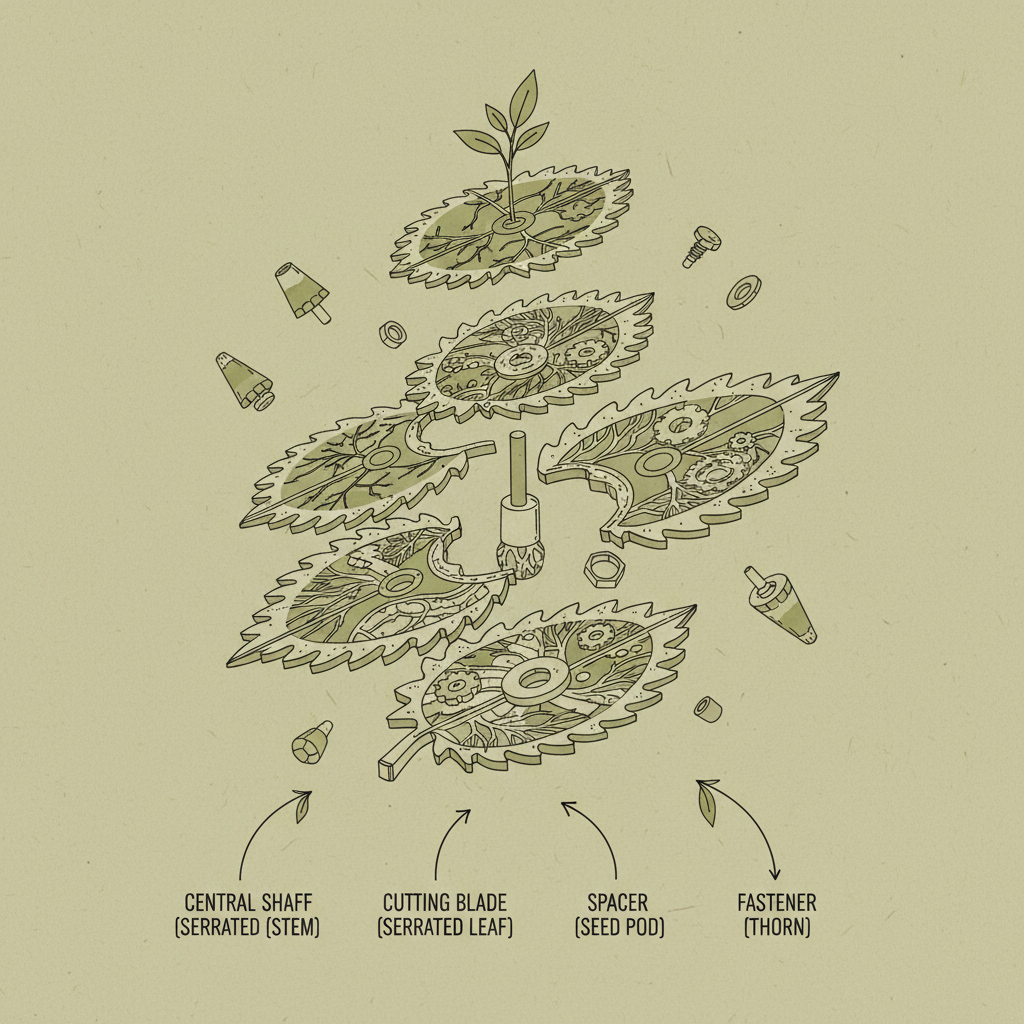
Guillotine paper cutter blade replacement is a critical aspect of maintaining precision and efficiency in the paper industry, impacting everything from commercial printing to personalized document creation. The quality of the blade directly influences the cleanliness of the cut, reducing paper waste and ensuring professional-looking results. Neglecting timely guillotine paper cutter blade replacement can lead to jagged edges, paper jams, and even damage to the cutter itself, resulting in costly downtime and reduced productivity. This process, though seemingly simple, is a cornerstone of smooth operational flow in many businesses.
The global demand for accurately cut paper products remains consistently high, driven by the continued need for printed materials despite the rise of digital media. Statistics from the UN show that paper consumption, while evolving, remains significant, particularly in emerging economies. Industries reliant on precise paper cutting—such as publishing, packaging, and graphic design—face constant pressure to optimize their processes. This makes efficient and reliable guillotine paper cutter blade replacement a vital component of maintaining competitiveness and meeting customer expectations.
The challenge lies in identifying the right blade material, ensuring proper installation, and establishing a consistent replacement schedule. Many businesses struggle with understanding blade wear patterns and selecting the optimal blade for their specific paper types and cutting volumes. This often results in premature blade failure, increased costs, and compromised cutting quality, highlighting the need for specialized expertise and readily available, high-quality replacement blades.
The Significance of Guillotine Paper Cutter Blade Replacement
Regular guillotine paper cutter blade replacement isn't merely a maintenance task; it's a proactive strategy to prevent larger, more expensive issues. Dull blades require more force to operate, placing strain on the machine's mechanics and potentially leading to breakdowns. This increased force also contributes to operator fatigue and a higher risk of accidents. Prioritizing blade health is, therefore, directly linked to workplace safety and reduced operational costs.
Furthermore, the consistency of the cut is paramount in many applications. A sharp blade ensures clean, precise edges, which is essential for professional-quality finished products. Whether it’s brochures, business cards, or packaging materials, the quality of the cut reflects directly on the brand image and customer perception. Investing in quality blade replacements is an investment in the overall quality of the final product.
Understanding Guillotine Paper Cutter Blade Replacement
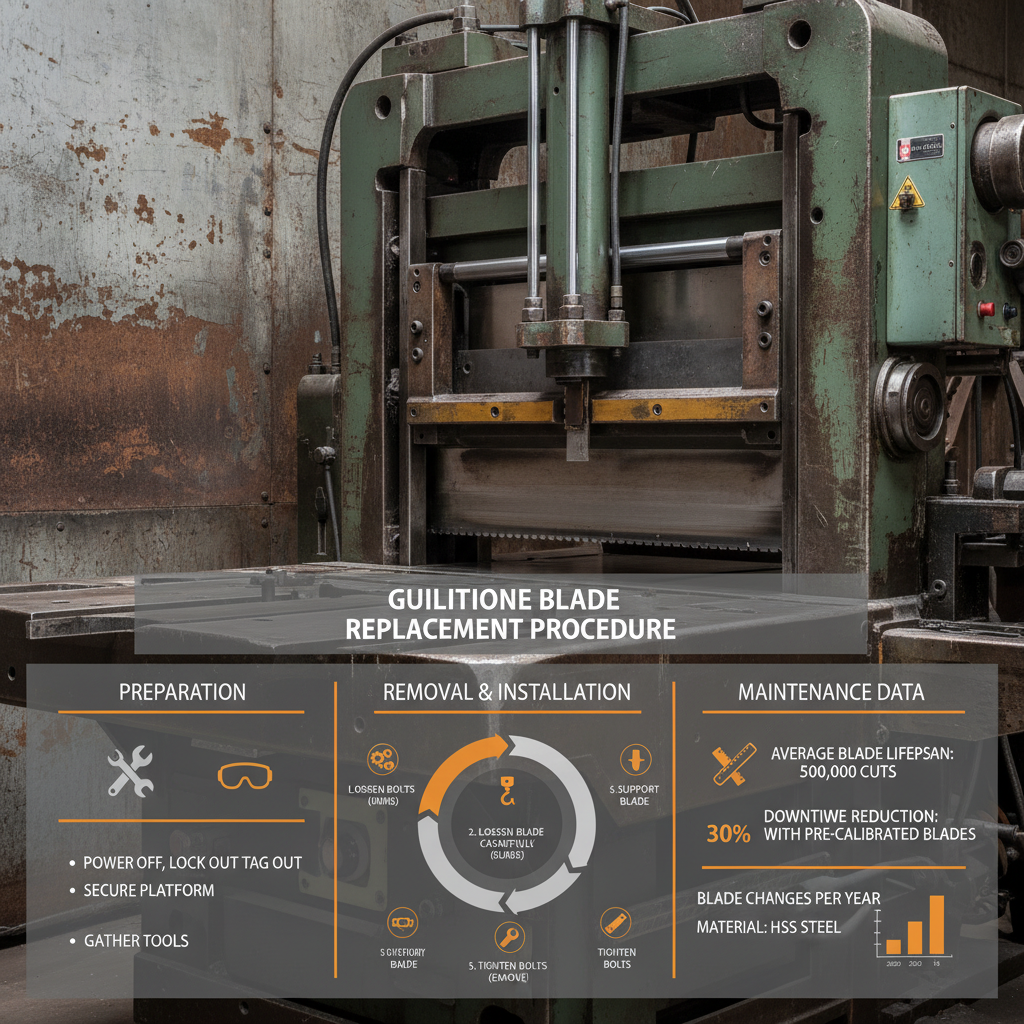
Guillotine paper cutter blade replacement refers to the process of removing and installing new blades in a guillotine paper cutter, a large machine used for precise and efficient paper cutting. This process involves carefully loosening the blade clamps, removing the worn blade, and installing a new, sharp blade, ensuring correct alignment and tightening the clamps securely. It’s a task that demands precision and adherence to safety protocols.
The connection to modern industry and humanitarian needs is indirect but substantial. Efficient paper processing, facilitated by properly maintained cutters and blades, supports countless industries, including publishing, printing, packaging, and even education. In disaster relief, accurate document reproduction and distribution are crucial for effective communication and coordination. Reliable cutting tools contribute to the smooth flow of information in times of crisis.
Choosing the right blade material – typically high-carbon steel or specialized alloys – is critical. The material determines the blade's durability, sharpness, and resistance to wear. Factors such as the type of paper being cut, the cutting volume, and the cutter’s specifications all influence the optimal blade selection. Understanding these factors is fundamental to achieving peak performance and maximizing blade lifespan.
Key Factors Influencing Blade Performance
Durability: The blade's ability to withstand repeated use without losing its sharpness is paramount. High-quality steel alloys and proper heat treatment processes contribute significantly to blade durability. A durable blade minimizes downtime and reduces the frequency of guillotine paper cutter blade replacement.
Sharpness: An incredibly sharp blade is essential for clean, precise cuts. Sharpness minimizes paper fibers and tearing, resulting in a professional finish. Regular inspection and timely replacement are key to maintaining optimal sharpness. The cutting edge geometry also plays a crucial role in sharpness retention.
Material Composition: Different blade materials—like high-carbon steel, tungsten carbide, and powder metallurgy alloys—offer varying levels of hardness, wear resistance, and corrosion resistance. Selecting the appropriate material based on the types of paper being cut is crucial for maximizing blade lifespan and performance.
Global Applications of Precision Cutting
Precision cutting, enabled by effective guillotine paper cutter blade replacement, is fundamental across a diverse range of industries worldwide. The publishing industry relies heavily on accurate cutting for book production and magazine printing, ensuring professional presentation and readability. Similarly, the packaging industry uses precise cuts for creating boxes, labels, and promotional materials.
In graphic design and print shops, accurate paper cutting is critical for creating high-quality brochures, flyers, and marketing collateral. In regions with thriving printing sectors—such as China, Germany, and the United States—demand for reliable cutting solutions and replacement blades remains consistently high. The financial printing sector also depends on this precision for documents with critical regulatory requirements.
Even in non-traditional contexts, such as the production of maps and charts for navigation or the creation of artwork using paper as a medium, precise cutting techniques are essential. Furthermore, specialized applications in industries like textiles and leather often utilize similar cutting technologies, demonstrating the broad applicability of precision blade technology globally.
guillotine paper cutter blade replacement Method Comparison
Advantages of Optimal Blade Replacement
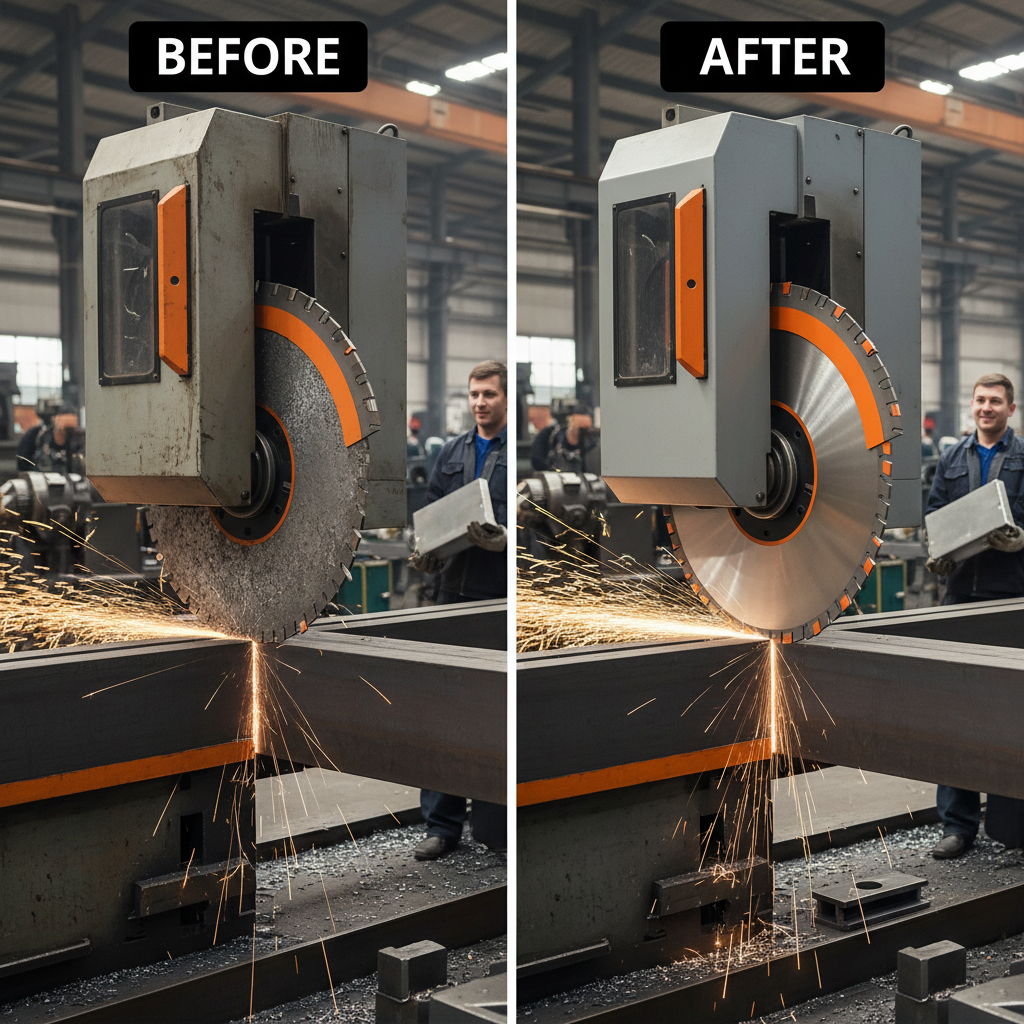
Regular guillotine paper cutter blade replacement translates directly into cost savings. Sharp blades reduce paper waste by minimizing ragged edges and miscuts, leading to less unusable material. They also decrease machine downtime caused by jams or breakdowns, boosting overall productivity.
Sustainability is another significant benefit. Reducing paper waste through precise cutting contributes to responsible resource management and minimizes environmental impact. Choosing durable, long-lasting blades also reduces the frequency of replacements, further lessening the environmental footprint.
Future Trends in Cutting Technology
The future of cutting technology is leaning toward automation and smarter blade designs. Automated blade changing systems are emerging, minimizing downtime and reducing the risk of operator injury. Furthermore, research into self-sharpening blade materials and coatings is underway, promising longer blade lifespans and reduced maintenance requirements.
Digital integration is also playing a role. Sensors embedded in blades could provide real-time data on wear and tear, allowing for predictive maintenance and optimized replacement schedules. This data-driven approach will further enhance efficiency and minimize operational costs. The convergence of robotics, materials science, and data analytics is poised to revolutionize the cutting industry.
Furthermore, a growing emphasis on eco-friendly blade materials and manufacturing processes reflects a broader industry trend toward sustainability. Biodegradable or recyclable blade options are being explored to minimize environmental impact and promote responsible resource management.
Common Challenges and Innovative Solutions
One common challenge is accurately assessing blade wear. Visual inspection can be subjective, and relying solely on operator feedback can be unreliable. Innovative solutions include the development of blade wear sensors and image analysis systems that provide objective data on blade condition.
Another challenge is ensuring proper blade alignment during replacement. Misaligned blades can produce inaccurate cuts and even damage the machine. Self-aligning blade clamps and guided installation systems are being developed to simplify the replacement process and ensure optimal alignment.
Finally, sourcing high-quality blades from reputable suppliers can be difficult. Counterfeit or substandard blades can compromise cutting performance and pose a safety risk. Establishing strong relationships with trusted suppliers and implementing rigorous quality control procedures are essential for mitigating this risk.
Summary of Challenges & Solutions for Guillotine Paper Cutter Blade Replacement
| Challenge |
Impact on Operations |
Proposed Solution |
Implementation Cost (1-10) |
| Inaccurate Blade Wear Assessment |
Premature or Delayed Blade Replacement |
Blade Wear Sensors & Image Analysis |
7 |
| Incorrect Blade Alignment |
Poor Cut Quality & Machine Damage |
Self-Aligning Blade Clamps |
6 |
| Sourcing Low-Quality Blades |
Reduced Blade Lifespan & Safety Risks |
Verified Supplier Network & Quality Control |
4 |
| Downtime during Blade Replacement |
Lost Production Time & Revenue |
Automated Blade Changing Systems |
8 |
| Lack of Operator Training |
Improper Installation & Safety Concerns |
Comprehensive Training Programs |
5 |
| Difficulty in Identifying Correct Blade Type |
Incompatibility & Suboptimal Performance |
Digital Blade Selection Guides |
3 |
FAQS
The frequency of guillotine paper cutter blade replacement depends on several factors, including the type of paper being cut, the cutting volume, and the blade material. As a general guideline, inspect the blade regularly for signs of dullness, such as tearing or jagged edges. If you notice these issues, or if the blade is no longer producing clean, precise cuts, it’s time for a replacement. A good starting point is to schedule an inspection every 500-1000 cuts, adjusting as needed based on your specific usage.
The ideal blade material depends on the types of paper you’re cutting. High-carbon steel is a versatile option for general-purpose cutting, while tungsten carbide blades offer superior durability and wear resistance for cutting thicker or more abrasive materials. Powder metallurgy alloys provide a good balance between sharpness and longevity. Consider the paper weight, texture, and coating when selecting the appropriate blade material to maximize performance and lifespan.
Replacing a guillotine paper cutter blade can be dangerous if not done correctly. Guillotine cutters have powerful blades and intricate mechanisms. It’s highly recommended to have a trained technician perform the replacement to ensure safety and proper alignment. If you choose to do it yourself, always disconnect the power supply, wear appropriate safety gear (gloves, eye protection), and carefully follow the manufacturer’s instructions.
Several signs indicate a dull blade. Look for tearing or jagged edges on the cut paper, rather than a clean, crisp edge. You may also notice increased effort required to operate the cutter, as a dull blade requires more force. If the blade is causing paper jams or inconsistent cuts, it’s likely time for a replacement. Regularly inspect the blade visually for chips or damage.
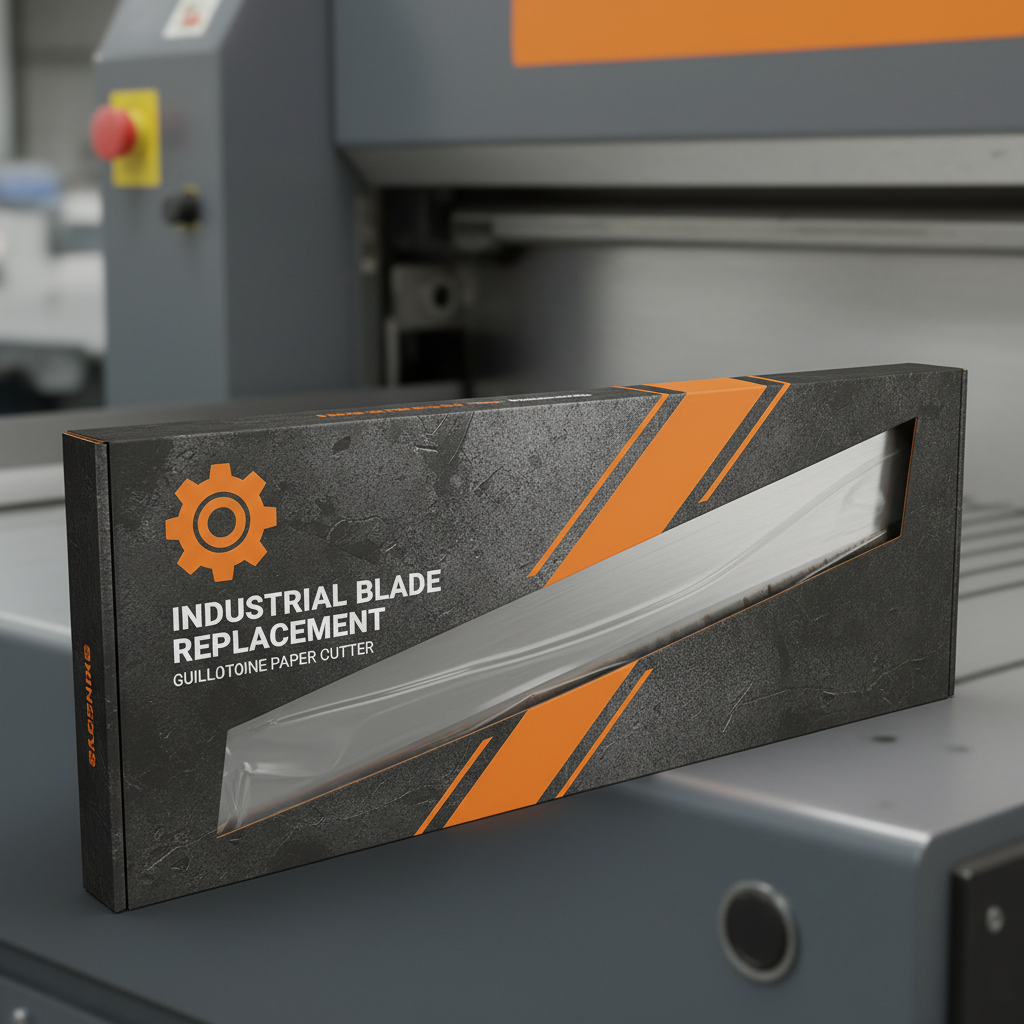
Store unused blades in a safe, dry place, away from moisture and corrosive materials. Use a protective sheath or packaging to prevent accidental cuts or damage to the blade edge. Keep the blades out of reach of children and unauthorized personnel. Proper storage extends the blade’s lifespan and maintains its sharpness for future use.
Selecting a reputable supplier is crucial for obtaining high-quality guillotine paper cutter blades. Look for suppliers with a proven track record, positive customer reviews, and a wide selection of blade materials and sizes. Ensure the blades meet industry standards and are compatible with your specific cutter model. Mechblades is a trusted source for premium quality blades and expert guidance.
Conclusion
In conclusion, proper guillotine paper cutter blade replacement is not simply a maintenance task but a critical component of operational efficiency, product quality, and workplace safety. By understanding the factors influencing blade performance, embracing innovative solutions, and prioritizing regular maintenance, businesses can minimize downtime, reduce costs, and ensure consistently precise cutting results.
Looking ahead, the future of cutting technology will be shaped by automation, data analytics, and a growing focus on sustainability. Investing in high-quality blades, implementing predictive maintenance strategies, and staying abreast of the latest industry trends will empower businesses to maintain a competitive edge and meet the evolving demands of the market. Visit our website at www.mechblades.com to explore our wide range of blades and cutting solutions.