Look, I’ve spent the last fifteen years on construction sites, elbow-deep in dust and concrete, watching things get built – and sometimes, fail. You quickly learn what holds up, and what doesn’t. One thing I've consistently seen is the critical role of a reliable paper guillotine blade. It’s not glamorous, but a dull or chipped blade slows everything down. We’re talking about cutting plans, revisions, permits… all that paper that keeps a project moving. A good blade isn’t just about neat cuts; it's about efficiency, safety, and frankly, keeping the whole operation from grinding to a halt. I've seen teams lose valuable time wrestling with inferior blades, and it adds up – in money, frustration, and potential delays.
I've watched as project managers, site supervisors, and even field engineers rely on a dependable paper guillotine blade daily. It's a subtle but crucial component. It isn’t a headline item in the budget, but it's one of those ‘small things’ that has a disproportionately large impact on productivity. You wouldn’t skimp on rebar or concrete, and you shouldn’t skimp on the blade that cuts the blueprints for those materials.
What a lot of folks don’t realize is just how many different types of blades there are. It’s not a one-size-fits-all situation. Different materials, different thicknesses, different usage patterns… it all factors into choosing the right paper guillotine blade. That’s why understanding the nuances of blade quality and construction is so important. We're not just talking about cutting paper; we're talking about accuracy and precision, which are paramount in construction.
The Importance of a Reliable Paper Guillotine Blade
I’ve seen firsthand the ripple effect of a bad paper guillotine blade. It starts with ragged cuts, wasted paper, and the frustration of having to redo things. Then it escalates – delays in getting drawings to the right people, miscommunications, and ultimately, lost time and money. A quality blade isn't just about aesthetics; it’s about maintaining the flow of information on a busy job site. We’re talking about keeping everyone on the same page, literally.
The biggest impact I've seen is on change orders. Construction rarely goes exactly as planned. There are always revisions. A sharp, reliable paper guillotine blade makes it quick and easy to update drawings and distribute them, minimizing confusion and preventing costly mistakes.
Understanding Paper Guillotine Blade Materials
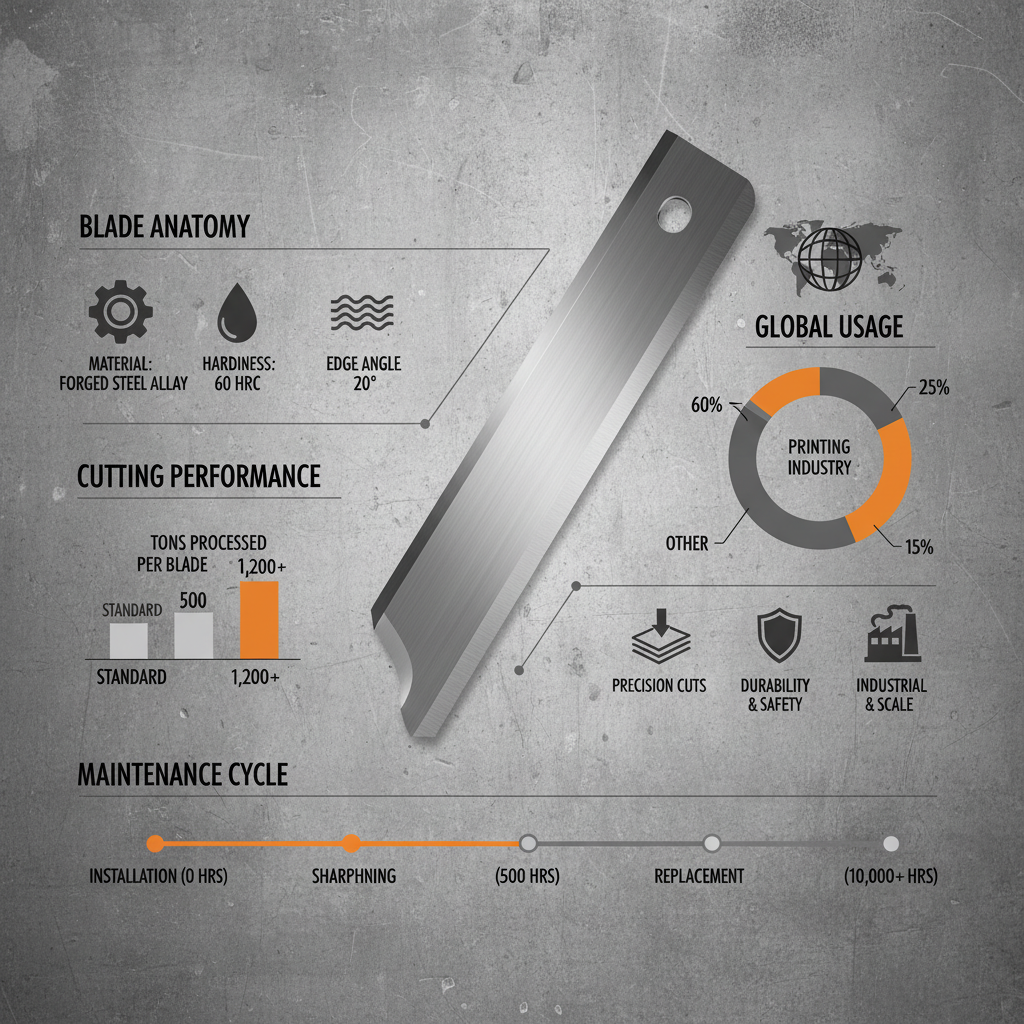
Now, let’s talk materials. You’ve got your standard carbon steel blades, which are the workhorses, fine for general use. But if you’re cutting through thicker stock or dealing with frequent use, you need something tougher – like high-carbon steel or even stainless steel. I've seen stainless steel blades hold an edge for significantly longer, especially in environments with high humidity. They cost more upfront, but the longevity often makes them a better value in the long run.
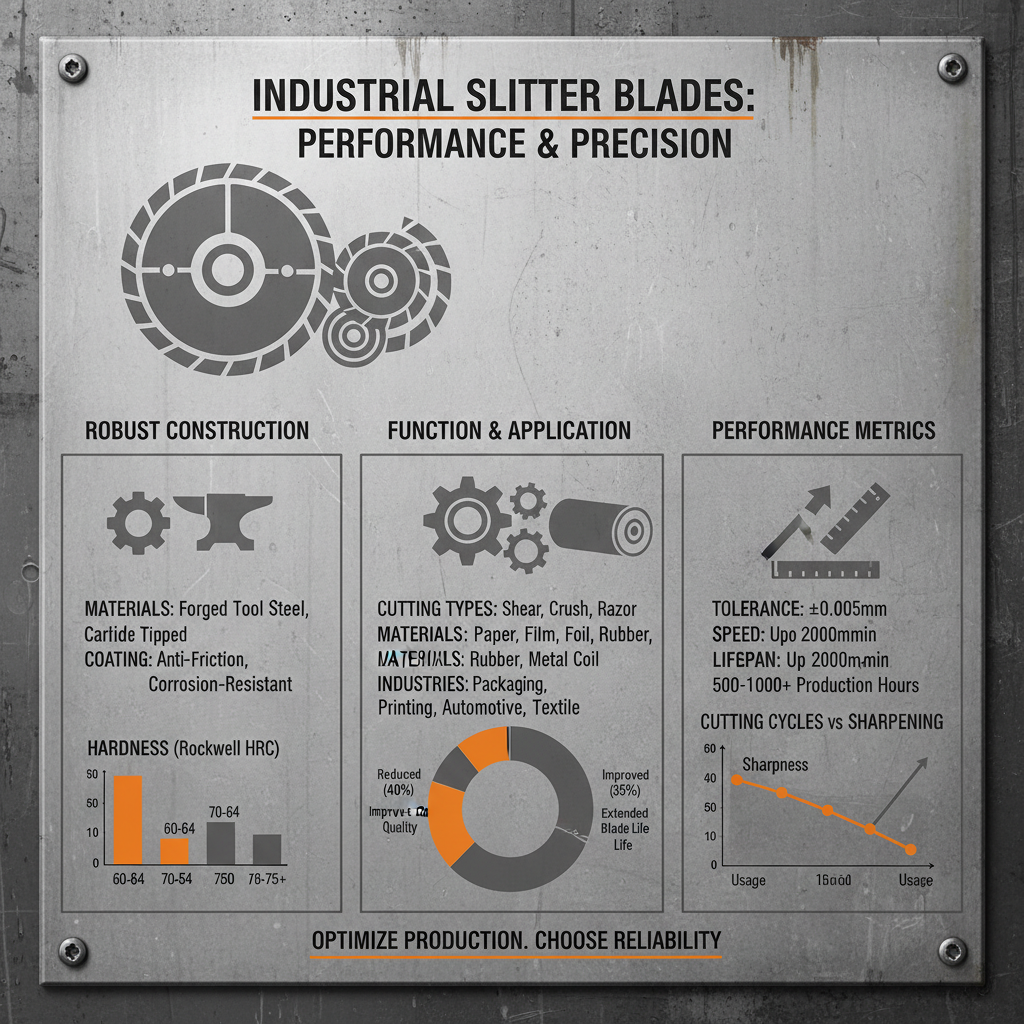
The way the blade is hardened and tempered is crucial. A properly hardened blade will stay sharper longer. You can usually tell a good blade by the feel – it should be firm and resilient, not brittle. And pay attention to the blade's coating. Some blades have a coating to reduce friction and prevent corrosion, which is a huge plus when you’re working outdoors.
I’ve learned, sometimes the hard way, that cheap blades are often made from inferior steel and lack proper hardening. They may seem like a bargain initially, but they’ll dull quickly, requiring frequent replacements and ultimately costing you more time and money.
Key Factors: Sharpness, Durability, and Precision
Sharpness is obvious, right? But it’s not just about how sharp the blade is when you first get it. It’s about how long it stays sharp. A good blade should maintain its edge through a reasonable amount of use without needing constant sharpening. I always keep a sharpening stone handy, but I’d rather be building than fiddling with blade maintenance.
Durability is about resisting chipping and breaking. Construction sites are rough environments. Blades get dropped, bumped, and subjected to all sorts of abuse. A durable blade can withstand those stresses without failing. I’ve seen blades snap mid-cut, and let me tell you, that’s not only frustrating but also dangerous.
Precision is about ensuring clean, straight cuts every time. This is critical for accurate blueprints and minimizing waste. A wobbly or poorly aligned blade will produce jagged edges, making it difficult to assemble materials correctly. A precise cut means less rework and a more professional-looking finished product.
Real-World Applications on Construction Sites
I’ve seen paper guillotine blades used for everything from cutting architectural plans and shop drawings to trimming HVAC ductwork layouts and electrical schematics. They are indispensable for creating accurate templates and mockups. Especially when we are dealing with complex BIM models, we need to get those paper prints cut quickly and accurately.
Think about a large-scale commercial project. There are hundreds, if not thousands, of drawings that need to be managed and updated constantly. A reliable blade is essential for keeping that process efficient. It’s not just the architects and engineers who rely on them; the carpenters, plumbers, electricians – everyone needs access to accurate, up-to-date plans.
Even on smaller residential projects, a good blade can save you time and hassle. Cutting drywall layouts, trimming insulation, preparing material lists… these are all tasks that can be made easier with a sharp, dependable blade.
Paper Guillotine Blade Performance Ratings
Advantages: Cost Savings and Reduced Downtime
Investing in a high-quality paper guillotine blade pays off in the long run. While it might cost more upfront, you'll save money on replacements and reduce downtime due to frequent blade changes. Less downtime means increased productivity, which translates directly into cost savings.
There's also the cost of errors. A dull blade can lead to inaccurate cuts, which can result in wasted materials and costly rework. Avoiding those mistakes is a huge win.
Future Trends in Paper Guillotine Blade Technology
I'm seeing more blades incorporating advanced coatings and materials, like ceramic-infused steel, which offer superior edge retention and corrosion resistance. Also, there’s a push for blades that are easier to sharpen in the field. Self-sharpening blades are still a bit of a pipe dream, but we're getting closer.
I think we’ll also see more integration with digital tools. Imagine a blade that can communicate its sharpness level to a central system, triggering an automatic replacement order when it’s time. That kind of proactive maintenance would be a game-changer.
And, honestly, as BIM becomes more prevalent, we'll probably see blades designed specifically for cutting the thicker, more durable paper used for large-format BIM prints.
Common Issues and Troubleshooting Tips
The most common issue I see is using the wrong blade for the job. Trying to cut thick cardboard with a blade designed for paper is a recipe for disaster. Another problem is neglecting blade maintenance. Regularly cleaning and sharpening your blade will significantly extend its lifespan.
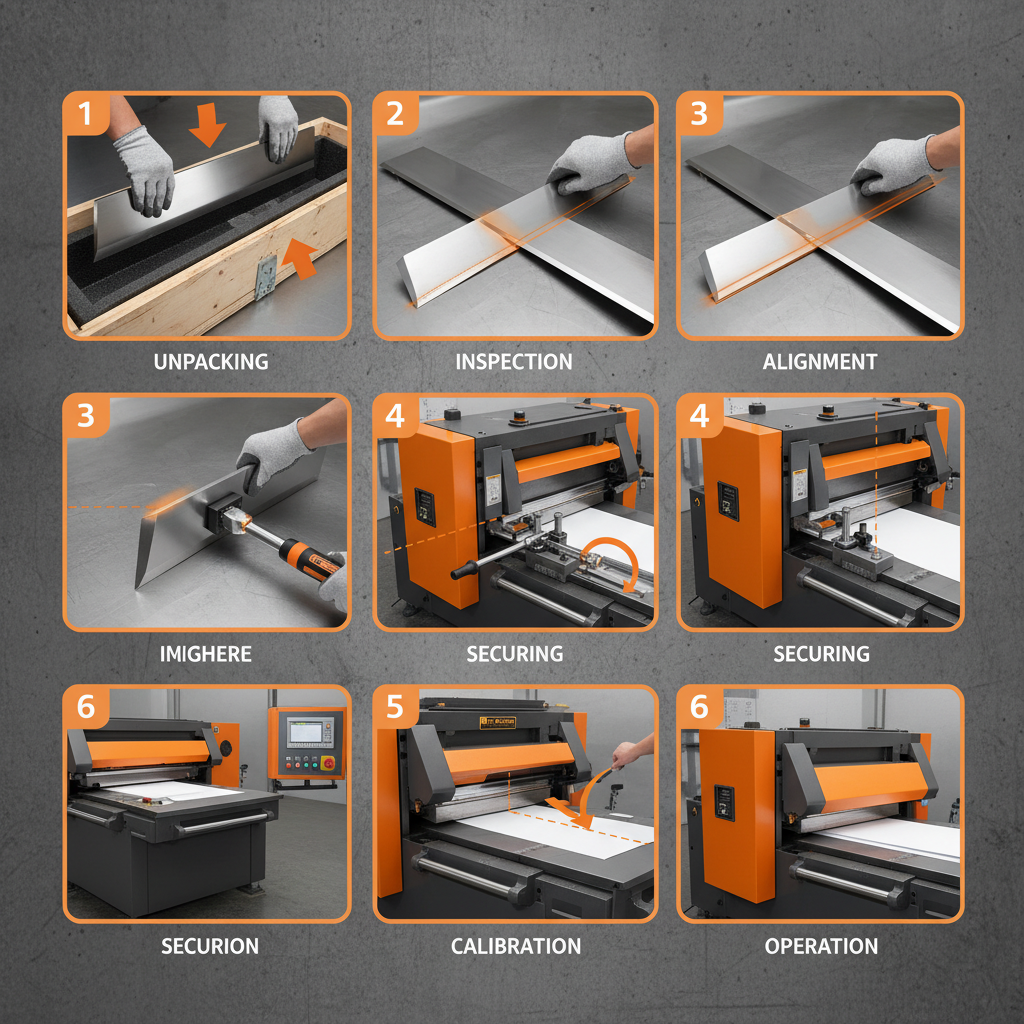
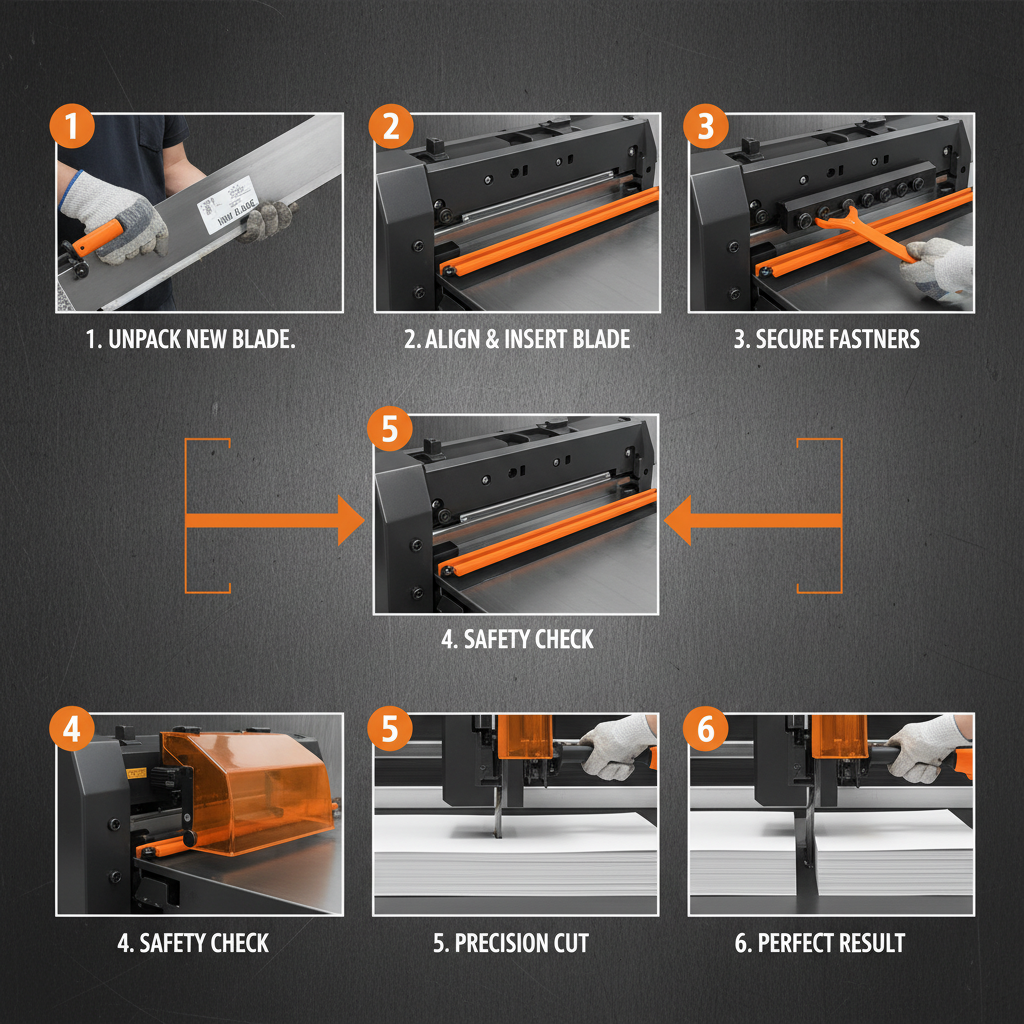
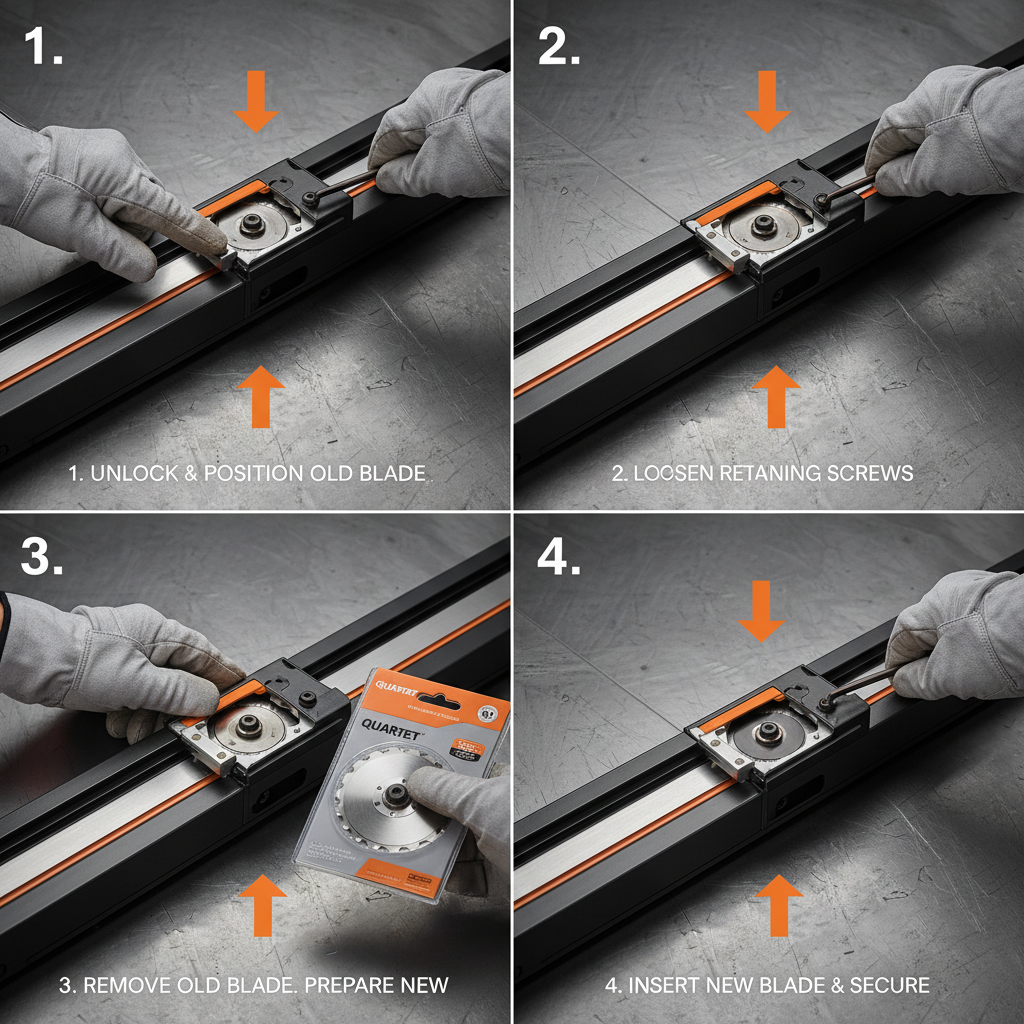
If you’re experiencing jagged cuts, check the blade alignment. Make sure it’s properly seated in the guillotine. Also, ensure the clamping pressure is adequate. Too little pressure can cause the paper to slip.
Finally, don't ignore the sound. A dull blade will make a tearing sound, while a sharp blade will slice through the paper cleanly. Pay attention to those cues, and you’ll know when it’s time for a replacement.
Common Issues with Paper Guillotine Blades and Their Solutions
| Issue |
Likely Cause |
Severity (1-5) |
Recommended Solution |
| Jagged Cuts |
Dull Blade |
3 |
Sharpen or replace the blade. |
| Paper Slipping |
Insufficient Clamping Pressure |
2 |
Adjust clamping pressure. |
| Blade Chipping |
Using Blade on Incorrect Material |
4 |
Use a blade specifically designed for the material. |
| Difficulty Cutting |
Blade Misalignment |
3 |
Realign the blade. |
| Rust Formation |
High Humidity Environment |
2 |
Use a stainless steel blade or apply rust preventative. |
| Blade Breakage |
Inferior Blade Material |
5 |
Invest in a high-quality blade from a reputable manufacturer. |
FAQS
Proper storage is key to extending the life of your paper guillotine blade. Always store it in a dry place, preferably with a protective sheath or cover. This prevents rust and damage from accidental contact. Avoid storing blades loose in a toolbox where they can get knocked around. A dedicated blade storage case is a good investment.
That depends on how much you use it and the type of paper you're cutting. As a general rule of thumb, I recommend sharpening your blade after every 500-1000 cuts. However, if you notice any signs of dullness, such as jagged edges or increased effort required to cut, sharpen it immediately. Keeping it sharp will ensure clean cuts and reduce the risk of accidents.
Carbon steel blades are generally sharper and hold an edge better initially, but they’re more susceptible to rust and corrosion. Stainless steel blades are more durable and corrosion-resistant, making them ideal for humid environments, but they may not get as razor-sharp as carbon steel. The best choice depends on your specific needs and environment.
Yes, a light application of blade lubricant can help reduce friction and improve cutting performance. However, be careful not to use too much oil, as it can attract dust and debris. I recommend using a specialized blade lubricant designed for paper guillotines, as these are formulated to be safe for both the blade and the paper.
If the blade is chipped, cracked, or severely worn, it’s time to replace it. Continuing to use a damaged blade is dangerous and can lead to inaccurate cuts. Even if the blade is still sharp, if it’s structurally compromised, it's best to err on the side of caution and get a new one.
Absolutely. The quality of steel, the hardening process, and the precision of the grind all vary significantly between manufacturers. I’ve found that investing in blades from a reputable brand, like Mechblades, pays off in the long run with improved performance and durability. Don’t skimp on this – it’s a critical component of your workflow.
Conclusion
So, there you have it. A seemingly simple component – the paper guillotine blade – plays a surprisingly crucial role in the efficiency, safety, and accuracy of any construction project. From selecting the right material to proper maintenance and understanding future trends, paying attention to this detail can save you time, money, and frustration.
Don’t underestimate the importance of a quality blade. It’s an investment that will pay dividends throughout the life of your project. And if you're looking for reliable, high-performance blades, I highly recommend checking out www.mechblades.com. They understand the demands of the job site and deliver blades that hold up.