Look, chipper knives for sale. Seems simple, right? But honestly, after years on these sites, you realize it's anything but. Everyone's chasing bigger, faster, more efficient – and that ripples down to the blades. The demand for high-quality chipper knives for sale is definitely up, especially with all the land clearing and recycling projects popping up. Used to be, folks would just slap any old blade in there. Not anymore.
Have you noticed how everyone's talking about wood waste being the 'new oil'? Makes sense. Recycling centers, biofuel plants… they all need reliable, durable chipper knives for sale to process the material. It’s not just about volume anymore; it’s about the quality of the chip. Consistent size, minimal fines… that’s what they’re after. And believe me, the engineers are getting really picky about it.
The biggest challenge? Finding blades that can actually hold up under real-world conditions. Lab tests are fine and dandy, but they don’t replicate the grit, the rocks, the occasional metal scrap that sneaks into the feed. I’ve seen blades ruined in a single day because someone skimped on the steel. It's a mess.
Understanding the Landscape of chipper knives for sale
To be honest, the biggest trend I'm seeing is the move toward specialized blade geometry. It's not just about making them harder; it’s about designing them to handle specific materials. Different woods, green waste, pallets... each one requires a slightly different blade angle and cutting edge. Strangel,y you see this in everything now – more niche.
And that's where things get tricky. A lot of manufacturers claim to have the 'perfect' blade for everything, but that's just marketing. What really matters is understanding your material and choosing a blade that's optimized for it. Otherwise, you're just throwing money away on something that isn’t going to last.
Defining Chipper Knives and Their Industry Relevance
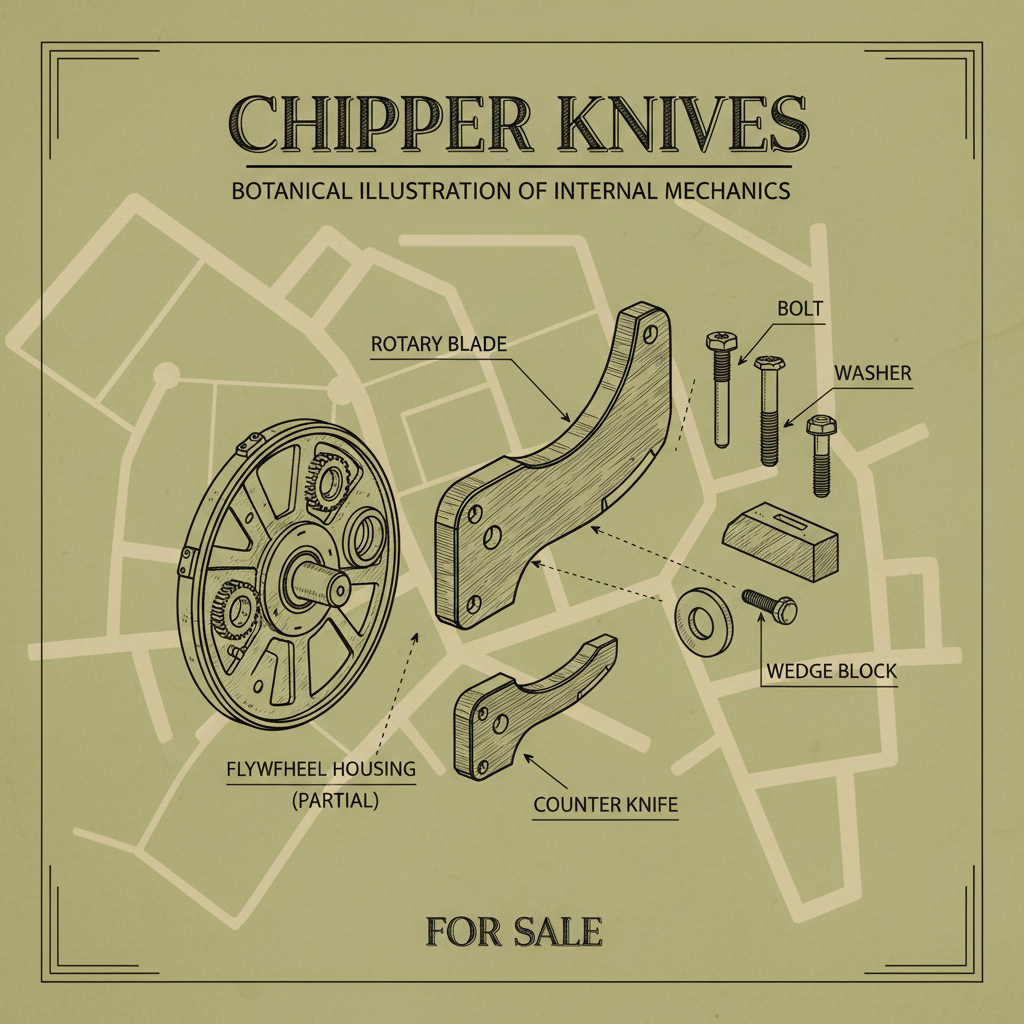
Alright, so what are chipper knives for sale, really? Basically, they're the teeth of the machine, responsible for reducing wood and other materials into smaller chips. It’s a fairly straightforward concept, but the execution is complex. The materials used – high-carbon steel, tool steel, sometimes with tungsten carbide coatings – directly impact performance and longevity. I encountered this at a factory last time, and they were trying to save a few bucks on the steel, and the results were… well, let’s just say they had a lot of unhappy customers.
The relevance to modern industry is huge. Think about biofuel production, wood-plastic composites, landscaping mulch… all of these rely on a consistent supply of wood chips. And a consistent supply of wood chips requires reliable chipper knives for sale. It's the base of the pyramid, really.
It's not just about industry either. Disaster relief, land clearing after storms, even just helping homeowners deal with fallen branches... chipper knives for sale play a crucial role in keeping things moving.
Critical Factors in Chipper Knife Selection
Durability is huge, obviously. But it's not just about the hardness of the steel. It's about the heat treatment, the blade geometry, and how well the blade is supported by the chipper itself. I’ve seen blades that were theoretically 'harder' than others snap like twigs because the chipper wasn't designed to handle the stress.
Scalability is another big one. Can you easily get replacement blades when you need them? Are there different sizes and shapes available to suit different applications? You don't want to be stuck waiting weeks for a custom blade when your chipper is down.
Cost efficiency is a constant battle. You want a blade that’s affordable, but you don’t want to sacrifice quality. It’s a balancing act. And honestly, the cheapest blade is rarely the most cost-effective in the long run. You end up replacing it more often, and downtime costs money too.
Then there's impact resistance. This one's often overlooked, but it’s crucial. Even with good feed control, you’re going to hit rocks, metal, and other debris. A blade that can withstand those impacts is going to last a lot longer.
And finally, sharpness retention. A dull blade requires more power, produces lower-quality chips, and puts more stress on the entire chipper. You want a blade that stays sharp for as long as possible.
Global Applications of High-Quality Chipper Knives
You see these knives everywhere. In North America, they're essential for the forestry industry and wood processing plants. Europe's big on wood recycling, so demand is high there too. Asia, particularly China and India, is rapidly expanding its biofuel sector, driving up demand for chipper knives for sale.
I was down in Brazil a few years ago, and they were using chipper knives for sale to clear land for sugarcane plantations. It was a massive operation, and they were going through blades like crazy. They really needed something that could handle the abrasive soil and tough vegetation.
Even in remote areas, like in some of the Alaskan logging camps, quality chipper knives for sale are vital. Getting replacement parts out there is a logistical nightmare, so they need blades that can withstand harsh conditions and extended use.
Chipper Knife Performance by Material Type
Advantages and Long-Term Value Proposition
The biggest advantage, plain and simple, is reduced downtime. A good blade lasts longer, meaning fewer replacements and less time spent fixing things. That translates directly into increased productivity and higher profits.
Sustainability is also a factor. Using durable, high-quality blades reduces waste and minimizes the environmental impact of your operation. That’s becoming increasingly important to a lot of companies.
Future Trends and Innovations in Chipper Knife Technology
I think we’re going to see more and more use of advanced materials like ceramic coatings and high-speed steel alloys. These materials offer superior wear resistance and can significantly extend blade life. There’s also a lot of research going into blade geometries that are optimized for specific feedstocks.
And digital integration is coming. Sensors embedded in the blades could provide real-time data on wear and tear, allowing for predictive maintenance and minimizing downtime. It sounds far-fetched, but I wouldn’t be surprised if we see it within the next five years.
Challenges and Solutions in Chipper Knife Implementation
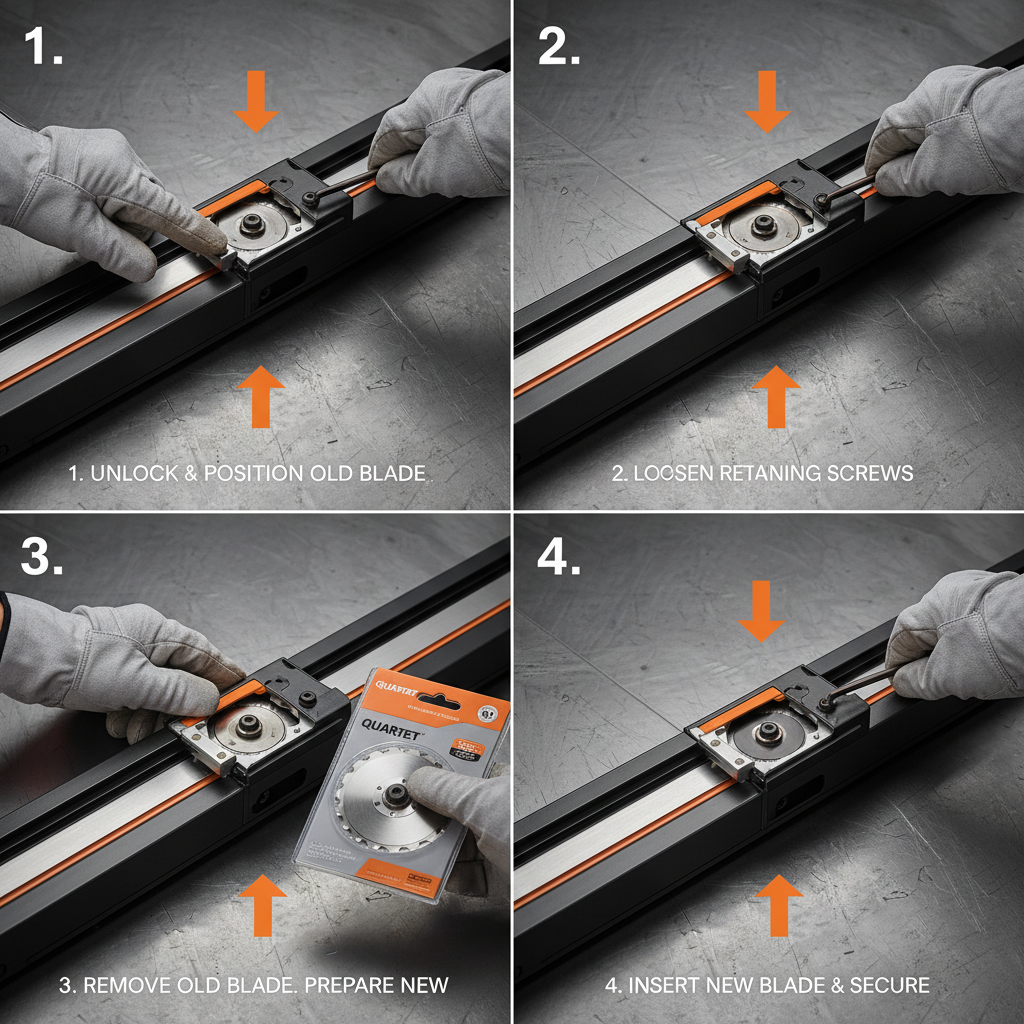
The biggest challenge, honestly, is operator training. Too many guys just hammer the blades in and hope for the best. Proper installation and maintenance are crucial for maximizing blade life. It's not rocket science, but it requires attention to detail.
Another issue is contamination. Foreign objects in the feedstock can quickly damage blades. Implementing a robust quality control system to screen out debris is essential.
And finally, there's the cost. High-quality chipper knives for sale aren’t cheap, but they're worth the investment in the long run. You just need to be able to justify the upfront cost to management.
Chipper Knife Performance Metrics
| Blade Material |
Average Lifespan (Hours) |
Cost per Blade ($) |
Typical Application |
| High-Carbon Steel |
80-120 |
50-80 |
Softwood, Green Waste |
| Tool Steel |
150-200 |
100-150 |
Hardwood, Mixed Debris |
| Tungsten Carbide Coated |
250-350 |
200-300 |
Abrasive Materials, Pallets |
| High-Speed Steel Alloy |
200-280 |
150-250 |
Demanding Applications |
| Ceramic Coated |
300+ |
250-400 |
Highly Abrasive Materials |
| Custom Alloy |
Variable |
Variable |
Specialized Applications |
FAQs
Honestly, don’t just toss ‘em in a pile. Moisture is the enemy. Rust starts forming almost immediately. Wrap ‘em in oiled paper or put them in a sealed container. I’ve seen blades rendered useless because someone left them sitting out in the rain. It's a simple thing, but it makes a huge difference. Keeping them clean and dry is crucial for maximizing their lifespan. Also, keep the edges protected – a good blade guard is a lifesaver.
That depends on the material you’re chipping and how much volume you’re processing. But as a general rule of thumb, inspect them regularly. If you notice the chips are getting smaller, or if you're having to work the machine harder, it's time to sharpen. Don't wait until they're completely dull – that just puts more strain on the entire system. A good sharpening schedule can save you a lot of headaches and money in the long run. Look for a reputable sharpening service that understands chipper knife geometry.
Single-sided blades are generally used for softer materials, while double-sided blades are better for harder, more abrasive materials. Double-sided blades offer more cutting edges, so they can last longer, but they're also more expensive. The choice really depends on your application. I encountered a guy who was using single-sided blades on hardwood… it didn’t end well. You gotta match the blade to the job.
In many cases, yes. Tungsten carbide coatings significantly increase wear resistance, especially when chipping abrasive materials. They're more expensive upfront, but they can extend blade life dramatically, which can save you money in the long run. However, if you're only chipping softwood, the extra cost may not be justified. It’s a trade-off.
Look for cracks, chips, or significant wear on the cutting edge. If a blade is bent or warped, it’s definitely done for. Don’t try to repair a severely damaged blade – it's a safety hazard. A good rule of thumb is if you’re questioning it, replace it. It’s not worth risking damage to your chipper or injury to yourself.
Absolutely. A lot of manufacturers offer custom blade designs, including different blade angles, lengths, and materials. Last month, that small boss in Shenzhen who makes smart home devices insisted on changing the interface to , and the result was a three-week delay and a bunch of scrapped prototypes! Point is, customization is possible, but it usually comes with a higher price tag and longer lead times. You need to carefully weigh the benefits against the costs.
Conclusion
Ultimately, choosing the right chipper knives for sale isn't just about specs and prices. It's about understanding your materials, your application, and your budget. It’s about finding the right balance between durability, performance, and cost. It's easy to get lost in the marketing hype, but at the end of the day, what really matters is how the blade performs in the real world.
Anyway, I think it all boils down to this: whether this thing works or not, the worker will know the moment he tightens the screw. They'll feel the resistance, hear the sound, and see the quality of the chip. And that’s the only test that truly matters.