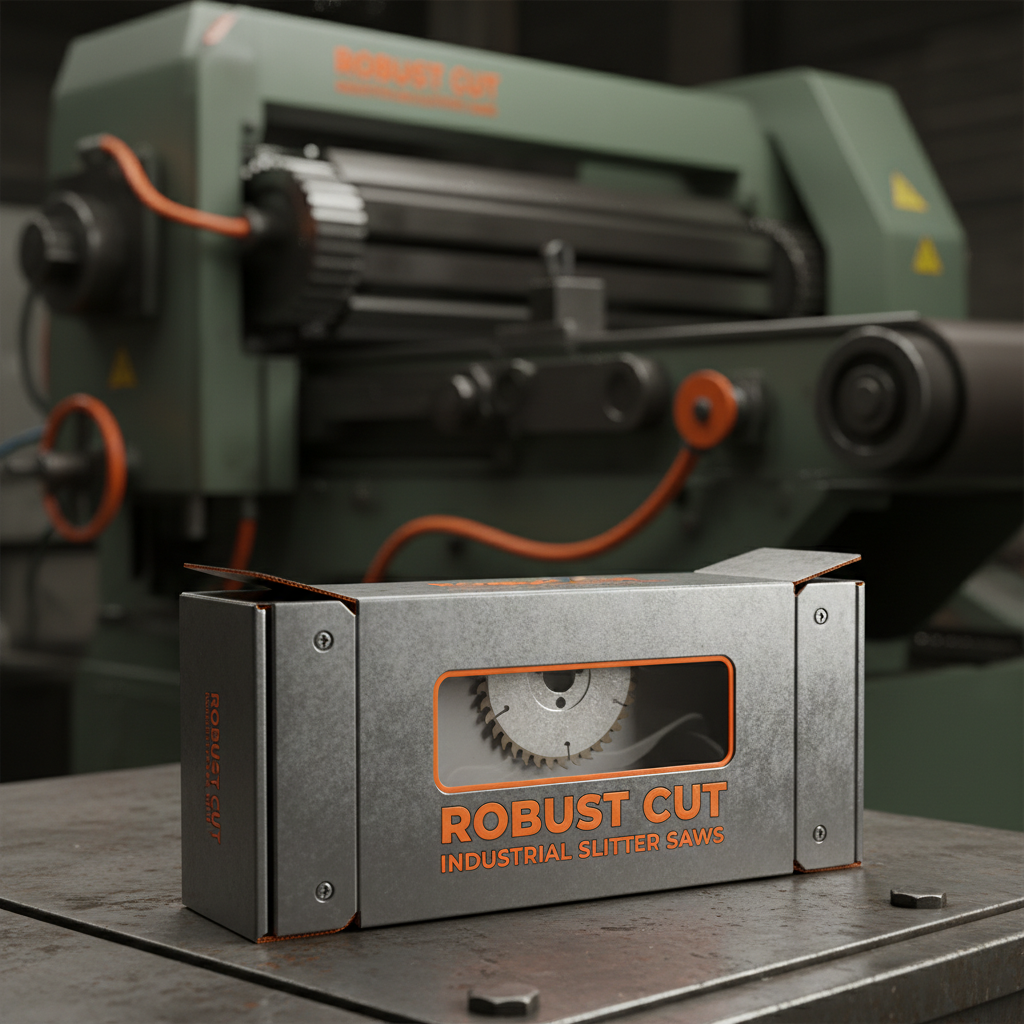
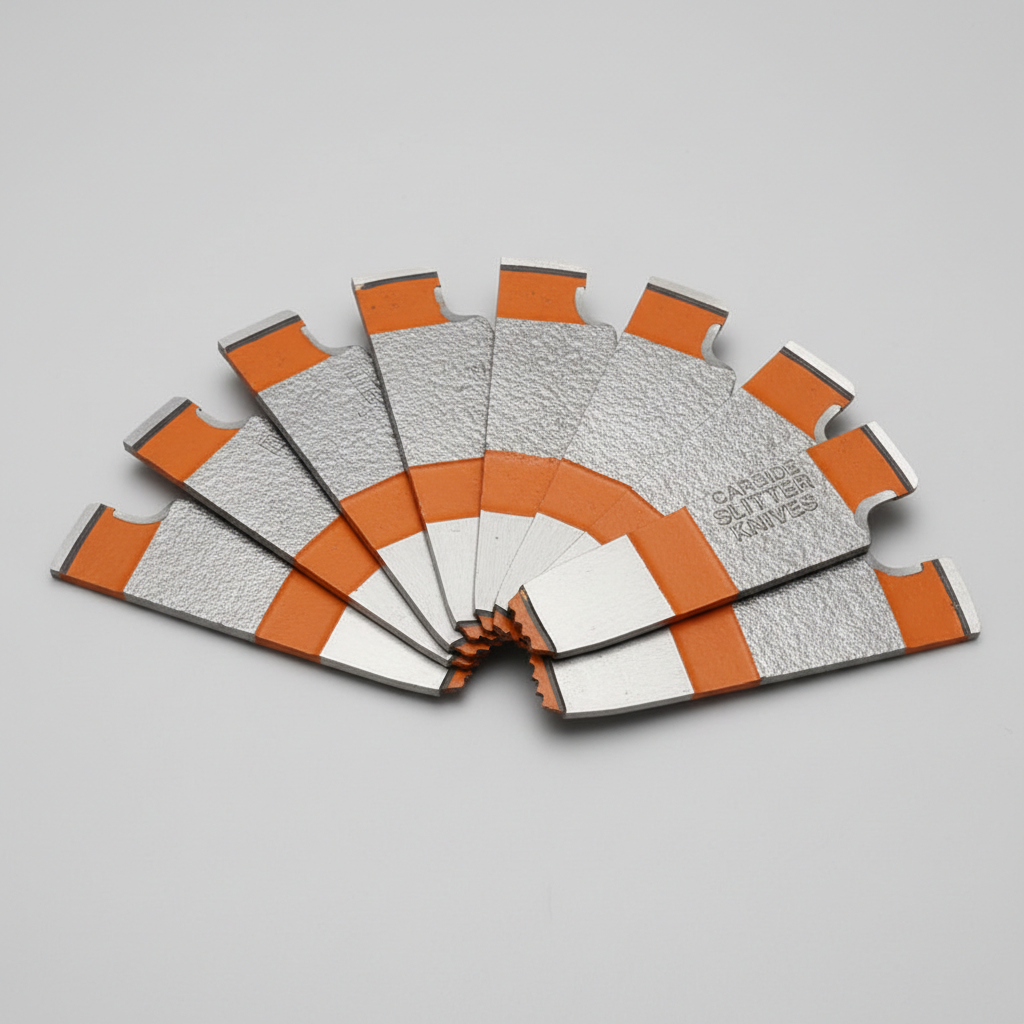
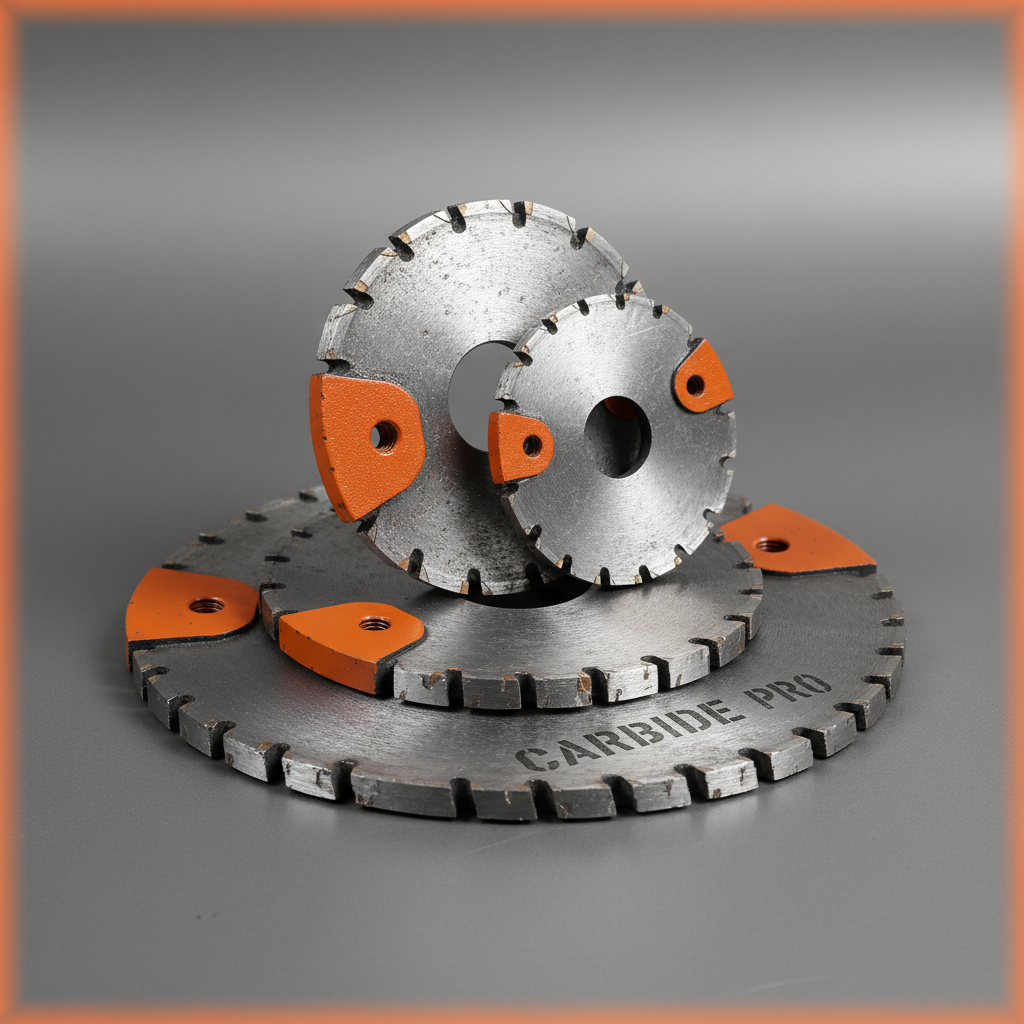
Slitter saw blades are indispensable components in a wide range of industrial cutting processes, quietly enabling the efficient production of everything from paper and plastics to metals and textiles. Their precision and reliability are critical to maintaining quality control and maximizing output in industries globally. Understanding the nuances of these blades – their materials, construction, and applications – is vital for optimizing performance and minimizing downtime.
The global demand for slitter saw blades is intrinsically linked to manufacturing activity and economic growth. As industries expand and become more sophisticated, the need for precise and high-speed cutting solutions intensifies. Statistics from the World Bank indicate a consistent correlation between industrial production indices and the demand for cutting tools, including slitter saw blades. This demand necessitates continuous innovation in blade design and material science.
A key challenge within many sectors is minimizing waste and maximizing material utilization. Slitter saw blades directly address this issue by providing clean, accurate cuts, reducing scrap and improving overall efficiency. This makes them not only economically important but also increasingly relevant in a world focused on sustainable manufacturing practices.
Introduction to slitter saw blades
Slitter saw blades are specialized circular cutting tools designed for scoring, slitting, and trimming a vast array of materials. Unlike traditional saw blades that remove material, slitter saw blades create a precise, clean separation with minimal material loss, making them ideal for applications where accuracy and efficiency are paramount. They are commonly used in industries requiring precise web processing.
The effectiveness of a slitter saw blade hinges on a carefully engineered combination of blade geometry, material selection, and precise manufacturing tolerances. Modern slitter saw blades are available in a variety of materials, including high-speed steel, tungsten carbide, and diamond, each offering different performance characteristics and suited to specific application requirements. Consider browsing slitter saw blades for specific solutions.
Defining slitter saw blades
At their core, slitter saw blades are circular cutting tools characterized by their thin profile and sharp, precisely ground edges. They differ significantly from conventional saws by scoring rather than removing material. This scoring action creates a controlled separation, minimizing burrs and material waste, and enabling extremely accurate cuts. They are integral to many converting processes.
The connection to modern industry lies in the increasing demand for efficient and precise manufacturing. As businesses strive to reduce costs and improve product quality, slitter saw blades offer a cost-effective solution for processing a wide range of materials, from paper and plastic films to aluminum foil and non-woven fabrics. They support the production of countless everyday products.
Beyond manufacturing, slitter saw blades play a role in specialized applications such as the production of medical devices, electronics components, and packaging materials. The precision they offer is often essential for meeting stringent quality standards and regulatory requirements in these critical industries.
Core Characteristics of slitter saw blades
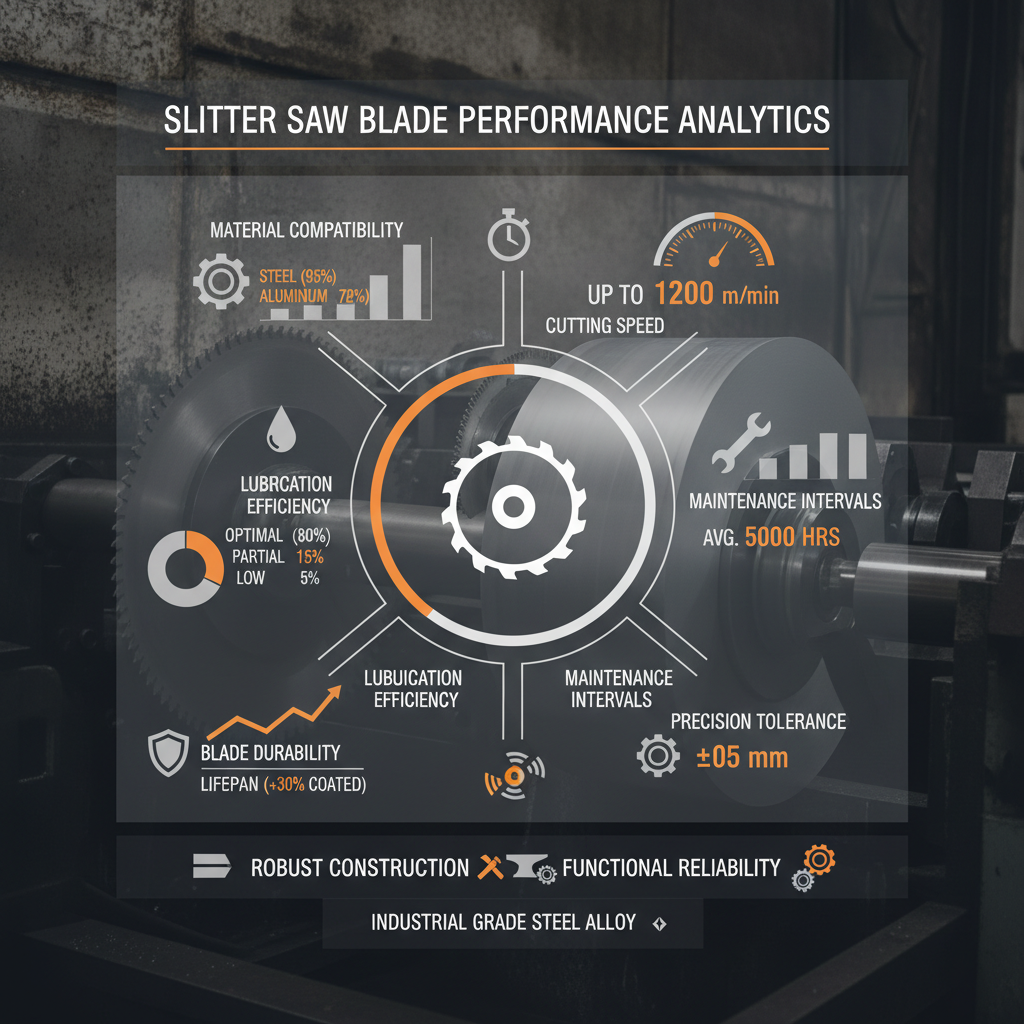
Durability is a primary characteristic of high-quality slitter saw blades. Blades are often subjected to high speeds and continuous operation, requiring materials and coatings that can withstand wear and maintain a sharp cutting edge. The choice of material directly impacts the blade's lifespan and overall performance.
Precision is another vital attribute. The accuracy of the blade’s geometry – including blade thickness, edge angle, and surface finish – dictates the quality of the cut. Minor imperfections can lead to burrs, uneven edges, and increased material waste. Manufacturers utilize advanced grinding techniques to achieve the necessary precision.
Material compatibility is crucial. Different materials require different blade materials and geometries. A blade designed for cutting plastic film will likely be unsuitable for cutting metal foil. Selecting the correct blade for the application ensures optimal cutting performance and prolongs blade life.
Key Performance Indicators for slitter saw blades
The sharpness of a slitter saw blade directly correlates to its cutting efficiency and the quality of the finished product. A dull blade requires more force to cut, leading to increased energy consumption and potential material deformation. Regular inspection and resharpening are critical for maintaining optimal performance.
Blade life is a key metric for evaluating the cost-effectiveness of a slitter saw blade. Factors influencing blade life include the material being cut, cutting speed, and blade material. Extended blade life translates to reduced downtime and lower replacement costs.
Slitter Saw Blade Performance Comparison
Global Applications of slitter saw blades
The packaging industry relies heavily on slitter saw blades for precise cutting of films, foils, and paperboard used in food packaging, pharmaceuticals, and consumer goods. The ability to create consistently accurate cuts is essential for ensuring package integrity and product protection.
In the textile industry, slitter saw blades are used for slitting fabrics, carpets, and non-woven materials. They enable the efficient production of cut-length materials and precise trimming of edges, contributing to the overall quality of textile products.
The Long-Term Value of slitter saw blades
Investing in high-quality slitter saw blades translates to significant cost savings over time. Longer blade life reduces the frequency of replacements, minimizing downtime and labor costs. Improved cutting accuracy also reduces material waste, further contributing to cost efficiency.
From a sustainability perspective, slitter saw blades promote resource efficiency by minimizing material waste. Their precision cutting action reduces the need for rework and scrap, conserving valuable resources and reducing environmental impact. Consider exploring options with responsible sourcing from suppliers like slitter saw blades.
Future Trends in slitter saw blades Technology
Advancements in coating technologies are leading to the development of slitter saw blades with enhanced wear resistance and improved cutting performance. These coatings can extend blade life and reduce the need for frequent sharpening.
The integration of sensors and data analytics is enabling predictive maintenance of slitter saw blades. By monitoring blade performance in real-time, manufacturers can anticipate potential failures and schedule replacements proactively, minimizing downtime and optimizing productivity.
Increased focus on sustainable materials and manufacturing processes is driving the development of eco-friendly slitter saw blades. This includes exploring the use of recycled materials and developing blade designs that minimize energy consumption during production.
Core Aspects of Future Slitter Saw Blade Technology
| Material Composition |
Coating Technology |
Smart Features |
Sustainability Impact |
| High-Speed Steel Alloys |
Titanium Nitride (TiN) |
Vibration Sensors |
Recycled Materials Usage |
| Tungsten Carbide |
Diamond-Like Carbon (DLC) |
Wear Monitoring |
Reduced Waste Generation |
| Ceramic Composites |
Multi-Layer Coatings |
Remote Diagnostics |
Biodegradable Blade Options |
| Polycrystalline Diamond (PCD) |
Physical Vapor Deposition (PVD) |
Automated Adjustment |
Lower Carbon Footprint |
| Advanced Steel Alloys with Additives |
Nanocoatings |
AI-Powered Optimization |
Circular Economy Integration |
| Cobalt-Based Alloys |
Plasma Enhanced Coatings |
Predictive Failure Analysis |
Energy Efficient Manufacturing |
FAQS
Several factors contribute to slitter saw blade lifespan, including the material being cut, cutting speed, blade material and coating, maintenance practices (sharpening and cleaning), and the presence of abrasive particles. Consistent monitoring and proactive maintenance are key. Proper blade selection for the specific application also dramatically impacts longevity.
The frequency of sharpening or replacement depends on usage and material type. Regularly inspect blades for signs of dullness (increased cutting force, burrs, uneven cuts). As a general guideline, blades should be sharpened when they begin to exhibit these symptoms. If damage is significant, replacement is necessary to maintain quality and safety.
Slitter saw blades excel at cutting a wide range of materials, including paper, plastic films, non-woven fabrics, aluminum foil, rubber, and even some metals. The specific blade material (e.g., high-speed steel, carbide) should be selected based on the material's hardness and abrasiveness. Specialized blades are available for optimal performance on each material type.
Consider the material being cut, its thickness, the desired cut quality, and the operating speed. The blade material, tooth geometry, and coating should be selected accordingly. Consult with a blade supplier to ensure you choose the optimal blade for your specific needs. slitter saw blades offers expert guidance on blade selection.
Always wear appropriate personal protective equipment (PPE), including safety glasses, gloves, and hearing protection. Ensure the blade is properly mounted and secured before operation. Follow the manufacturer's instructions for safe operation and maintenance. Never attempt to modify or repair a blade yourself; seek professional assistance if needed.
Solid slitter saw blades are manufactured from a single material, typically high-speed steel or carbide. Composite blades combine different materials, often with a carbide cutting edge bonded to a steel core. Composite blades offer a balance of hardness, toughness, and cost-effectiveness. The choice depends on the application and desired performance characteristics.
Conclusion
Slitter saw blades are foundational components in countless industrial processes, offering precision, efficiency, and cost-effectiveness. Their ability to minimize waste, improve product quality, and adapt to a wide range of materials makes them invaluable tools for manufacturers across the globe. Continued innovation in materials, coatings, and sensor technologies will further enhance their performance and sustainability.
Looking ahead, the integration of smart features and predictive maintenance capabilities will revolutionize the way slitter saw blades are utilized. Embracing sustainable manufacturing practices and exploring eco-friendly blade materials will be crucial for minimizing environmental impact. For reliable and innovative slitter saw blade solutions, visit our website today: www.mechblades.com.