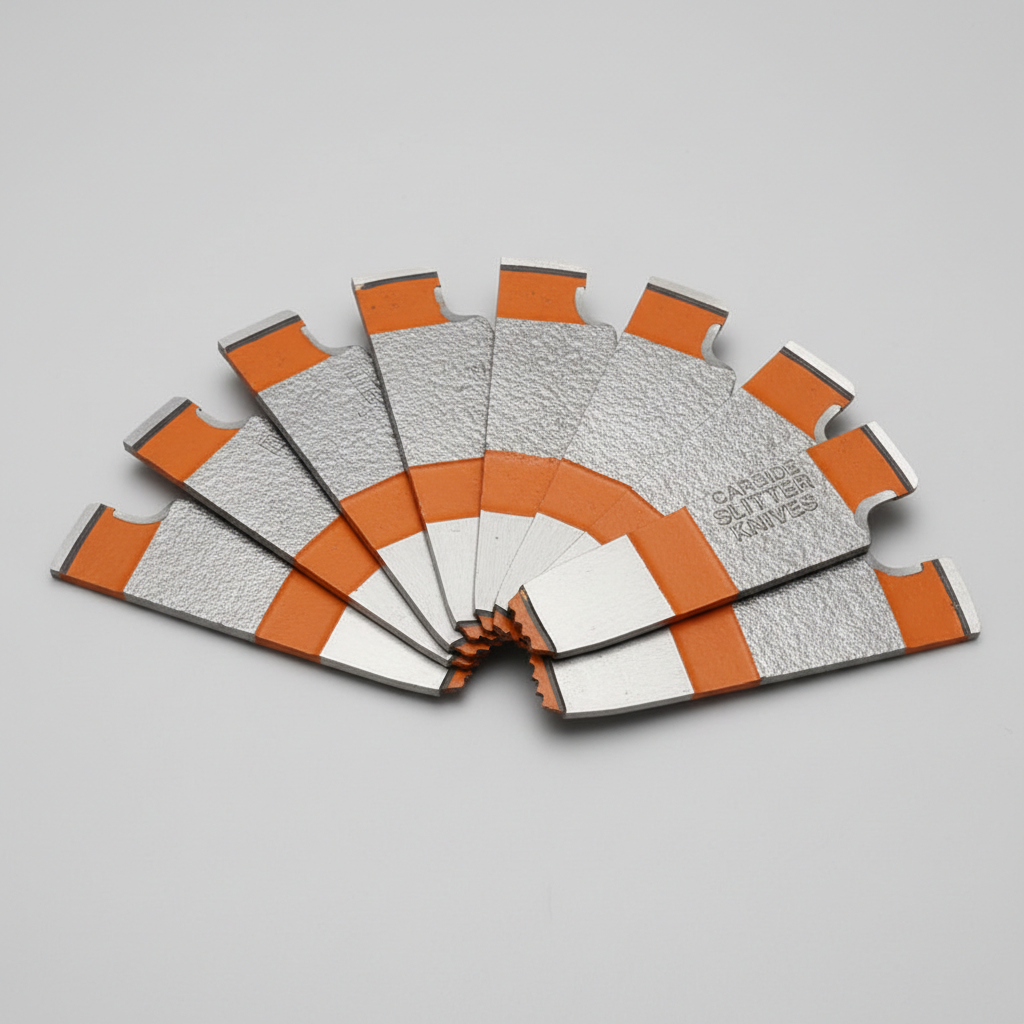
Carbide slitter knives are essential components in a wide array of industrial processes, particularly within the paper, plastic film, and metal industries. These high-performance cutting tools are renowned for their exceptional durability, sharpness, and ability to deliver clean, precise cuts, contributing significantly to production efficiency and product quality. Understanding the intricacies of carbide slitter knives—from their manufacturing processes to their specific applications—is crucial for optimizing operational performance and minimizing downtime.
The global demand for high-quality slitter knives is directly correlated with the growth of manufacturing sectors worldwide. According to recent reports from the World Bank, emerging economies are experiencing rapid industrialization, driving up the need for efficient cutting solutions. This demand isn’t solely about increased production volume; it's also about adhering to increasingly stringent quality standards, a feat readily achievable with precision tools like carbide slitter knives. Successfully navigating these demands requires a deep understanding of material science, tooling techniques, and application-specific optimization.
Investing in quality carbide slitter knives translates to tangible benefits for businesses. Reduced waste, improved product consistency, and extended tooling life all contribute to a lower total cost of ownership. Moreover, advancements in carbide technology are continually pushing the boundaries of performance, offering even greater efficiency and reliability. This makes carbide slitter knives not just a cutting tool, but a strategic asset in today’s competitive manufacturing landscape.
Introduction to Carbide Slitter Knives
Carbide slitter knives stand as a cornerstone in precision cutting applications, providing superior performance where other materials fall short. Their unique combination of hardness, wear resistance, and toughness makes them ideally suited for demanding industrial environments. They’re not simply ‘knives’ in the traditional sense; they represent a sophisticated engineering solution tailored to specific cutting requirements, driving efficiency and quality in countless manufacturing processes.
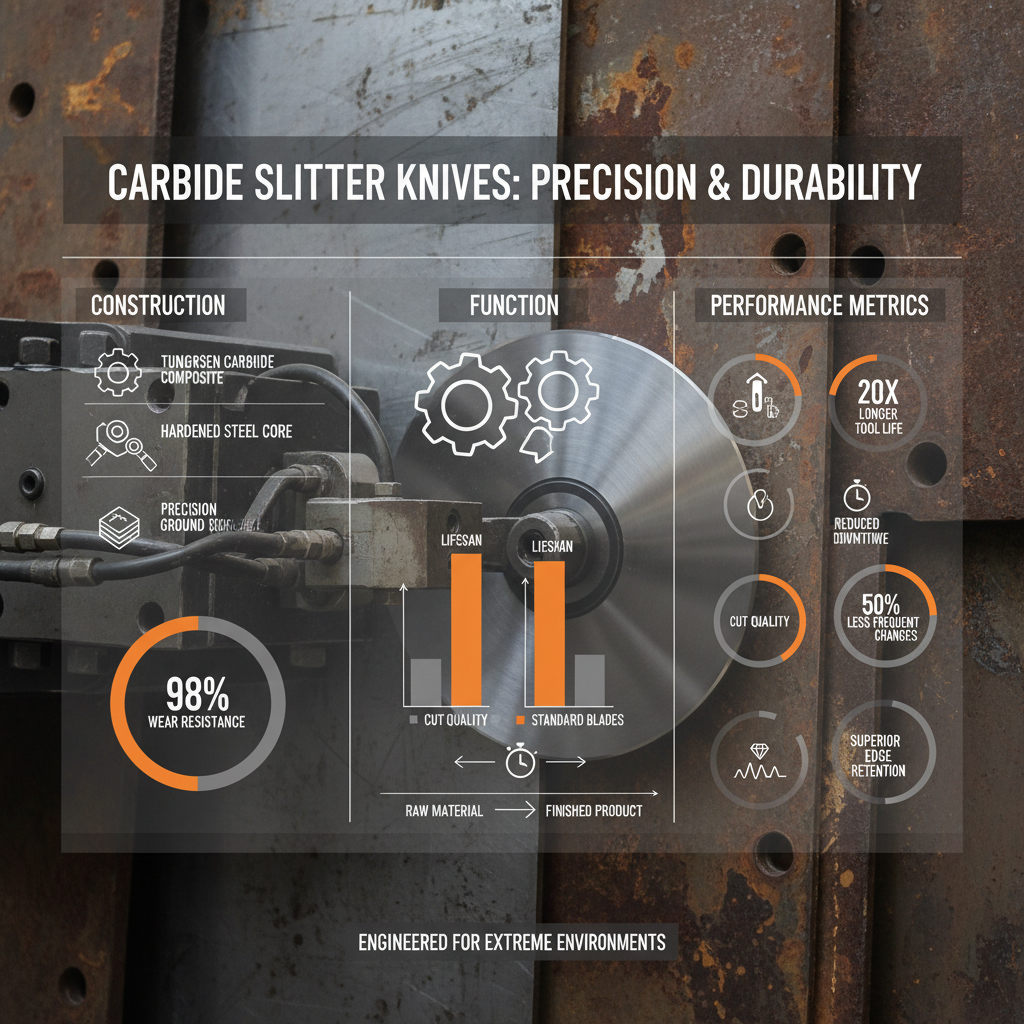
The effectiveness of carbide slitter knives stems from the inherent properties of tungsten carbide – a compound known for its exceptional resistance to abrasion, erosion, and deformation. This allows them to maintain a sharp cutting edge for extended periods, minimizing the need for frequent replacements and reducing overall operational costs. Choosing the right carbide grade and geometry is paramount to achieving optimal results, as variations exist to address different materials and cutting conditions.
Defining Carbide Slitter Knives
Carbide slitter knives are precision cutting tools used to slit, shear, or trim various materials—most commonly paper, plastic films, textiles, and non-woven fabrics. Unlike conventional steel blades, these knives incorporate tungsten carbide, a ceramic material celebrated for its unparalleled hardness and wear resistance. This composition enables them to maintain a keen cutting edge significantly longer, even when processing abrasive materials.
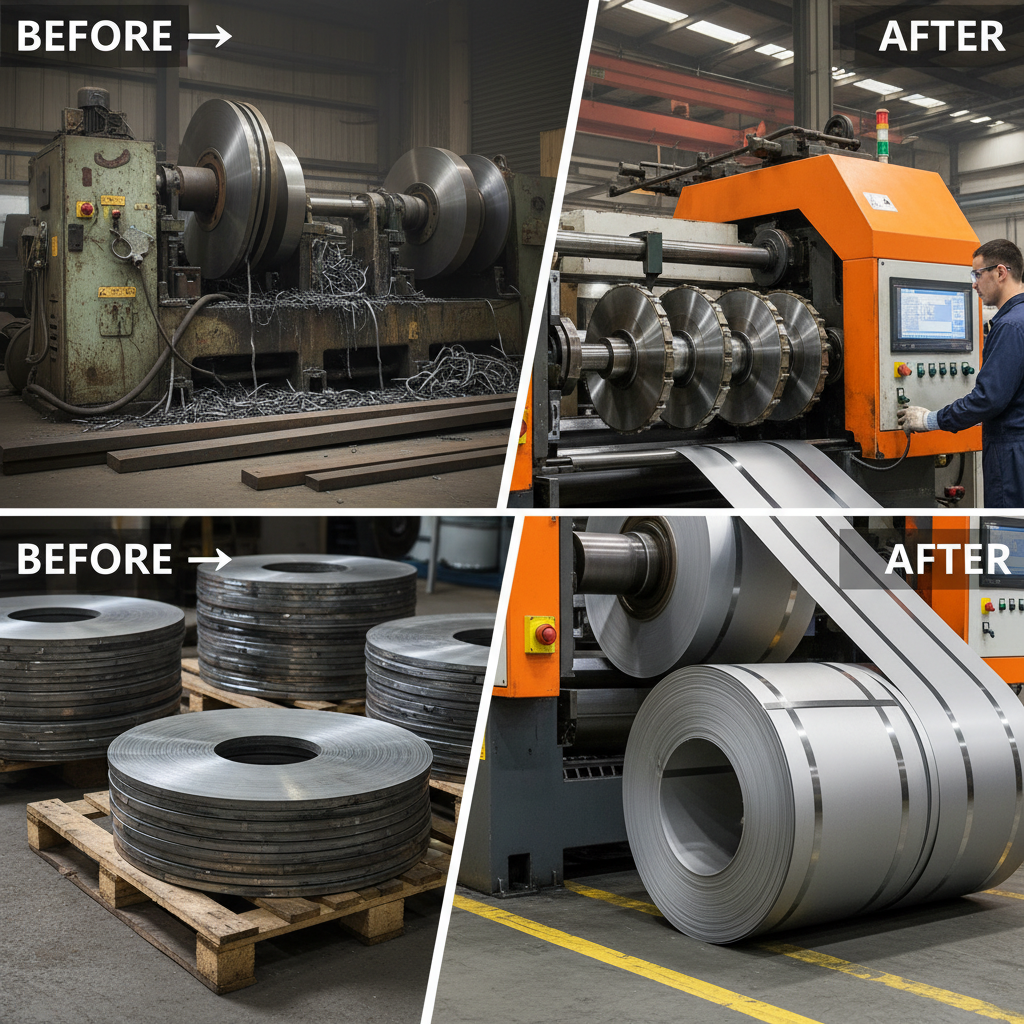
The function of a carbide slitter knife extends beyond simple cutting. It directly impacts the quality and consistency of the finished product. A dull or improperly designed knife can cause tearing, burring, or uneven edges, leading to waste and production delays. Properly maintained carbide slitter knives ensure clean, precise cuts, maximizing material utilization and upholding stringent quality standards.
In essence, carbide slitter knives represent a critical link in numerous supply chains. They enable the efficient production of packaging materials, labels, tapes, and a vast assortment of other goods essential to modern commerce. Their role is subtle yet fundamental, impacting everything from consumer products to industrial processes.
Core Characteristics of Carbide Slitter Knives
The superior performance of carbide slitter knives arises from a unique set of characteristics. Firstly, their exceptional hardness allows them to penetrate and shear through tough materials without dulling quickly. Secondly, their high wear resistance ensures a long service life, reducing the frequency of knife changes and minimizing downtime. Thirdly, the inherent toughness of carbide prevents chipping or fracturing, even under demanding operating conditions.
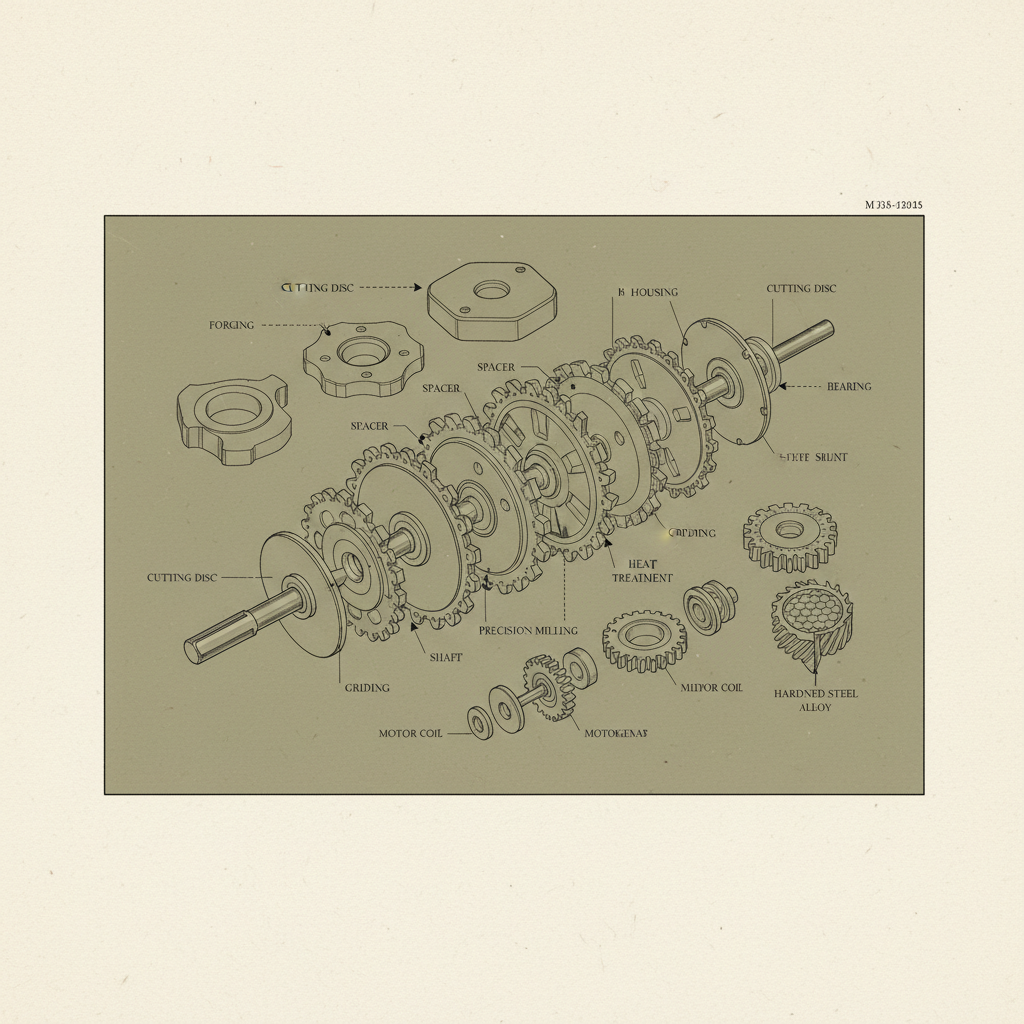
Furthermore, the geometry of a carbide slitter knife plays a crucial role. Different blade angles and edge profiles are designed for specific materials and cutting techniques. The selection of the appropriate geometry directly influences cut quality, material waste, and overall efficiency. Precision grinding is paramount; even microscopic imperfections can impact performance. Finally, corrosion resistance is another key benefit; carbide is largely unaffected by many chemicals and environmental factors, prolonging its lifespan.
The composition of the carbide itself is also critical. Variations in tungsten carbide grain size, cobalt content, and other additives are tailored to optimize performance for specific applications. For example, finer grain sizes generally provide superior surface finish, while higher cobalt content enhances toughness. Understanding these nuances is crucial for selecting the optimal carbide grade for a given task.
Applications Across Diverse Industries
Carbide slitter knives are ubiquitous across a broad spectrum of industries. Within the paper industry, they are used extensively in slitting rolls of paper for packaging, printing, and converting. The plastic film industry relies on them for precise cutting of plastic sheets and rolls used in packaging, lamination, and agricultural films. The textile industry employs carbide slitter knives in the slitting of fabrics and non-woven materials for apparel, upholstery, and industrial applications.
Beyond these core sectors, carbide slitter knives also find application in the metalworking industry, particularly for slitting thin metal strips and foils. The adhesive tape industry utilizes them for precise cutting of adhesive tapes and labels. Even in more specialized areas like medical device manufacturing, where precision and material purity are paramount, carbide slitter knives are employed for cutting sensitive materials.
Geographically, the demand for carbide slitter knives is concentrated in regions with robust manufacturing sectors. Asia-Pacific, particularly China and India, represents a significant market due to its rapid industrial growth. North America and Europe also maintain substantial demand, driven by high-quality manufacturing standards and technological innovation. The need for these knives extends to remote industrial zones where minimizing downtime is paramount.
Carbide Slitter Knife Performance Comparison
Advantages and Long-Term Value
The advantages of utilizing carbide slitter knives extend far beyond initial cutting performance. The primary benefit lies in their cost-effectiveness over the long term. While the upfront investment may be higher compared to steel blades, the significantly extended lifespan of carbide knives translates to fewer replacements, reduced downtime, and lower overall tooling costs. This directly impacts a company’s bottom line.
From a sustainability perspective, carbide slitter knives contribute to waste reduction. Their precision cutting capabilities minimize material scrap, and their durability reduces the environmental impact associated with frequent tool disposal. This aligns with growing corporate social responsibility initiatives and helps businesses minimize their environmental footprint. Investing in these tools offers reliability and consistency in cutting operations.
Emerging Trends & Future Innovations
The future of carbide slitter knives is focused on several key areas. Advanced coating technologies are being developed to further enhance wear resistance and reduce friction, extending knife life and improving cut quality. Digitalization is also playing a role, with the integration of sensors and data analytics to monitor knife performance in real-time, enabling predictive maintenance and optimized cutting parameters.
Furthermore, research into new carbide compositions is ongoing, aiming to develop materials with even greater toughness and hardness. The increasing demand for sustainable manufacturing practices is driving the development of recycling programs for used carbide tools, reducing waste and conserving valuable resources.
Common Challenges & Innovative Solutions
Despite their numerous advantages, utilizing carbide slitter knives isn’t without challenges. Proper knife sharpening is crucial to maintain optimal performance, and requires specialized equipment and expertise. Selecting the correct knife geometry for a specific application can also be complex, requiring a thorough understanding of material properties and cutting parameters.
To address these challenges, manufacturers are developing automated sharpening systems that simplify the maintenance process. Advanced simulation software is also being utilized to optimize knife geometry and predict cutting performance. Furthermore, collaborative partnerships between knife manufacturers and end-users are fostering knowledge sharing and accelerating innovation.
Another potential issue is material buildup on the knife edge, which can affect cut quality. Innovations like specialized surface treatments are helping to mitigate this issue.
Summary of Carbide Slitter Knife Challenges and Solutions
| Challenge |
Impact on Operation |
Current Solutions |
Future Innovations |
| Knife Sharpening Complexity |
Reduced Cutting Efficiency, Increased Downtime |
Specialized Sharpening Services, Manual Sharpening Machines |
Automated Knife Sharpening Systems, Remote Diagnostics |
| Incorrect Knife Geometry |
Poor Cut Quality, Material Waste |
Expert Consultation, Trial and Error |
Cutting Simulation Software, AI-Powered Geometry Optimization |
| Material Build-up on Knife Edge |
Reduced Cut Precision, Increased Friction |
Regular Cleaning, Blade Coatings |
Self-Cleaning Knife Designs, Anti-Adhesion Coatings |
| Carbide Grade Selection |
Suboptimal Performance, Premature Wear |
Material Testing, Vendor Expertise |
AI-Driven Material Analysis, Personalized Carbide Recommendations |
| Knife Damage/Fracture |
Production Stoppage, Safety Hazards |
Regular Inspection, Protective Measures |
Advanced Material Sensors, Fracture-Resistant Carbide Formulations |
| Cost of Initial Investment |
Budgetary Constraints, Hesitation to Upgrade |
Life Cycle Cost Analysis, Financing Options |
Leasing Programs, Subscription-Based Knife Services |
FAQS
The lifespan of a carbide slitter knife varies greatly depending on the material being cut, the operating conditions, and the quality of the carbide grade. However, a well-maintained carbide slitter knife can typically last from several weeks to several months, significantly outperforming steel blades. Factors like abrasive content, cutting speed, and proper lubrication all influence longevity. Regular sharpening and inspection are critical for maximizing knife life.
Selecting the correct carbide slitter knife involves considering several factors. First, identify the material being cut. Different materials require different carbide grades and geometries. Next, assess the cutting speed and pressure. Finally, consider the desired cut quality and the level of precision required. Consulting with a qualified knife manufacturer can help you determine the optimal solution for your specific needs.
Carbide slitter knives require regular maintenance to maintain optimal performance. This includes frequent inspection for wear and damage, and prompt sharpening when the cutting edge becomes dull. Proper cleaning to remove material buildup is also essential. Furthermore, storing knives properly when not in use prevents damage and corrosion. Following the manufacturer’s recommendations is crucial.
Yes, carbide slitter knives typically have a higher upfront cost than steel blades. However, their superior durability and extended lifespan often result in a lower total cost of ownership. The reduced downtime, increased efficiency, and improved product quality associated with carbide knives can more than offset the initial investment. A life-cycle cost analysis is recommended to determine the true economic benefit.
Carbide slitter knives are extremely sharp and pose a significant safety hazard. Always wear appropriate personal protective equipment (PPE), including gloves and eye protection, when handling knives. Use caution when installing, removing, and sharpening knives. Follow all safety guidelines provided by the knife manufacturer and your company’s safety procedures. Improper handling can lead to serious injury.
Yes, carbide slitter knives can be resharpened, extending their useful life. However, resharpening should be performed by a qualified professional using specialized grinding equipment. Improper resharpening can damage the knife and reduce its performance. The number of times a knife can be resharpened depends on the severity of the wear and the remaining material thickness.
Conclusion
Carbide slitter knives represent a vital component in modern manufacturing, offering unparalleled performance, durability, and cost-effectiveness. Their ability to deliver precise cuts, minimize waste, and extend tooling life makes them an essential asset for businesses across diverse industries. By understanding the core characteristics of these knives, embracing emerging technologies, and addressing common challenges, companies can unlock significant operational improvements and achieve sustained competitive advantage.
Looking ahead, the future of carbide slitter knives will be shaped by advancements in material science, digitalization, and sustainable manufacturing practices. Investing in quality carbide slitter knives, combined with a commitment to proper maintenance and continuous improvement, is a strategic move that will yield long-term benefits. For further information and to explore our range of high-performance carbide slitter knives, please visit our website: www.mechblades.com.