See us at E-Waste World Expo 2026 ( Booth D136 ) June 17-18th , Messe Frankfurt, Germany

0%

Table of Contents

Industrial slitter blades are essential components in a multitude of manufacturing and processing industries, quietly powering the production of everything from paper and plastics to textiles and metal sheeting. Their precision and durability directly impact the quality, efficiency, and cost-effectiveness of countless products we rely on daily. Understanding the intricacies of these blades – their materials, geometries, and applications – is critical for engineers, procurement professionals, and anyone involved in process optimization.

The global demand for industrial slitter blades is intrinsically linked to economic growth and industrial output. According to data from the United Nations, manufacturing continues to be a significant driver of global GDP, particularly in emerging economies. This growth fuels the need for efficient and reliable slitting solutions. The packaging industry, a major consumer of slitter blades, is itself projected to experience substantial expansion due to the continued rise of e-commerce and consumer goods demand.

However, the increasing demands on manufacturing processes present challenges. Maintaining consistent quality, minimizing downtime, and optimizing material usage are paramount. This is where advanced industrial slitter blades, incorporating cutting-edge materials and precision engineering, become indispensable. The right blade selection can significantly reduce waste, improve production speeds, and ultimately boost profitability.
The Critical Role of Industrial Slitter Blades in Modern Manufacturing Processes

Defining Industrial Slitter Blades

The Critical Role of Industrial Slitter Blades in Modern Manufacturing Processes

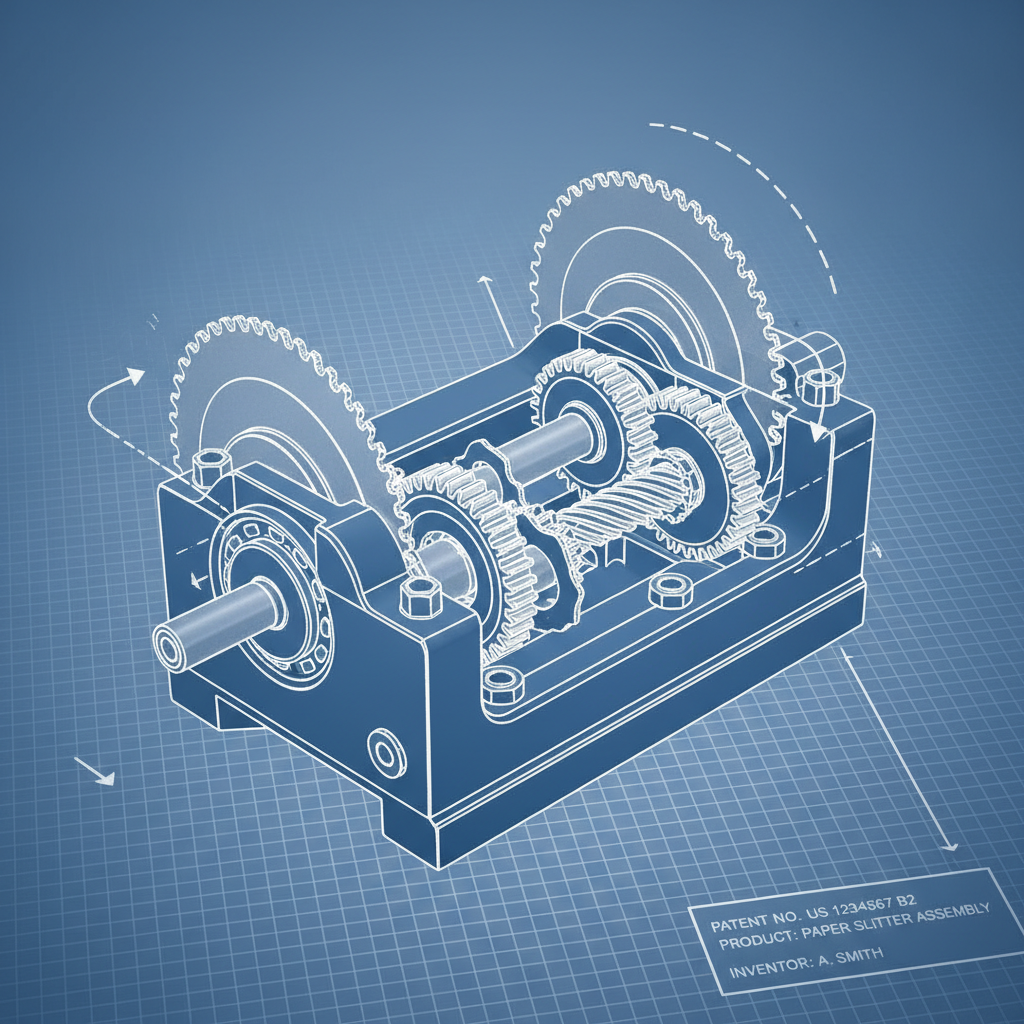
Industrial slitter blades are highly engineered cutting tools used to precisely cut materials into defined widths. They are critical in converting large rolls of material – such as paper, plastic film, nonwovens, and metal – into smaller, more manageable rolls or sheets. These blades are designed for high-speed operation, offering clean, consistent cuts with minimal waste.

The connection to modern industry is undeniable. Without efficient slitting processes, the mass production of packaging materials, labels, tapes, and a vast range of other products would be severely hampered. Furthermore, the continual improvement of industrial slitter blades directly contributes to resource efficiency by minimizing scrap and optimizing material usage.

The Importance of Blade Material

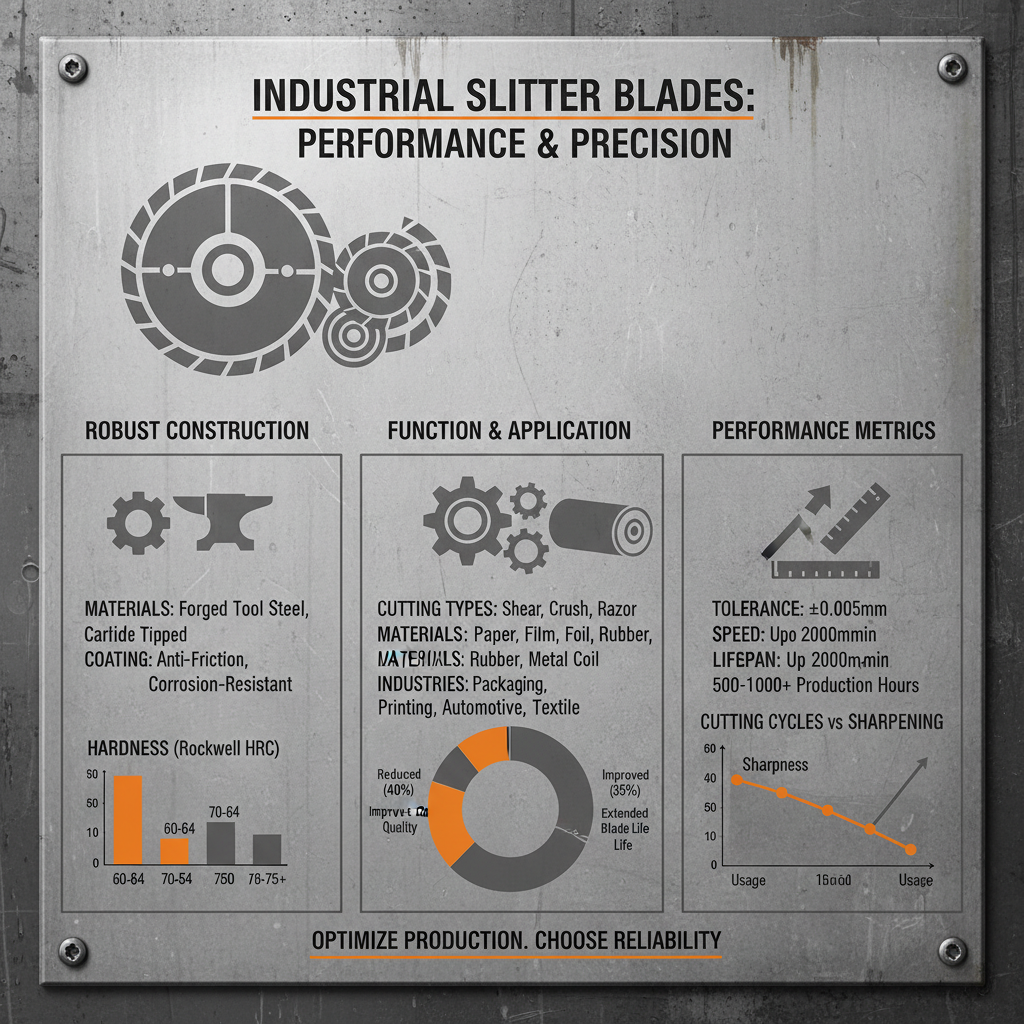
The material used in an industrial slitter blade is arguably its most critical attribute. Different materials offer varying levels of hardness, toughness, and corrosion resistance, making them suitable for different applications. High-carbon steel is a common choice for general-purpose slitting, offering a good balance of cost and performance. However, for more demanding applications, tool steels like D2 and O1 are preferred due to their superior hardness and wear resistance.

For extremely abrasive materials or corrosive environments, blades made from tungsten carbide or ceramics are often employed. These materials offer exceptional hardness and resistance to wear, but they are also significantly more expensive. Selecting the correct blade material involves carefully considering the material being slit, the desired cutting speed, and the operating environment.

Ultimately, the right material extends blade life, reduces downtime for blade changes, and ensures consistent cut quality. Partnering with a reputable supplier like industrial slitter blades can help you navigate these complex material choices.

Precision and Geometry

The precision of an industrial slitter blade's geometry is equally important as the material it’s made from. Blade angle, side clearance, and blade thickness all play crucial roles in achieving a clean, consistent cut. Improper geometry can lead to burrs, uneven edges, and increased material waste.

Different slitting applications require different blade geometries. For example, shear slitting, commonly used for plastic films, requires a specific blade angle to minimize deformation. Score slitting, employed for more brittle materials, demands a sharper edge and precise side clearance. Manufacturers often customize blade geometry to optimize performance for specific materials and machines.

Modern slitter blade manufacturing utilizes advanced grinding and polishing techniques to achieve the highest levels of precision. High-quality blades will exhibit minimal runout and consistent edge sharpness, contributing to long-term performance and reduced maintenance.

Cost-Effectiveness and Lifespan

While initial cost is a factor, focusing solely on the price of industrial slitter blades can be shortsighted. A cheaper blade that requires frequent replacement will ultimately be more expensive than a higher-quality blade with a longer lifespan. Considering the total cost of ownership – including blade cost, downtime for changes, and material waste – is crucial.

Several factors influence blade lifespan, including material quality, geometry, operating speed, and the abrasive nature of the material being slit. Proper blade maintenance, such as regular sharpening, can also significantly extend its useful life.

Industrial Slitter Blade Lifespan Comparison


Global Applications of Industrial Slitter Blades

The applications of industrial slitter blades are incredibly diverse, spanning numerous industries worldwide. The packaging industry relies heavily on these blades for slitting film, foil, and paperboard for food packaging, consumer goods, and industrial wrapping. The textile industry utilizes slitter blades to precisely cut fabrics for apparel, home furnishings, and technical textiles.

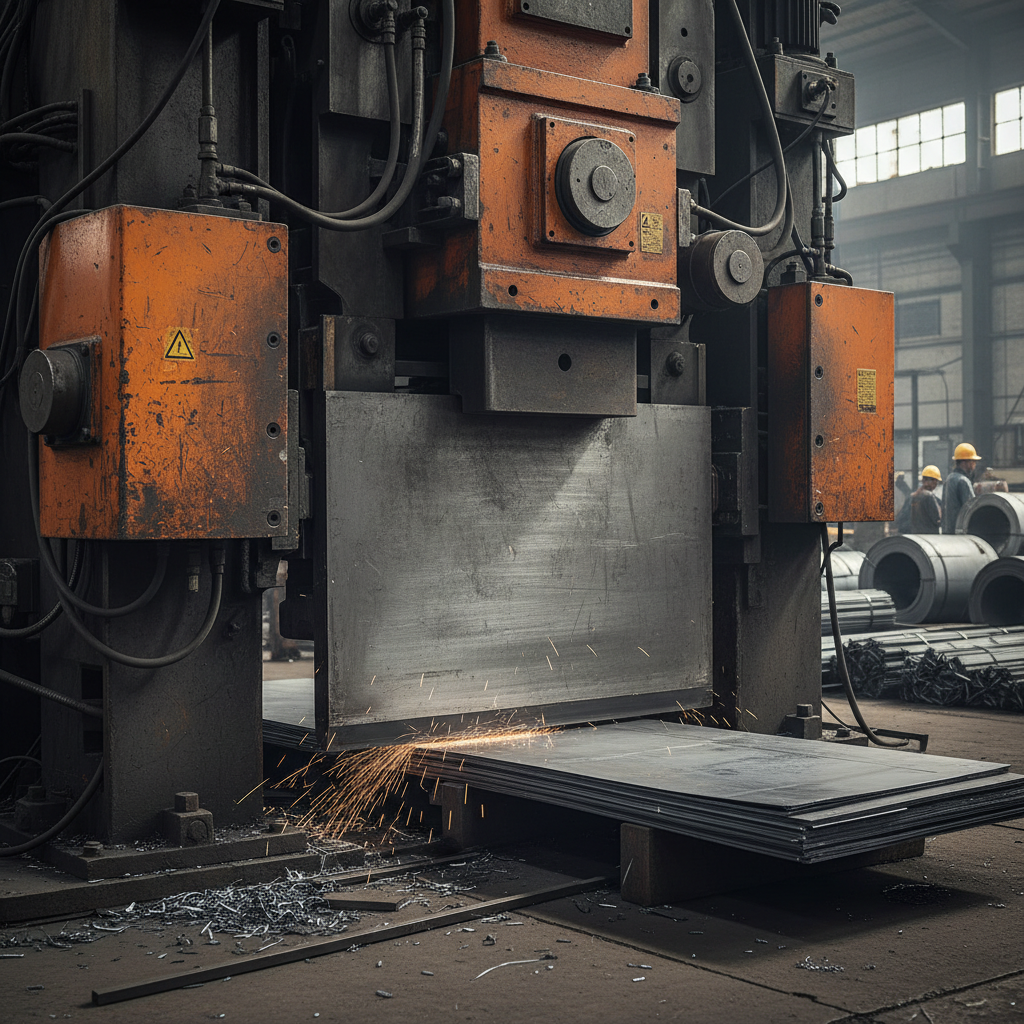
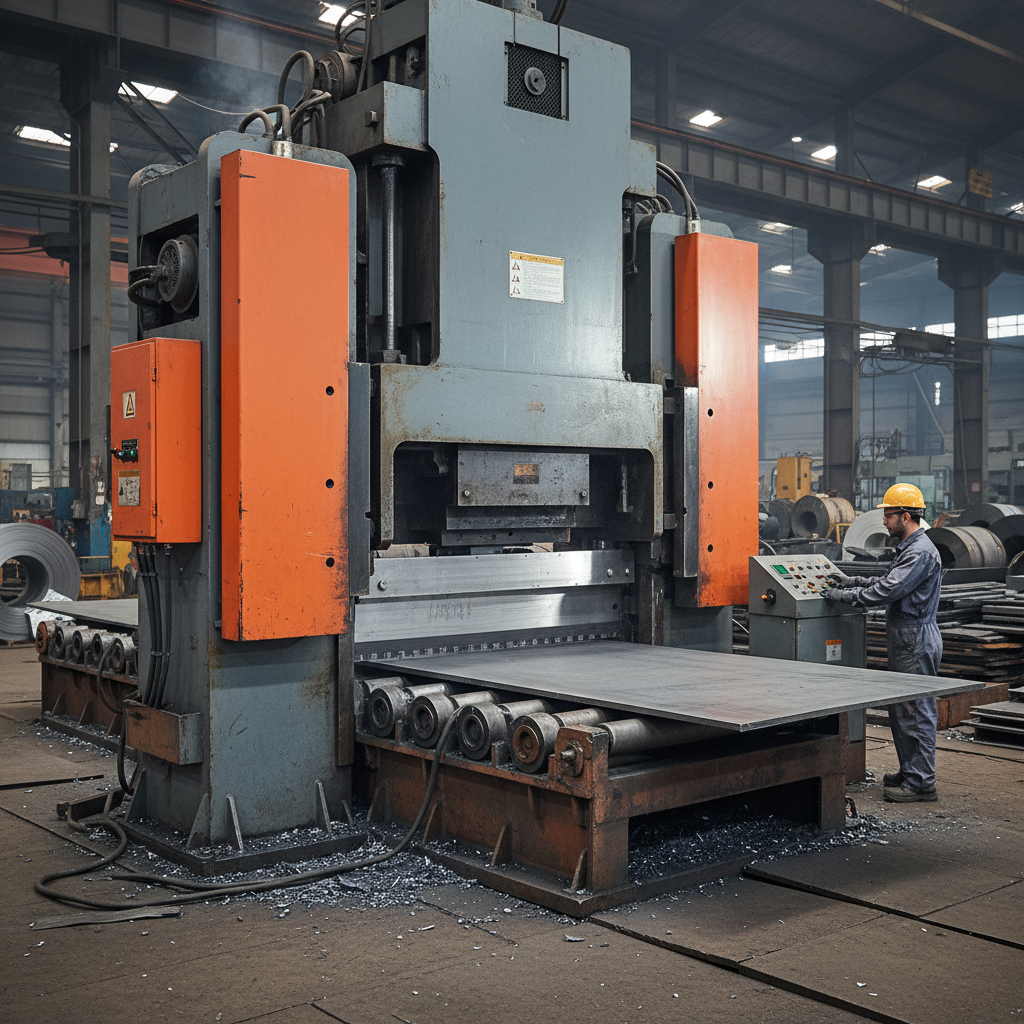
In the paper and converting industries, slitter blades are crucial for producing rolls of paper, labels, and tape. The metalworking sector employs slitter blades for slitting coils of steel, aluminum, and other metals for various manufacturing processes. These blades are found in processing plants across North America, Europe, and Asia, supporting global supply chains.

Advantages and Long-Term Value

Investing in high-quality industrial slitter blades yields numerous tangible benefits. Reduced material waste translates directly into cost savings, while consistent cut quality minimizes defects and improves product reliability. Longer blade life reduces downtime for blade changes, boosting overall production efficiency.

Furthermore, the use of advanced blade materials and geometries can contribute to a safer working environment by minimizing the risk of blade failure and reducing the need for manual blade handling. A reliable supply of high-performance slitter blades is essential for maintaining a competitive edge in today's demanding manufacturing landscape.

Future Trends in Slitter Blade Technology

The future of industrial slitter blade technology is focused on enhancing performance, sustainability, and automation. Research and development efforts are underway to create new blade materials with even greater hardness, wear resistance, and corrosion resistance. The integration of sensor technology into slitter blades will enable real-time monitoring of blade condition, predicting wear and optimizing maintenance schedules.

Digitalization is also playing a role, with advanced software tools being used to design and optimize blade geometries for specific applications. Automation, including robotic blade changing systems, is becoming increasingly common, further reducing downtime and improving efficiency.

Key Performance Indicators for Industrial Slitter Blades

Blade Material Lifespan (Rolls) Cut Quality (Scale 1-10) Cost (Per Blade)
High-Carbon Steel 200-300 7 $50
D2 Tool Steel 400-600 8 $120
Tungsten Carbide 800-1200 9 $300
Ceramic 1000+ 10 $450
Coated High-Carbon Steel 300-450 7.5 $80
Specialized Alloy Steel 500-700 8.5 $200

FAQS

What is the typical lifespan of an industrial slitter blade?

The lifespan of an industrial slitter blade varies significantly depending on the material being slit, the blade material, operating speed, and maintenance practices. Generally, a high-carbon steel blade might last for 200-300 rolls, while a tungsten carbide blade can exceed 800 rolls. Regular inspection and sharpening are crucial for maximizing blade life.

How do I choose the right blade material for my application?

Selecting the correct blade material requires careful consideration of several factors. If you're slitting abrasive materials like fiberglass, a harder material like tungsten carbide is recommended. For softer materials like plastic film, high-carbon steel or D2 tool steel might suffice. Consult with a blade specialist to determine the optimal material for your specific needs.

What is the importance of blade sharpness?

Blade sharpness is paramount for achieving clean, consistent cuts and minimizing material waste. A dull blade requires more force to cut, leading to increased wear and tear on the blade and the machine. Regular sharpening is essential for maintaining optimal performance and extending blade lifespan. industrial slitter blades can help with finding sharpening services.

How often should I replace my slitter blades?

The frequency of blade replacement depends on usage and wear. Look for signs of dullness, chipping, or cracking. If you notice increased cutting force, uneven edges, or excessive material waste, it's time to replace the blades. Implement a preventative maintenance schedule to proactively replace blades before they fail.

What safety precautions should I take when handling slitter blades?

Slitter blades are extremely sharp and pose a significant safety risk. Always wear appropriate personal protective equipment (PPE), including gloves and safety glasses. Handle blades with care and use proper lifting techniques. Ensure that the slitting machine is properly guarded and that all safety interlocks are functioning correctly.

Can industrial slitter blades be resharpened?

Yes, many industrial slitter blades can be resharpened, extending their lifespan and reducing costs. However, not all blades are suitable for resharpening, particularly those made from very hard materials. Professional resharpening services can restore the blade’s cutting edge to its original specifications.

Conclusion

Industrial slitter blades are fundamental to a vast array of manufacturing processes, quietly enabling the production of countless essential goods. From material selection and precision geometry to lifespan optimization and future innovations, understanding the intricacies of these blades is crucial for maximizing efficiency, minimizing waste, and ensuring product quality. Investing in high-quality blades and proper maintenance practices delivers significant long-term value.

As manufacturing continues to evolve, the demand for advanced slitter blade technology will only increase. Embracing innovations in materials, automation, and data-driven optimization will be key to staying competitive. For reliable, high-performance industrial slitter blades and expert guidance, visit our website today: www.mechblades.com.

William Anderson

William Anderson

William Anderson is a Technical Support Specialist at Binsheng, based in our Jiangsu Province facility. He provides direct technical assistance to our North American clients, resolving application issues and offering expert advice on blade maintenance. William has a background in mechanical engineering and a passion for problem-solving. He's the first
Previous Precision Engineering of Shear Slitting Knives for Modern Industrial Applications
Next Optimizing Production with High Performance Round Slitter Blades