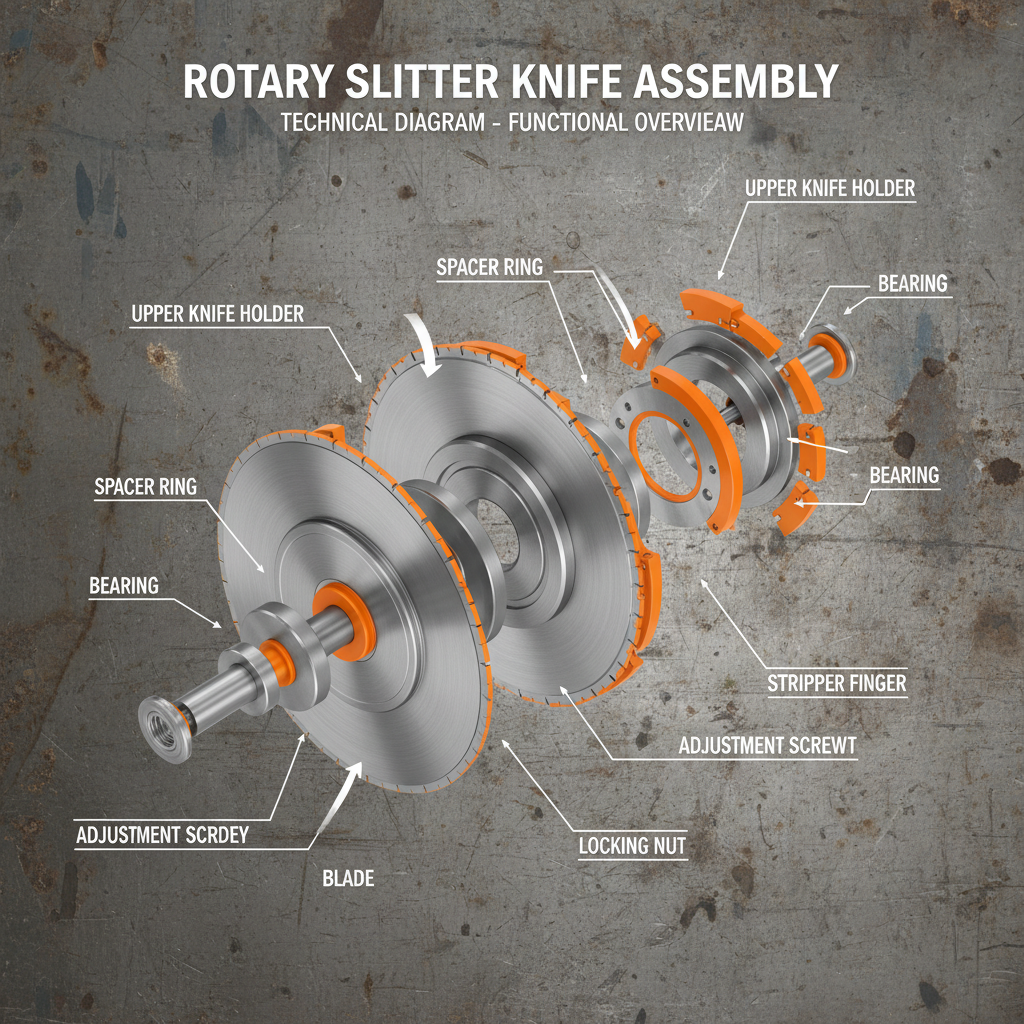
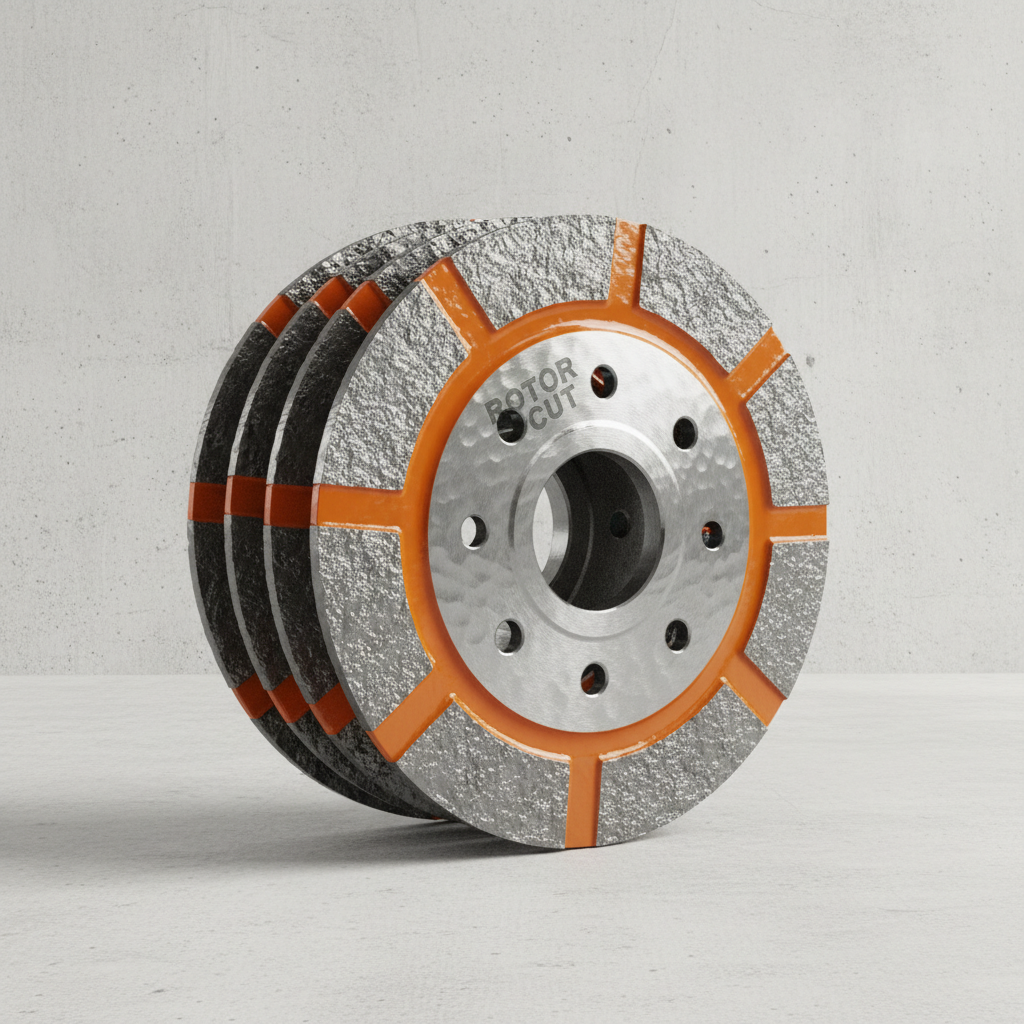
Metallurgical diamond blades represent a critical advancement in materials science and industrial tooling. These blades, far beyond simple cutting tools, are engineered composites meticulously designed for precision, durability, and efficiency across a multitude of applications. The global demand for high-performance cutting solutions fuels continuous innovation in metallurgical diamond blade technology, driving economic growth and enabling progress in various sectors, from construction and manufacturing to geological exploration and scientific research. Understanding the nuances of these blades is essential for optimizing performance and ensuring safe and effective operation.
The increasing complexity of modern materials necessitates cutting tools that can withstand extreme conditions and deliver unparalleled accuracy. Metallurgical diamond blades address this challenge by integrating industrial-grade diamonds with robust metal matrices, creating a synergistic effect that maximizes cutting power and minimizes wear. This results in increased productivity, reduced material waste, and ultimately, lower operational costs. The evolution of these blades reflects a broader trend towards specialized tooling solutions tailored to the specific needs of diverse industries.
Furthermore, the development and deployment of metallurgical diamond blades contribute to sustainable practices by extending tool lifespan and reducing the need for frequent replacements. This minimizes environmental impact and supports responsible resource management, aligning with growing global initiatives for eco-friendly industrial processes. The blade’s ability to cut through exceptionally hard materials with minimal effort also translates to energy savings, further enhancing its sustainability profile.
Introduction to Metallurgical Diamond Blades
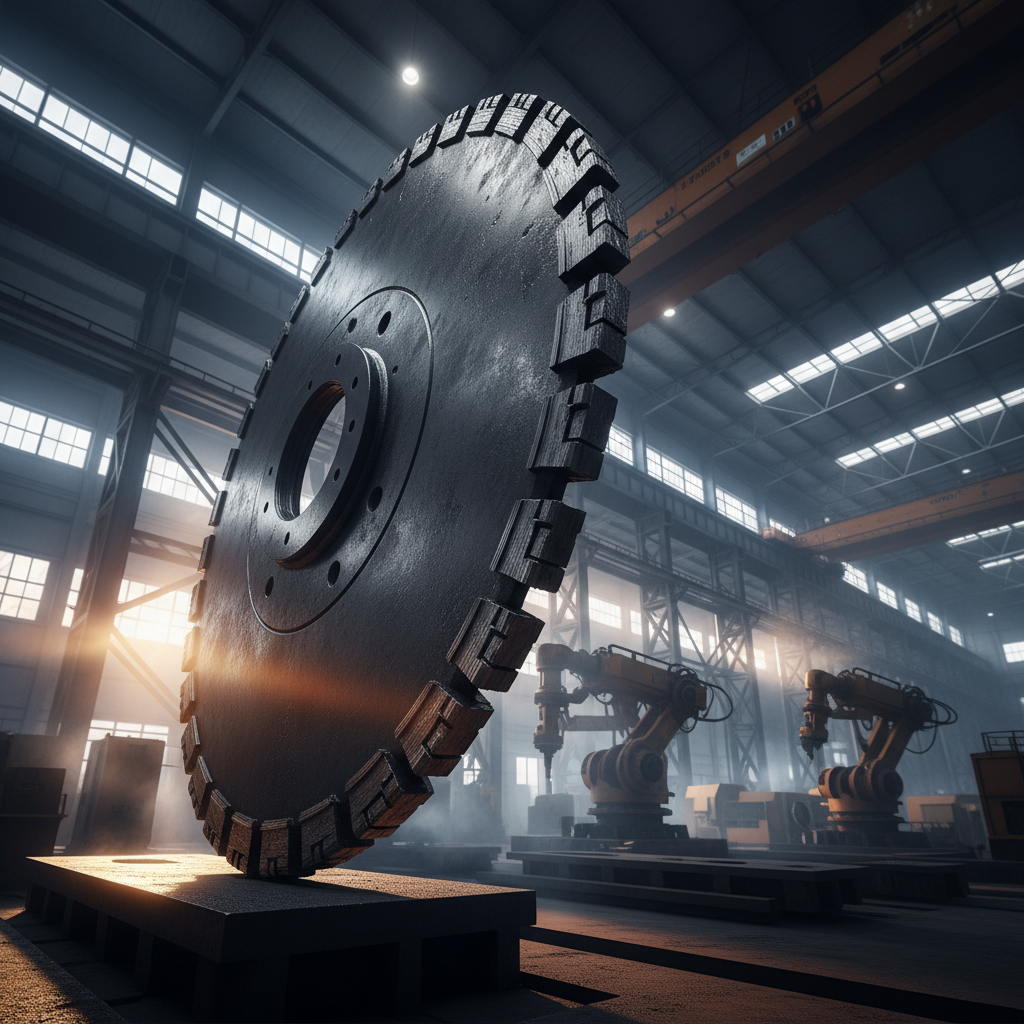
Metallurgical diamond blades are specialized cutting tools meticulously engineered by bonding industrial diamonds to a metal matrix. This process yields a blade capable of tackling materials traditional tools struggle with, like hardened steel, concrete, stone, and ceramics. These blades aren’t simply for industrial applications; they’re integral to a surprisingly diverse range of sectors.
The fundamental strength of a metallurgical diamond blade lies in the synergetic relationship between the diamond abrasive and the metallic bond. The metal matrix doesn’t just hold the diamonds in place; it actively participates in the cutting process, providing support, cooling, and chip evacuation, ultimately extending the blade's lifespan and maintaining consistent performance. metallurgical diamond blade solutions are therefore a smart investment.
Defining Metallurgical Diamond Blades
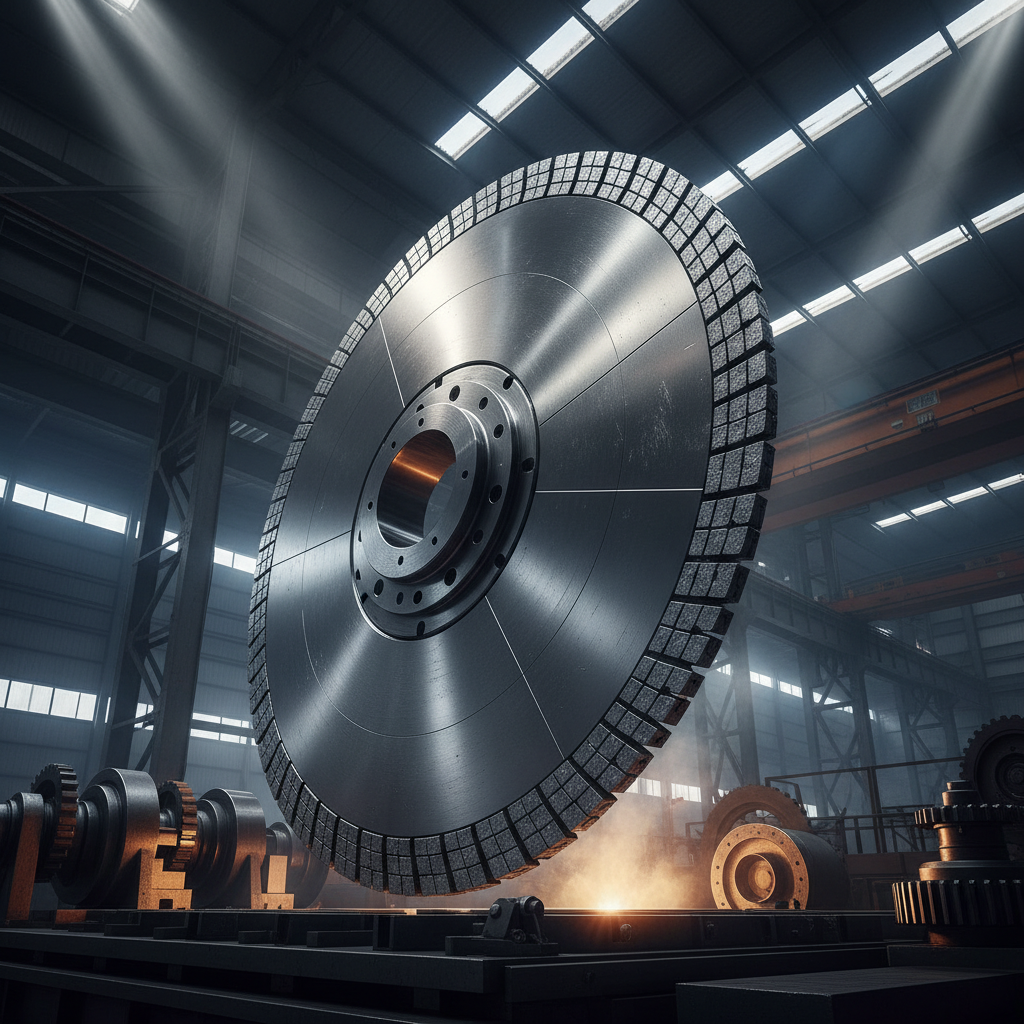
A metallurgical diamond blade can be defined as a circular cutting tool featuring industrial diamonds embedded within a metallic matrix, typically composed of alloys like steel, cobalt, or iron. Unlike blades using naturally occurring diamonds, these employ synthetically produced diamonds, optimized for hardness, crystalline structure, and consistent particle size. The metallurgical bond securely fixes the diamond grit and allows for efficient material removal.
The connection to modern industry is profound. Metallurgical diamond blades have become indispensable in sectors demanding precise, efficient, and durable cutting solutions. From the construction industry slicing through reinforced concrete to the aerospace sector machining high-strength alloys, these blades enable processes that would be otherwise impossible or prohibitively expensive.
This technology directly addresses critical humanitarian needs as well. In disaster relief, for instance, these blades facilitate the rapid cutting of hardened materials for rescue operations and infrastructure repairs, saving lives and accelerating recovery efforts. The precision offered is essential for specialized applications where accuracy is paramount.
Core Components and Manufacturing
The two primary components of a metallurgical diamond blade are the industrial diamonds and the metal matrix. Industrial diamonds, synthesized through high-pressure, high-temperature (HPHT) processes, possess exceptional hardness and wear resistance. Different diamond grit sizes and qualities are selected based on the target material and desired cutting action. The diamond’s crystal structure and shape also play a role in the blade’s performance.
The metal matrix, typically an alloy of steel, cobalt, or iron, serves as the bonding agent, providing structural integrity and facilitating heat dissipation. The composition of the matrix is carefully controlled to optimize its hardness, toughness, and bonding strength. Segmented blades often employ a softer matrix between diamond segments to provide flexibility and reduce the risk of cracking.
Manufacturing involves a precise sintering process where diamond grit is mixed with metal powder and subjected to high temperatures and pressures. This process creates a metallurgical bond between the diamonds and the metal matrix, resulting in a robust and durable blade. Quality control measures throughout the manufacturing process are crucial to ensure consistent diamond distribution and matrix integrity.
Key Performance Characteristics
Several key characteristics define the performance of a metallurgical diamond blade. Durability is paramount; blades must withstand significant stress and abrasion without losing cutting efficiency. This is directly linked to the quality of the diamond grit and the strength of the metal matrix bond. Hardness dictates the blade's ability to cut through challenging materials.
Cutting speed, influenced by diamond grit size and matrix exposure, determines the rate of material removal. A balance between speed and durability is crucial for optimizing productivity. Heat dissipation capability is also important; effective heat management prevents diamond degradation and extends blade life.
Metallurgical Diamond Blade Performance Metrics
Global Applications & Industry Integration
Metallurgical diamond blades find extensive applications in the construction industry for cutting concrete, asphalt, and other building materials. They are vital for road construction, bridge building, and the demolition of structures. In the stone and masonry sector, these blades are used for cutting granite, marble, and other natural stones for countertops, flooring, and architectural features.
The manufacturing industry relies on these blades for machining hardened metals, ceramics, and composite materials. Aerospace, automotive, and medical device manufacturers utilize these tools for precision cutting and shaping of complex components. Geological exploration benefits from their ability to core through rock formations for sample analysis. metallurgical diamond blade advancements are constantly widening their reach.
Advantages and Long-Term Value Proposition
The advantages of using metallurgical diamond blades are significant. Cost-effectiveness is achieved through extended blade life and reduced downtime. Sustainability is enhanced by minimizing material waste and energy consumption. Safety is improved by providing a cleaner, more precise cut, reducing the risk of kickback or blade breakage.
These blades offer a tangible return on investment, boosting productivity and reducing overall operational costs. The improved precision and quality of the cut translate to reduced rework and higher-quality finished products. The durability and reliability of these blades inspire trust and contribute to a more efficient and profitable operation.
The long-term value extends beyond purely economic considerations. Contributing to safer working conditions and reducing environmental impact align with corporate social responsibility goals, fostering a positive brand image and attracting environmentally conscious customers.
Future Trends and Innovations in Metallurgical Diamond Blades
Ongoing research focuses on developing new metal matrix compositions with enhanced bonding strength and heat dissipation capabilities. Nanomaterials are being explored as potential additives to improve diamond retention and cutting performance. Advancements in laser cutting and waterjet technology are also influencing blade design and manufacturing processes.
Digitalization plays a key role, with smart blades equipped with sensors to monitor wear, temperature, and cutting parameters, enabling predictive maintenance and optimized performance. Automation is also increasing, with robotic systems utilizing metallurgical diamond blades for precise and efficient cutting in various industrial applications.
The trend towards sustainable manufacturing is driving the development of eco-friendly blade materials and recycling programs. Future blades may incorporate bio-based matrices or utilize recycled diamond grit, further reducing their environmental footprint.
Core Challenges and Innovative Solutions in Metallurgical Diamond Blade Technology
| Challenge |
Impact on Performance |
Innovative Solution |
Expected Outcome |
| Diamond Grit Washout |
Reduced Cutting Efficiency, Shorter Blade Life |
Enhanced Metal Matrix Bonding with Nanomaterials |
Improved Diamond Retention, Increased Blade Lifespan |
| Heat Buildup During Cutting |
Diamond Degradation, Reduced Cutting Speed |
Implementation of Cooling Channels within the Matrix |
Effective Heat Dissipation, Sustained Cutting Performance |
| Matrix Cracking Under Stress |
Blade Failure, Safety Concerns |
Alloying with Ductile Metals to Increase Matrix Toughness |
Enhanced Structural Integrity, Reduced Risk of Blade Failure |
| Inconsistent Diamond Distribution |
Uneven Cutting, Reduced Precision |
Automated Diamond Embedding Processes with Real-Time Monitoring |
Uniform Diamond Distribution, Improved Cutting Accuracy |
| Material Specific Optimization |
Suboptimal Performance on Certain Materials |
Development of Specialized Blades with Tailored Diamond Grit and Matrix |
Enhanced Cutting Efficiency for Specific Applications |
| Environmental Impact of Manufacturing |
Waste Generation, Energy Consumption |
Implementation of Sustainable Manufacturing Practices, Recycling Programs |
Reduced Environmental Footprint, Improved Sustainability |
FAQS
The lifespan of a metallurgical diamond blade varies significantly based on usage, material cut, and blade quality. Generally, a well-maintained blade used for intermittent cutting of moderately abrasive materials can last for several months or even years. Heavy-duty, continuous cutting of extremely hard materials will shorten the lifespan considerably. Regular inspection and proper cooling techniques are crucial for maximizing blade life.
Selecting the right blade requires considering the material being cut, the type of cut (wet or dry), and the power of your cutting equipment. Softer materials require blades with higher diamond exposure, while harder materials benefit from denser diamond concentrations. Wet cutting generally requires blades designed for water lubrication, preventing overheating. Consulting a metallurgical diamond blade specialist can ensure optimal blade selection.
Always wear appropriate personal protective equipment (PPE), including safety glasses, gloves, and a dust mask. Ensure the blade is properly mounted and guarded, and that the cutting equipment is in good working condition. Follow the manufacturer's instructions for safe operation, and avoid applying excessive pressure to the blade. Never operate a damaged blade.
Some metallurgical diamond blades can be resharpened, but it’s not always cost-effective. Resharpening involves exposing new diamond grit, but repeated sharpening reduces the blade’s thickness and can compromise its structural integrity. It’s generally recommended to replace blades once they’ve reached a certain level of wear. Professional resharpening services are available for certain blade types.
Segmented blades have gaps between diamond segments, providing cooling and allowing for chip evacuation, making them ideal for abrasive materials and tougher cutting tasks. Continuous rim blades have a solid diamond perimeter, offering a smoother, cleaner cut and are best suited for harder, less abrasive materials like tile and glass. Selecting the correct rim type is important for optimal cutting efficiency.
Store your metallurgical diamond blade in a dry, clean environment, protected from moisture and extreme temperatures. Using a blade protector or storage case is recommended to prevent damage to the diamond segments. Avoid stacking blades on top of each other, as this can cause chipping or breakage. Proper storage ensures the blade remains in optimal condition for future use.
Conclusion
Metallurgical diamond blades represent a cornerstone of modern cutting technology, offering unparalleled performance, durability, and versatility across a wide spectrum of industries. From construction and manufacturing to geological exploration and disaster relief, these blades enable processes that were once unimaginable, contributing to increased productivity, improved safety, and sustainable practices. The continuous refinement of materials, manufacturing processes, and digital integration promises further advancements in this critical field.
Looking ahead, the future of metallurgical diamond blades will be shaped by a commitment to innovation, sustainability, and user-centric design. By embracing new technologies, such as nanomaterials and smart blade monitoring systems, and prioritizing eco-friendly manufacturing processes, we can unlock even greater potential for these versatile tools. For cutting-edge solutions and expert advice, visit our website: www.mechblades.com