Look, I’ve been running around construction sites for, well, too many years to count. Seen it all. And lately, everyone's talking about higher throughput, right? More material processed, faster. But it's not just about throwing more horsepower at the problem, believe me. It’s about the blades. Seriously. It all comes down to the granulator blade types. It’s a detail people overlook, but a bad blade setup can bring the whole operation to a standstill.
You wouldn't believe the amount of wasted material I’ve seen because someone cheaped out on the blades or didn't understand what they were actually buying. I mean, it’s not glamorous work, but somebody’s gotta make sure the plastic gets chopped efficiently. And that ‘somebody’ ends up being me, usually troubleshooting why the line's backed up.
Honestly, it’s a surprisingly complex field. Different plastics, different feed rates, different levels of contamination… each one needs a specifically tailored granulator blade types configuration. It’s not a one-size-fits-all kind of thing, you know?
The Rising Demand for Efficient Granulation
To be honest, the pressure's on. Everyone wants to recycle more, use more post-consumer materials. That means more processing, more grinding, more reliance on efficient granulator blade types. The demand is coming from all directions – regulations, consumers wanting "green" products, and businesses trying to cut costs. It's not just about plastics, either; it’s rubber, fibers, even some metals.
And it's not a small market. Globally, the plastic recycling industry alone is worth billions. According to the UN Environment Programme, less than 10% of plastic is actually recycled, which means there’s a huge opportunity—and a huge need—for better technology, and that starts with the blades.
Understanding Granulator Blade Types: A Definition
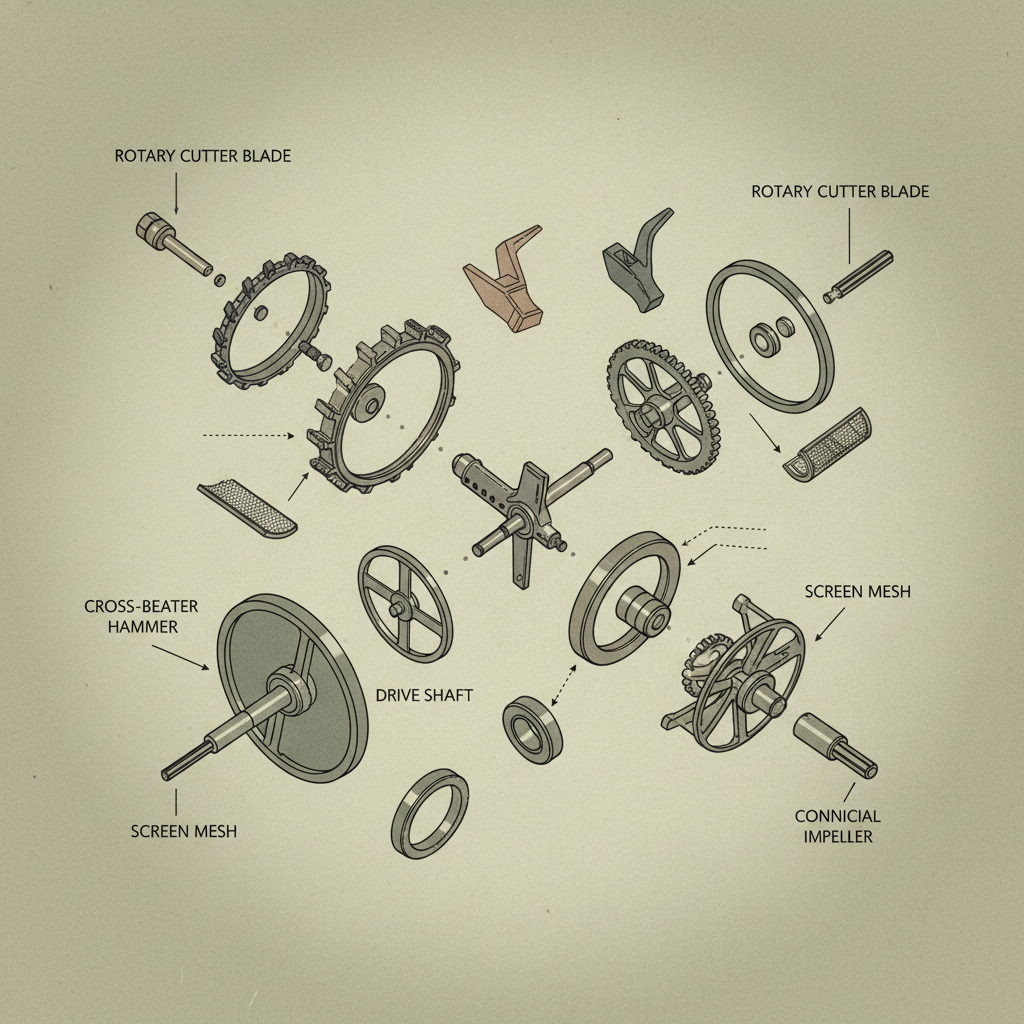
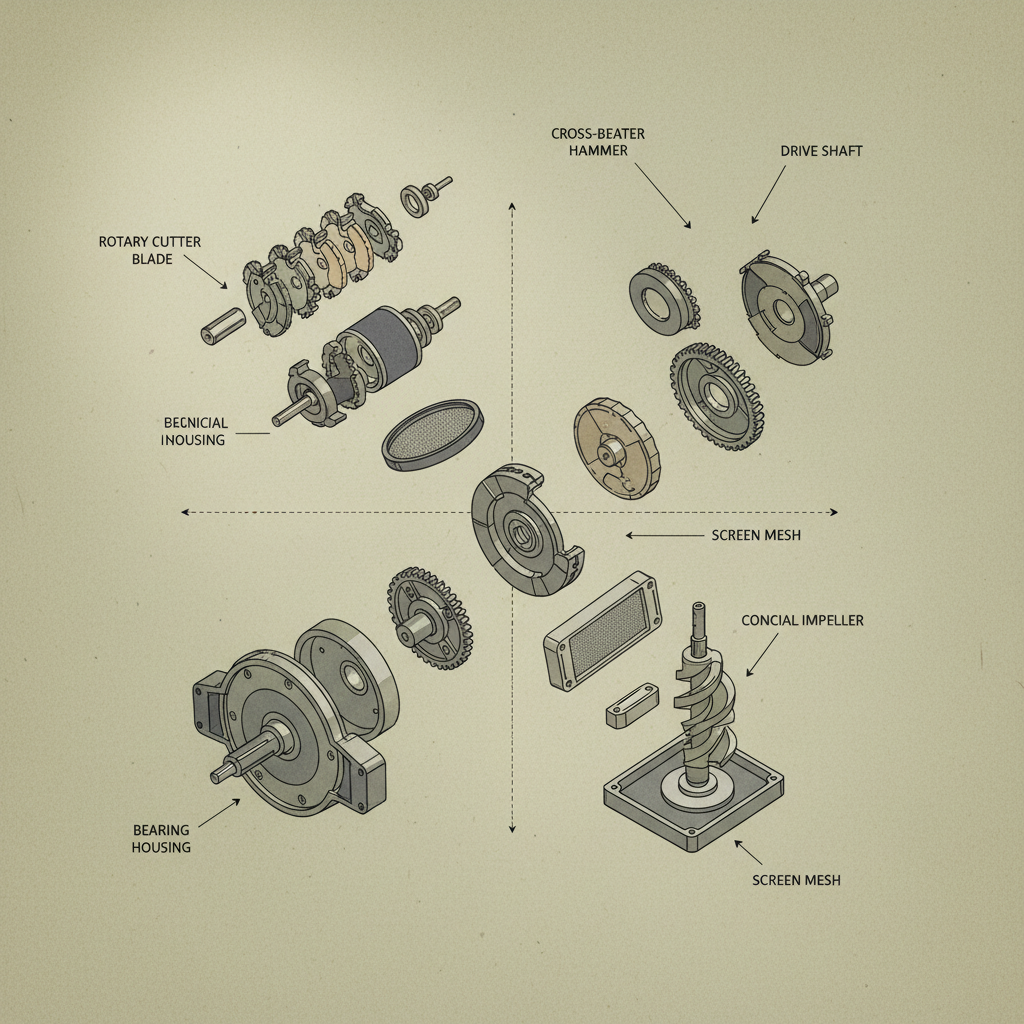
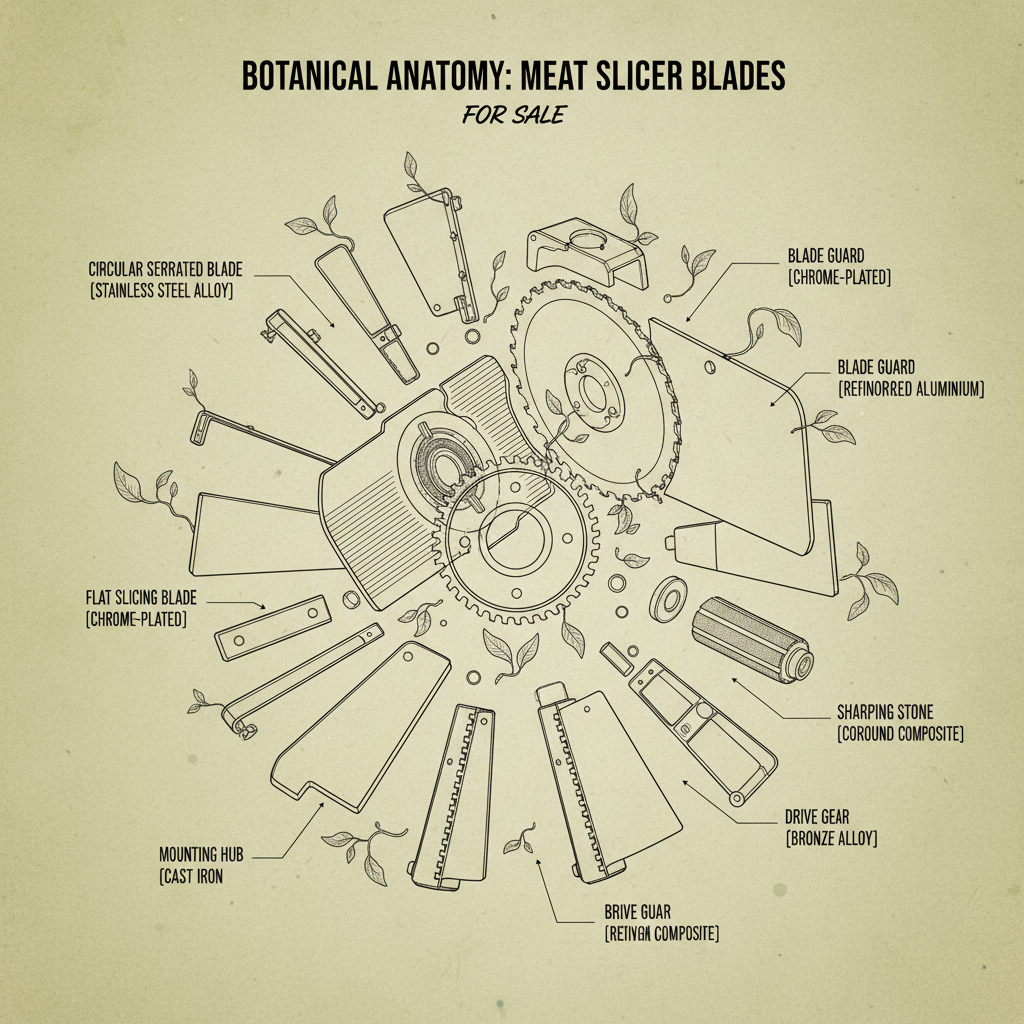
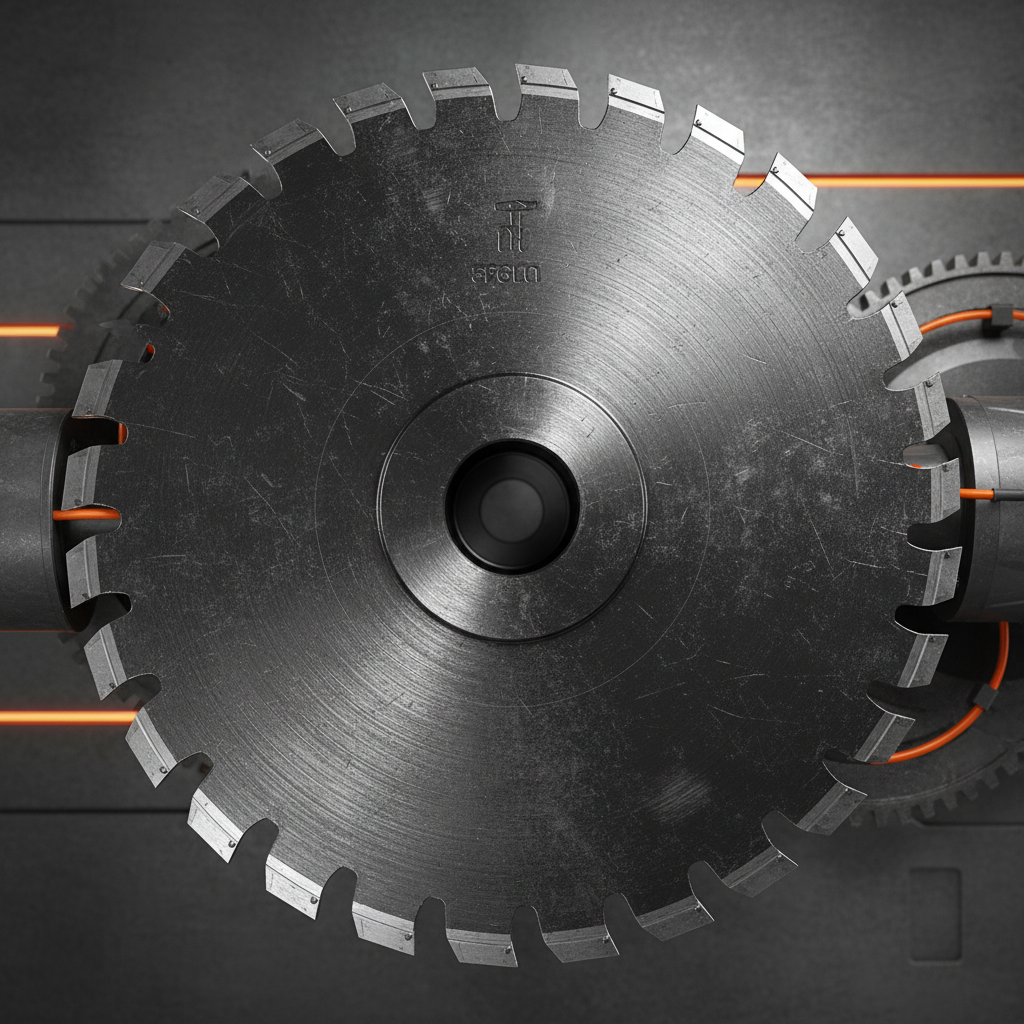
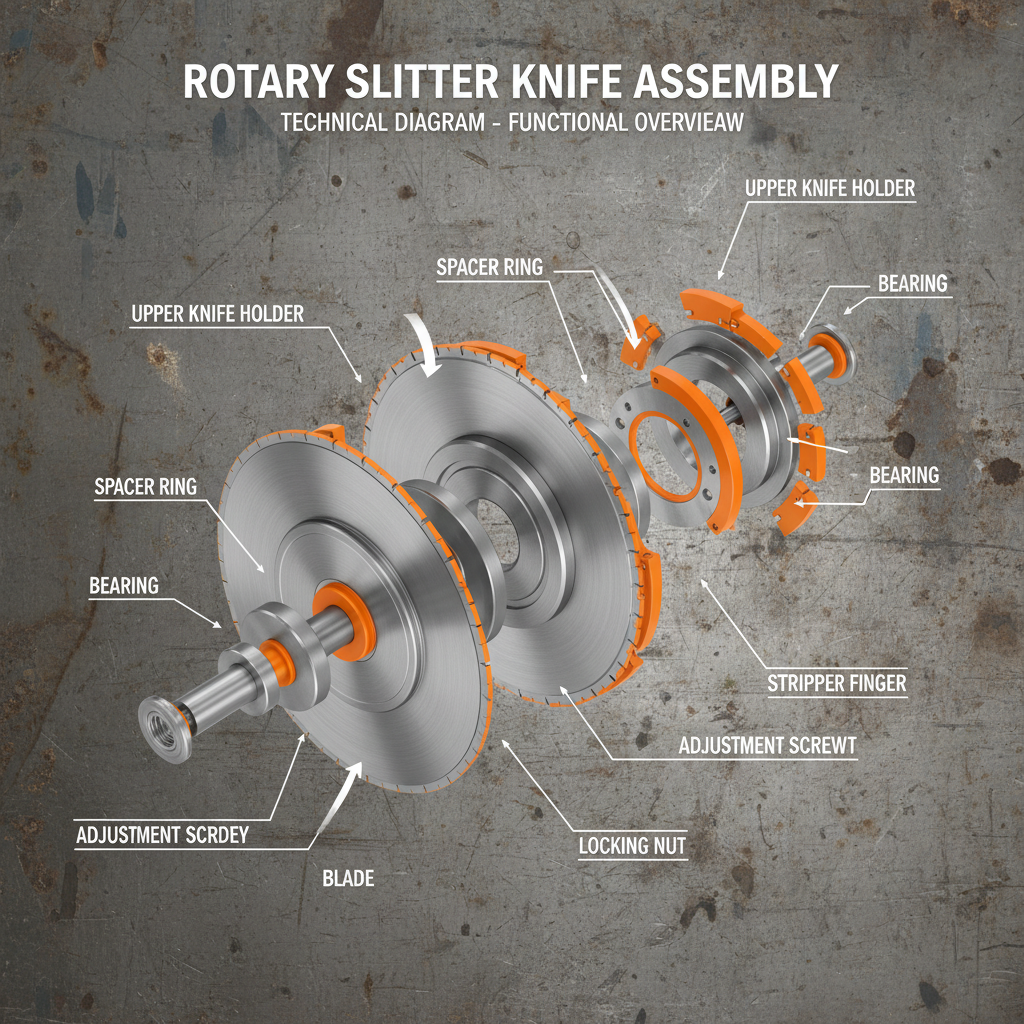
Okay, so what are granulator blade types? Basically, they’re the heart of the granulator machine. They’re the bits of hardened steel that chop up plastic waste into smaller pieces – granules – that can then be re-melted and used to make new products. There are different designs – rotary, square, staggered, etc. – each suited for different materials and applications. It’s about achieving the right cut size, minimizing fines (those tiny dust-like particles that are a pain), and maximizing throughput. It's a seemingly simple process, but the physics involved are surprisingly complex.
This isn’t some newfangled invention, mind you. Granulation has been around for decades, but the materials we’re trying to process are constantly changing – more composites, more multi-layer films, more contaminated waste streams. That means we need blades that are tougher, more durable, and more versatile.
And it ties into modern industry in a big way. We're trying to move toward a circular economy, reduce landfill waste, and conserve resources. Without effective granulator blade types, that whole vision falls apart.
Key Factors Influencing Blade Performance
Have you noticed how many variables are at play? Durability is huge, obviously. These blades take a beating. They're constantly hitting hard plastic, and they need to hold an edge. The material matters – high-speed steel, D2 tool steel, even tungsten carbide for really abrasive materials. I encountered this at a recycling plant in Ohio last time, they were using a cheap steel and it was dulling within hours.
Then there's scalability. Can the blade design handle increasing feed rates without sacrificing quality? Cost-efficiency is critical, too. You don't want to spend a fortune on blades that need replacing every week. And let’s not forget blade geometry. The angle of the cutting edge, the clearance between blades, the number of blades… it all impacts performance. It’s a delicate balance, and getting it wrong can lead to overheating, clogging, and ultimately, a breakdown.
Another thing: material compatibility. Some blades are great for polypropylene, but they'll get chewed up by PET. You need to choose a blade material that can withstand the type of plastic you’re processing. Strangely, even the humidity in the air can affect blade performance. Moisture can cause corrosion, which weakens the blade and reduces its lifespan. It's the little things, you know? And I've seen some really strange problems come from ignoring these 'little things'.
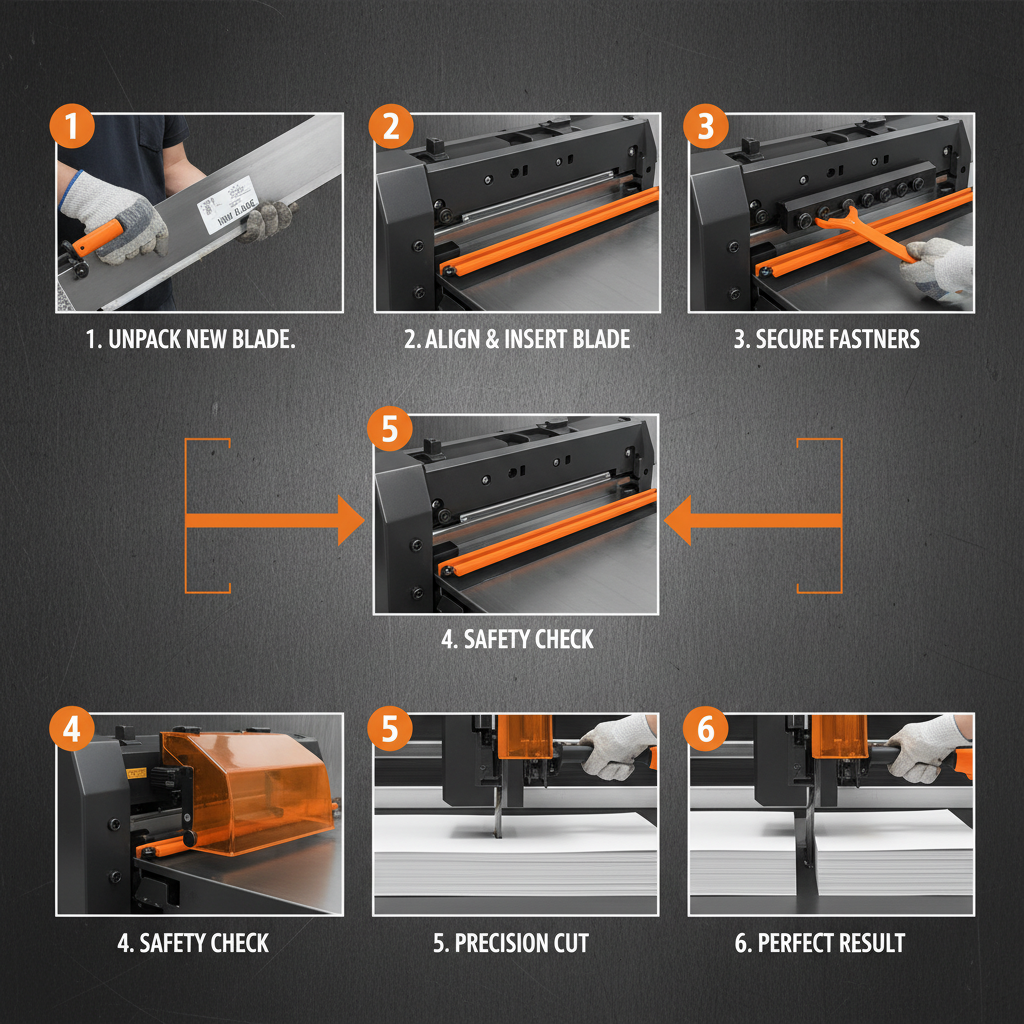
Finally, there's the importance of proper installation and maintenance. A blade that's not properly aligned or sharpened won’t perform well, no matter how good the material is. It’s like trying to drive a car with misaligned wheels – it’s going to be a bumpy ride. And regular inspection is crucial. You need to look for signs of wear and tear, cracks, or chipping. Don’t wait for the blade to break completely; that’s just asking for trouble.
Real-World Applications of Granulator Blade Types
Okay, where are these things actually used? Everywhere, basically. Post-industrial plastic recycling is a big one – taking scrap from manufacturing processes and turning it back into usable material. Think automotive parts, packaging, consumer goods… a ton of stuff. Then you’ve got post-consumer recycling – the stuff you and I throw in the blue bin. That's a tougher application, because the plastic is often more contaminated.
In post-disaster relief operations, portable granulators are being used to process plastic debris and create materials for temporary shelters and other essential supplies. In remote industrial zones, they’re used to recycle waste on-site, reducing transportation costs and environmental impact. Anyway, I think the applications are constantly expanding as people look for more sustainable ways to manage plastic waste.
Granulator Blade Types Performance Comparison
Advantages and Long-Term Value Proposition
The benefits are pretty clear. Lower operating costs thanks to reduced downtime and increased throughput. Improved product quality because you’re getting a more consistent granule size. And, of course, a reduced environmental footprint. But it’s more than just that. Reliable granulator blade types build trust with your customers and stakeholders. It demonstrates a commitment to sustainability and responsible waste management.
I've seen companies win big contracts simply because they could demonstrate a superior recycling process. It's not always about the cheapest price; it's about demonstrating value. And, frankly, a good set of blades means less stress for the operators and maintenance crews. Safety is huge, too – a dull blade requires more force to operate, increasing the risk of injury.
Future Trends and Innovations in Granulation
Things are moving fast. Digitalization is a big one – sensors on the blades to monitor wear and tear, predictive maintenance algorithms to optimize replacement schedules. Automation is also becoming more common, with robotic systems handling blade changes and adjustments.
There’s a lot of research going into new blade materials – ceramics, coatings, even self-sharpening alloys. And, of course, everyone’s looking for ways to process more complex materials – multi-layer plastics, composites with different polymer types. It’s a constant push to improve efficiency and sustainability. Honestly, it's exciting to see what's coming next.
Common Challenges and Practical Solutions
Okay, let’s be real. It’s not all sunshine and roses. A common problem is blade wear – especially with contaminated materials. The solution? Proper pre-cleaning of the waste stream. Another challenge is overheating, which can lead to blade warping and failure. Good ventilation and cooling systems are essential.
I remember last month, that small boss in Shenzhen who makes smart home devices insisted on changing the interface to , and the result was a whole batch of incompatible chargers. Same principle here: sometimes, trying to push the boundaries without understanding the fundamentals just leads to problems.
And, finally, the biggest challenge is finding skilled technicians who can properly install, maintain, and troubleshoot granulator blade types. It’s a specialized skill, and there’s a shortage of qualified people. We need more training programs and apprenticeships.
Granulator Blade Types: Key Performance Indicators
| Blade Material |
Average Lifespan (Hours) |
Cost per Blade |
Suitability for Abrasive Materials |
| High-Speed Steel |
150-200 |
$50-100 |
Low |
| D2 Tool Steel |
250-300 |
$100-150 |
Medium |
| Tungsten Carbide |
400+ |
$200-300 |
High |
| Coated Steel (TiN) |
200-250 |
$120-180 |
Medium |
| Ceramic |
300-400 |
$150-250 |
Medium |
| Stainless Steel |
100-150 |
$40-80 |
Low |
FAQS
The lifespan of a granulator blade processing mixed plastics varies drastically. It depends on the composition, contamination level, and blade material. Generally, you're looking at anywhere from 80 to 250 hours, but highly abrasive contaminants can reduce this significantly. Regular inspection and rotation of blades are key to maximizing their life. Don't push it until it breaks – that leads to more downtime and potential damage.
Choosing the right blade type is critical. You need to consider the type of plastic, its hardness, the desired granule size, and the level of contamination. For example, harder plastics like ABS require tougher blades than softer plastics like polyethylene. A good starting point is to consult with a blade manufacturer and provide them with detailed information about your process. They can often recommend the best solution.
There are several telltale signs. Increased noise levels during operation, larger granule size variation, excessive fines (dust-like particles), and a noticeable increase in motor load are all indicators. Visually inspect the blades for chipping, cracking, or dulling. If you notice any of these, it’s time for a replacement or resharpening.
Yes, many granulator blades can be resharpened, but it's not always cost-effective. Resharpening restores the cutting edge, but it also reduces the blade’s overall thickness. Eventually, the blade will become too thin to be safely used. The cost of resharpening needs to be weighed against the cost of a new blade. It's often worthwhile for more expensive blade materials like tungsten carbide.
Extremely important! Misaligned blades cause uneven wear, increased vibration, and reduced cutting efficiency. Proper alignment ensures that the blades are cutting cleanly and evenly, maximizing throughput and minimizing downtime. It requires careful adjustment and often specialized tools. Don't skimp on this step!
Granulator blades are extremely sharp! Always wear heavy-duty gloves and eye protection when handling them. Disconnect the power supply to the granulator before attempting any blade changes or maintenance. Use appropriate lifting tools if the blades are heavy. Follow the manufacturer’s safety guidelines carefully, and never attempt to work on a granulator unless you’re properly trained.
Conclusion
Ultimately, choosing and maintaining granulator blade types isn’t about fancy technology or complex algorithms. It's about understanding the materials you’re processing, selecting the right blade for the job, and keeping it in good condition. It's a practical, hands-on process that requires experience and attention to detail.
And to wrap things up in plain English? Whether this thing works or not, the worker will know the moment he tightens the screw. That’s the truth of it. If the granules are clean, consistent, and the machine is running smoothly, you’ve done your job right.