The slitter knife, a seemingly simple tool, is fundamental to a vast array of modern industries. From packaging and converting to textiles and even medical applications, its precision cutting capabilities are indispensable. Understanding the nuances of slitter knife design, materials, and application is crucial for optimizing production processes, minimizing waste, and ensuring product quality across countless sectors.
Globally, the demand for slitter knives is driven by the increasing need for efficient manufacturing and processing. The United Nations reports a consistent growth in global trade, directly correlating with the need for precise material handling and packaging. World Bank data indicates expansion in manufacturing sectors within emerging economies, further fueling this demand. ISO standards emphasize quality control and precision, creating a need for highly reliable slitter knife technology.
A significant challenge within these industries lies in achieving consistent cuts, managing blade wear, and minimizing downtime. The appropriate selection and maintenance of a slitter knife is vital to address these issues, ultimately impacting profitability and operational efficiency.
Defining the Precision of slitter knife
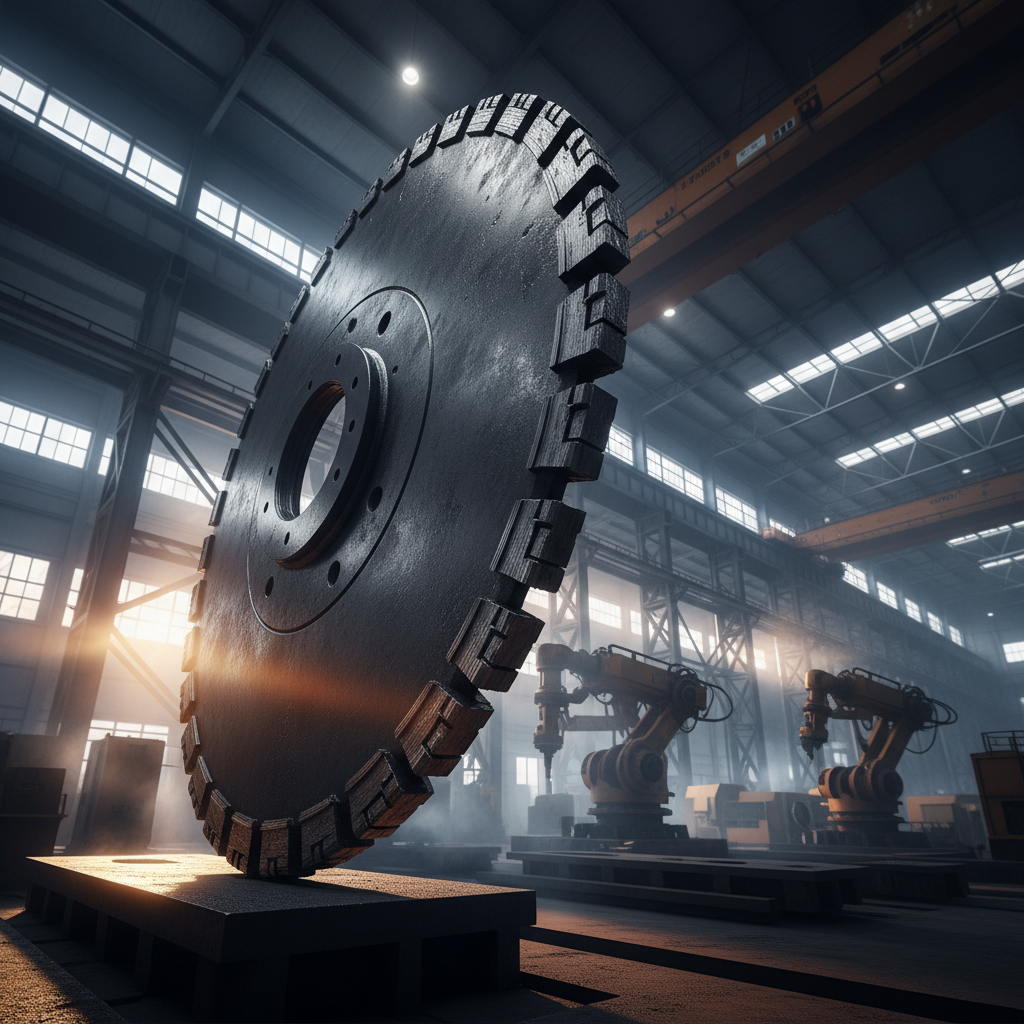
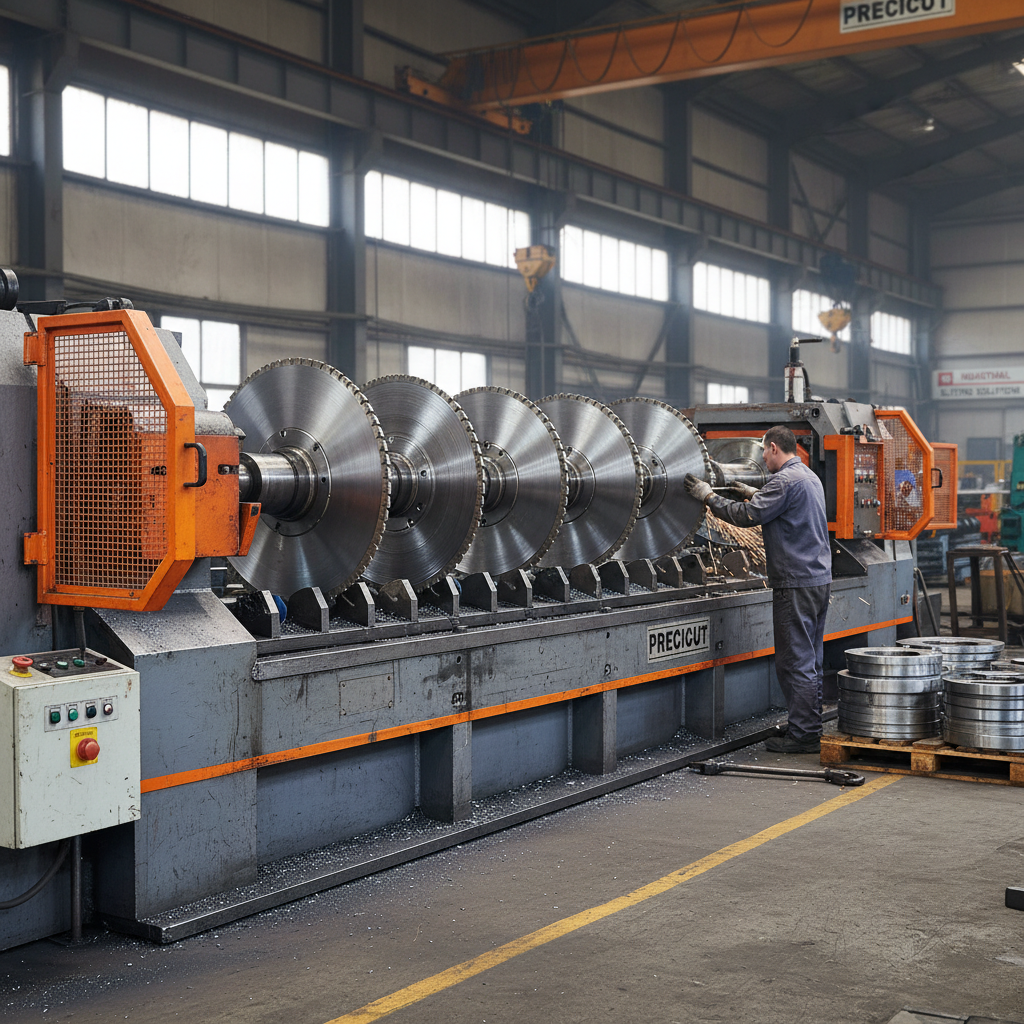
A slitter knife is a specialized cutting blade designed to trim, shear, or split materials with precision. Unlike general-purpose knives, slitter knives are engineered for continuous operation in high-speed production environments. They are characterized by their long, narrow blades and are typically used in rotary or reciprocating slitting machines.
The importance of slitter knives extends far beyond simple material division. They play a critical role in achieving consistent product dimensions, reducing material waste, and enhancing the overall quality of finished goods. In a world increasingly focused on efficient manufacturing and sustainable practices, the precision offered by a well-maintained slitter knife is paramount.
The Global Landscape of slitter knife Applications
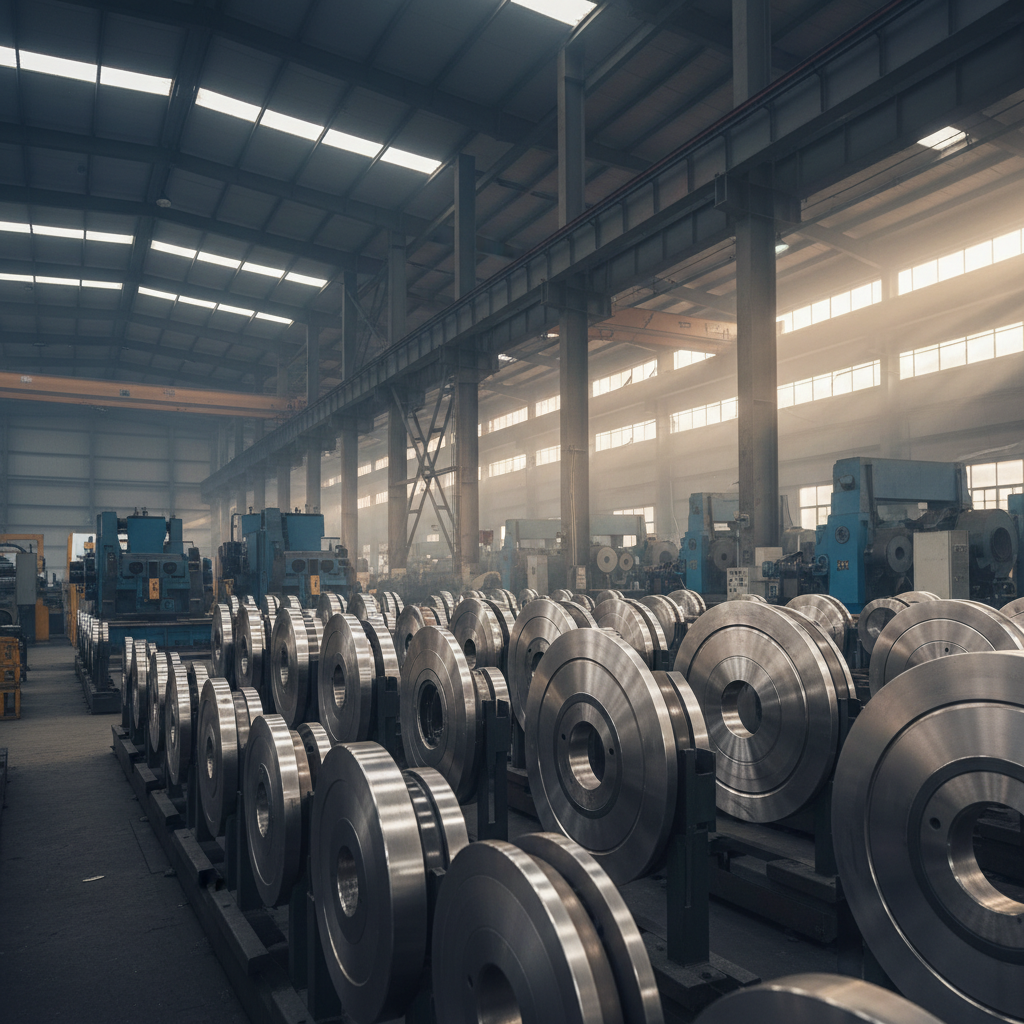
The applications of slitter knives are remarkably diverse, spanning numerous industries worldwide. The packaging industry is a primary consumer, utilizing slitter knives for cutting paper, cardboard, plastic films, and laminates. These applications contribute to the efficient production of boxes, labels, and flexible packaging.
Beyond packaging, slitter knives are integral to the textile industry, used for slitting fabric rolls and creating precise cuts for garment manufacturing. The paper converting industry relies on them for trimming paper webs and producing rolls of various widths. Furthermore, increasingly specialized applications are emerging in the medical field, such as the production of adhesive bandages and surgical tapes.
Regions with significant manufacturing hubs, such as China, Germany, and the United States, represent the largest markets for slitter knives. However, as manufacturing capacity expands in emerging economies like India and Vietnam, demand is also rising rapidly in these areas.
Core Components and Material Science of slitter knife
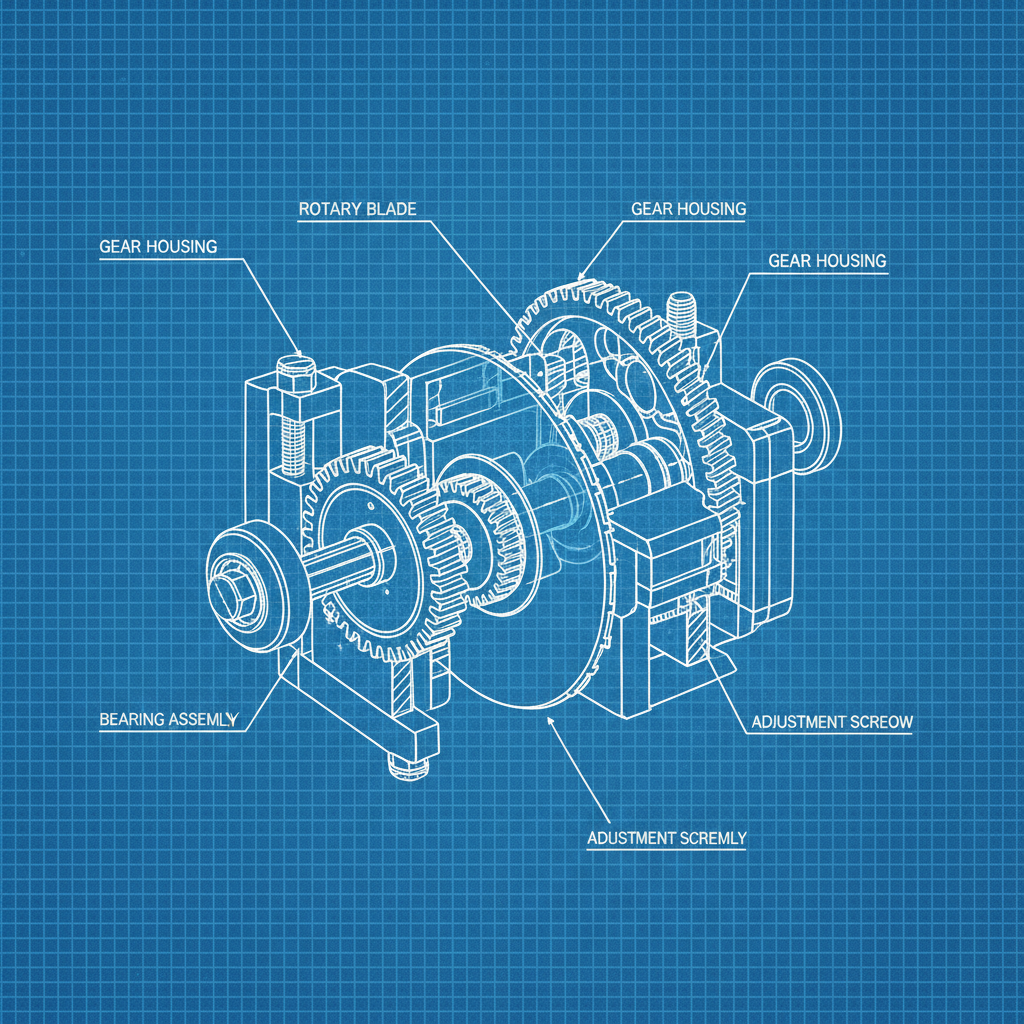
A typical slitter knife consists of several key components, including the blade itself, the mounting hardware, and often, protective coatings. The blade is typically made from high-carbon steel, stainless steel, or tool steel, each offering different properties in terms of hardness, corrosion resistance, and wear resistance.
Material selection is critically dependent on the application. For instance, when slitting abrasive materials like carbon fiber, a high-hardness tool steel is essential. In contrast, when processing materials susceptible to corrosion, stainless steel is preferred. Coatings, such as titanium nitride (TiN) or diamond-like carbon (DLC), are often applied to the blade surface to enhance hardness, reduce friction, and prolong blade life.
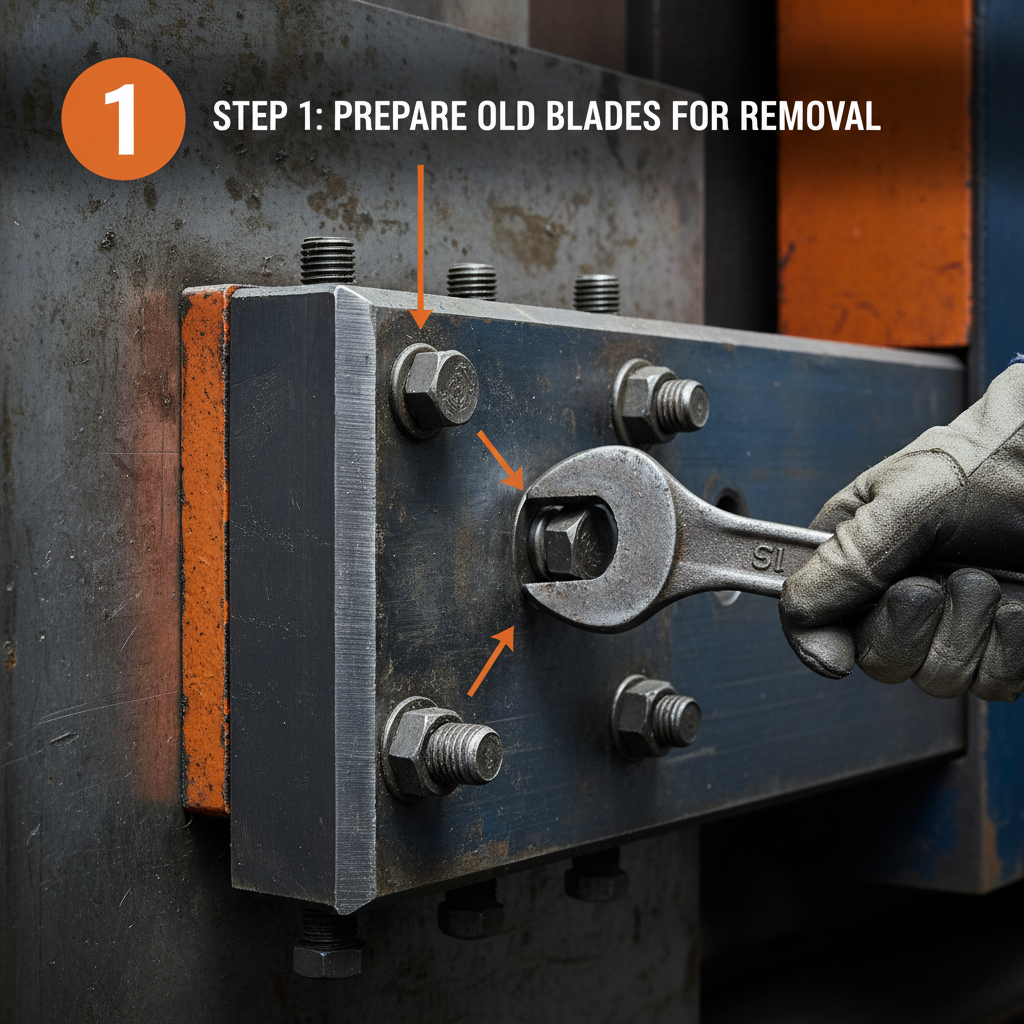
The mounting hardware ensures secure blade positioning and prevents movement during operation. Precision mounting is essential for maintaining consistent cut quality and preventing blade damage. Proper blade geometry, including the blade angle and side clearance, also plays a crucial role in achieving optimal performance.
Performance Metrics: Evaluating slitter knife Effectiveness
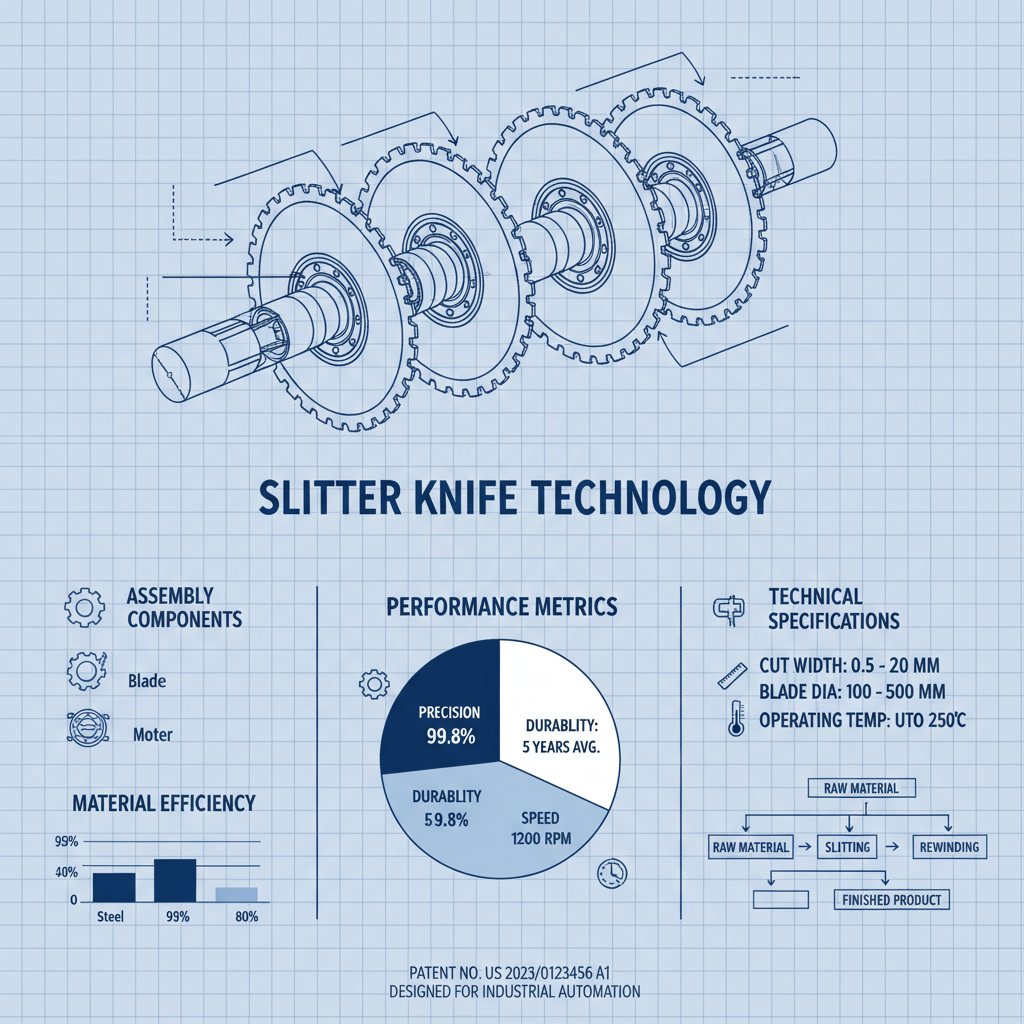
Assessing the effectiveness of a slitter knife requires considering several performance metrics. Blade life, measured in linear feet of material cut or total operating hours, is a primary indicator of cost-effectiveness. Cut quality, assessed by factors like edge smoothness and burr formation, is crucial for maintaining product standards.
Furthermore, factors like cutting force, required machine power, and the frequency of blade replacements contribute to the overall cost of operation. Regular inspections for wear, chipping, and corrosion are vital to proactively identify and address potential issues before they impact production.
slitter knife Performance Comparison
Diverse Industrial Implementations of slitter knife
The food processing industry utilizes slitter knives for precision cutting of baked goods, confectionery items, and packaging materials. Maintaining sanitary standards and ensuring food safety are paramount in these applications, often necessitating stainless steel blades and specialized cleaning protocols.
In the automotive industry, slitter knives are used for cutting upholstery fabrics, carpeting, and interior trim components. Precise cuts are essential for ensuring a perfect fit and finish. Furthermore, the renewable energy sector employs slitter knives in the production of solar panels and wind turbine blades, requiring robust and durable blades capable of handling composite materials.
The Long-Term Value and Economic Impact of slitter knife
Investing in high-quality slitter knives provides significant long-term value. Reduced downtime due to fewer blade changes translates directly to increased production output and lower operating costs. Improved cut quality minimizes material waste, contributing to sustainability and profitability.
Furthermore, the use of durable and reliable slitter knives enhances product quality and consistency, building customer trust and strengthening brand reputation. By optimizing cutting processes, manufacturers can streamline operations, reduce labor costs, and enhance their competitive advantage.
The economic impact extends beyond individual businesses, fostering innovation within the manufacturing sector and contributing to overall economic growth.
Future Innovations and Sustainable Practices for slitter knife
The future of slitter knife technology is poised for significant advancements. Research and development efforts are focused on creating self-sharpening blades, utilizing advanced materials like ceramics and diamond composites, and incorporating sensor technologies for predictive maintenance.
Sustainable practices are also gaining prominence. The development of recyclable blade materials and closed-loop blade recycling programs are aimed at reducing environmental impact. Digitalization and automation are playing an increasingly important role, with smart slitting machines capable of automatically adjusting blade parameters based on material properties and cutting requirements.
Furthermore, the integration of artificial intelligence and machine learning algorithms promises to optimize cutting processes, minimize waste, and extend blade life, ultimately driving greater efficiency and sustainability.
Key Performance Indicators for slitter knife Maintenance
| Blade Material |
Average Blade Life (ft) |
Maintenance Frequency |
Estimated Replacement Cost |
| High-Carbon Steel |
50,000 |
Weekly Inspection |
$50 |
| Stainless Steel |
75,000 |
Bi-Weekly Inspection |
$75 |
| Tool Steel |
100,000 |
Monthly Inspection |
$100 |
| Ceramic |
150,000 |
Quarterly Inspection |
$150 |
| Diamond-Coated |
200,000 |
Semi-Annual Inspection |
$200 |
| Titanium Nitride |
80,000 |
Bi-Weekly Inspection |
$80 |
FAQS
For slitting abrasive materials like carbon fiber or fiberglass, high-hardness tool steel is generally recommended. This material offers superior wear resistance, ensuring a longer blade life and maintaining consistent cut quality. Coatings like titanium nitride can further enhance the blade’s durability and performance when dealing with abrasive substances.
The frequency of inspection depends on the material being cut and the intensity of use. As a general guideline, a weekly inspection is recommended for high-carbon steel blades, bi-weekly for stainless steel, and monthly for tool steel. Look for signs of chipping, dulling, or corrosion. Regular inspection can prevent unexpected downtime and maintain cut quality.
Coated slitter knives, such as those with titanium nitride (TiN) or diamond-like carbon (DLC) coatings, offer several advantages. These coatings enhance blade hardness, reduce friction, and improve corrosion resistance. This results in longer blade life, improved cut quality, and reduced material adhesion, ultimately lowering overall operating costs.
Proper blade alignment is crucial for maintaining cut quality and preventing blade damage. Use precision mounting hardware and follow the manufacturer's instructions carefully. Ensure the blade is securely fastened and that the cutting edge is aligned with the material being cut. Misalignment can lead to uneven cuts, blade wear, and potential machine damage.
Blade geometry, including the blade angle and side clearance, significantly impacts cutting performance. The optimal angle varies depending on the material being cut. Correct side clearance prevents friction and material build-up, ensuring a clean and efficient cut. Experimenting with different blade geometries can help optimize cutting processes for specific applications.
Yes, increasing numbers of companies offer blade recycling programs. These programs collect worn slitter knives and recycle the materials, reducing environmental impact. Choosing recyclable blade materials and participating in closed-loop recycling systems can contribute to more sustainable manufacturing practices.
Conclusion
The slitter knife, often unseen but fundamentally important, underpins the efficiency and precision of numerous industries globally. Its impact extends beyond mere cutting; it directly influences product quality, waste reduction, and operational profitability. From advancements in material science and blade coatings to the integration of smart technologies, the future of slitter knife technology is bright.
Embracing innovative solutions and prioritizing sustainable practices will be critical for maximizing the long-term value of these essential tools. We encourage you to explore the possibilities and discover how optimized slitter knife technology can transform your operations. For more information and to explore our range of high-performance slitter knives, visit our website: www.mechblades.com.