See us at E-Waste World Expo 2026 ( Booth D136 ) June 17-18th , Messe Frankfurt, Germany

You know, I've been running around construction sites all year, getting my hands dirty with materials, talking to engineers… honestly, the biggest buzz these days is about getting more efficient. Everyone wants to build faster, cheaper, and with less hassle. And a big part of that comes down to the band saw blades. Not exactly glamorous, I know, but trust me, they’re the workhorse of so many jobs. Wood band saw blades for sale are popping up everywhere, and it's not just about finding the cheapest option anymore. It’s about finding something that actually lasts and performs.
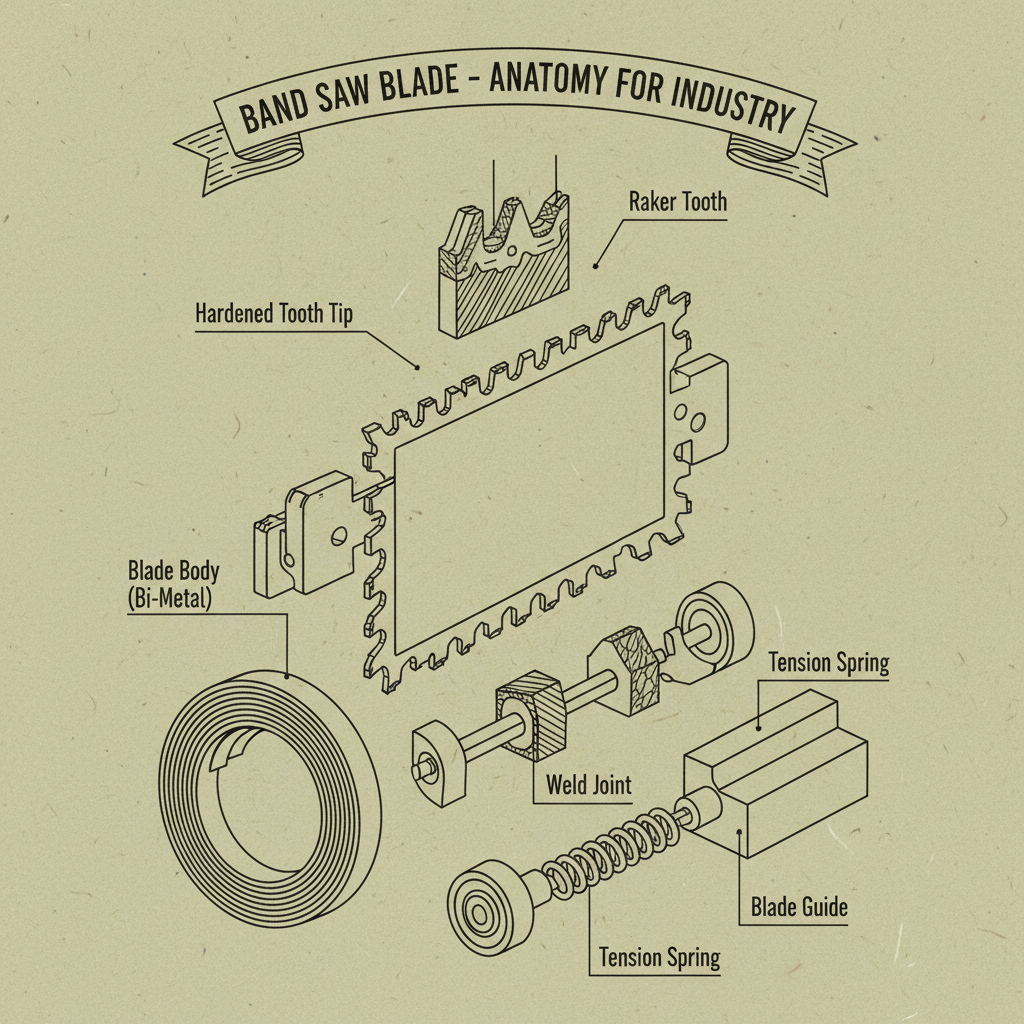
Have you noticed how many guys are switching to bi-metal blades? They used to be seen as overkill, but now… well, the cost difference isn’t so huge when you factor in how often you're replacing cheaper carbon steel ones. It’s a bit of a pain to explain the metallurgy to everyone, but essentially, you get the toughness of high-speed steel with the flexibility of a more alloyed steel. Sounds good in theory, but…
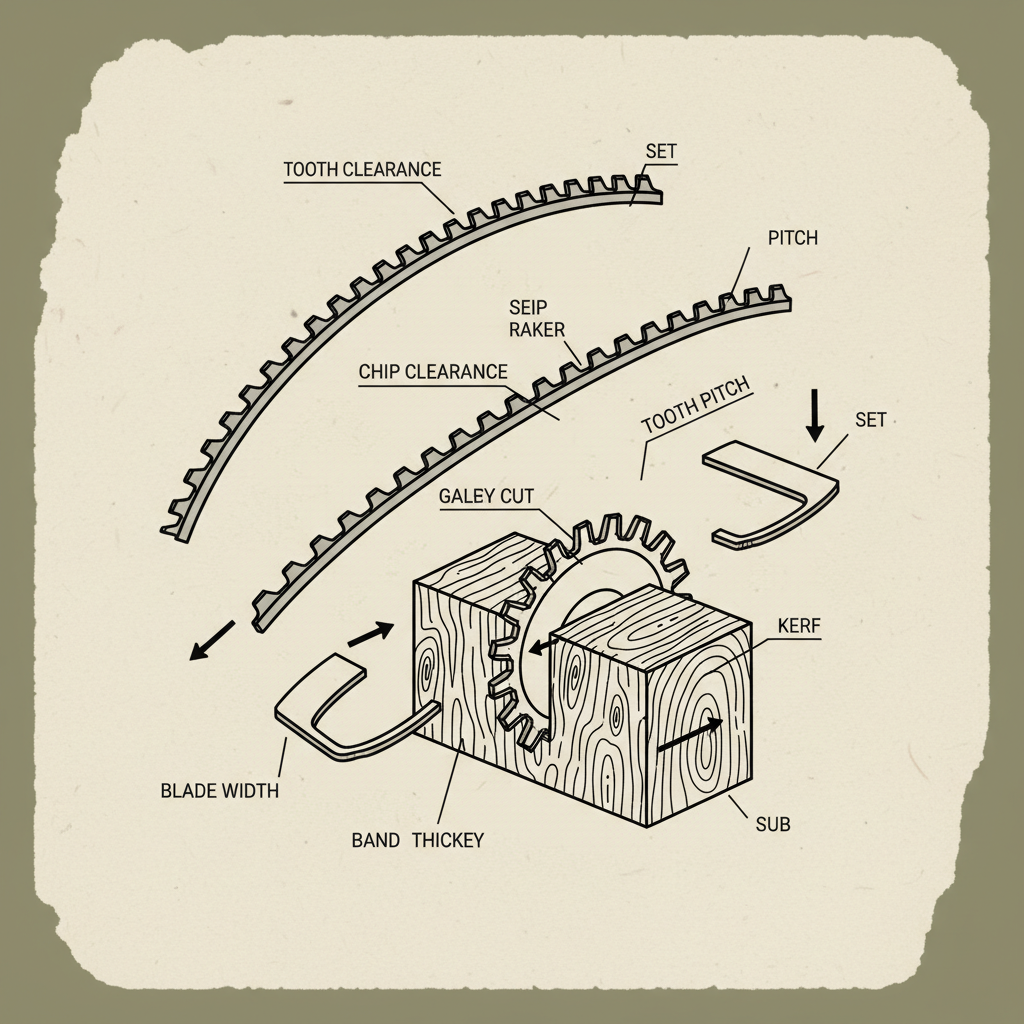
The real kicker is the tooth geometry. That's where a lot of people fall into traps. They see a fancy tooth pattern on a website and think it’s going to magically cut through anything. But it's not that simple. It depends on what you’re cutting, how you’re cutting, and even the type of wood. A blade optimized for resawing thick hardwoods will be a disaster trying to cut thin plywood. Seriously.
To be honest, the market is flooded right now. You’ve got the big names like Lenox and Timber Wolf, then a ton of import stuff coming in from overseas. It's a bit of a wild west, and quality varies wildly. I was at a factory in Dongguan last time, and the sheer volume of blades being churned out was insane. Some looked good, some… well, let’s just say I wouldn’t trust them with anything important. The demand for wood band saw blades for sale is definitely on the rise with the DIY boom, but it means everyone is scrambling to find reliable suppliers.
Strangely, a lot of guys are still stuck in the mindset that you need to spend a fortune to get a good blade. That’s just not true anymore. There are plenty of mid-range options that offer excellent performance for the price. You just have to know what to look for.
Skip tooth blades have wider spacing between the teeth, which makes them ideal for fast cutting of thicker materials. Regular tooth blades have closer spacing and are better for smoother, more precise cuts on thinner materials. The wider gullets of skip tooth blades also help clear out more waste, preventing clogging. Choose the right one for the job – otherwise, you'll be fighting the blade the whole time.
That depends on how much you use it and what you're cutting. If you notice the blade struggling, making a lot of noise, or producing rough cuts, it's probably time for a new one. A good rule of thumb is to inspect it regularly for broken or worn teeth. Don’t wait until it breaks mid-cut – that’s a bad day. Generally, for heavy use, bi-metal blades last a while, but carbon steel blades need replacing much more often.
TPI stands for Teeth Per Inch. It’s a crucial factor in choosing the right blade. Higher TPI blades (more teeth) are better for cutting curves and thinner materials, creating a smoother finish. Lower TPI blades (fewer teeth) are better for cutting thicker materials, removing waste quickly. Using the wrong TPI can lead to a rough cut, blade wandering, or even blade breakage.
Proper tension is critical! Most band saws have a tensioning knob or lever. The goal is to achieve a firm, but not overly tight, feel. You should be able to deflect the blade slightly with your finger. Too loose, and you’ll get a wavy cut. Too tight, and you risk breaking the blade. Refer to your band saw's manual for specific tensioning instructions. And always double-check the tension after a few minutes of running.
Absolutely! Lubricating wax reduces friction, heat buildup, and extends the life of the blade. It’s especially helpful when cutting metal or plastics. Apply a thin, even coat of wax to the blade before each use. Don’t overdo it – you don’t want a messy buildup. It makes a big difference, believe me.
Keep them dry, clean, and protected from rust. Store them flat in a case or container, or hang them individually. Avoid throwing them loose in a drawer, where they can get damaged. A light coat of oil can also help prevent rust. Proper storage extends the blade’s lifespan and ensures it’s ready when you need it.
So, that’s the long and short of it. From choosing the right materials to understanding tooth geometry and proper tensioning, there’s a lot to consider when it comes to wood band saw blades for sale. It’s not just about the price tag; it's about finding a blade that will perform reliably and deliver the results you need. There's a ton of options out there, and it's easy to get lost in the details.
Ultimately, whether this thing works or not, the worker will know the moment he tightens the screw. If you want to know more, check out our website at wood band saw blades for sale. We've got a wide selection and can help you find the perfect blade for your next project.