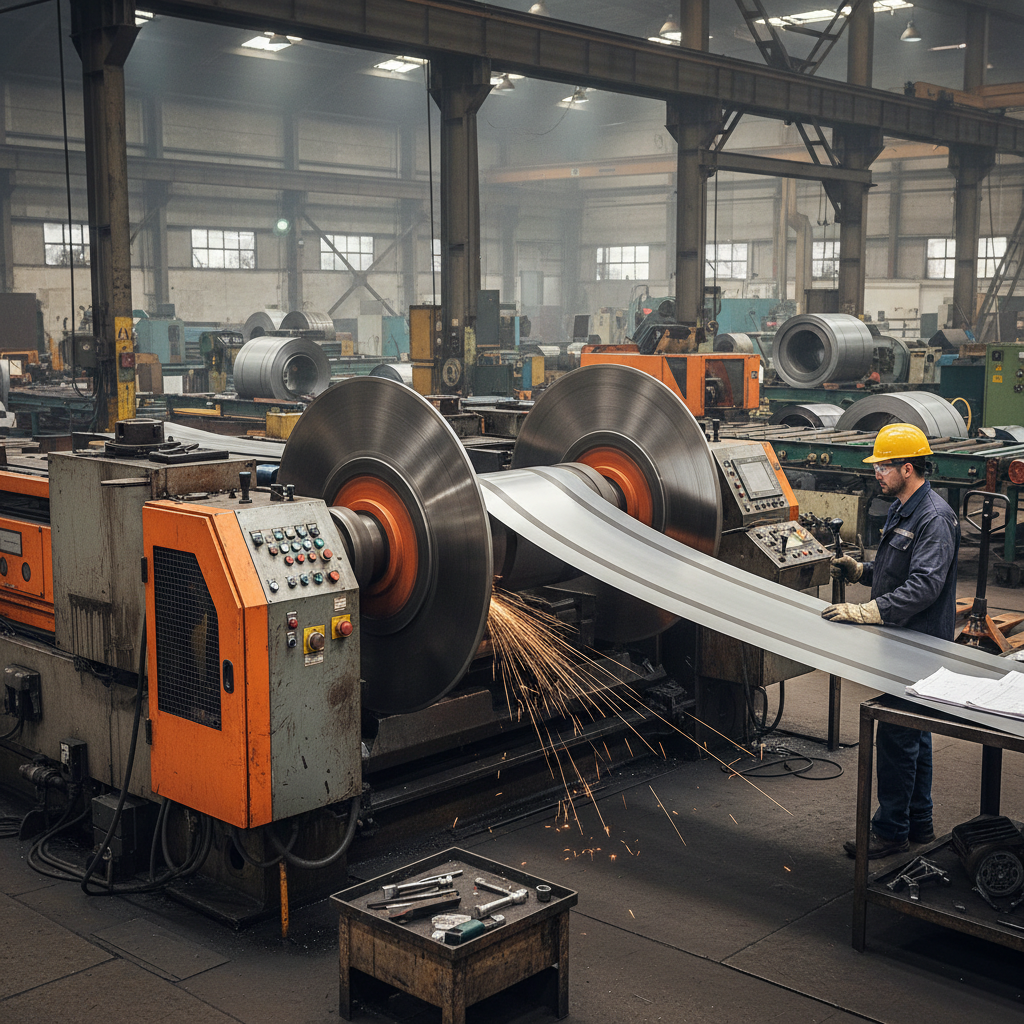
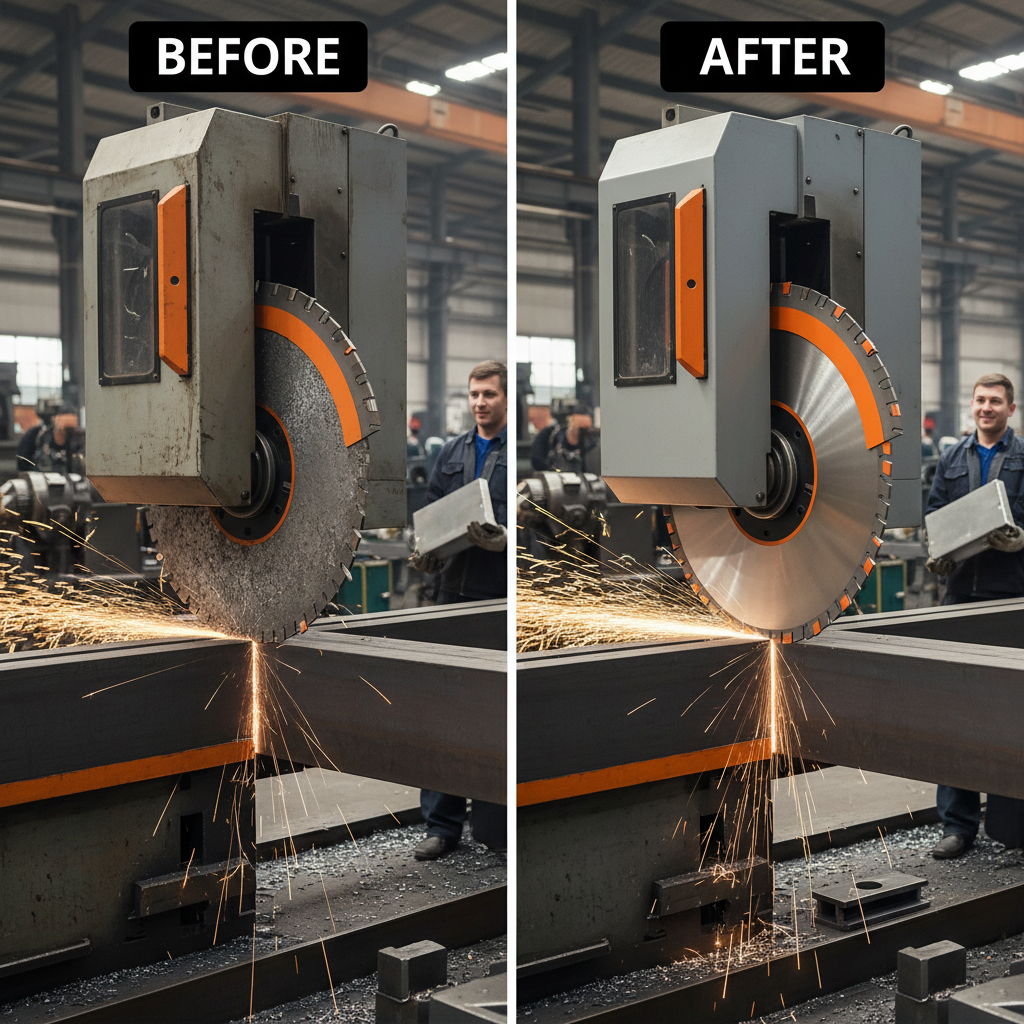
Look, I’ve been slingin’ steel and wranglin’ concrete for twenty years. You want to know about a shear blade? It ain’t some fancy theoretical thing. It’s the heart of getting a clean, efficient cut – whether you’re talkin’ metal, plastic, even some specialized materials. We rely on these things every single day on job sites. Understanding what is a shear blade means understanding how to save time, money, and headaches. It’s about minimizing waste, ensuring safety, and frankly, getting the job done right the first time.
These aren't just pieces of hardened steel; they're the difference between a smooth operation and a costly delay. I’ve seen projects stalled because of dull or incorrect shear blades, and the ripple effect is brutal – budget overruns, missed deadlines, and a whole lot of frustrated people. What is a shear blade’s impact? Huge. It impacts the overall project speed, material usage, and even the final quality.
And it's not just construction. You see shear blades everywhere, from manufacturing to recycling. Modern industry leans heavily on precision cutting, and that all comes down to the blade. So, paying attention to what is a shear blade is useful in a variety of fields. They’re the silent workhorses that keep things moving.
Defining what is a shear blade
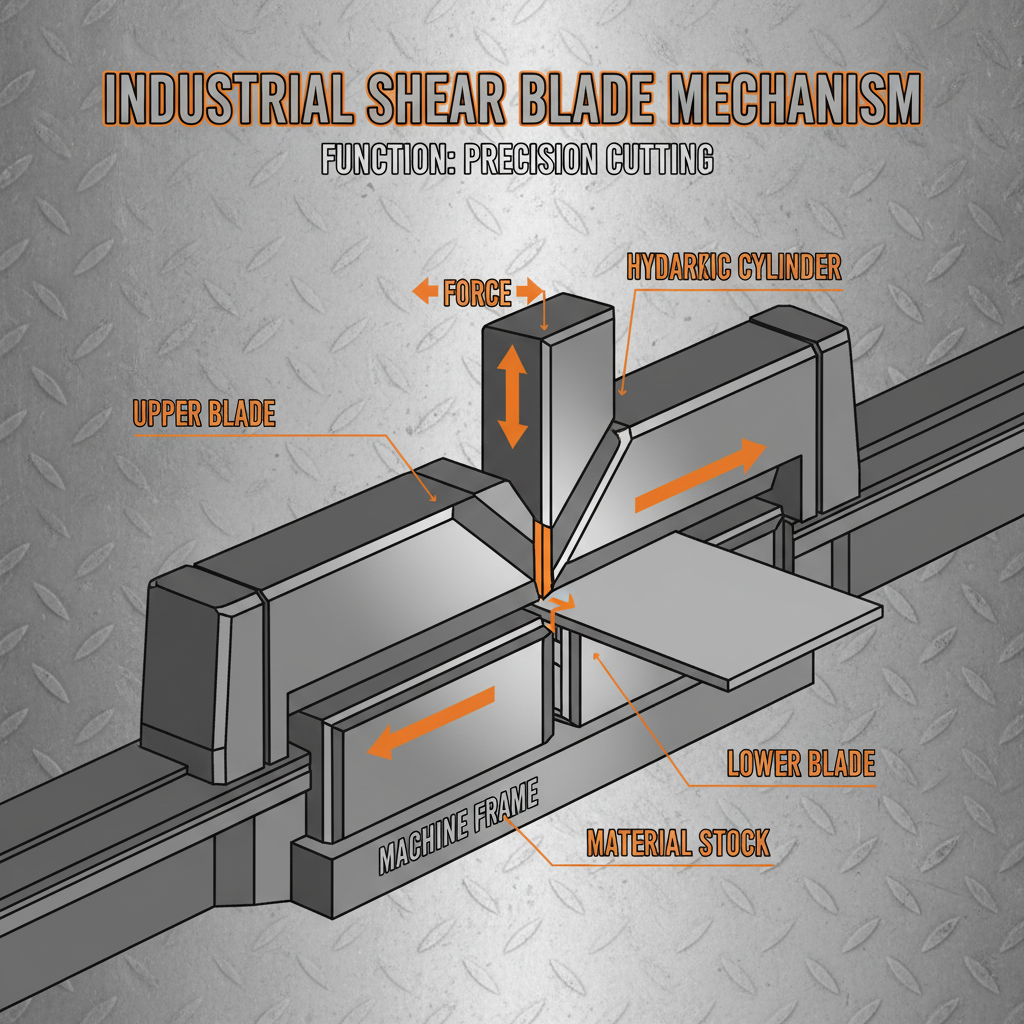
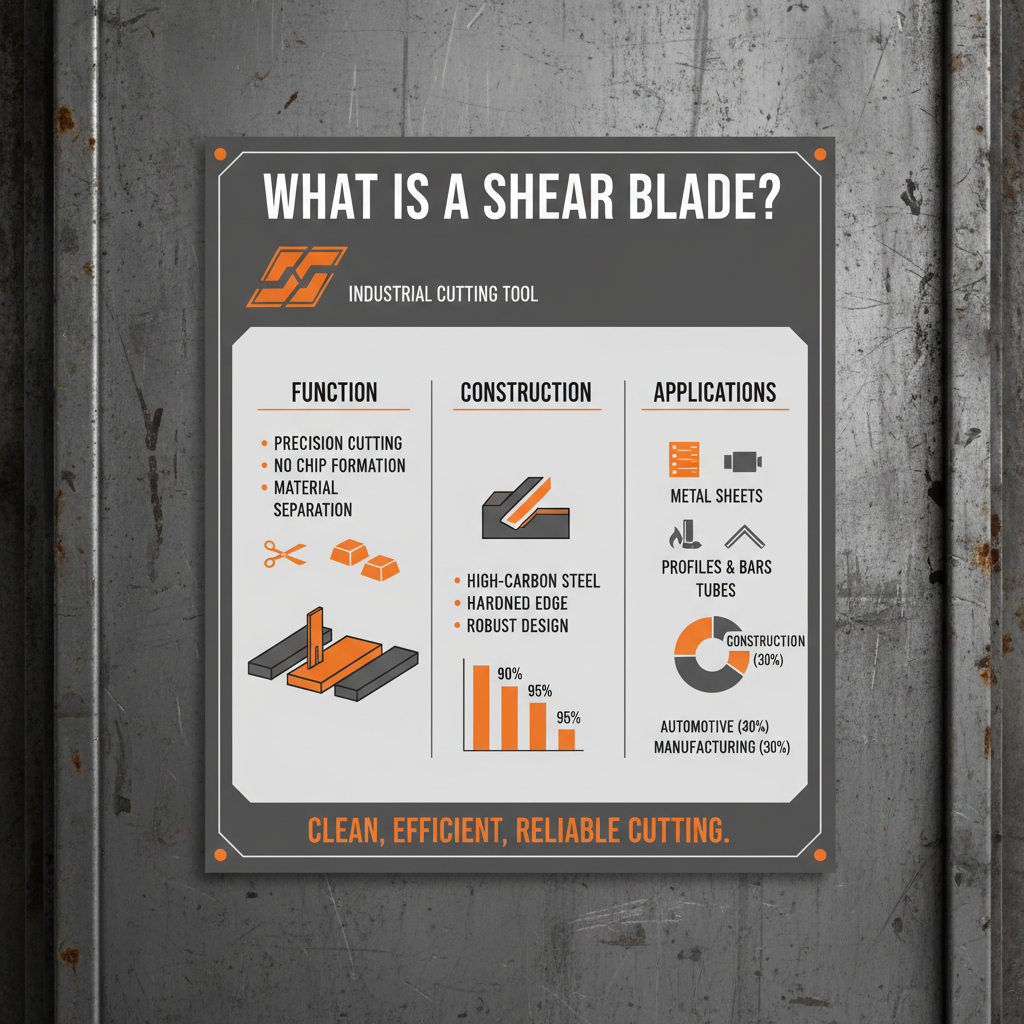
Simply put, a shear blade is a hardened cutting tool used to create a clean separation between materials. It works by applying a concentrated force, essentially slicing through the material rather than chipping or tearing it. Think of it like a really, really tough pair of scissors. what is a shear blade is fundamental to any process requiring precision cuts.
Now, that sounds basic, but the construction and material science behind it are complex. It's not just about being sharp; it's about maintaining that sharpness under immense pressure and resisting wear and tear. This makes modern day construction possible.
The Industrial Backbone: Relevance of what is a shear blade
Shear blades aren't some new invention. They’ve been around for ages, evolving alongside manufacturing processes. But their relevance is growing. As industries demand tighter tolerances and more efficient production, the need for precise cutting tools goes up. According to the ISO standards, there’s a consistent push for improved blade quality and performance across all sectors.
The global market for cutting tools – and shear blades are a significant part of that – is a multi-billion dollar industry. It's a direct reflection of how essential these tools are to global manufacturing and construction. We’re talking about everything from automobile production to shipbuilding.
The challenge is that materials are getting tougher, and demands for efficiency are increasing. This puts a constant pressure on blade manufacturers to innovate and develop more durable, more precise, and more cost-effective solutions. Ignoring what is a shear blade is the equivalent of ignoring a major pillar of modern industry.
Understanding Shear Blade Construction
The core of any shear blade is the steel – usually a high-carbon alloy, often with additions of vanadium or tungsten for increased hardness and wear resistance. But it's not just the steel itself; it's how it’s treated. Heat treatment is critical; it’s what gives the blade its strength and ability to hold an edge. I've seen blades fail because the heat treatment wasn't done right – they just wouldn't hold up under pressure.
The geometry of the blade – the angle of the cutting edge, the blade thickness, and any coatings applied – all play a role. A poorly designed blade will create excessive friction, leading to premature wear and a rough cut. Coatings, like titanium nitride, help reduce friction and increase the blade's lifespan. These aren’t just cosmetic; they make a real difference on the job site.
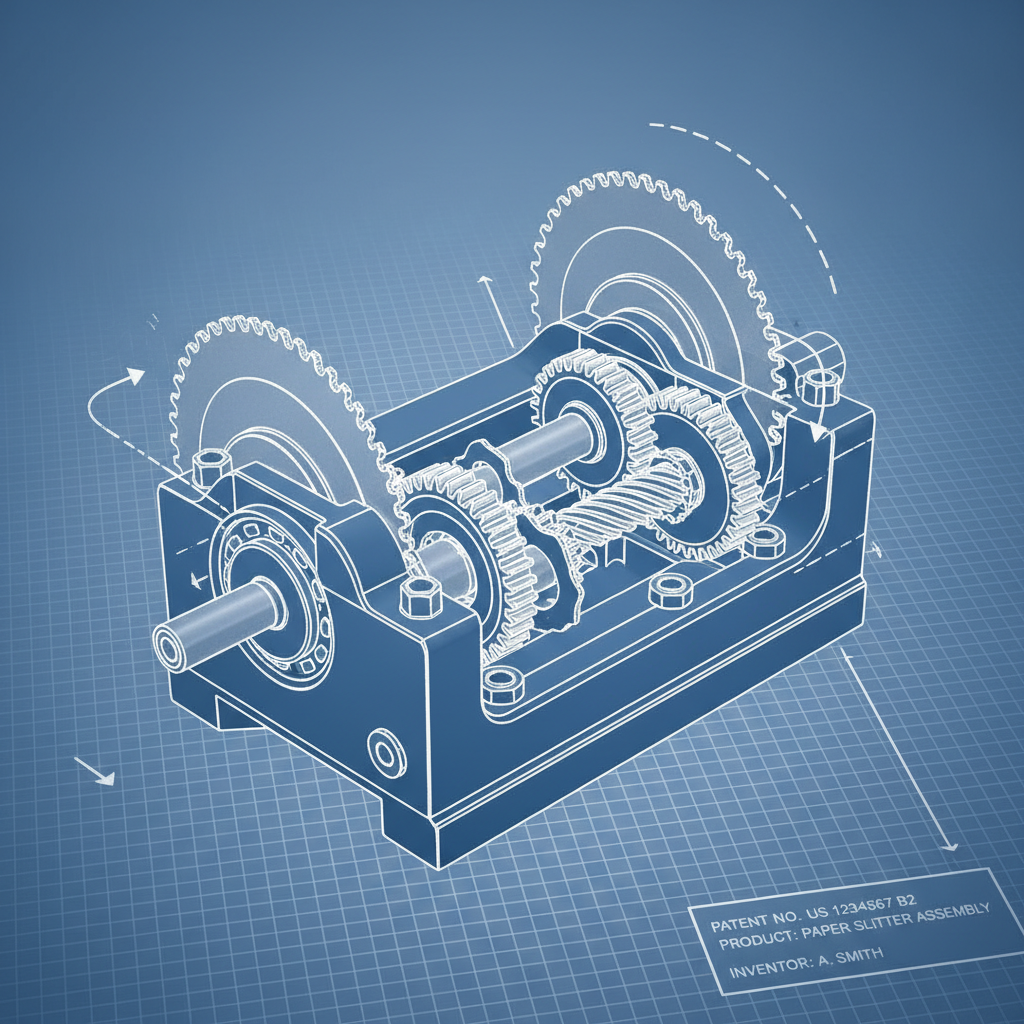
And don't forget the mounting system. A blade that isn't securely mounted will vibrate and chatter, leading to inaccurate cuts and potential safety hazards. Proper mounting is just as important as the blade itself. A loose blade is a dangerous blade.
Key Performance Indicators for what is a shear blade
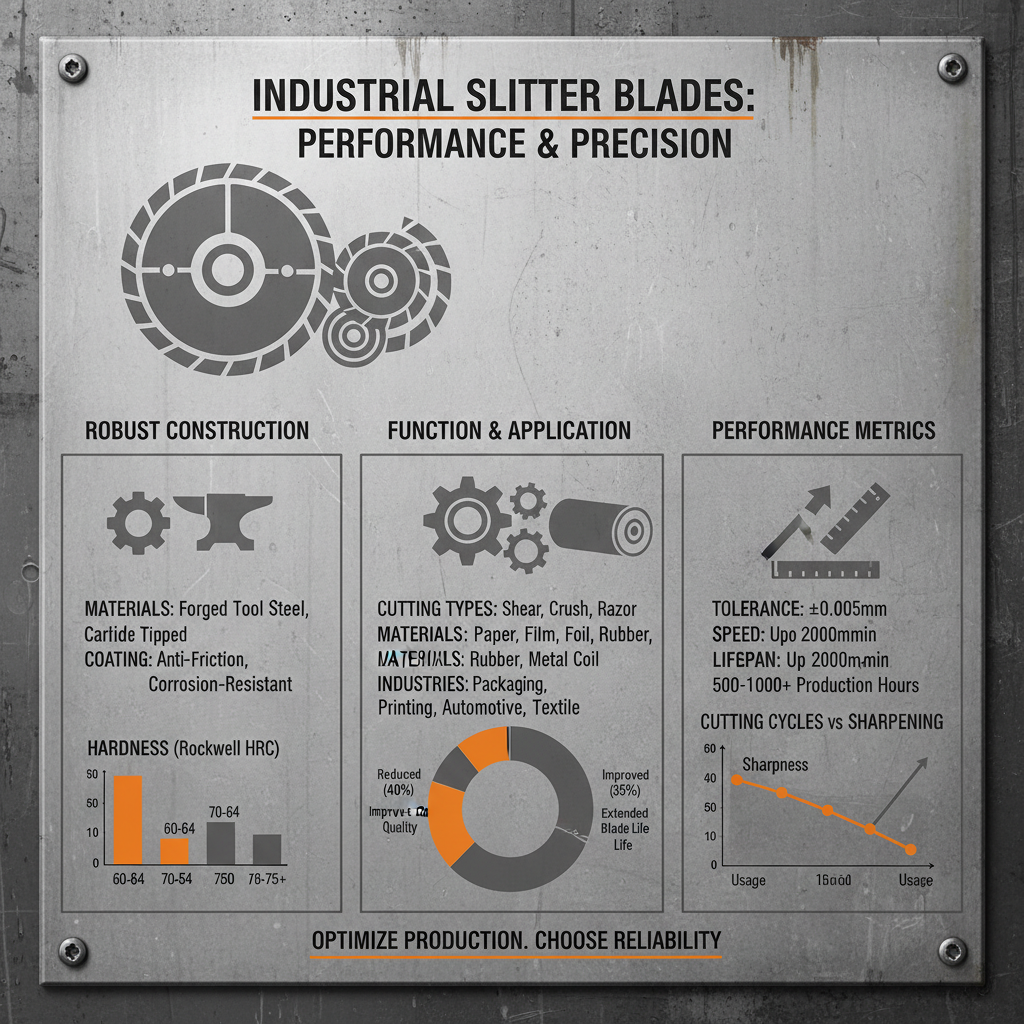
When I'm evaluating a shear blade, I’m not looking at marketing hype. I’m looking at performance. The first thing is edge retention – how long the blade stays sharp under use. Then there's wear resistance – how well it holds up against abrasion and impact.
But it's not just about how long it lasts. Cut quality is crucial. A good blade will produce a clean, burr-free cut every time. And lastly, cost-effectiveness. A cheap blade that needs frequent replacement isn't saving you money in the long run.
Shear Blade Performance Metrics
Global Applications of what is a shear blade
You'll find shear blades in steel mills, obviously. But also in aluminum processing plants, plastic fabrication facilities, and even in recycling centers. They’re used to shear scrap metal, cut sheet plastic, and trim composite materials. I’ve used them in offshore oil rigs, cutting pipelines.
In regions with heavy manufacturing, like China and Germany, the demand for high-quality shear blades is particularly strong. And in developing countries, where infrastructure is rapidly expanding, the need for efficient cutting tools is driving growth.
The Long-Term Value Proposition of what is a shear blade
Investing in good shear blades isn’t just about getting a clean cut; it's about reducing downtime, minimizing waste, and improving overall productivity. A blade that lasts longer means fewer changeovers, which means more uptime. That translates directly to savings.
And there's a safety aspect too. A dull or damaged blade requires more force to operate, increasing the risk of operator fatigue and injury. A sharp, well-maintained blade is a safer blade. It's about doing things right, minimizing risks, and protecting your workforce.
The Future of what is a shear blade Technology
We're seeing a move towards smarter blades – blades with integrated sensors that can monitor wear and tear and predict when they need to be replaced. This will help optimize maintenance schedules and prevent unexpected downtime.
There’s also a lot of research going into new materials – coatings that offer even greater wear resistance, and blade steels that can withstand higher temperatures and pressures. And as automation becomes more prevalent, we’ll see blades designed specifically for robotic cutting systems.
Sustainability is another key trend. Manufacturers are looking for ways to reduce waste and recycle used blades. This is becoming increasingly important, as environmental regulations tighten and consumers demand more eco-friendly products.
Summary of Key Shear Blade Trends
| Technology Advancement |
Material Innovation |
Sustainability Initiatives |
Implementation Challenges |
| Smart Blades with Sensors |
Advanced Coating Materials |
Blade Recycling Programs |
Initial Investment Costs |
| Automated Cutting Systems Integration |
High-Strength Alloy Steels |
Reduced Material Waste |
Data Security Concerns |
| Predictive Maintenance Algorithms |
Ceramic Blade Composites |
Circular Economy Principles |
Standardization of Recycling Processes |
| Remote Monitoring Capabilities |
Diamond-Infused Cutting Edges |
Extended Product Lifecycles |
Supply Chain Complexity |
| Real-Time Performance Analysis |
Self-Sharpening Materials |
Environmentally Friendly Manufacturing |
Integration with Existing Systems |
| Enhanced Operational Efficiency |
Reduced Friction Coatings |
Regulatory Compliance |
Technological Skill Gap |
FAQS
That's a good question. A saw blade typically removes material in the form of chips, while a shear blade cleanly separates it. Think of a scissors versus a wood saw. Shear blades rely on intense pressure and a straight cutting action, while saw blades use a reciprocating motion and teeth to ablate material. The finish is different—sheared edges are much smoother. It's about the application, too; shear blades are best for thinner materials and precise cuts.
That depends on a lot of factors—the material you’re cutting, the thickness, the frequency of use, and the quality of the blade itself. But generally, if you start noticing burrs on the cut edge, increased force needed to operate, or a decrease in cut speed, it’s time for a replacement. A good rule of thumb is to inspect the blade regularly and replace it proactively, rather than waiting for it to fail completely. That prevents accidents and keeps production running.
Stainless steel is tough stuff. You'll want a blade made from high-carbon, high-vanadium steel, often with a coating like titanium nitride to reduce friction and wear. Powder metallurgy steels are also becoming increasingly popular for stainless steel applications. Avoid carbon steel blades; they'll dull quickly and won't hold an edge. Look for blades specifically designed for stainless steel cutting—they’ll have the right geometry and material properties.
You can sharpen some shear blades, but it's not always recommended. Depending on the blade's construction and the extent of the wear, sharpening might compromise its structural integrity. Often, the cost of professional sharpening approaches the cost of a new blade. For high-precision applications, it’s generally better to replace the blade. However, for less critical applications, sharpening can extend the blade’s life.
Shear blades are extremely sharp. Always wear heavy-duty gloves when handling them. Use appropriate lifting equipment, and never attempt to carry a blade by hand. Store blades in a designated, secure container when not in use. And most importantly, follow all manufacturer’s safety guidelines. A moment of carelessness can lead to a serious injury.
The blade angle – or the rake angle – is crucial. A steeper angle offers easier cutting but reduces blade durability. A shallower angle provides greater durability but requires more force. The optimal angle depends on the material being cut. Softer materials benefit from steeper angles, while harder materials require shallower angles. It's a balance between ease of cutting and blade longevity.
Conclusion
So, what is a shear blade? It’s more than just a piece of metal. It’s a vital component of modern manufacturing, construction, and countless other industries. Understanding the construction, performance metrics, and future trends of shear blades is essential for anyone involved in these fields. Investing in quality blades, proper maintenance, and operator training can significantly improve efficiency, reduce costs, and enhance safety.
Don't underestimate the power of a good shear blade. It’s a small component with a big impact. Keep an eye on the latest innovations – from smart blades to new materials – and always prioritize safety. If you’re looking for reliable, high-performance shear blades, or just want to learn more, visit our website today.