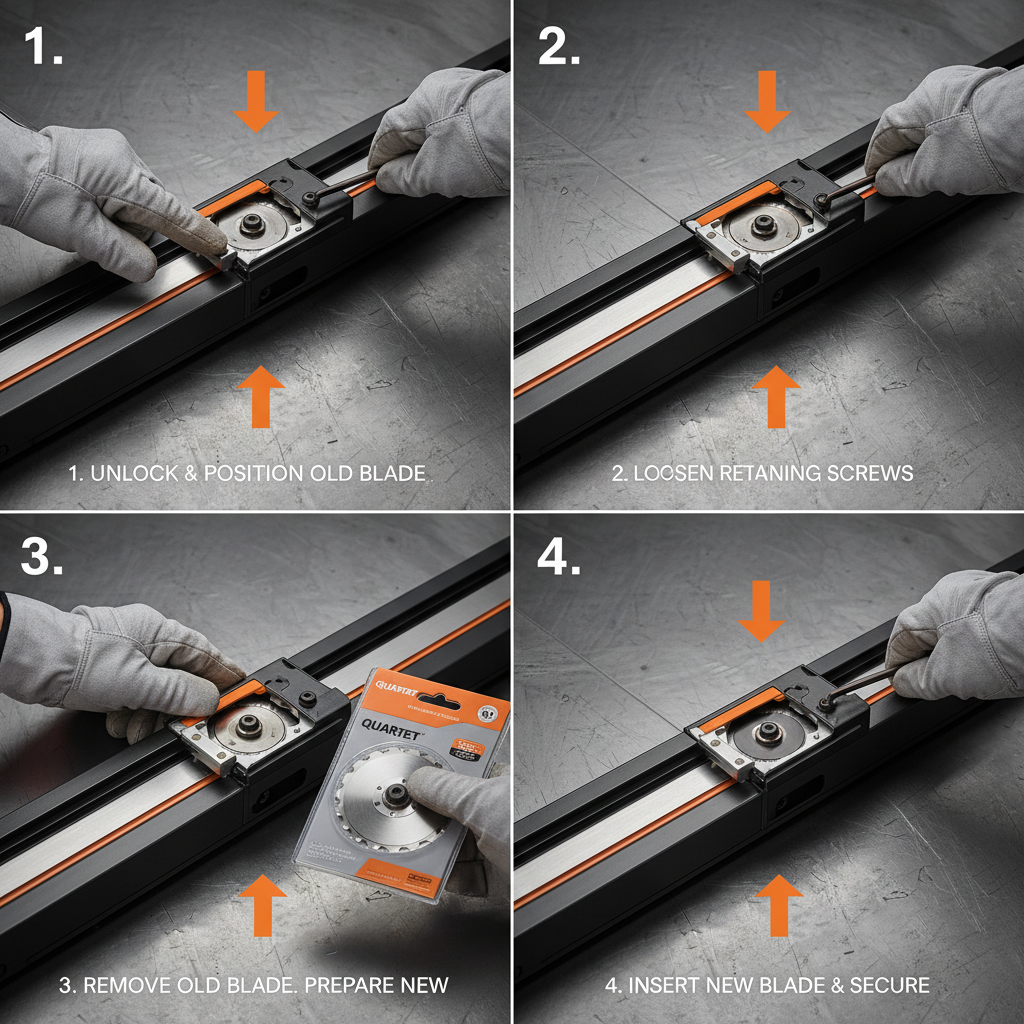
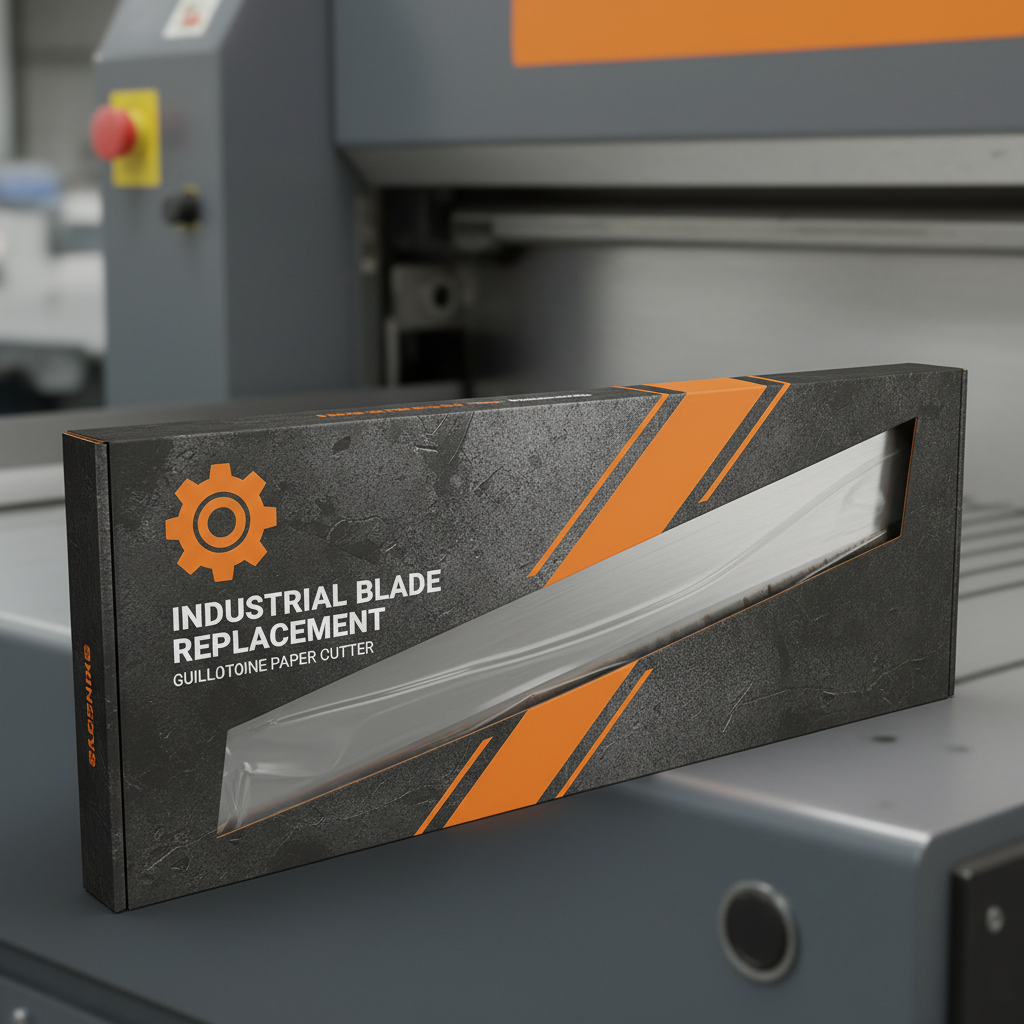
In the precision-driven landscape of modern industrial manufacturing, the round blade stands as a fundamental component that ensures operational efficiency across a multitude of sectors. From the intricate requirements of plastic processing to the heavy-duty demands of steel mill rolls, these circular cutting tools are engineered to deliver consistent performance under extreme pressure. Understanding the nuances of their design and material composition is essential for any facility aiming to minimize downtime and maximize output.
The global demand for high-performance cutting solutions has surged as industries move toward automation and higher throughput. A high-quality round blade is not merely a consumable part but a strategic asset that influences the final quality of the product, whether it is a precisely sliced rubber component or a processed piece of timber. By integrating advanced metallurgy with geometric precision, these blades address the critical challenge of wear and tear in high-friction environments.
As we explore the technical specifications and practical applications of the round blade, it becomes clear that the intersection of durability and sharpness is where commercial value is created. For engineers and procurement managers, selecting the right grade of steel and the correct edge profile can mean the difference between a seamless production cycle and costly operational interruptions.
The Industrial Significance of the Round Blade
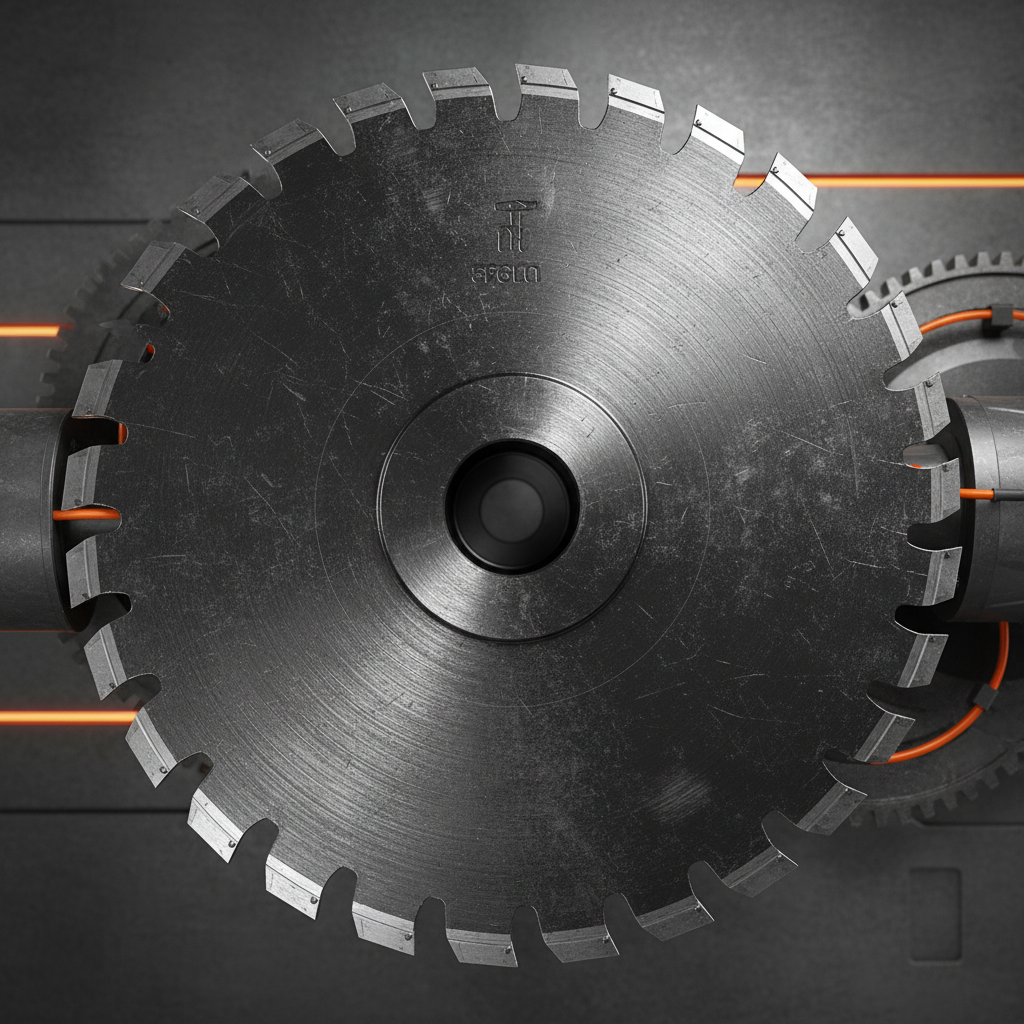
The round blade serves as the heartbeat of countless shearing and slicing operations worldwide. Its circular geometry allows for continuous cutting motion, which is vastly more efficient than reciprocating movements in high-volume production. This makes it indispensable in sectors such as the paper industry and rubber processing, where consistent thickness and clean edges are non-negotiable requirements for quality control.
Beyond simple utility, the strategic implementation of a precision-engineered round blade reduces the energy consumption of the machinery. When a blade maintains its sharpness longer, the motor requires less torque to push through the material, leading to lower electricity costs and a smaller carbon footprint for the factory. This synergy between mechanical design and operational economy highlights why the right blade choice is a cornerstone of modern industrial strategy.
Technical Definitions and Material Engineering
In technical terms, a round blade is a rotating cutting tool designed to shear materials through a combination of high-speed rotation and applied pressure. Unlike stationary knives, the round blade utilizes a rolling edge that minimizes friction and distributes heat more evenly across the cutting surface, which is critical when processing thermoplastic materials or heavy-duty metals.
The engineering behind these tools focuses heavily on the balance between hardness and toughness. Utilizing high-carbon tool steels, tungsten carbide, or specialized alloys, manufacturers ensure that the round blade can withstand the abrasive nature of industrial waste and scrap recycling without chipping. The heat treatment process—including quenching and tempering—is meticulously controlled to prevent internal stresses that could lead to catastrophic failure during high-speed operation.
Modern material science has introduced coatings such as Titanium Nitride (TiN) or Diamond-Like Carbon (DLC) to further enhance the lifespan of the round blade. These coatings reduce the coefficient of friction and prevent material buildup (known as "galling"), which is particularly important in food processing blades where hygiene and surface smoothness are paramount to prevent bacterial growth.
Core Components of Cutting Performance
Durability is the first pillar of round blade performance. In the mining industry, crushing knives must survive contact with jagged ores and minerals. This requires a material density that resists deformation, ensuring the blade maintains its geometric integrity even after thousands of hours of abrasive contact.
Precision edge geometry is the second critical factor. The angle of the bevel on a round blade determines the "bite" into the material. A steeper angle may offer more durability for thick materials, while a shallower angle provides the surgical precision required for paper and plastic films, ensuring no jagged edges remain.
Thermal stability completes the triad. Because the rotation of a round blade generates significant heat, the steel must be capable of maintaining its hardness at elevated temperatures. This prevents the edge from "rounding over" or softening, which would otherwise lead to increased material waste and frequent blade changes.
Comparative Efficiency and Performance Metrics
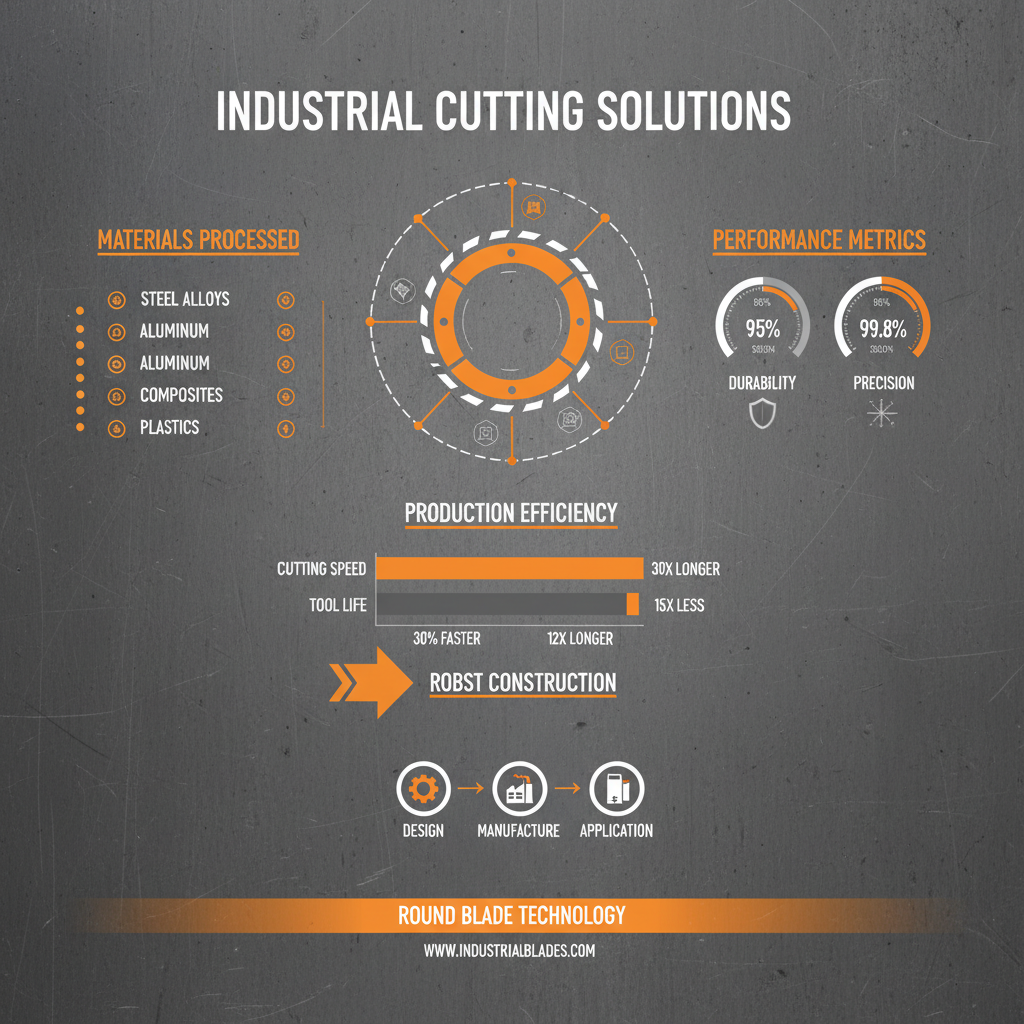
Evaluating the efficiency of different round blade configurations is essential for optimizing the total cost of ownership. Different materials and coatings yield varying results depending on whether the application is for wood processing, steel mill rolls, or concrete mixer wear-parts.
By analyzing the wear rate and the frequency of sharpening cycles, companies can determine which blade variant offers the best balance of initial investment versus long-term operational cost. The following data illustrates the performance ratings across various specialized blade types.
Performance Efficiency of Various Round Blade Types
Global Applications Across Diverse Industries
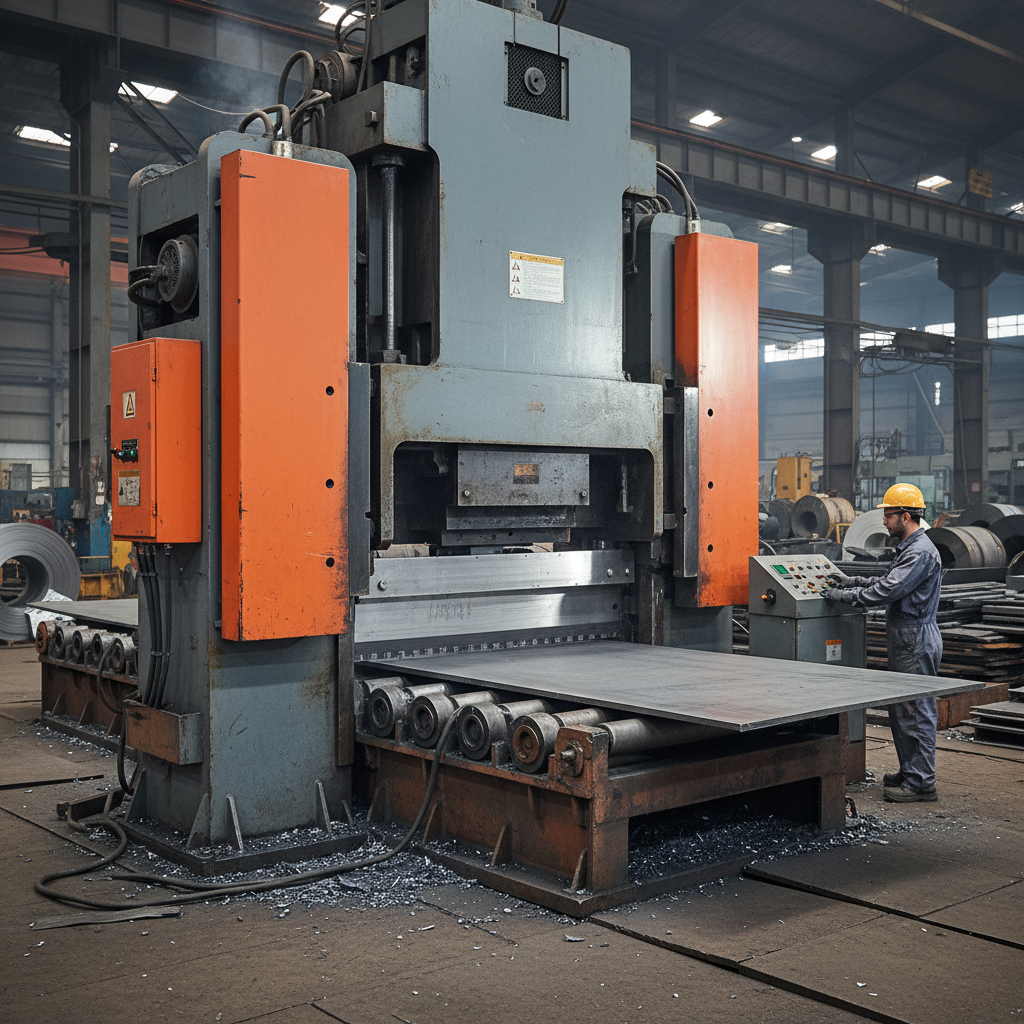
The versatility of the round blade allows it to be deployed in vastly different environments. In the plastic processing industry, these blades are used for granulating waste and trimming molded parts, where precise tolerances prevent material spoilage. Similarly, in the steel industry, heavy-duty circular blades are used to crop the edges of steel rolls, enduring immense pressure and heat.
In more specialized sectors, such as food processing or wood industry applications, the round blade is adapted for hygiene and specific fiber cutting. For example, in remote industrial zones or post-disaster relief operations involving debris clearance, high-durability crushing blades are used in mobile shredders to process mixed waste, showcasing the blade's role in environmental remediation and infrastructure recovery.
Long-Term Value and Sustainability Benefits
Investing in a premium round blade provides tangible long-term value by reducing the frequency of replacements. This not only lowers procurement costs but also minimizes the environmental impact associated with the production and transport of replacement steel parts. A blade that lasts twice as long effectively halves the waste generated by the maintenance department.
Beyond the financial metrics, there is a significant safety and trust component. A dull round blade is a dangerous tool; it requires more force to operate and is more prone to shattering or slipping. By ensuring the use of high-grade, reliable cutting tools, companies protect their workforce and ensure a stable, predictable production flow.
Furthermore, the adoption of recyclable alloys in the manufacturing of these blades aligns with global sustainability goals. As companies move toward a circular economy, the ability to regrind and reuse the core of a round blade ensures that high-value metals remain in the production loop rather than ending up in a landfill.
Future Trends in Circular Blade Technology
The future of the round blade is being shaped by the digital transformation of manufacturing. "Smart blades" equipped with embedded wear sensors are beginning to emerge, allowing operators to predict exactly when a blade will fail. This shift from reactive to predictive maintenance eliminates unexpected downtime and optimizes the replacement schedule.
Additionally, the integration of additive manufacturing (3D printing) with powder metallurgy is allowing for the creation of blades with internal cooling channels or variable density. This means a round blade can be engineered to be incredibly hard at the cutting edge while remaining flexible in the core to absorb shocks, a combination previously impossible with traditional casting.
Sustainability will also drive the development of bio-compatible coatings and energy-efficient geometries. As automation and AI-driven robotics take over the operation of cutting machinery, the round blade will continue to evolve, becoming more precise, more durable, and more integrated into the wider industrial IoT ecosystem.
Comparative Analysis of Round Blade Material Performance by Industry
| Industry Sector |
Preferred Blade Material |
Wear Resistance (1-10) |
Replacement Cycle |
| Plastic Processing |
Tungsten Carbide |
8 |
Quarterly |
| Steel Mills |
High-Alloy Tool Steel |
9 |
Monthly |
| Waste Recycling |
Hardened Manganese Steel |
7 |
Bi-Weekly |
| Wood Industry |
High-Carbon Steel |
6 |
Monthly |
| Food Processing |
Stainless Steel (440C) |
5 |
Weekly |
| Mining/Crushing |
Cobalt-Tungsten Alloy |
10 |
Half-Yearly |
FAQS
The replacement cycle for a round blade depends entirely on the material being cut. In soft plastic processing, a blade might last several months, while in steel mill operations, monthly replacements are common. We recommend monitoring the "burr" on the edges of your cut product; once you notice irregular edges or increased machine vibration, it is time to sharpen or replace the blade to avoid compromising product quality.
Carbide round blades are significantly harder and more heat-resistant than steel blades, making them ideal for abrasive materials. However, they are more brittle and can chip if they hit a foreign object (like a piece of metal in wood). Steel blades are tougher and more flexible, making them better for heavy-impact applications, though they require more frequent sharpening.
Yes, most industrial round blades are designed with enough material thickness to allow for multiple regrinding cycles. However, each regrind slightly changes the blade's diameter. It is important to ensure that the machine's timing and clearance are adjusted accordingly to maintain cutting precision and prevent the blade from rubbing against the housing.
The bevel angle should be chosen based on the material density. A narrow, acute angle is best for soft materials like paper or film to provide a clean "slice." A wider, obtuse angle is necessary for hard materials or high-impact tasks (like crushing) to provide a stronger edge that won't collapse under pressure. Our engineering team can help calculate the optimal angle for your specific machine.
In most high-volume industrial settings, yes. Coatings like TiN or DLC reduce friction and prevent material buildup, which increases the time between sharpening intervals and reduces energy consumption. While the initial cost is higher, the reduction in downtime and the increase in surface quality usually result in a lower total cost per cut.
Preventing premature wear involves three steps: proper lubrication to reduce heat, ensuring the material being cut is free of contaminants (like sand or metal shards), and maintaining the correct machine speed. Over-speeding a blade can cause overheating and softening of the steel, while under-speeding can lead to "tearing" rather than cutting, increasing the mechanical stress on the blade edge.
Conclusion
The round blade is an unsung hero of the industrial world, providing the essential precision and durability required to keep global supply chains moving. From the selection of high-grade alloys to the application of advanced coatings, every detail of the blade's engineering contributes to the overall efficiency of the production line. By prioritizing material quality and geometric precision, manufacturers can significantly reduce waste, enhance safety, and lower operational costs.
Looking forward, the integration of smart sensors and additive manufacturing will continue to push the boundaries of what circular cutting tools can achieve. For companies seeking to stay competitive in an era of automation, upgrading to high-performance cutting solutions is not just a maintenance choice—it is a strategic investment in quality and sustainability. We invite you to optimize your production line today. Visit our website: www.mechblades.com