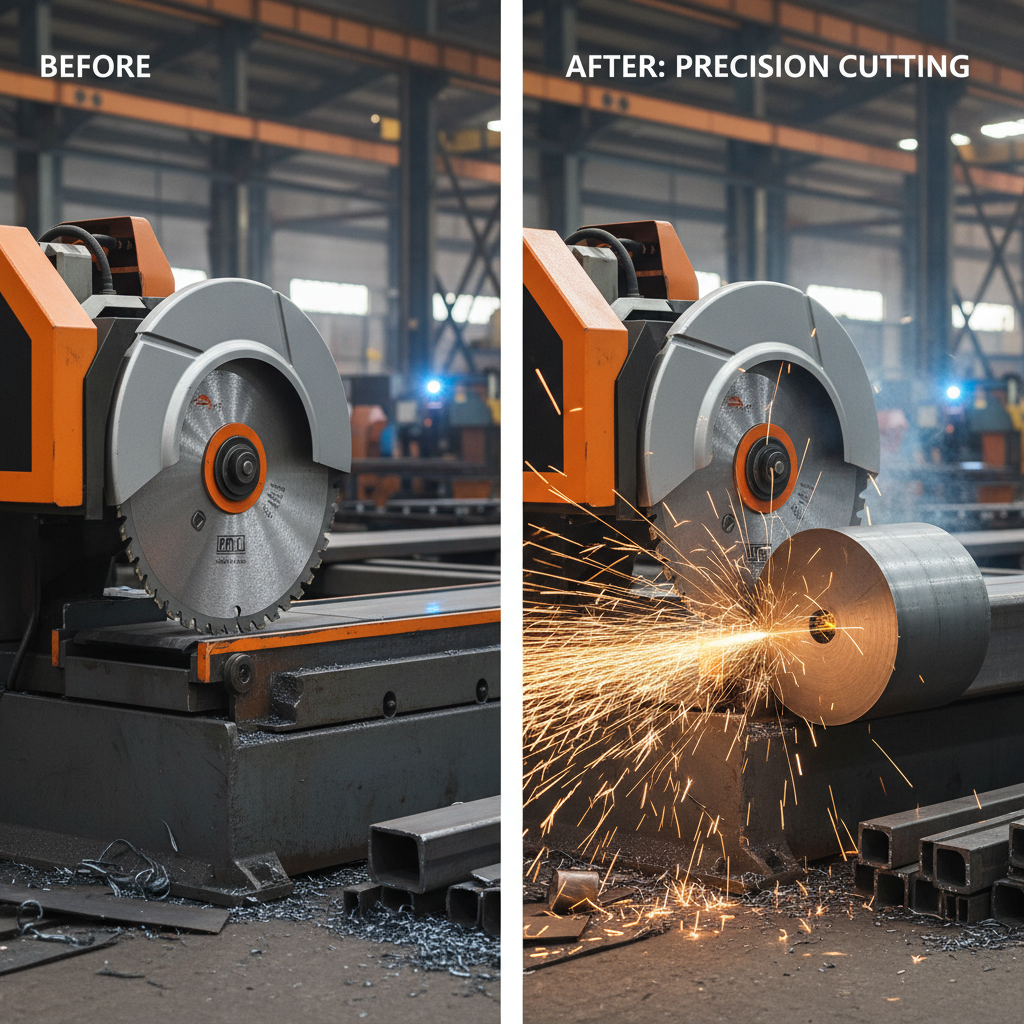
The precision and efficiency of modern industrial cutting are heavily dependent on the quality of the tooling used. A high-performance round saw blade serves as the backbone for countless manufacturing processes, enabling the clean, rapid separation of materials ranging from hardened steel to delicate polymers. Understanding the nuances of blade geometry and material science is essential for any operation aiming to reduce downtime and maximize throughput.
Across the global industrial landscape, the demand for specialized cutting solutions has surged as manufacturers push for tighter tolerances and faster production cycles. Whether it is in the automotive sector, aerospace, or heavy machinery, the right round saw blade can significantly lower operational costs by reducing scrap rates and extending the intervals between tool replacements.
This comprehensive guide explores the technical evolution, application diversity, and strategic selection of cutting tools. By focusing on the intersection of metallurgy and mechanical engineering, we aim to provide professionals with the insights needed to optimize their cutting workflows and ensure long-term reliability in the most demanding environments.
Global Industry Context of Round Saw Blades
In the current global manufacturing climate, the role of the round saw blade is more critical than ever. According to ISO standards for tooling and machining, precision cutting is a primary driver of energy efficiency in factories. As industries migrate toward "Industry 4.0," the integration of high-durability blades is essential to support automated CNC systems that run 24/7 without manual intervention.
However, many enterprises still struggle with premature tool wear and inconsistent cut quality. This challenge often stems from a mismatch between the blade material and the workpiece, leading to increased friction and thermal deformation. By adopting advanced tungsten carbide or diamond-tipped options, companies can align their production capabilities with international quality benchmarks, ensuring that every cut meets strict engineering specifications.
Defining the Modern Round Saw Blade
At its simplest, a round saw blade is a rotating disc of hardened material featuring a series of sharpened teeth along its circumference. While the concept is ancient, the modern version is a marvel of material science, utilizing complex heat treatment processes and composite coatings to withstand extreme centrifugal forces and abrasive wear.
Beyond the mechanical definition, these blades are catalysts for modern infrastructure. From the massive blades used in steel mills for processing steel rolls to the precision instruments used in the food processing industry, they enable the mass production of components that build our cities and sustain our populations. They are the silent executors of design, turning raw stock into functional parts.
The connection to humanitarian and global needs is evident in the rapid deployment of infrastructure. For instance, the ability to quickly process timber and metal in remote industrial zones allows for the swift construction of shelters and bridges, proving that a simple circular cutting tool is fundamental to global development and disaster recovery efforts.
Core Components of Cutting Performance
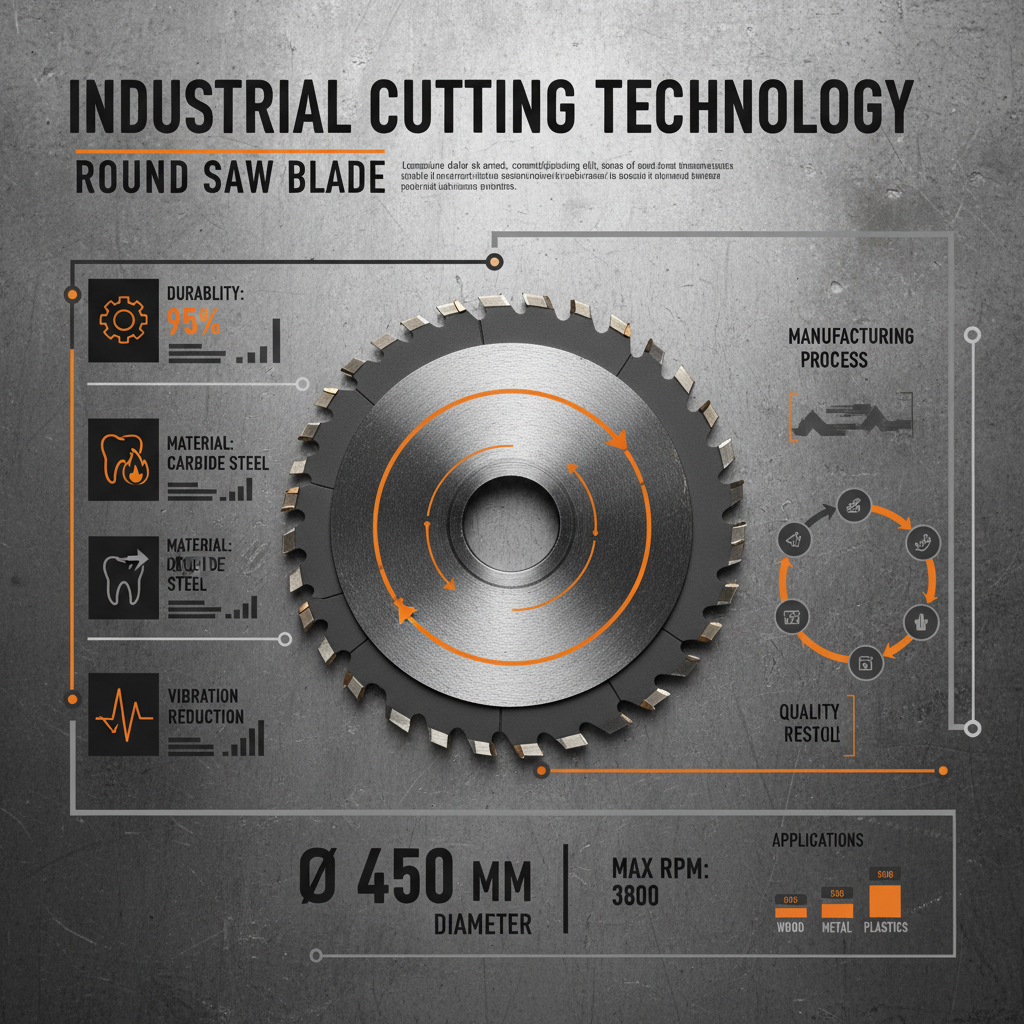
Durability is the foremost requirement for any professional round saw blade. This is achieved through the selection of high-grade alloys and precise quenching cycles that ensure the blade can resist chipping under heavy loads. A durable blade reduces the frequency of replacement, thereby lowering the total cost of ownership for the manufacturer.
Material Scalability refers to the blade's ability to adapt to various densities. A versatile round saw blade must maintain structural integrity whether it is slicing through soft plastics for the recycling industry or cutting through dense minerals in mining operations. This adaptability is typically managed through adjustable tooth geometry and pitch.
Cost Efficiency is not merely about the initial purchase price but the "cost per cut." By optimizing the chip evacuation channels and reducing friction through specialized coatings, a high-end round saw blade minimizes energy consumption and maximizes the volume of material processed per hour, providing a clear return on investment.
Global Applications and Sector Use Cases
The application of the round saw blade spans nearly every industrial sector. In the wood and paper industries, these blades are essential for precise sizing and finishing, where a fraction of a millimeter can determine the quality of the final product. Similarly, in the rubber and plastic processing industries, specialized blades are engineered to prevent melting and sticking, ensuring clean edges at high speeds.
In more rugged environments, such as the mining industry or scrap recycling plants, the focus shifts to sheer power and wear resistance. Here, crushing knives and heavy-duty circular blades are used to break down massive quantities of waste, contributing to global sustainability efforts by facilitating the efficient recovery of raw materials from old machinery and infrastructure.
Performance Efficiency of Various Round Saw Blade Types
Long-Term Value and Operational Advantages
Investing in a premium round saw blade provides tangible benefits that extend beyond simple cutting. From a logical perspective, the reduction in vibration and heat generation leads to a safer working environment for operators and a longer lifespan for the machinery itself. When a blade cuts cleanly, there is less stress on the motor and the spindle, preventing costly mechanical failures.
Emotionally, the reliability of high-quality tooling fosters trust within a production team. Knowing that the equipment will perform consistently allows engineers to innovate and take on more complex projects without the fear of tool breakage. This sense of stability is the foundation of industrial growth, enabling companies to guarantee delivery dates and maintain their reputation for excellence in the global market.
Future Trends in Cutting Technology
The future of the round saw blade is being shaped by the digital transformation. We are seeing the rise of "smart blades" embedded with sensors that can monitor wear in real-time and alert operators before a failure occurs. This predictive maintenance approach eliminates unplanned downtime and optimizes the replacement cycle, significantly increasing overall equipment effectiveness (OEE).
Sustainability is another driving force. New coating technologies are being developed to reduce the need for chemical lubricants, making the cutting process "greener." These eco-friendly innovations not only protect the environment but also reduce the cleaning costs and health risks associated with industrial oils and coolants.
Furthermore, the adoption of additive manufacturing (3D printing) is allowing for the creation of complex internal cooling channels within the blade body. This allows a round saw blade to operate at higher speeds while maintaining a lower temperature, breaking the previous limits of material removal rates.
Common Challenges and Engineering Solutions
One of the most persistent challenges in the use of a round saw blade is thermal expansion. When cutting hard metals, the heat generated can cause the blade to warp, leading to inaccurate cuts or, in extreme cases, catastrophic failure. To solve this, engineers are implementing cryogenic treatments and advanced heat-dissipation geometries that move heat away from the cutting edge more efficiently.
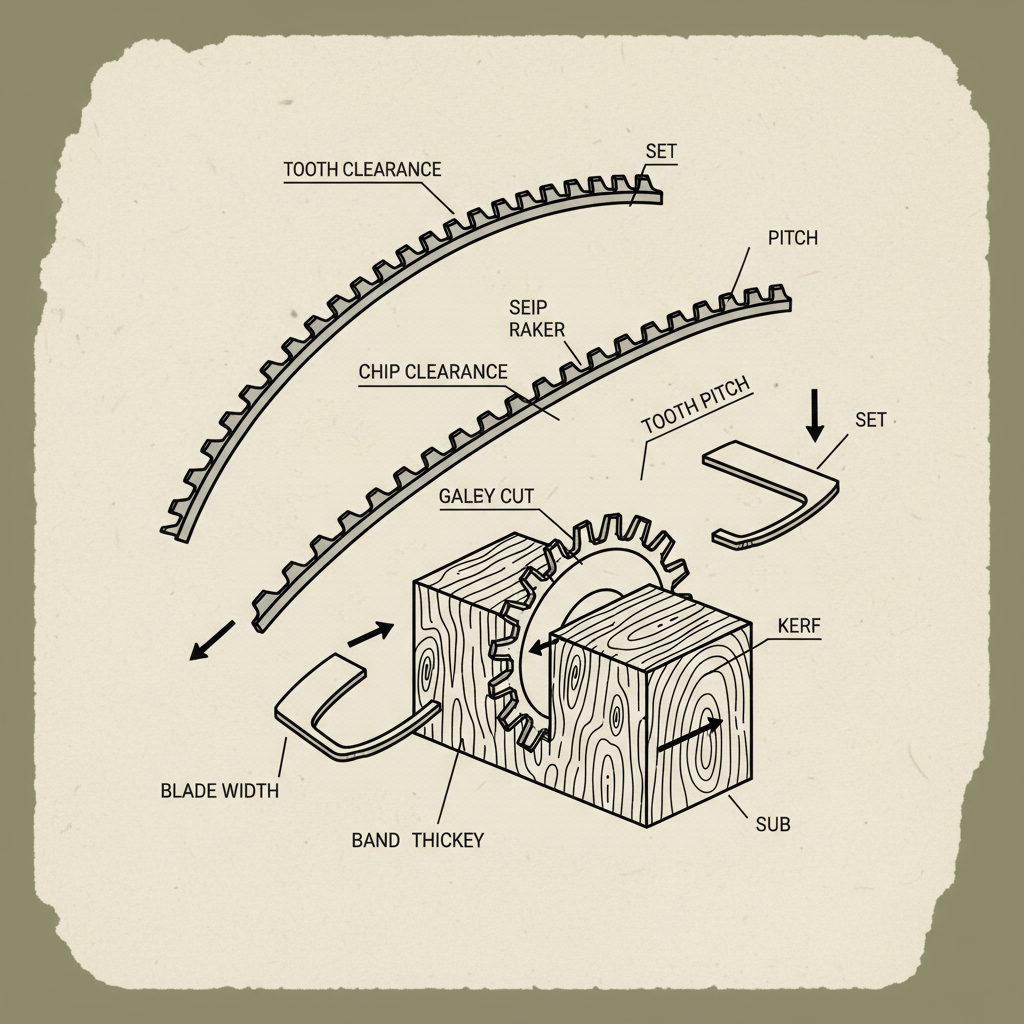
Another common issue is "chip clogging," where debris builds up in the gullets of the blade, increasing friction and potentially stalling the machine. The solution lies in the redesign of tooth pitch and the application of non-stick nano-coatings that prevent material adhesion, ensuring a smooth flow of chips even during high-volume production.
Finally, the balance between hardness and toughness remains a delicate trade-off. A blade that is too hard may crack under impact, while one that is too soft will dull quickly. Through the use of gradient materials—where the edge is ultra-hard but the core remains flexible—manufacturers are creating a round saw blade that offers the best of both worlds.
Analysis of Round Saw Blade Material Performance and Application Suitability
| Blade Material |
Primary Industry |
Wear Resistance (1-10) |
Recommended Use |
| Tungsten Carbide |
Steel Processing |
9 |
High-speed metal cutting |
| Polycrystalline Diamond |
Plastic/Composite |
10 |
Ultra-abrasive materials |
| High Speed Steel (HSS) |
General Woodworking |
6 |
Low-cost general cutting |
| Cobalt Alloy |
Mining/Recycling |
8 |
Heavy-duty crushing |
| Titanium Nitride Coated |
Automotive Parts |
7 |
Medium-duty precision |
| Ceramic Composite |
Food Processing |
8 |
Corrosion-resistant cutting |
FAQS
Choosing the tooth count depends on the desired balance between speed and finish. A lower tooth count (coarse) is ideal for rapid material removal and "ripping" cuts, as it provides larger gullets for chip evacuation. Conversely, a higher tooth count (fine) is necessary for "cross-cutting" or finishing, as it produces a smoother surface and minimizes splintering. Always align the tooth count with the material hardness and your specific tolerance requirements.
The most obvious signs include increased burning or scorching on the workpiece, a noticeable drop in cutting speed, and an increase in vibration or noise during operation. If you notice the blade "wandering" or failing to maintain a straight line, it may be warped or have uneven tooth wear. Regular inspection for chipped carbide tips is also crucial to prevent damage to the workpiece and ensure operator safety.
Generally, no. Each material requires a specific tooth geometry, rake angle, and substrate hardness. Using a steel-cutting blade on plastic may lead to melting and poor edge quality, while using a plastic-cutting blade on steel will result in immediate tooth failure. For versatility, some manufacturers offer multi-purpose blades, but for industrial-scale production, material-specific blades are always recommended to maximize efficiency and tool life.
Coatings like Titanium Nitride (TiN) or Diamond-Like Carbon (DLC) serve two primary purposes: reducing friction and increasing surface hardness. By lowering the coefficient of friction, these coatings prevent the material from sticking to the blade (reducing "build-up") and lower the operating temperature. This not only extends the life of the cutting edge but also allows for higher feed rates, directly increasing production throughput.
Yes, when considering the total cost of ownership. While budget blades have a lower upfront cost, they typically wear out faster and require more frequent downtime for changes. A premium round saw blade reduces the "cost per cut" by lasting significantly longer and producing fewer defects. For high-volume industrial environments, the savings in labor, energy, and scrap material far outweigh the initial investment in high-quality tooling.
Safety is paramount. Always ensure that the blade is properly seated and secured in the arbor before starting the machine. Operators should wear appropriate PPE, including eye protection and hearing protection. Furthermore, never force the material into the blade, as this can cause kickback. Regularly check the guard systems and ensure that the machine is fully powered down and locked out during any blade change or maintenance procedure.
Conclusion
The selection and maintenance of a high-quality round saw blade are pivotal to the success of any modern manufacturing operation. From the initial choice of material—whether it be tungsten carbide or industrial diamonds—to the implementation of smart monitoring systems, every detail influences the final product's quality and the company's bottom line. By balancing durability, precision, and cost-efficiency, industrial leaders can transform a simple cutting process into a competitive advantage.
Looking forward, the integration of sustainable materials and automated precision will continue to redefine the boundaries of industrial cutting. We encourage manufacturers to move beyond "commodity" purchasing and instead view their tooling as a strategic investment in quality. For those seeking to optimize their production lines with world-class cutting solutions, we invite you to explore our specialized range. Visit our website: www.mechblades.com