See us at E-Waste World Expo 2026 ( Booth D136 ) June 17-18th , Messe Frankfurt, Germany

0%

Table of Contents

Circular slitter blades are precision cutting tools vital to a vast array of industries, from paper and packaging to textiles and plastics. Their ability to create clean, consistent cuts at high speeds makes them indispensable in modern manufacturing processes. Understanding the nuances of these blades – their materials, applications, and maintenance – is crucial for optimizing production efficiency and minimizing waste.

Globally, the demand for circular slitter blades is driven by increasing consumerism and the need for efficient production lines. The packaging industry, in particular, relies heavily on these blades to convert raw materials into finished goods. Recent trends towards sustainable packaging and thinner materials are further influencing the development of specialized slitter blade designs.

The effectiveness of circular slitter blades directly impacts product quality and operational costs. Incorrect blade selection or maintenance can lead to jagged edges, material waste, and even machine downtime. Therefore, investment in high-quality blades and a thorough understanding of their application is paramount for businesses seeking a competitive edge.
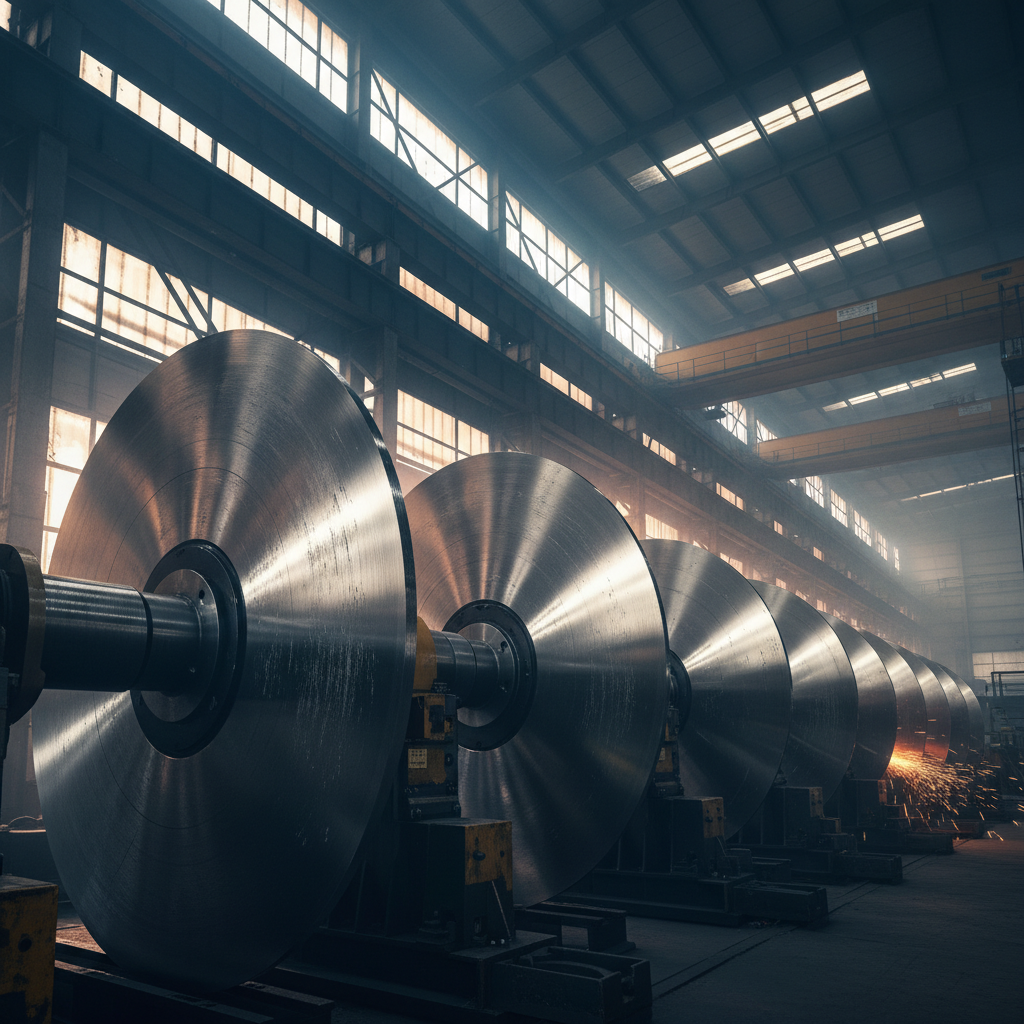
The Essential Guide to High Performance Circular Slitter Blades

The Importance of Circular Slitter Blades

The Essential Guide to High Performance Circular Slitter Blades

The efficiency and quality of numerous manufacturing processes are directly linked to the performance of circular slitter blades. These blades aren't simply cutting tools; they're integral components that dictate final product dimensions, edge quality, and overall production speed. Proper blade selection and maintenance can dramatically reduce material waste and improve uptime.

The impact extends beyond just cost savings. Precision slitting contributes to enhanced product aesthetics, improved functionality, and greater customer satisfaction. In industries like food packaging, where hygiene and safety are paramount, the clean cuts provided by high-quality circular slitter blades are crucial for maintaining product integrity.

Defining Circular Slitter Blades

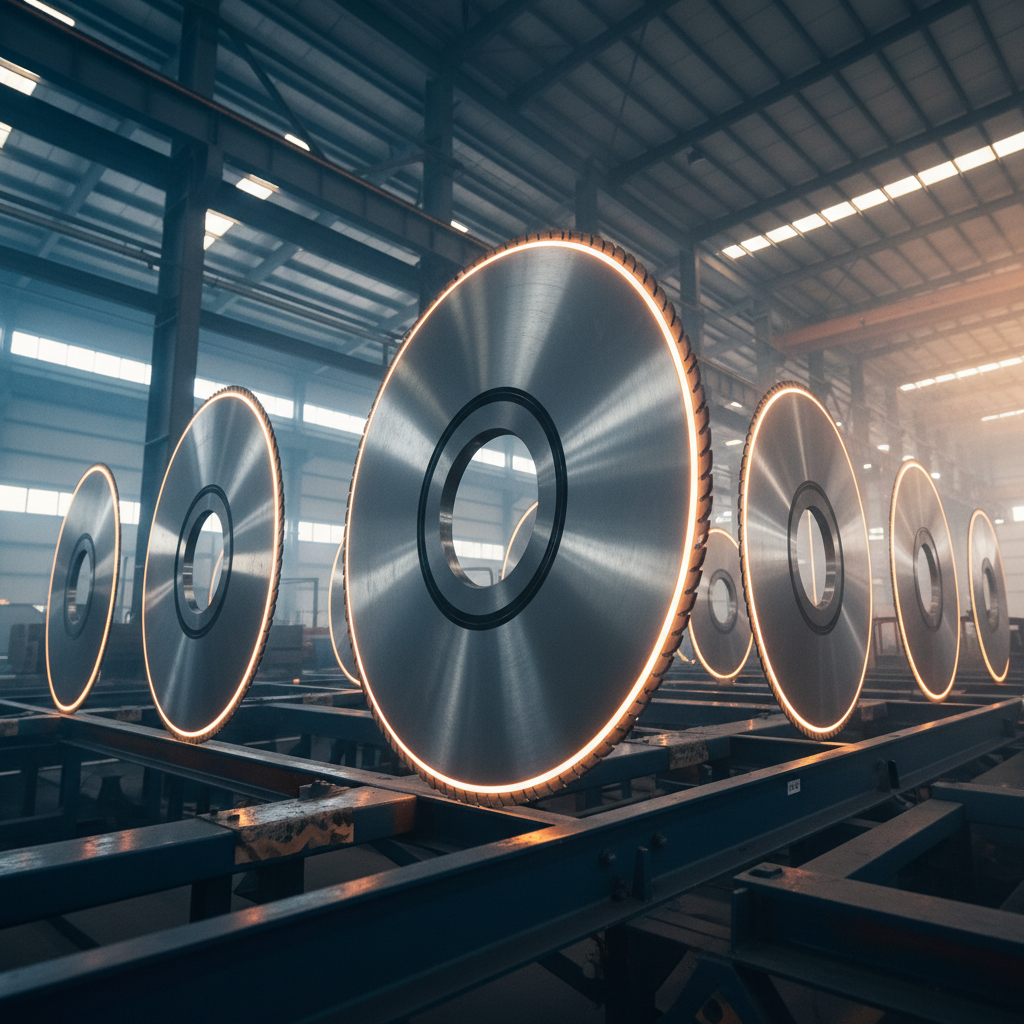
Circular slitter blades are essentially high-precision rotary cutting tools used to shear materials continuously as they move through a slitting machine. They consist of a circular blade body with a sharpened cutting edge, mounted on a rotating shaft. Unlike traditional knives, they offer consistent cutting force across the entire width of the material.

Their connection to modern industry stems from the need for continuous, high-speed material processing. From converting large rolls of paper, film, and foil into smaller widths, to precisely cutting textiles for apparel manufacturing, these blades are foundational to a wide spectrum of production processes.

The application of circular slitter blades is also expanding into emerging fields, such as the production of lithium-ion battery components. The precise and consistent cuts required for battery separators and electrodes demand the highest levels of blade accuracy and durability.

Core Components and Material Science

Circular slitter blades are not monolithic structures. They are comprised of several key components. The blade body, typically made from tool steel, provides structural support. The cutting edge, often hardened and ground to a specific geometry, performs the actual shearing action. Mounting features, such as arbors and clamping surfaces, ensure secure attachment to the slitting machine.

Material science plays a critical role in determining the blade’s performance. High-carbon tool steels, such as D2 and CPM-M4, are common choices due to their hardness, wear resistance, and ability to hold a sharp edge. Coatings, like TiN (Titanium Nitride) or DLC (Diamond-Like Carbon), are frequently applied to further enhance wear resistance and reduce friction. The selection depends heavily on the material being cut.

Different materials demand different blade compositions. For abrasive materials, blades with higher carbide content are used. For sticky materials, coated blades prevent build-up and maintain clean cuts. Understanding the interaction between the blade material and the substrate is essential for maximizing blade life and cutting quality. Even the heat treatment process impacts performance.

Key Performance Indicators of Circular Slitter Blades

Evaluating the performance of circular slitter blades requires considering several key indicators. Sharpness, measured by the ability to cleanly shear the material, is paramount. Wear resistance, which determines the blade's lifespan, is also crucial. Dimensional stability, or the blade’s ability to maintain its shape under stress, affects cut accuracy.

Beyond these core aspects, factors like edge retention (how long the blade stays sharp), surface finish (the smoothness of the cut edge), and resistance to chipping and cracking are also important. Proper maintenance, including regular sharpening and cleaning, directly influences these KPIs.

Circular Slitter Blade Performance Comparison


Global Applications of Circular Slitter Blades

The applications of circular slitter blades span numerous industries worldwide. The packaging industry is a major consumer, utilizing these blades for slitting film, paper, and cardboard. Textile manufacturers rely on them for precise fabric cutting. The plastics industry utilizes them to cut sheets and films for a variety of applications.

In North America and Europe, demand is driven by the sophisticated packaging needs of the food and pharmaceutical industries. Asia-Pacific, with its booming manufacturing sector, represents a significant and rapidly growing market. Even in developing regions, circular slitter blades are crucial for supporting local manufacturing capabilities.

Advantages and Long-Term Value Proposition

Investing in high-quality circular slitter blades offers substantial advantages. Reduced material waste translates directly into cost savings. Improved cut quality enhances product aesthetics and functionality. Increased production speed boosts overall efficiency. Furthermore, durable blades minimize downtime, reducing maintenance costs and lost production time.

The long-term value extends beyond purely economic considerations. Sustainable blade materials and manufacturing processes contribute to environmental responsibility. Reliable blade performance fosters trust with customers and strengthens brand reputation. Innovation in blade technology drives continuous improvement in manufacturing processes.

Future Trends and Innovations in Slitter Blade Technology

The future of circular slitter blades is being shaped by several key trends. The development of new blade materials, such as advanced ceramics and powdered metals, promises enhanced wear resistance and cutting performance. Smart blades, equipped with sensors and data analytics, will provide real-time insights into blade condition and performance.

Automation and digital transformation are driving demand for blades that can seamlessly integrate into automated slitting lines. Sustainable manufacturing practices, including the use of recycled materials and energy-efficient processes, are becoming increasingly important. Moreover, advancements in coating technologies will further extend blade life and reduce friction.

The integration of artificial intelligence (AI) and machine learning (ML) to predict blade failure will become increasingly prevalent, enabling preventative maintenance and minimizing downtime. These innovations will continue to optimize slitting processes and unlock new levels of efficiency.

FAQS

What is the typical lifespan of a circular slitter blade?

The lifespan of a circular slitter blade varies significantly based on material, application, and maintenance. Softer materials typically extend blade life, while abrasive materials shorten it. Regular sharpening and cleaning are essential for maximizing lifespan, but generally, blades can last from several weeks to several months with proper care. Monitoring cutting performance is crucial to identify when a blade needs replacement or resharpening.

How do I choose the right circular slitter blade for my application?

Selecting the appropriate blade involves considering the material being cut, the desired cut quality, and the operating speed of the slitting machine. Factors like blade material, edge geometry, and coating should be tailored to the specific application. Consult with a slitter blade specialist or refer to manufacturer guidelines to ensure optimal performance and longevity. Consider the thickness and abrasiveness of the material.

What are the signs that a circular slitter blade needs to be replaced?

Several indicators suggest blade replacement is necessary. These include increased cutting force, ragged or inconsistent cut edges, noticeable blade wear, and excessive vibration during operation. A decline in cutting speed or an increase in material waste are also clear signals. Ignoring these signs can lead to reduced product quality and potential machine damage.

How often should circular slitter blades be sharpened?

The frequency of sharpening depends on usage and material abrasiveness. As a general guideline, blades should be inspected for dullness regularly, and sharpened when cutting performance begins to degrade. Over-sharpening can reduce blade life, so it's important to use a qualified sharpening service and follow manufacturer recommendations. Preventative sharpening can help maintain optimal cutting efficiency.

What safety precautions should be taken when handling circular slitter blades?

Circular slitter blades are extremely sharp and pose a significant safety hazard. Always wear appropriate personal protective equipment (PPE), including gloves and eye protection, when handling blades. Use designated blade handling tools and never attempt to sharpen or repair a blade without proper training. Store blades securely to prevent accidental cuts. Always de-energize the slitting machine before blade maintenance.

Are there eco-friendly options for circular slitter blades?

Yes, increasingly manufacturers are offering eco-friendly options. These include blades made from recycled materials, blades with longer lifespans (reducing waste), and blades designed for efficient material utilization. Choosing blades with sustainable coatings and manufacturing processes further contributes to environmental responsibility. Explore options designed for ease of recycling at the end of their useful life.

Conclusion

Circular slitter blades are fundamental to modern manufacturing, enabling efficient and precise material processing across a diverse range of industries. Understanding their core components, performance indicators, and emerging trends is critical for optimizing production processes and achieving sustainable growth. Investing in high-quality blades and adopting best practices for maintenance and safety will yield significant long-term benefits.

Looking ahead, the future of slitter blade technology will be shaped by innovation in materials, automation, and data analytics. Embracing these advancements will unlock new levels of efficiency, reduce waste, and drive continuous improvement in manufacturing operations. Visit our website at www.mechblades.com to explore our range of high-performance circular slitter blades and learn how we can help optimize your slitting processes.

William Anderson

William Anderson

William Anderson is a Technical Support Specialist at Binsheng, based in our Jiangsu Province facility. He provides direct technical assistance to our North American clients, resolving application issues and offering expert advice on blade maintenance. William has a background in mechanical engineering and a passion for problem-solving. He's the first
Previous Precision Slitter Knife Technology for Modern Industrial Applications
Next Advancements in Circular Slitter Technology for Precision Material Processing