See us at E-Waste World Expo 2026 ( Booth D136 ) June 17-18th , Messe Frankfurt, Germany

0%

Table of Contents

Shear slitting knives are essential tools in a vast array of industrial processes, from paper and plastic manufacturing to metalworking and textile production. Their precision and efficiency in cutting materials make them indispensable for modern manufacturing, ensuring consistent product quality and minimizing waste. Understanding the nuances of these knives – their design, materials, and applications – is crucial for optimizing production processes and maintaining operational excellence.

The global demand for shear slitting knives is driven by the continued growth of industries reliant on precise cutting solutions. According to recent market analysis, the slitting knife market is projected to experience steady growth in the coming years, fueled by factors such as increasing automation in manufacturing, the demand for thinner and lighter materials, and the expansion of end-use industries like packaging and automotive. This escalating demand underscores the importance of innovation and quality in the design and manufacture of shear slitting knives.

Shear slitting knives address a significant challenge in many manufacturing environments: the need for clean, accurate cuts without material deformation or burring. Traditional cutting methods often struggle with these requirements, leading to increased scrap rates and reduced product performance. Utilizing high-quality shear slitting knives not only improves product quality but also contributes to cost savings and environmental sustainability by reducing material waste.
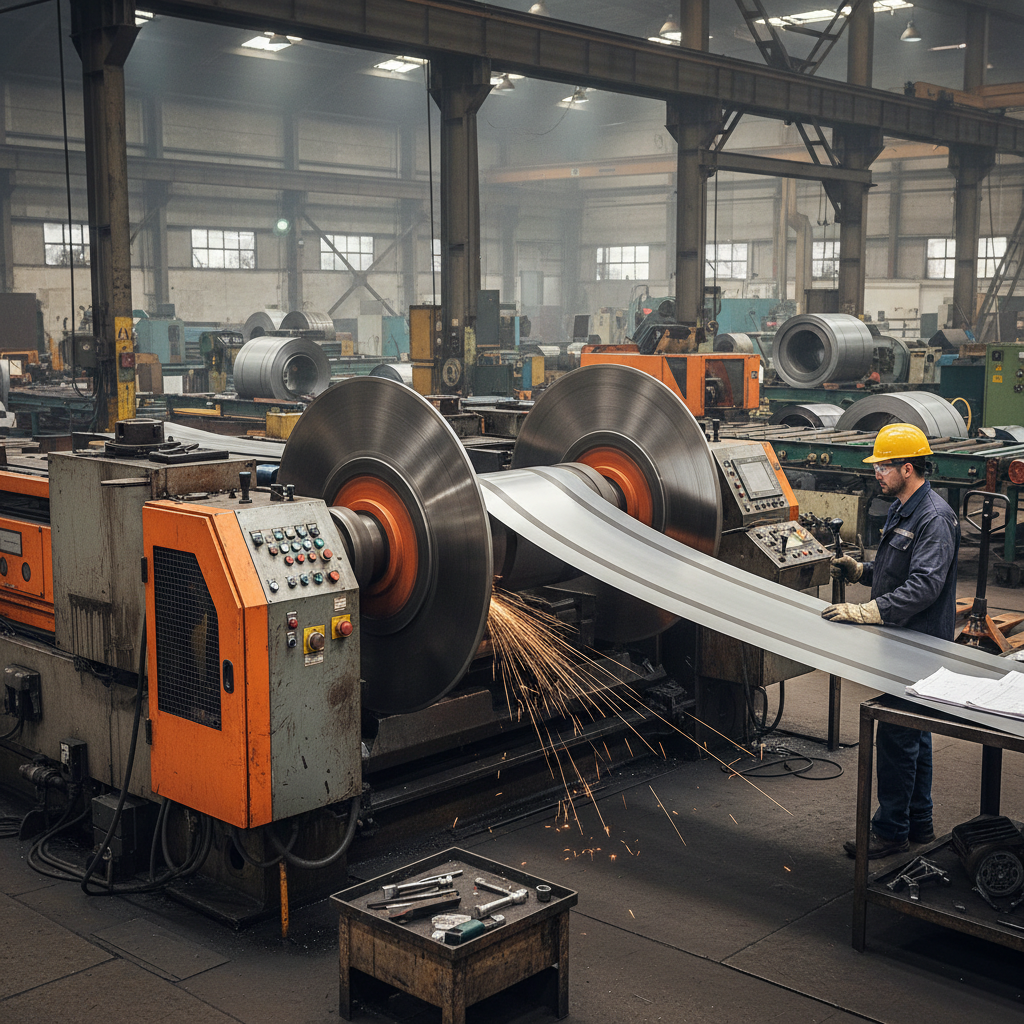
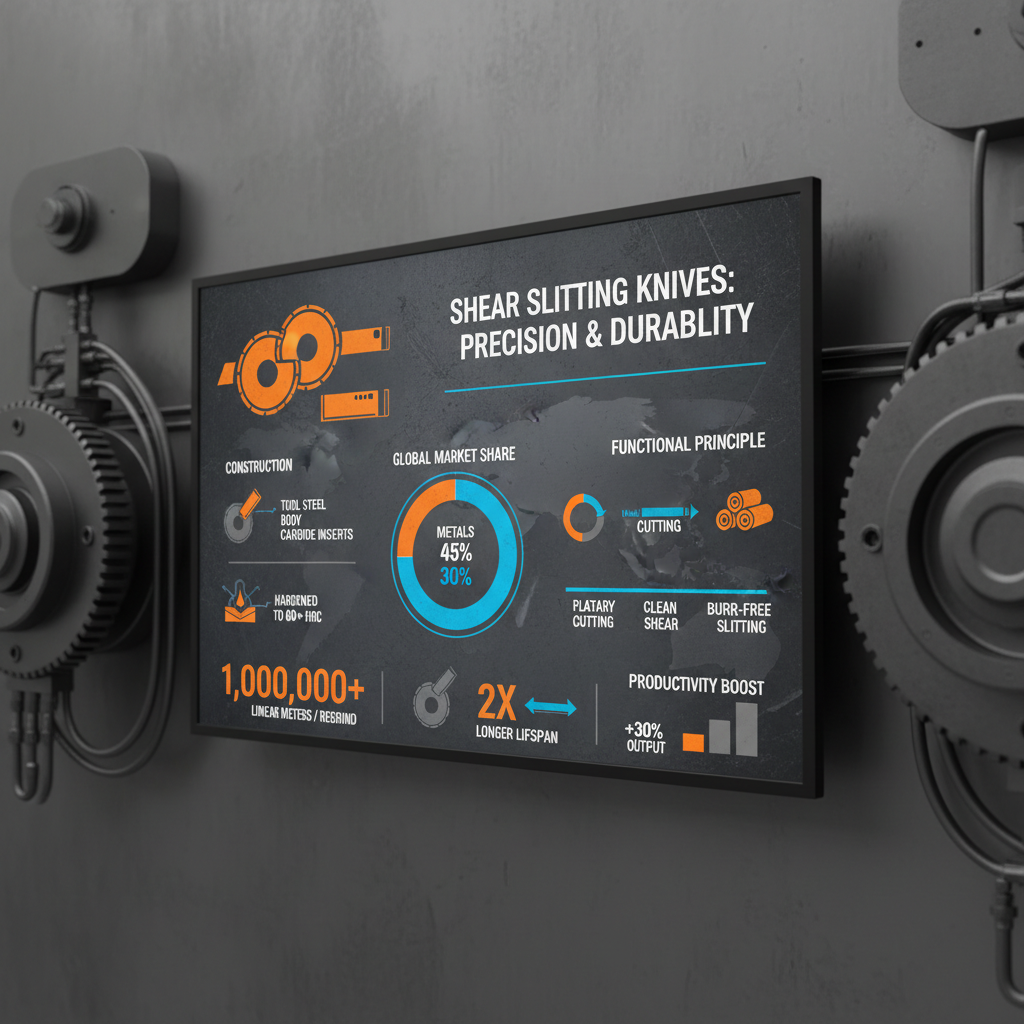
Precision Engineering of Shear Slitting Knives for Modern Industrial Applications

Introduction to Shear Slitting Knives

Precision Engineering of Shear Slitting Knives for Modern Industrial Applications

Shear slitting knives are specifically designed to create precise and clean cuts through a wide range of materials, utilizing the principle of shearing force rather than abrasion. This results in minimal material distortion and a superior edge quality compared to other cutting methods. Their application extends across numerous industries, impacting the efficiency and quality of diverse manufacturing processes.

These knives aren’t just about cutting; they’re about enhancing overall production efficiency. By minimizing waste and reducing the need for secondary finishing operations, shear slitting knives contribute directly to cost savings and improved profitability. Their durability and longevity further add to their value, making them a smart investment for any industrial operation relying on precise cutting capabilities.

Defining Shear Slitting Knives

A shear slitting knife is a specialized cutting tool engineered to separate materials by applying a shearing force, essentially forcing a wedge-shaped blade between the material’s layers. Unlike traditional knives that rely on sawing or abrasive action, shear slitting knives create a clean, straight cut with minimal deformation, making them ideal for sensitive materials like plastics, rubber, and thin metals.

The connection to modern industry is profound. These knives are vital components in the production of packaging materials, flexible electronics, and numerous other consumer and industrial goods. Without the precision and efficiency of shear slitting knives, many modern manufacturing processes would be significantly slower, more costly, and produce lower quality results.

Their role extends to humanitarian needs as well. In disaster relief, they’re used in manufacturing temporary shelters and medical supplies, requiring efficient and accurate material cutting. This contributes to faster response times and better resource allocation during critical situations.

Key Characteristics of Shear Slitting Knives

Durability is paramount for shear slitting knives. They are frequently exposed to abrasive materials and high-stress cutting conditions, necessitating robust construction and high-quality materials like tool steel or carbide. A durable knife maintains its sharpness for longer, reducing downtime for replacements and ensuring consistent cutting quality.

Precision is another critical characteristic. Shear slitting knives must be manufactured to tight tolerances to guarantee clean, accurate cuts. Any deviation from the desired dimensions can lead to material waste, production errors, and compromised product quality. This requires advanced manufacturing techniques and rigorous quality control procedures.

Sharpness is fundamental to the effectiveness of shear slitting knives. A sharp blade minimizes cutting force, reducing material deformation and preventing tearing or burring. Maintaining optimal sharpness requires regular honing or sharpening, depending on the material being cut and the frequency of use.

Performance Metrics of Shear Slitting Knives

The cutting force required by a shear slitting knife is a crucial performance metric. Lower cutting force translates to reduced energy consumption, less stress on the machinery, and a longer lifespan for the knife itself. Optimizing knife geometry and material selection can significantly minimize cutting force.

Edge retention, or the ability of the knife to maintain its sharpness over time, directly impacts productivity and cost-effectiveness. Longer edge retention reduces the frequency of sharpening or replacement, minimizing downtime and associated expenses.

Shear Slitting Knife Performance Comparison


Global Applications of Shear Slitting Knives

Shear slitting knives are extensively used in the paper industry for slitting large rolls of paper into smaller, manageable widths for various applications, from printing to packaging. The precision of the cut is crucial for ensuring consistent paper quality and minimizing waste.

In the plastics industry, these knives are essential for slitting plastic films, sheets, and rolls used in packaging, agriculture, and construction. The ability to create clean, burr-free cuts is vital for maintaining the integrity of the plastic materials and ensuring proper functionality. They find broad application across Europe, North America and increasingly within the Asia-Pacific region.

The Benefits of Utilizing Shear Slitting Knives

Cost savings are a significant benefit. By minimizing material waste and reducing the need for secondary finishing operations, shear slitting knives contribute directly to lower production costs. Improved cutting accuracy also reduces rework and scrap rates, further enhancing profitability.

Enhanced product quality is another key advantage. The clean, precise cuts produced by shear slitting knives ensure that finished products meet stringent quality standards. This is particularly important in industries where product performance and appearance are critical, such as automotive and aerospace.

Future Trends in Shear Slitting Knife Technology

The integration of advanced materials like polycrystalline diamond (PCD) and ceramic composites is a key trend. These materials offer superior hardness and wear resistance, extending knife lifespan and improving cutting performance, particularly when working with abrasive materials.

Automation and smart knife technology are also gaining prominence. Automated knife changing systems and sensors that monitor knife wear and performance allow for optimized cutting processes and reduced downtime. Real-time data analysis enables predictive maintenance and proactive adjustments to ensure consistent cutting quality.

Sustainability is driving the development of eco-friendly knife coatings and manufacturing processes. Reducing waste and minimizing the environmental impact of knife production are becoming increasingly important considerations.

FAQS

What is the typical lifespan of a shear slitting knife?

The lifespan of a shear slitting knife varies significantly depending on the material being cut, the cutting frequency, and the quality of the knife itself. Generally, high-quality knives made from tool steel can last for several months to a year with regular maintenance, while carbide knives can offer even longer lifespans, potentially exceeding several years. Regular inspection and sharpening are crucial for maximizing knife life.

How do I choose the right shear slitting knife for my application?

Selecting the correct knife requires careful consideration of several factors. The type of material being cut, its thickness, and the desired cut quality are all important. The knife's geometry, blade angle, and material composition should be tailored to the specific application. Consulting with a shear slitting knife specialist can provide valuable guidance.

What maintenance is required for shear slitting knives?

Regular maintenance is essential for maintaining optimal knife performance. This includes cleaning the knives after each use to remove debris and contaminants, sharpening the blades when they become dull, and inspecting for any signs of damage, such as chips or cracks. Proper storage is also important to prevent corrosion and damage.

Can shear slitting knives be resharpened?

Yes, most shear slitting knives can be resharpened multiple times, extending their lifespan and reducing costs. However, the number of times a knife can be resharpened is limited by its material and thickness. Professional resharpening services are recommended to ensure the knife is sharpened correctly and maintains its original geometry.

What are the safety precautions when working with shear slitting knives?

Shear slitting knives are extremely sharp and require careful handling. Always wear appropriate personal protective equipment (PPE), including safety glasses, gloves, and protective clothing. Follow proper operating procedures for the slitting machine and ensure that all safety guards are in place. Never attempt to adjust or repair the machine while it is running.

What materials are shear slitting knives typically made from?

Common materials include tool steel (such as D2, A2), high-speed steel (HSS), and carbide. Tool steel provides a good balance of hardness and toughness, while HSS offers excellent wear resistance. Carbide is the most durable option, ideal for abrasive materials but more expensive. The choice depends on the application’s specific demands and budget.

Conclusion

Shear slitting knives are fundamental components of modern manufacturing, providing the precision and efficiency necessary for producing a vast range of products. Their ability to deliver clean, accurate cuts with minimal material waste translates directly into cost savings, improved product quality, and enhanced operational sustainability. Understanding the key characteristics of these knives – their durability, precision, and sharpness – is crucial for optimizing performance and maximizing their value.

Looking ahead, continued innovation in materials, automation, and smart technology will further enhance the capabilities of shear slitting knives. Embracing these advancements will enable manufacturers to meet the evolving demands of the market, reduce their environmental impact, and maintain a competitive edge. To learn more about high-quality shear slitting knives and find the perfect solution for your needs, visit our website: www.mechblades.com.

Christopher Wilson

Christopher Wilson

Christopher Wilson is a Quality Control Manager at Binsheng. With a decade of experience in ISO 9001 certified manufacturing environments, he ensures all blades meet rigorous quality standards before export. Christopher oversees a dedicated team responsible for dimensional accuracy, material composition, and performance testing. He’s dedicated to maintaining Binsheng’s reputation
Previous Advanced Slitter Knife Grinding Machine Technology for Precision Cutting
Next The Critical Role of Industrial Slitter Blades in Modern Manufacturing Processes