-
March 5, 2026Superior SS440 Food Blades for Efficient and Safe Food ProcessingIn the dynamic world of food processing, efficiency and hygiene are paramount. SS440 food blades are specifically engineered to meet these demands, offering superior performance and longevity. This guide delves into the properties, applications, and benefits of SS440 blades, helping you understand why they’re a crucial component in maintaining food safety and operational excellence. We'll explore how Mechblades' commitment to quality ensures you receive a product that consistently delivers. SS440 stainless steel is an alloy specifically formulated for high hardness and corrosion resistance. Its composition includes chromium, which forms a protective layer against environmental elements, making it ideal for food processing environments. This material maintains its integrity even when exposed to acidic, salty, or alkaline substances commonly found in food production.
-
March 4, 2026Comprehensive Guide to Stainless Food Blades for Optimal PerformanceIn the dynamic world of food processing and preparation, the quality of your tools directly impacts efficiency, safety, and hygiene. A crucial element often overlooked is the blade – specifically, stainless food blades. These blades are the workhorses of countless operations, from slicing and dicing to mixing and pureeing. This article provides a comprehensive overview of stainless food blades, covering their benefits, types, applications, and key considerations when choosing the right blade for your needs. Investing in quality blades means investing in the success of your operations. Stainless steel is the material of choice for food-grade blades for a multitude of reasons. Firstly, it's incredibly resistant to corrosion, preventing rust and ensuring the blade remains hygienic over extended use. This is critical in preventing contamination of food products. Secondly, stainless steel is remarkably durable, maintaining a sharp edge for a longer period compared to other materials. Finally, stainless steel is non-reactive, meaning it won't impart any unwanted flavors or odors to the food being processed.
-
March 3, 2026Comprehensive Guide to Agitator Blades for Optimal Mixing PerformanceAgitator blades are critical components in a wide array of industrial processes, playing a key role in mixing, blending, and suspending materials. Choosing the right agitator blade is essential for optimizing performance and ensuring efficient operation. At Mechblades, we specialize in providing high-quality agitator blades tailored to diverse applications. This article will delve into the types of agitator blades, their applications, factors to consider when selecting a blade, and the benefits of choosing Mechblades. Understanding these aspects will empower you to make informed decisions for your specific needs. There's a diverse range of agitator blades available, each designed for specific applications. Common types include axial flow impellers, radial flow impellers, and mixed flow impellers. Axial flow impellers, like pitched blade turbines, generate flow primarily in the vertical direction, suitable for blending and suspension. Radial flow impellers, such as Rushton turbines, create flow in a horizontal plane, ideal for gas dispersion and emulsification. Mixed flow impellers combine characteristics of both axial and radial flow. The selection depends heavily on the process requirements and the properties of the fluid being agitated.
-
February 28, 2026Choosing the Right Food Processing Blade for Efficiency and SafetyIn the food processing industry, precision, hygiene, and efficiency are paramount. A critical component enabling these aspects is the food processing blade. Selecting the correct blade directly impacts product quality, processing speed, and overall operational costs. This article will explore the various types of food processing blades, materials, applications, and factors to consider when making a purchase. We'll delve into how choosing the right blade can streamline your processes and ensure food safety standards are met. Food processing blades come in a diverse range of designs, each suited for specific tasks. Common types include slicing blades, dicing blades, chopping blades, and mincing blades. Slicing blades are designed for creating uniform slices of meat, vegetables, or cheese. Dicing blades produce cubed products, ideal for salads and prepared meals. Chopping blades are versatile, capable of handling a variety of ingredients. Mincing blades reduce food to a very fine consistency, perfect for ground meats or pates. The choice of blade depends entirely on the desired end product and the characteristics of the food being processed.
-
February 27, 2026Comprehensive Guide to Choosing the Right Food Processor Blade for Your NeedsA high-quality food processor blade is the heart of efficient food preparation. Whether you’re a home cook or a professional chef, the right blade can drastically improve your results. This article dives into the different types of blades, materials, maintenance, and how to choose the best blade for your needs. We’ll explore the crucial factors that contribute to a blade's performance and longevity, ensuring you get the most out of your food processor. Food processor blades aren’t one-size-fits-all. Different tasks require different blade designs for optimal performance. The standard "S" blade, often included with food processors, is versatile for chopping, pureeing, and mixing. However, specialized blades unlock even more possibilities. These include shredding discs for cheese and vegetables, slicing discs for uniform slices, dough blades for kneading, and even emulsifying discs for making sauces and dips. Understanding these options allows you to tackle any culinary challenge with ease. Selecting the appropriate blade is just as important as the quality of the blade itself.
-
February 26, 2026Optimizing Food Processing with the Right Food Machinery Blade SelectionIn the food processing industry, the efficiency and hygiene of machinery are paramount. A critical component often overlooked, yet essential for smooth operations, is the food machinery blade. These blades are responsible for slicing, dicing, chopping, and mixing a wide variety of food products. Choosing the correct blade type, material, and sharpness is crucial for maintaining product quality, minimizing downtime, and ensuring food safety. This article will explore the key considerations when selecting a food machinery blade, the different types available, and how to ensure longevity and optimal performance. Using the right food machinery blade isn't just about cutting; it’s about consistency, safety, and upholding product standards. Dull or damaged blades can lead to inconsistent cuts, bruised or torn products, and increased risk of contamination. Furthermore, forcing a dull blade requires more energy, potentially damaging the machinery and increasing operational costs.
-
February 25, 2026Optimized Precision Cutting with Advanced Special Shape Blade TechnologyIn the realm of industrial cutting and precision manufacturing, the efficiency and quality of blades are paramount. Special shape blades represent a significant advancement over traditional blade designs, offering optimized performance for a wide array of applications. These blades, tailored to specific cutting tasks, unlock enhanced precision, reduced material waste, and increased overall productivity. At MechBlades, we specialize in crafting high-performance special shape blades to meet the evolving needs of modern industries. This article delves into the benefits, applications, and key considerations when selecting special shape blades. Unlike standard, off-the-shelf blades, special shape blades are custom-designed and manufactured to fit precise cutting requirements. This often involves unique geometries, tooth configurations, and material compositions. They are engineered to tackle intricate cuts, complex contours, and specialized materials that traditional blades struggle with.
-
February 24, 2026Precision Engineered Custom Metal Blade Solutions for Diverse IndustriesIn numerous industries, the demand for blades that aren't just sharp, but perfectly tailored to specific applications, is ever-growing. This is where custom metal blades come into play. MechBlades specializes in delivering precisely engineered blades, designed and manufactured to meet the unique challenges of diverse sectors. From cutting-edge industrial applications to specialized crafting, a custom blade can significantly enhance efficiency, precision, and overall performance. Let's explore the benefits, materials, processes, and applications of custom metal blades. Opting for a custom metal blade over an off-the-shelf alternative unlocks a range of advantages. These benefits include superior precision, optimized cutting performance for specific materials, increased blade lifespan due to material selection and heat treatment, and the ability to address unique application requirements. Beyond simply ‘cutting’, a custom blade can be designed for specific tasks – slitting, scoring, piercing, and more – all tailored to the precise needs of the operation.
-
February 11, 2026Choosing the Perfect Slicing Knife for Your Culinary NeedsA high-quality slicing knife is an essential tool for both professional chefs and home cooks. Selecting the right knife can dramatically improve your food preparation experience, offering precision, efficiency, and safety. This article will explore the key factors to consider when purchasing a slicing knife, covering blade materials, handle designs, and optimal uses. We’ll also delve into how to maintain your knife for long-lasting performance. Choosing the right tool empowers you to create culinary masterpieces with ease. The blade material significantly impacts a slicing knife’s performance, durability, and maintenance requirements. High-carbon stainless steel is a popular choice, offering a good balance of sharpness, corrosion resistance, and affordability. Damascus steel, known for its beautiful patterns and exceptional edge retention, is favored by professional chefs. Ceramic blades are incredibly sharp and lightweight but can be brittle and require careful handling.
-
January 30, 2026Mechblades Dismeter Disc Knife A Comprehensive Guide to HarvestingChoosing the right disc knife for your agricultural machinery is crucial for efficient harvesting. The dismeter disc knife from Mechblades is engineered for precision, durability, and optimal performance. This article will provide a detailed overview of dismeter disc knives, their applications, benefits, and why Mechblades stands out as a leading supplier. Understanding the nuances of these knives can significantly improve your harvesting yield and reduce downtime. A dismeter disc knife is a specialized cutting tool used in forage harvesting equipment like disc mowers, haybines, and self-propelled forage harvesters. Its primary function is to cleanly cut crop stems at the base, facilitating efficient collection and processing. These knives are designed to rotate at high speeds, delivering a precise and consistent cut, even in challenging field conditions. They differ from traditional sickle bar knives by offering a smoother cut and reduced crop damage. Mechblades specializes in providing high-quality dismeter disc knives engineered to maximize performance.
-
January 28, 2026MechBlades High Performance Triple Chip Blades of Tungsten Carbide SolutionsIn the world of industrial cutting tools, precision and durability are paramount. MechBlades specializes in providing high-performance cutting solutions, and our triple chip blades of tungsten carbide are engineered to meet the demanding needs of modern manufacturing. This article will explore the benefits, applications, and technical aspects of these superior blades, highlighting why they are a critical investment for businesses seeking efficiency and cost savings. We will delve into what makes our blades stand out and how they can improve your operations. Tungsten carbide is renowned for its hardness and wear resistance, making it an ideal material for cutting tools. However, the design of the chip breaker – the geometry of the cutting edge – significantly impacts performance. Our triple chip blades feature a unique triple-faceted geometry.
-
January 27, 2026Optimizing Cutting Performance with High Quality Silicon Carbide BladesWhen precision and durability are paramount, silicon carbide blades stand out as a superior cutting solution. Known for their exceptional hardness, thermal conductivity, and resistance to wear, these blades are indispensable in a variety of industrial applications. This article will explore the properties, benefits, applications, and considerations when selecting silicon carbide blades. Whether you're in the ceramics industry, glass processing, or stone cutting, understanding these blades will optimize your processes and improve your results. Silicon carbide (SiC) is a compound of silicon and carbon, renowned as one of the hardest materials known to man. Silicon carbide blades are manufactured using this incredibly hard ceramic, offering exceptional performance in demanding cutting applications. They are typically produced through sintering, a process where the material is heated to a high temperature, forming a dense, robust blade structure.
See us at E-Waste World Expo 2026 ( Booth D136 ) June 17-18th , Messe Frankfurt, Germany

news
-
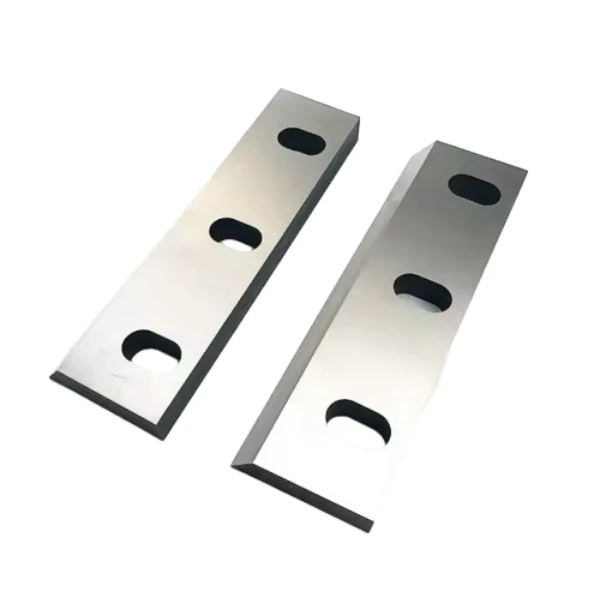 Solid Waste Recycling Crusher BladeThe blades of the solid waste recycling crusher achieve efficient resource utilization in the fields of tire recycling, mixed material cutting, and plastic crushing through high-strength materials (alloy steel/hard alloy) and structural innovation (modular/multi-layer layout), promoting the large-scale production of high value-added products such as recycled rubber and environmentally friendly building materials.
-
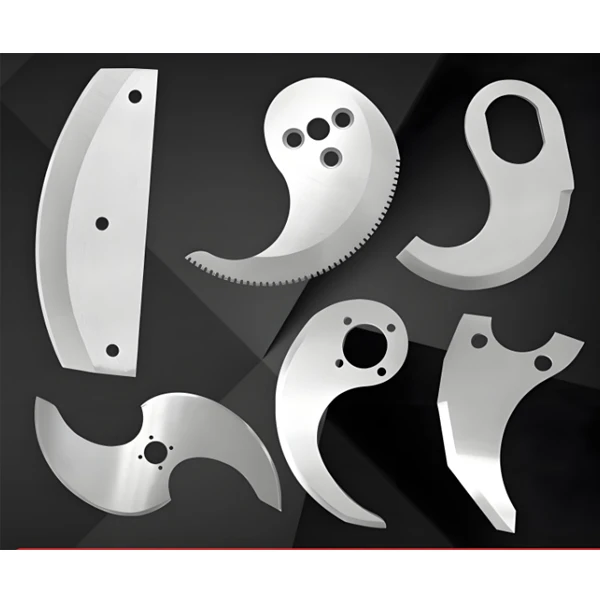 Meat ChopperThe meat chopper in the food industry is widely used in meat processing plants, restaurants and central kitchens, home and small commercial scenes, special food processing and other scenes. Through professional design and intelligent control, the processing efficiency is improved while food safety is guaranteed, covering the needs of the whole industry chain from industrial to home scenes.
-
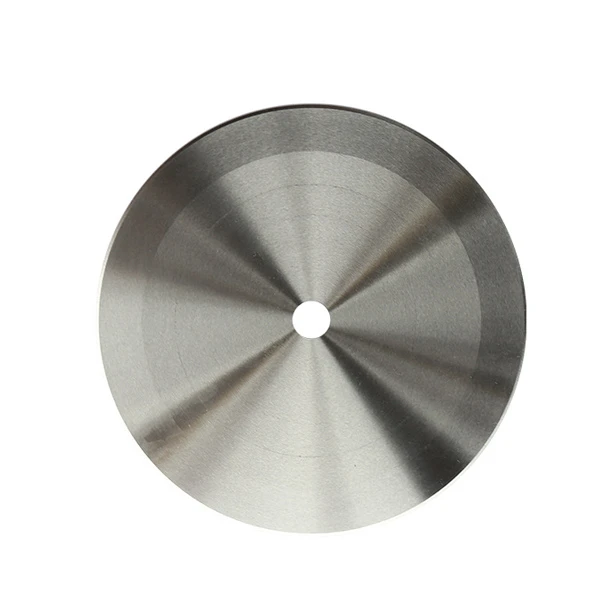 Hss Circular Saw BladesHigh speed steel circular saw blade (HSS circular saw blade) is an efficient tool specifically designed for metal cutting. When used in conjunction with a specialized metal circular saw machine, it can cover diverse processing needs from thin plates to thick materials by adjusting the tooth pitch and line speed. It has become the core tool for cutting, slotting, and other processes in metal processing, especially suitable for efficient production in fields such as automotive, aviation, and machinery manufacturing.
-
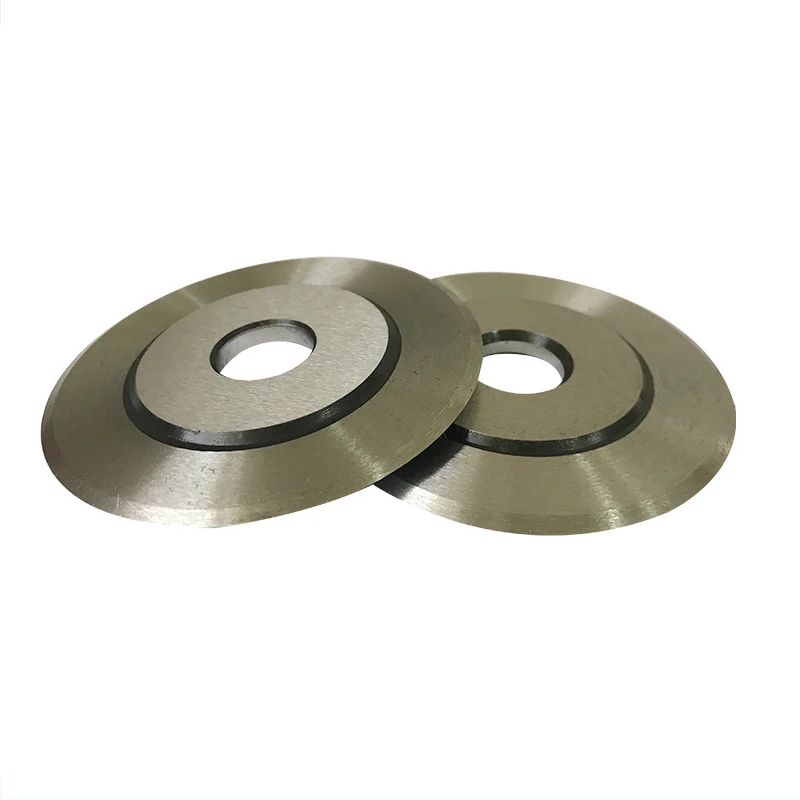 Tube Slitting Cutter KnifeCutting blades for steel pipes have the characteristics of high wear resistance, high hardness and strength, efficient cutting and high precision, thermal stability, etc., which have shown significant advantages in efficient operations in fields such as construction engineering, machinery manufacturing, energy and chemical engineering, and have been widely used.
-
 Paper Shredding BladesPulverizing knives in the paper industry are widely used in the fields of waste paper recycling and recycling, industrial production-grade pulp preparation and high-precision specialty paper processing, etc. They are widely used in the production of recycled paper, packaging material recycling and environmental protection treatment, etc. Through diversified knife design and intelligent technology integration, the whole industry chain needs from basic waste paper recycling to high-value paper recycling are covered.
-
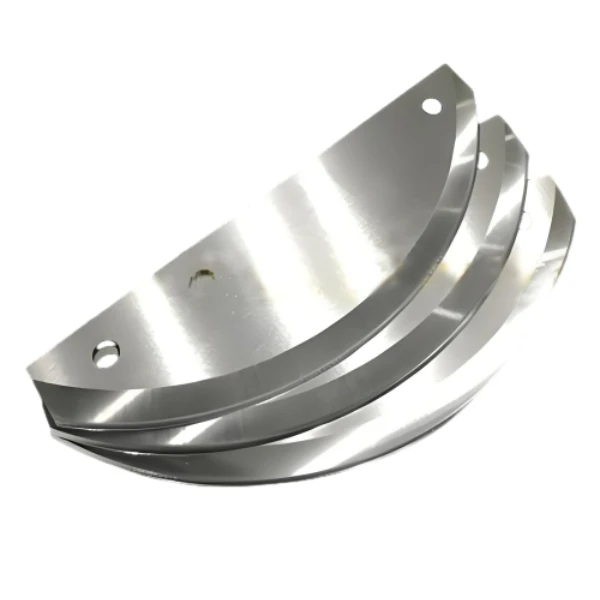 Bone Cutter In Food IndustryThe food industry chopper has a wide range of applications in meat processing, central kitchens and catering chains, home and small commercial scenarios, etc. Through specialized design and scene adaptation, it can improve processing efficiency while reducing operational risks, covering multi-level needs from industrial production to home kitchens
-
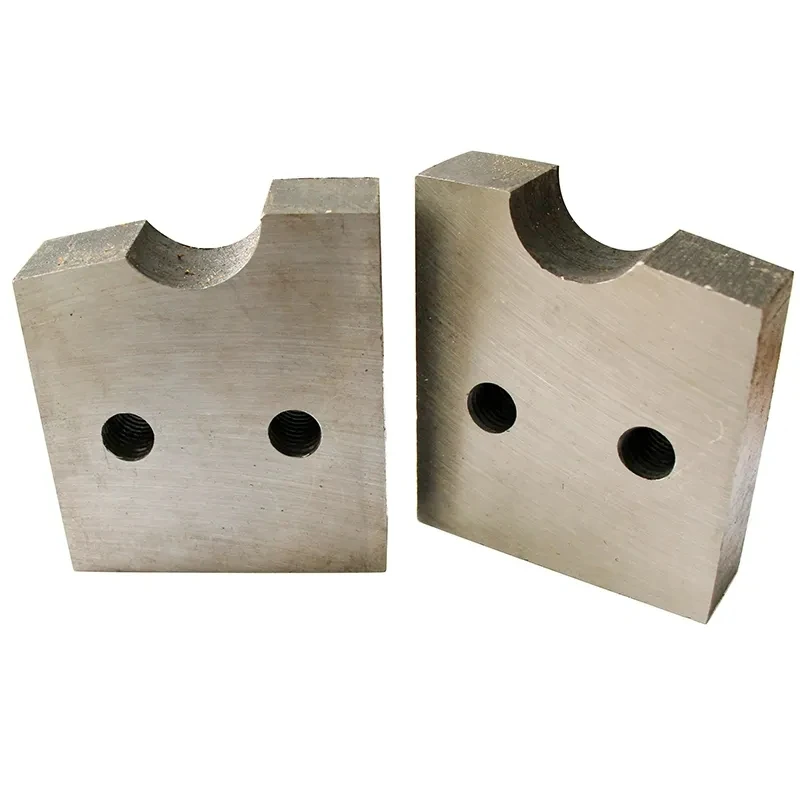 Steel Bar Cutting BladesThe steel bar cutting blade has the characteristics of high-strength material and process, precision structural design, thermal stability and wear resistance. When combined with sawing machines and pipe cutting machines or handheld or fixed equipment, it can achieve safe and efficient cutting of steel bars, and is widely used in the fields of construction engineering, industrial manufacturing, demolition and recycling.
-
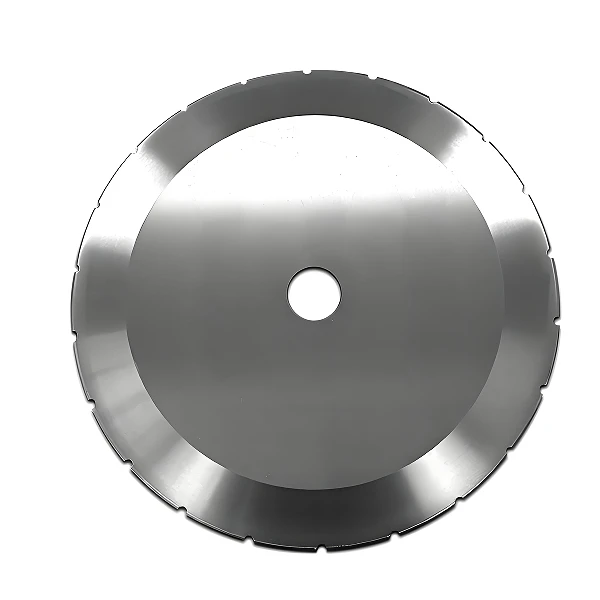 Paper Circular Slitter BladesThrough the combination optimization of shape and material (high speed steel, cemented carbide, etc.), the paper cutter blade can accurately adapt to the diversified cutting needs of printing, packaging and other scenes.
Get Binsheng Blade Tech Tips
ISO 9001 insights: industry trends & blade guides


