-
March 28, 2026Exploring the Functionality and Benefits of Flying Shear Cutter TechnologyIn the realm of metal processing, efficiency and precision are paramount. Flying shear cutters have emerged as a critical technology for high-speed, continuous material processing. These innovative machines excel in cutting metal strips, sheets, and coils while the material is in motion, eliminating downtime and boosting productivity. This article will explore the functionality, benefits, applications, and key considerations when selecting a flying shear cutter for your operation.
-
March 26, 2026Optimizing Metal Processing with High Performance Flying Shear Blade TechnologyIn the world of metal processing, particularly within the steel and aluminum industries, the efficiency and precision of cutting operations are paramount. A crucial component driving these processes is the flying shear blade. These specialized blades are engineered to deliver clean, accurate cuts on moving materials at high speeds. This article delves into the nuances of flying shear blades, exploring their applications, types, maintenance, and the factors that contribute to their optimal performance. Choosing the right blade and maintaining it properly can significantly impact productivity, reduce waste, and ensure the quality of finished products. A flying shear blade is a specialized cutting tool used in high-speed metal processing applications. Unlike traditional shear blades that cut stationary material, flying shears cut material while it's in motion. This is typically achieved using two opposing blades that move laterally across the material, shearing it cleanly. These blades are primarily used in steel mills, aluminum processing plants, and other facilities where continuous, high-volume metal cutting is required.
-
March 24, 2026The Ultimate Guide to Rotary Cutter Blade Versatility and ApplicationsA rotary cutter blade is an essential tool in a variety of industries, renowned for its precision, efficiency, and durability. From fabric cutting in quilting and sewing to material processing in manufacturing, the right blade can dramatically improve workflow and product quality. This comprehensive guide explores the different types of rotary cutter blades, their applications, choosing the right blade for your needs, maintenance tips, and safety considerations. Investing in a high-quality rotary cutter blade is crucial for achieving optimal results and maximizing the lifespan of your cutting tools. Rotary cutter blades come in a variety of shapes and materials, each designed for specific cutting tasks. Common types include straight blades for general-purpose cutting, scalloped blades for intricate designs and curves, pinking blades for finishing edges to prevent fraying, and specialty blades for specific materials like leather or vinyl. The material of the blade also impacts its performance; high-carbon steel blades offer excellent sharpness and durability, while titanium-coated blades provide enhanced corrosion resistance and longevity. Selecting the right type of rotary cutter blade is essential for achieving clean, precise cuts.
-
March 21, 2026Choosing the Right Rotary Clipper Blade for Professional Haircutting ResultsSelecting the correct rotary clipper blade is crucial for achieving a precise and efficient cut. Whether you're a professional barber, groomer, or simply maintain your own hair, understanding the different types, materials, and sizes available can significantly impact your results. This article will provide a detailed overview of rotary clipper blades, helping you make an informed decision. We'll explore factors like blade material, tooth configuration, and compatibility to ensure you find the perfect blade for your needs. Rotary clipper blades operate using a reciprocating motion, powered by a rotary motor. This creates a fast and consistent cutting action. Unlike traditional lever-style clippers, rotary clippers typically feature a range of magnetic attachment guards to achieve different hair lengths. The blade itself is the heart of the clipper, and its quality and design directly impact performance. Factors to consider include the blade's material (stainless steel, carbon steel, ceramic), tooth configuration (standard, taper, skip tooth), and overall sharpness. A dull or poorly designed blade can lead to snagging, pulling, and an uneven cut.
-
March 19, 2026Comprehensive Guide to Sheet Metal Guillotine Blade Selection and MaintenanceSheet metal guillotine blades are essential components in metal fabrication, playing a critical role in achieving clean, precise cuts. Choosing the right blade is vital for efficiency, accuracy, and cost-effectiveness. This article will delve into the world of sheet metal guillotine blades, covering types, materials, maintenance, and factors to consider when making a purchase. Understanding these aspects will empower you to optimize your cutting processes and ensure long-lasting blade performance. We'll explore how the quality of a blade directly impacts the final product and overall production efficiency. Guillotine blades come in various types, each designed for specific materials and cutting requirements. The most common types include flat blades, orbital blades, and stepped blades. Flat blades are versatile and suitable for a wide range of materials, while orbital blades offer extended cutting life due to their rotating cutting edge. Stepped blades are typically used for thicker materials, providing increased cutting power. Selecting the appropriate blade type is crucial for optimizing performance and minimizing downtime.
-
March 17, 2026Optimizing Metal Fabrication with High Performance Hydraulic Plate Shear BladeIn the world of metal fabrication, the efficiency and precision of plate shearing are paramount. A critical component driving this process is the hydraulic plate shear blade. These blades, designed for robust cutting performance, play a crucial role in industries ranging from shipbuilding and construction to automotive and aerospace. Selecting the right blade is essential for optimizing cutting quality, minimizing downtime, and extending overall equipment lifespan. This article will delve into the key aspects of hydraulic plate shear blades, covering their types, materials, maintenance, and selection criteria. Hydraulic plate shear blades aren't one-size-fits-all. Different types are designed for specific materials and cutting requirements. The two primary categories are upper blades and lower blades. Upper blades typically have a slightly larger rake angle to initiate the cutting process, while lower blades provide the support and finishing cut. Within these categories, variations exist based on blade geometry, including straight edges, stepped edges (for improved shear angle), and specialized profiles for particular metals like stainless steel or aluminum. Choosing the correct blade type impacts the cut quality, burr formation, and blade longevity.
-
March 14, 2026Comprehensive Guide to Planer Plate Shear Blades for Optimal Cutting PerformancePlaner plate shear blades are essential components in various industrial cutting applications, particularly in metal processing and manufacturing. These blades are designed for high-precision shearing of metal sheets and plates, delivering clean cuts and maximizing efficiency. Selecting the right blade is crucial for optimal performance and minimizing downtime. At Mechblades, we specialize in providing high-quality, durable shear blades tailored to your specific needs. This article will explore the intricacies of planer plate shear blades, covering their types, applications, maintenance, and factors to consider when choosing the best option for your operation. Planer plate shear blades come in several different designs, each suited to specific materials and cutting requirements. Common types include straight blades, offset blades, and stub blades. Straight blades are widely used for general-purpose shearing, while offset blades provide improved cutting action for thicker materials. Stub blades are designed for heavy-duty applications and offer exceptional durability. The choice of blade type depends on factors like the material being cut, the desired cut quality, and the machine’s specifications. Understanding these differences is critical for achieving optimal results. These blades find extensive use across a diverse range of industries. The automotive sector utilizes them in sheet metal stamping and body panel production. The construction industry relies on them for cutting steel plates used in structural components. The manufacturing of appliances, machinery, and other metal products also depends heavily on the precision and efficiency of planer plate shear blades.
-
March 12, 2026Understanding Sheet Shearing Blade Technology for Precise Metal CuttingSheet shearing blades are essential components in metalworking industries, responsible for cleanly and efficiently cutting sheet metal. Selecting the right blade is critical for achieving precise cuts, minimizing waste, and extending the lifespan of your machinery. This article will explore the intricacies of sheet shearing blades, covering their types, materials, applications, and crucial considerations for purchase. Investing in high-quality blades directly translates to improved productivity and cost savings. Sheet shearing blades come in various configurations, each optimized for specific materials and cutting requirements. The two primary types are upper blades and lower blades. Upper blades generally feature a slight rake angle to facilitate the cutting process, while lower blades are typically flat. Beyond this basic distinction, blades can be categorized based on their edge geometry, including standard, precision, and specialized designs for specific materials like stainless steel or aluminum. Understanding these distinctions is vital for maximizing cutting performance.
-
March 11, 2026Comprehensive Guide to Plates Shearing Blade Selection and MaintenanceIn the world of metal fabrication, the efficiency and precision of cutting tools are paramount. The plates shearing blade is a critical component in this process, enabling clean and accurate cuts in various metal sheets. This article delves into the intricacies of these blades, covering their types, applications, maintenance, and the factors to consider when choosing the right blade for your needs. Understanding these factors can significantly improve operational efficiency and reduce costs. Whether you're a seasoned professional or new to the field, this guide provides a comprehensive overview of plates shearing blades. A plates shearing blade is a specialized cutting tool used in shearing machines to cut metal plates. These blades work on the principle of applying a concentrated shearing force to the metal, causing it to fracture and separate along a desired line. Unlike sawing, which removes material, shearing creates a clean cut with minimal material loss. The blade's design and material composition are critical to its performance and longevity. These blades come in various sizes and configurations to accommodate different plate thicknesses and materials.
-
March 10, 2026Comprehensive Guide to Selecting the Ideal Sheet Metal Cutting BladeSelecting the appropriate sheet metal cutting blade is critical for achieving clean, efficient, and cost-effective results. The market offers a diverse range of blades designed for different materials, thicknesses, and cutting methods. This article provides a detailed overview of sheet metal cutting blades, covering types, applications, material considerations, and how to choose the best blade for your specific needs. Understanding these factors will help you optimize your cutting process and maximize blade lifespan. Sheet metal cutting blades are available in various types, each suited for different applications. Common types include abrasive blades, cold saw blades, and milling blades. Abrasive blades are cost-effective for general-purpose cutting but wear down quickly. Cold saw blades provide cleaner cuts and longer life, ideal for steel and non-ferrous metals. Milling blades offer precision and are often used for intricate designs or thicker materials.
-
March 9, 2026Choosing Optimal Metal Sheet Slitting Blades for Precision and EfficiencyIn the world of metal fabrication, precision and efficiency are paramount. Metal sheet slitting blades play a critical role in achieving both, enabling clean, accurate cuts for a wide array of applications. This article will delve into the key considerations when selecting slitting blades, covering materials, geometries, applications, and how to ensure you choose the best blade for your specific needs. Understanding the nuances of these blades can significantly improve your production process, reduce waste, and enhance the quality of your finished products. The material of a slitting blade is a primary factor influencing its performance and longevity. Different materials excel in different applications. Common materials include High-Speed Steel (HSS), Carbide, and Powder Metallurgy (PM) steel. HSS blades are cost-effective and suitable for lower volume, less abrasive materials. Carbide blades offer superior hardness and wear resistance, making them ideal for high-volume production and abrasive materials like stainless steel and aluminum. PM steel blades bridge the gap, offering a balance of toughness and wear resistance at a moderate cost.
-
March 8, 2026Comprehensive Guide to Metallurgical Blades for Precise Material AnalysisMetallurgical blades are specialized tools crucial for preparing material samples for microscopic analysis in various industries, including materials science, quality control, and research. These blades are integral to revealing the microstructure of metals and alloys, enabling accurate assessment of their properties. Choosing the right metallurgical blade is essential for obtaining high-quality specimens. At MechBlades, we specialize in providing precision-engineered blades tailored to your specific needs. Understanding the intricacies of metallurgical blade selection can significantly enhance the accuracy and efficiency of your materials analysis. Metallurgical blades, also known as sectioning blades or cut-off wheels, are used to precisely cut metal samples without introducing significant heat or deformation. These blades are commonly employed in sample preparation for metallography, a technique used to reveal the microstructure of materials. The primary applications include: Failure Analysis: Identifying the root cause of material failures. Quality Control: Ensuring materials meet specified standards. Materials Research: Investigating the properties of new alloys and materials. Heat Treatment Verification: Assessing the effectiveness of heat treatment processes. Welding Inspection: Evaluating the integrity of weldments.
See us at E-Waste World Expo 2026 ( Booth D136 ) June 17-18th , Messe Frankfurt, Germany

news
-
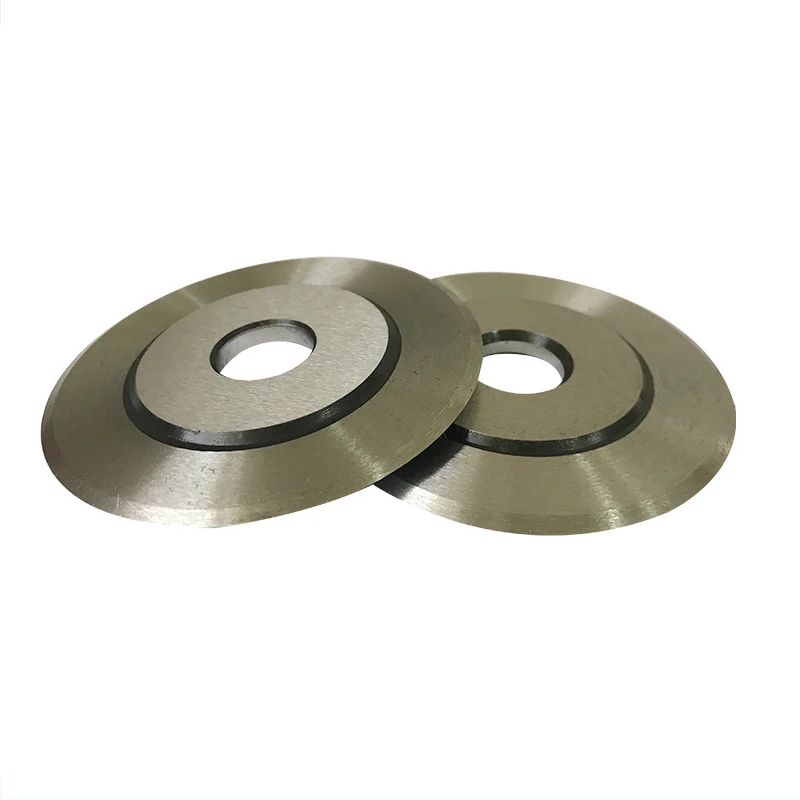 Tube Slitting Cutter KnifeCutting blades for steel pipes have the characteristics of high wear resistance, high hardness and strength, efficient cutting and high precision, thermal stability, etc., which have shown significant advantages in efficient operations in fields such as construction engineering, machinery manufacturing, energy and chemical engineering, and have been widely used.
-
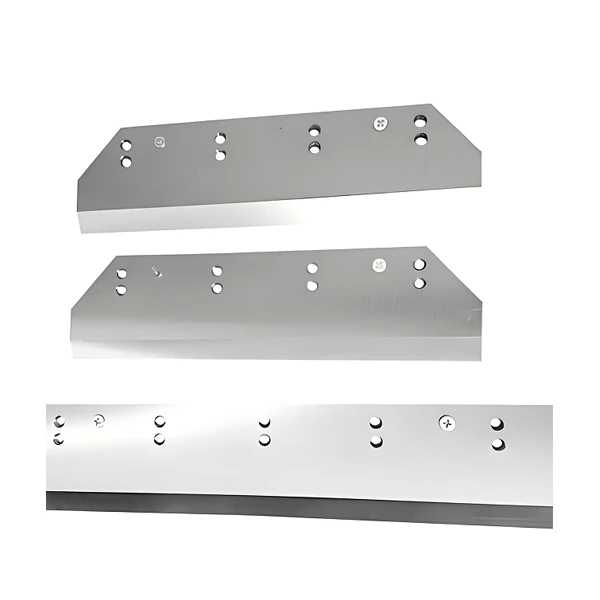 Blades For Paper Pulping IndustryPaper industry pulping blades are widely used in fields such as waste paper recycling, pulp preparation, and industrial pulp pretreatment; Through the collaborative application of pulping and cutting equipment, the paper industry has achieved efficient operation throughout the entire process from waste paper recycling to high-precision finished product processing.
-
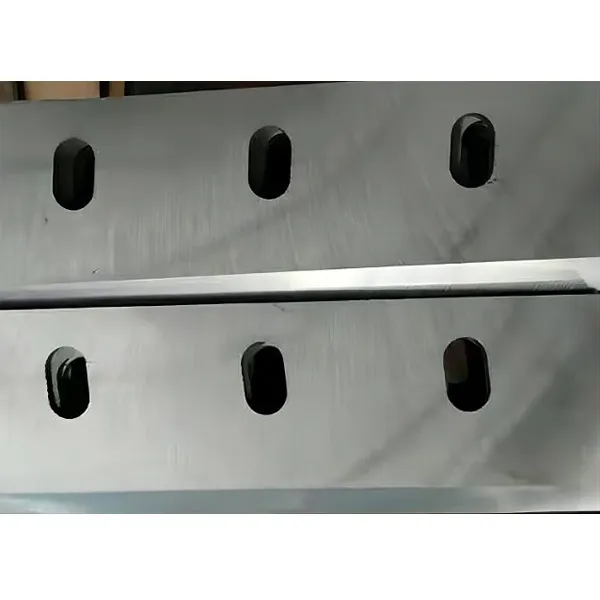 Wood Crusher BladeThe application of wood crusher blades covers multiple fields, including wood processing and recycling, landscaping and agriculture, industrial material preparation and special scenarios. Its core function is to achieve efficient conversion and recycling of wood resources through efficient cutting and crushing.
-
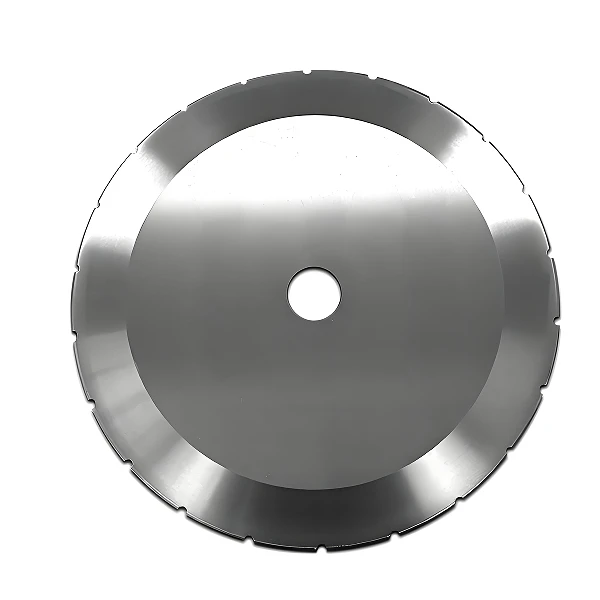 Paper Circular Slitter BladesThrough the combination optimization of shape and material (high speed steel, cemented carbide, etc.), the paper cutter blade can accurately adapt to the diversified cutting needs of printing, packaging and other scenes.
-
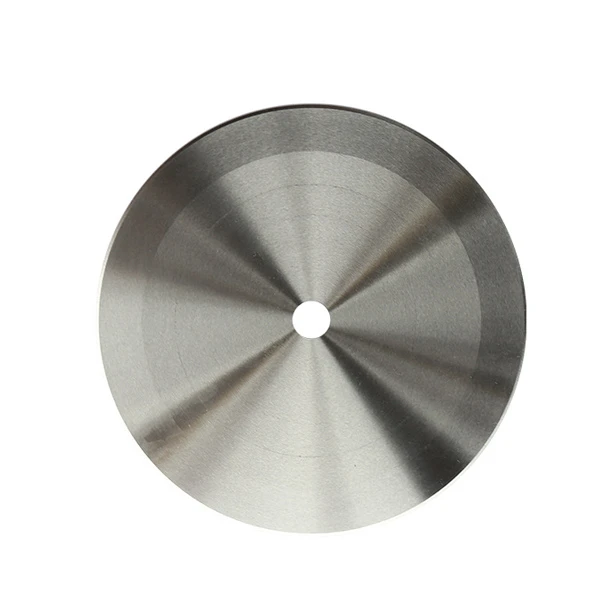 Hss Circular Saw BladesHigh speed steel circular saw blade (HSS circular saw blade) is an efficient tool specifically designed for metal cutting. When used in conjunction with a specialized metal circular saw machine, it can cover diverse processing needs from thin plates to thick materials by adjusting the tooth pitch and line speed. It has become the core tool for cutting, slotting, and other processes in metal processing, especially suitable for efficient production in fields such as automotive, aviation, and machinery manufacturing.
-
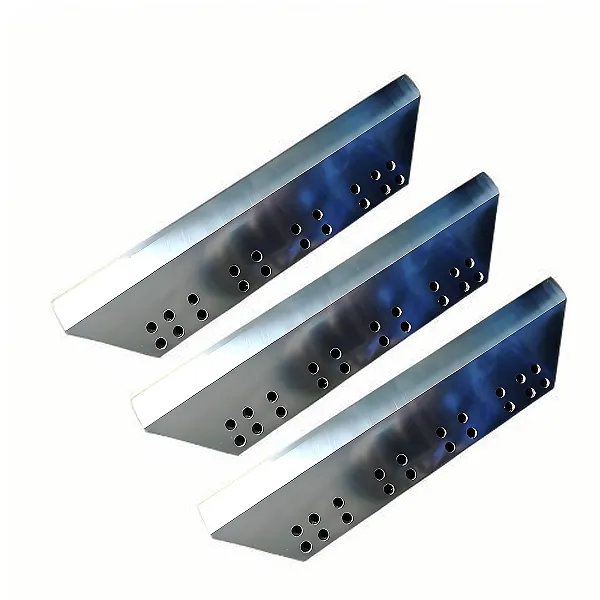 Guillotine Blades For Paper IndustryPaper slitter blades are widely used in basic paper slitting scenes, industrial paper processing and other fields, and can be applied to printing industry, packaging industry and label manufacturing industries. Through material optimization and process innovation, it covers the whole scene slitting needs from basic office paper to high-end industrial paper products.
-
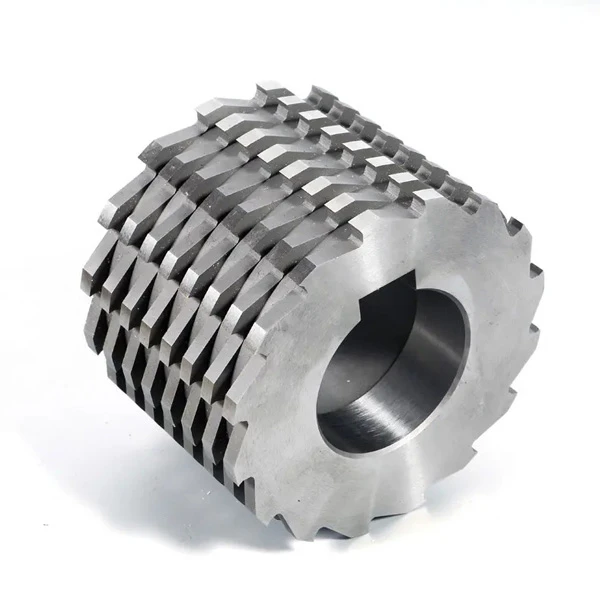 Scrap Steel Crusher BladeThe blade of the scrap steel crusher has the characteristics of high-strength material and wear resistance, clever structural design, corrosion resistance and thermal stability. Through advanced technologies such as high-strength crushing and material sorting, it has become the core tool for achieving a "crushing sorting regeneration" closed-loop in the metal recycling industry chain. It can process various forms of scrap steel such as automotive scrap, steel bar waste, and industrial metal waste.
-
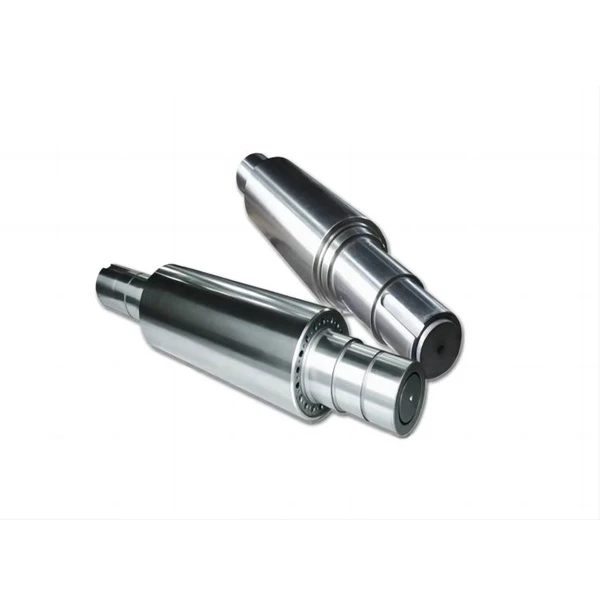 Precision Steel RollersThe precision rolling mill adjusts the gap between the rolling rolls to eliminate defects such as wave and bending in the strip, ensuring the flatness of the plate and achieving shape control and straightening of the steel strip. The precision rolling mill, through high-precision structural design and advanced surface treatment technology, has become the core component for improving strip quality and production efficiency in the straightening process.
Get Binsheng Blade Tech Tips
ISO 9001 insights: industry trends & blade guides


