THE BUYER'S GUIDE / SELECTION
How to Choose the Right Plastic Shredder Blades Manufacturer: Application Fit and Specification Checks
Selecting the right plastic shredder blade depends on matching blade shape, material compatibility, and equipment type to your specific application. This guide from Changzhou Binsheng Metallurgical Machinery Co., Ltd. walks procurement teams through the core selection criteria—blade geometry, target plastic type, and operating scenario—so buyers can make informed sourcing decisions when evaluating a plastic shredder blades manufacturer.

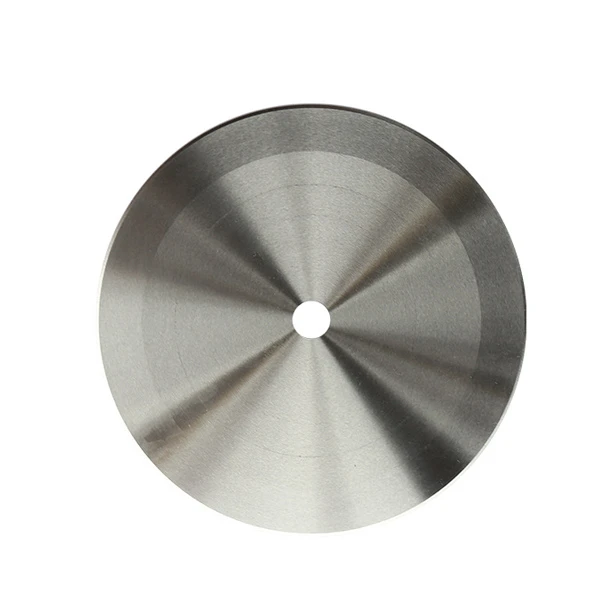
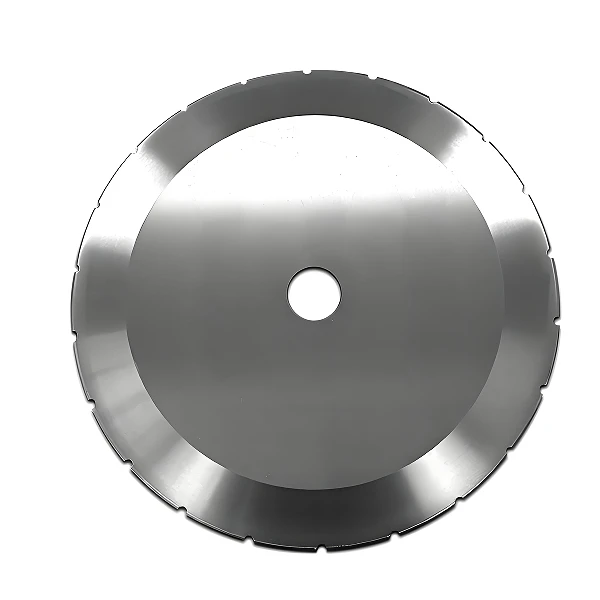
Blade geometry and shape (flat, serrated, hook, bending/claw, blade-type) matched to the predominant waste plastic form and crushing mechanism required.
Target plastic material type and hardness (general plastics such as PE/PP/PVC, tough film, rigid automotive/appliance casings, industrial containers, agricultural film) determining appropriate edge treatment and steel grade.
Equipment compatibility: confirmation of axis type (single-axis or double-axis crusher), shaft diameter, rotor dimensions, blade bore, and thickness tolerances against the machine’s technical drawing.
Application sector and output requirements: recycling, agricultural, industrial waste, building materials, household waste sorting—each imposing different particle-size and surface-cleanliness targets that must be stated at the inquiry stage.
Stage of the recycling line: primary shredding (coarse size reduction) versus secondary granulation (controlled particle diameter) require different blade families and must not be conflated in a single specification.
Why Blade Selection Matters When Sourcing from a Plastic Shredder Blades Manufacturer
For procurement teams and recycling plant operators, choosing the wrong shredder blade leads to premature wear, inconsistent particle output, and unplanned downtime. Working with a capable plastic shredder blades manufacturer means more than ordering a part—it means aligning blade geometry, steel selection, and processing scenario before a purchase order is raised.
Changzhou Binsheng Metallurgical Machinery Co., Ltd. produces plastic shredder blades engineered for a range of recycling and industrial waste applications. The sections below outline the key criteria buyers should verify before specifying a blade.
Core Selection Criteria
1. Blade Shape and Geometry
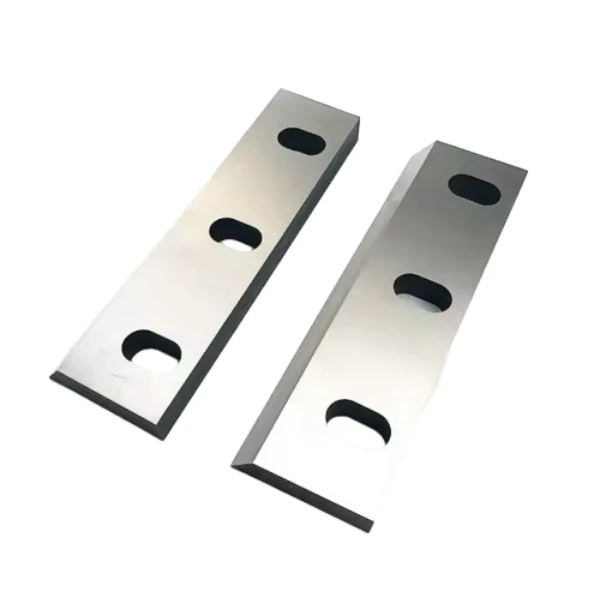
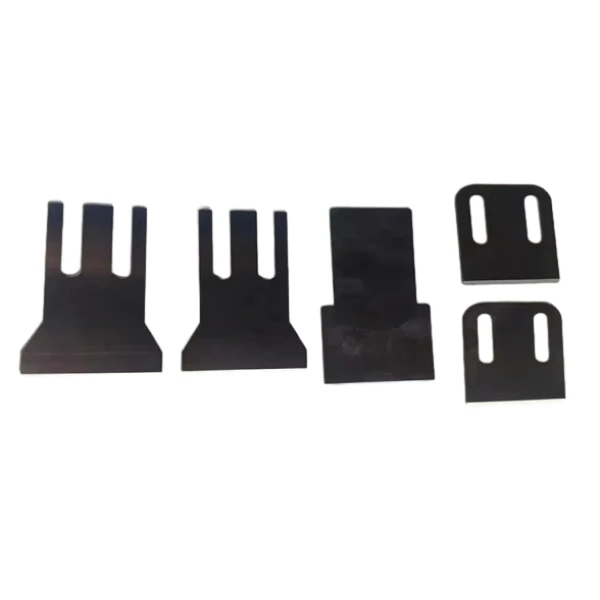
Blade shape is the most direct driver of crushing performance. The confirmed product data from Changzhou Binsheng Metallurgical Machinery Co., Ltd. identifies five principal geometry types for plastic crusher applications:
| Blade Type | Structural Feature | Best-Fit Application |
|---|---|---|
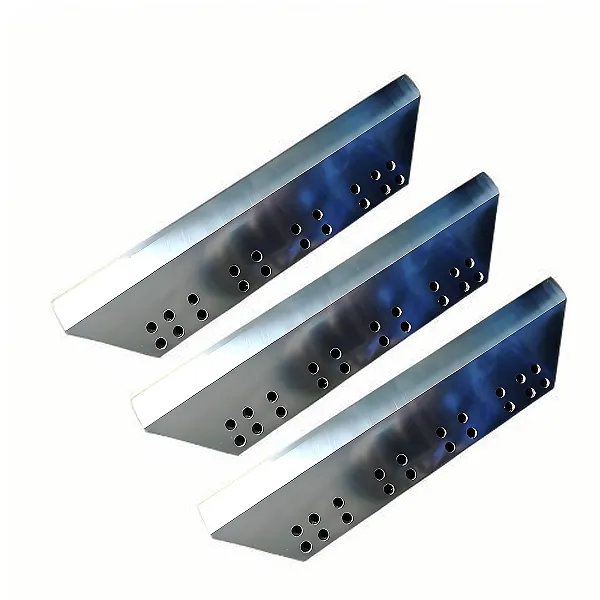
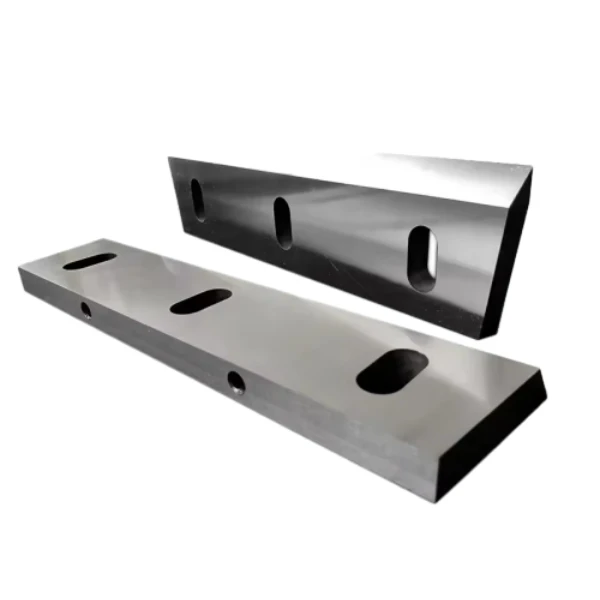
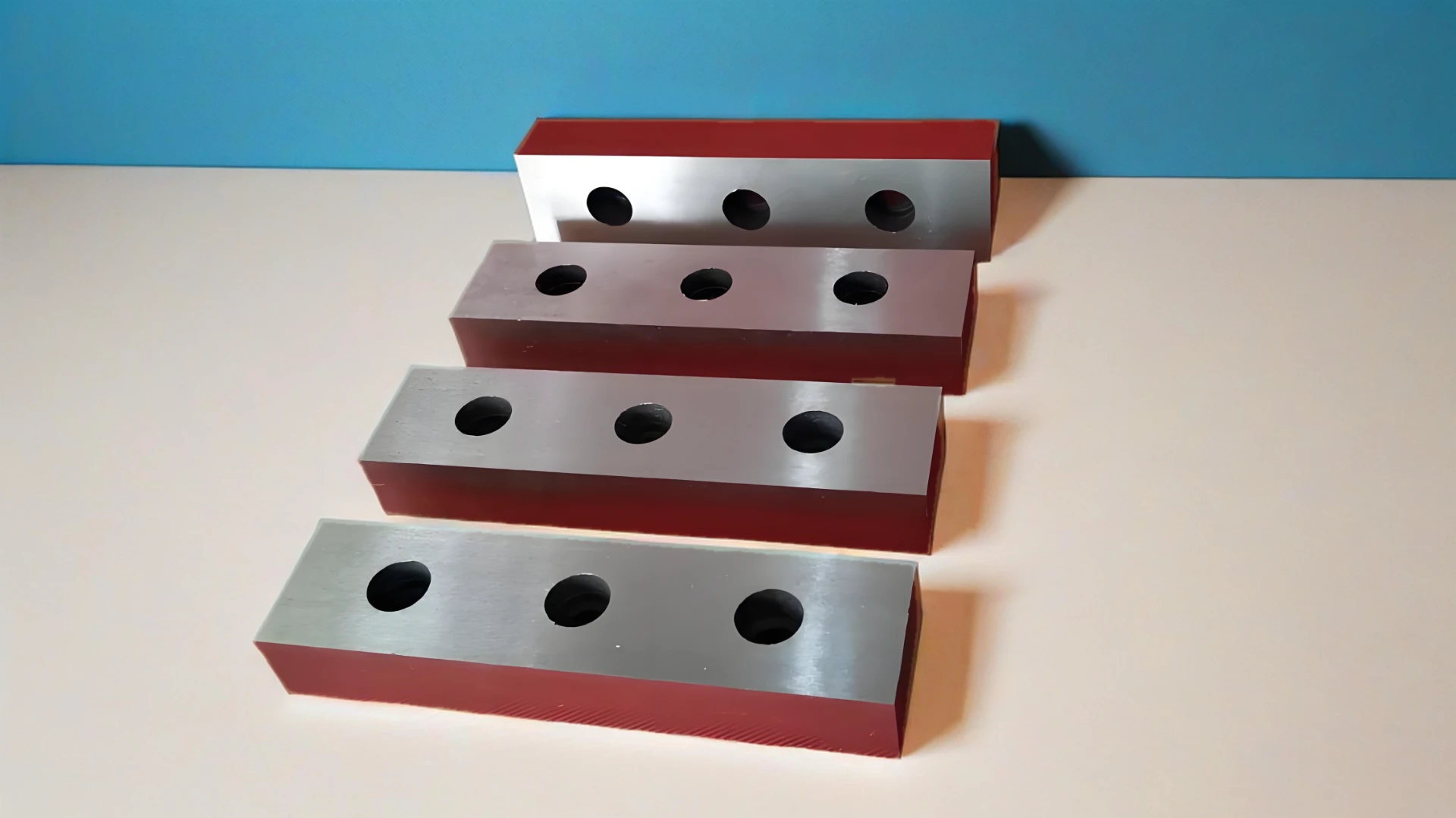
| Flat blade | Rectangular/square, smooth cutting surface | Thin-walled hollow products: plastic bottles, woven bags, plastic buckets, regular hard plastic blocks |
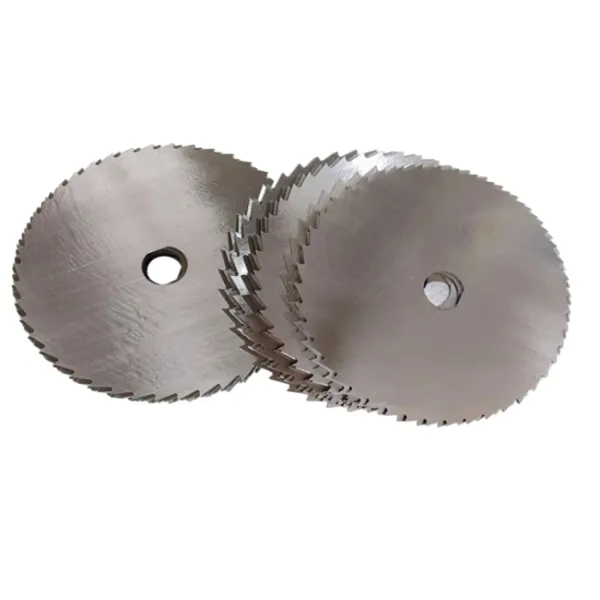
| Serrated blade | Toothed edge (triangular or trapezoidal); adjustable tooth spacing | Tough or fiber-based plastics: plastic film, woven bags; slippery or high-elasticity materials |
| Hook blade | Curved hook profile | Irregular plastic waste: irregular plastic parts, pipes; prevents material rotation in the crushing chamber |
| Bending/claw blade | Bent body forming a specific cutting angle | Hard plastics (sticks, shoe lasts) and tough materials; increases shear force and penetration |
| Blade-type blade | Thin profile, reduced overall thickness | Precision or fine-cut scenarios requiring a thinner kerf |
Buyer action: Define the predominant waste form first (film, rigid container, pipe, irregular part) and match it to the geometry column above before requesting a quotation.
2. Target Plastic Material
Different polymer types impose different demands on the cutting edge. The confirmed product description covers the following material families:
- Polyethylene (PE), Polypropylene (PP), Polyvinyl Chloride (PVC): General plastics suitable for continuous processing with standard flat or serrated blades.
- Automotive parts and home appliance casings: Larger, harder components that require blades capable of breaking down bulky rigid structures.
- Agricultural plastic film: Serrated blades handle the tendency of film to slip or wrap around a straight cutting edge.
- Industrial packaging and plastic drums: Large-volume containers benefit from hook or serrated blades that grip the material and pull it into the cutting zone.
- Plastic pallets, rubber heads, plastic bottles: General industrial waste that maps to flat or hook blades depending on wall thickness.
Buyers handling mixed feedstock should specify the toughest or most abrasive material type to the manufacturer, as blade steel grade and edge treatment should be selected for the worst-case material in the batch.
3. Equipment Compatibility: Single-Axis vs. Double-Axis Crushers
Plastic shredder blades must be dimensionally compatible with the shredder shaft, rotor diameter, and mounting interface. The confirmed product data notes that plastic crusher blades are adapted to single-axis and double-axis crushers. Buyers should supply:
- Shaft diameter and keyway dimensions
- Rotor or disc outer diameter
- Number of blade positions per disc
- Blade thickness and bore tolerance required by the OEM
Mismatched blade dimensions create play in the cutting stack, accelerate wear, and can cause early fracture. Confirm these parameters against the machine’s technical drawing before finalising a blade order.
4. Application Sector and Output Requirements
The intended downstream use of the shredded plastic affects acceptable particle size and surface cleanliness. Confirmed application sectors include:
- Plastic recycling industry: Volume reduction and preparation for cleaning, screening, and reprocessing.
- Agricultural environmental protection: Crushing waste farmland film to prevent soil contamination and facilitate collection.
- Industrial waste resource utilisation: Processing pallets, rubber heads, and chemical-sector plastic waste into reprocessable raw material.
- Building materials and packaging: Producing crushed plastic particles for plastic sheets and packaging materials.
- Household waste sorting: Assisting sorting facilities with pre-crushing to improve sorting efficiency.
If your process requires a controlled output particle size or low dust generation, discuss these targets with the manufacturer at the inquiry stage—blade geometry and operating speed both affect the result.
5. Shredder Blades vs. Granulator Blades: Knowing Which Stage You Are Specifying
Some plastic recycling lines combine a shredding stage with a downstream granulation stage. These are distinct operations requiring different blades:
- Plastic shredder blades (primary size reduction): Hook, flat, serrated, or claw geometries designed for coarse breaking of bulk and irregular waste.
- Plastic granulator blades (secondary precision cutting): Hob-shaped, flat-knife, or combination blade designs targeting controlled particle diameter (e.g., 3–5 mm for film granulation).
Changzhou Binsheng Metallurgical Machinery Co., Ltd. supplies both product families. Buyers specifying a complete recycling line should confirm the handoff particle size between the shredder stage and the granulator stage to ensure blade selection on both sides is aligned.
Application Fit Summary
| Procurement Scenario | Recommended Blade Direction |
|---|---|
| Crushing rigid automotive/appliance plastic | Flat blade or bending/claw blade for hard stock |
| Processing flexible film (PE/PP/agricultural) | Serrated blade for grip on slippery surfaces |
| Handling irregular or bulky containers/pipes | Hook blade for positive material engagement |
| Mixed industrial waste (pallets, bottles, drums) | Consult manufacturer with material list and machine specs |
| Downstream granulation stage | Granulator-specific blade (separate product family) |
What to Confirm Before Placing an Order
Buyers evaluating any plastic shredder blades manufacturer should verify the following points against supplier documentation:
- Blade geometry matches the primary waste plastic form in your process.
- Dimensional specifications (bore, thickness, outer diameter) are confirmed against the machine drawing.
- Material compatibility — confirm that the blade grade and edge treatment suit the hardest or most abrasive material in your feedstock.
- Equipment axis type (single-axis or double-axis) is explicitly matched to the blade design.
- Application sector requirements — downstream particle quality, dust control, or food/medical-grade cleanliness must be stated at inquiry.
Prices, lead times, and certifications are not covered in this guide; confirm these directly with Changzhou Binsheng Metallurgical Machinery Co., Ltd. during the quotation process.
About Changzhou Binsheng Metallurgical Machinery Co., Ltd.
Changzhou Binsheng Metallurgical Machinery Co., Ltd. manufactures industrial cutting blades and precision metal components, supplying customers in Europe, North America, Southeast Asia, and the Middle East. The company’s plastic shredder blade range covers the full geometry spectrum described in this guide, and its engineering team is available for technical consultation on blade selection and operating parameter optimisation.
THE PEOPLE

About the author
THE COMPANY
Changzhou Binsheng Metallurgical Machinery Co., Ltd.
Changzhou Binsheng Metallurgical Machinery Co., Ltd. stands as a premier manufacturer of industrial cutting blades and precision metal components, strategically positioned in Jiangsu Province's advanced manufacturing cluster within China's Yangtze River Delta economic zone. With two decades of continuous innovation and technical refinement, we have evolved into a technologically sophisticated enterprise recognized for our metallurgical expertise and manufacturing excellence.…
About Us ↗Visit company website ↗YOUR NEXT STEP
Bring your brief. Start a useful conversation.
Use case, specification, quantity and delivery window: make the next conversation specific.