Why carbide oscillating tool blades are industrial game-changers
Having spent over a decade in the industrial equipment sector, I've seen my fair share of blades—everything from old-school steel types to those newer composite materials. But oddly enough, carbide oscillating tool blades continue to impress me. They’re not just another cutting accessory; they’re a real testament to engineering evolution.
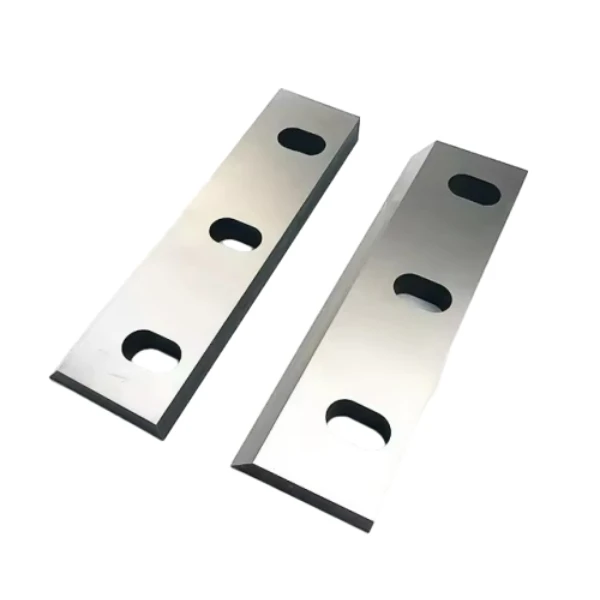
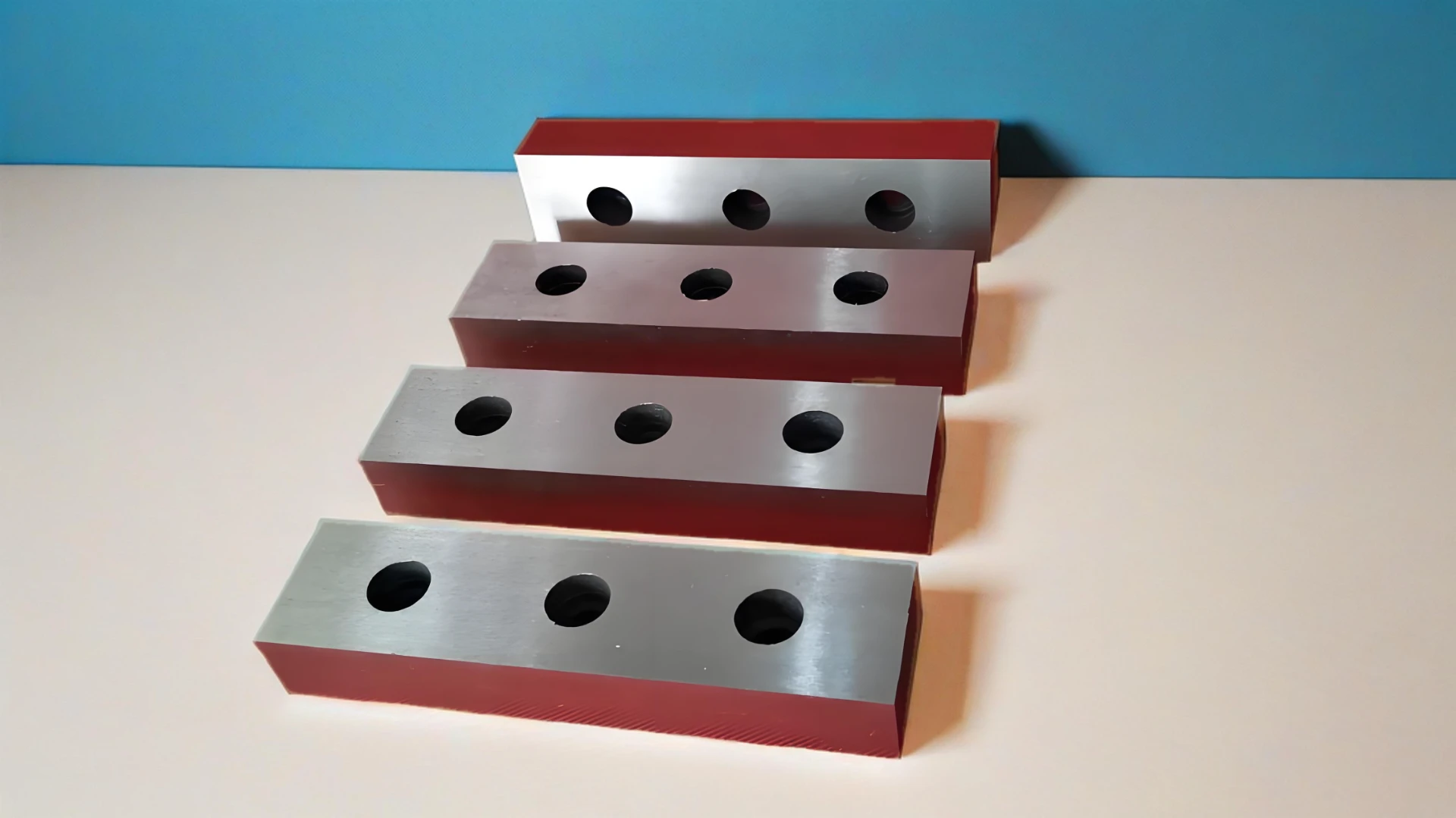
At first glance, these blades might look like your typical oscillating tool attachments. But once you get past the surface, you realize how much thought goes into their design and material selection. Carbide is a hard, wear-resistant carbide composite that turns these blades into cutting ninjas for everything from metal and tile to dense composite materials.
In real terms, the durability difference is massive. I recall a project where a startup facility needed to cut through thick metal piping repeatedly. The usual bi-metal blades just wouldn’t last a day. Switching to carbide oscillating blades extended their tool uptime dramatically—less stopping, more doing. They even reported cleaner cuts with less heat buildup, which frankly surprised the maintenance team.
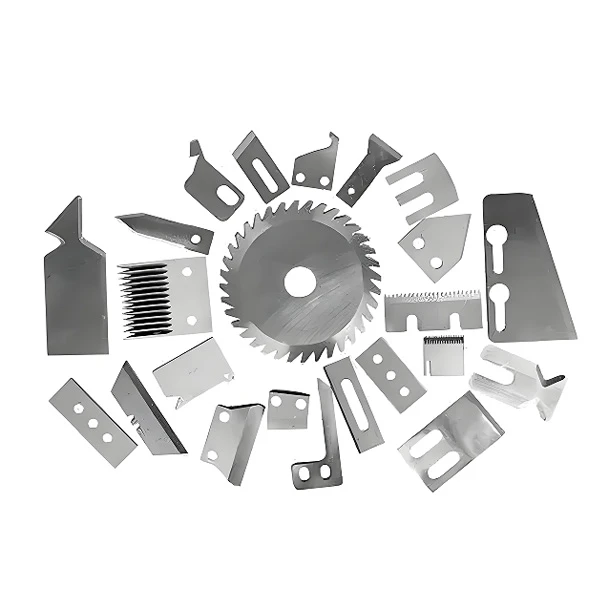
Of course, carbide tips don’t come cheap, but the return on investment is obvious if you factor in blade longevity and the quality of cuts. Many engineers I’ve worked alongside swear by them for heavy-duty tasks. Plus, the ability to customize blade shapes and tooth patterns means they can be tailored for very specific industrial needs. It feels like they were designed with both versatility and longevity on the checklist.
| Specification | Details |
|---|---|
| Blade Material | High-grade tungsten carbide tips on steel body |
| Compatibility | Universal oscillating tool mounts (Starlock, OIS, etc.) |
| Blade Life Expectancy | Up to 5x longer than bi-metal blades under heavy use |
| Typical Cut Materials | Metal, tile, hardwood, composites, fiberglass |
| Cutting Teeth Design | Precision-ground, micro-toothed carbide edges |
Now, if you're in the market and trying to pick a vendor, it’s not just about specs — customer support and real-world reliability count for a lot. I put together a quick comparison of some leading suppliers based on typical offerings, availability, and price points:
| Vendor | Price Range (per blade) | Material Quality | Customer Ratings | Availability |
|---|---|---|---|---|
| MechBlades | $$$ | Premium tungsten carbide | 4.8/5 | In stock - fast shipping |
| X-Tool | $$ | Standard carbide mix | 4.2/5 | Limited stock |
| ProCut Supplies | $$$$ | Ultra-premium carbide and coating | 4.9/5 | Custom order only |
A quick anecdote: A colleague once relayed how switching to carbide oscillating blades not only cut their maintenance schedule down but also gave their operators more confidence in tight, precise cuts. Sometimes, when things run smoother, your whole day shifts tone for the better — an intangible benefit but crucial in busy shop floors.
To wrap this up, I’d say if you’re regularly tackling tough materials or need a blade that won’t quit on you mid-project, investing in carbide oscillating tool blades is a move worth considering. Reliability, longevity, and cutting precision have changed how many of us approach certain jobs.
- Reflecting on years in the field, these blades sit firmly in my toolbox essentials.
- Industry reports on tooling durability, 2023
- First-hand project accounts from industrial maintenance teams
- Vendor and product reviews across major platforms, 2024