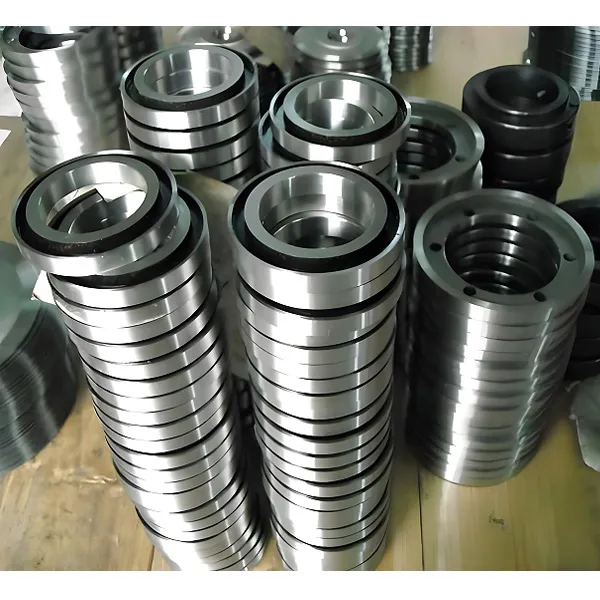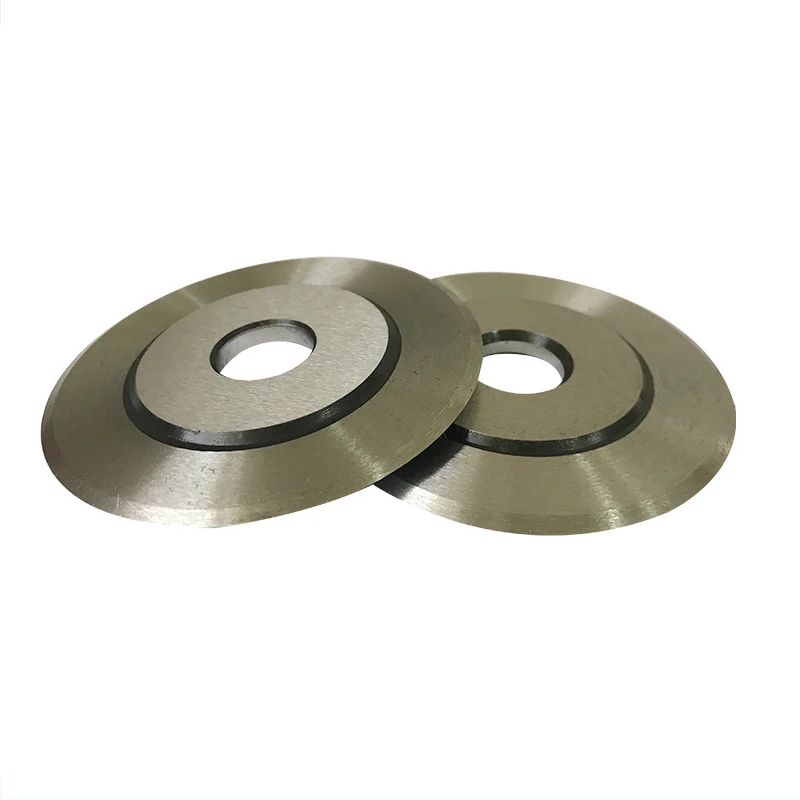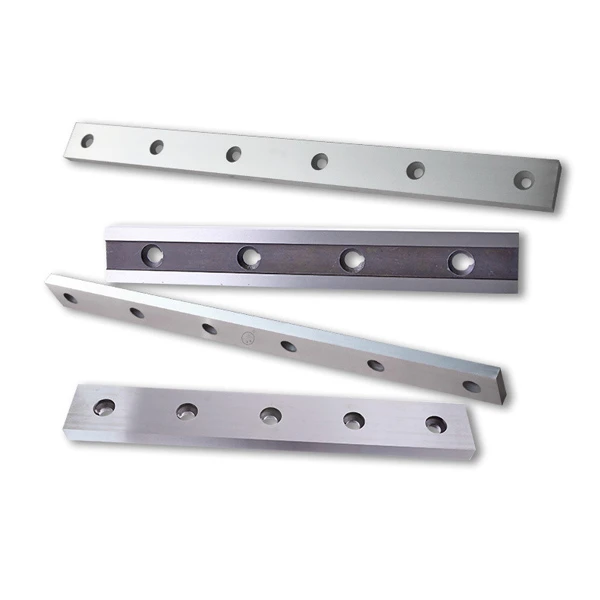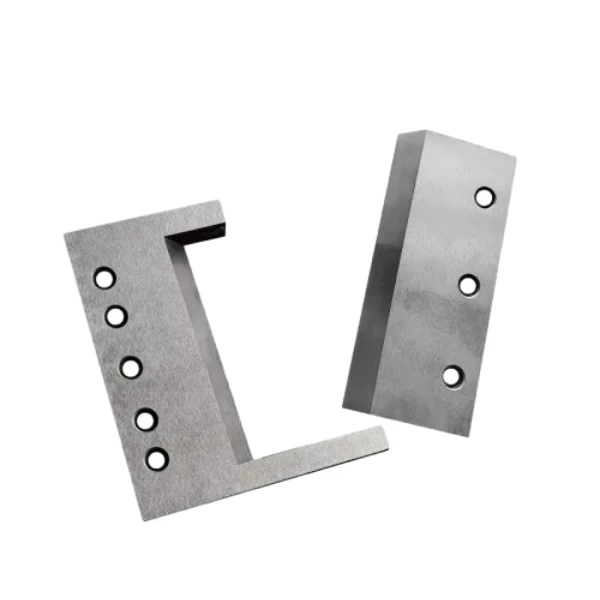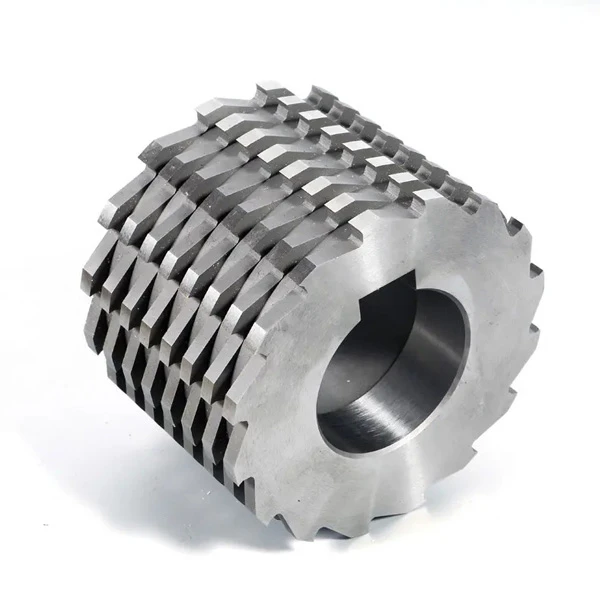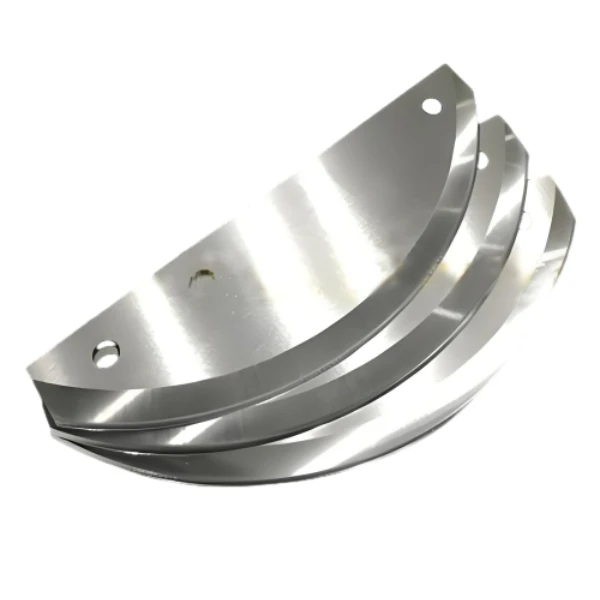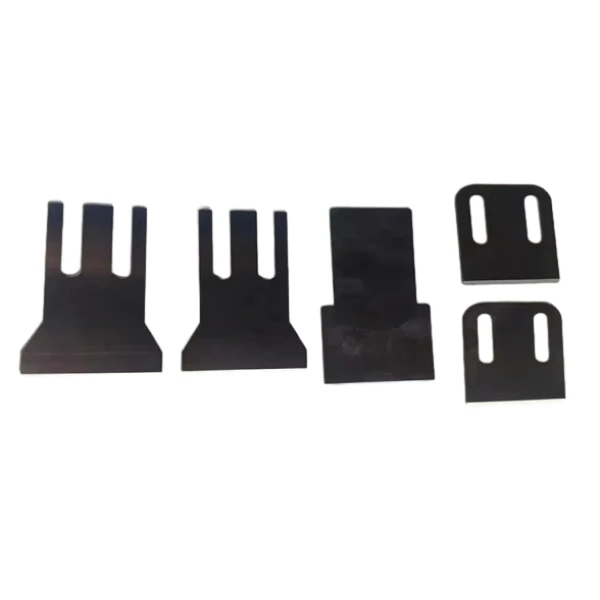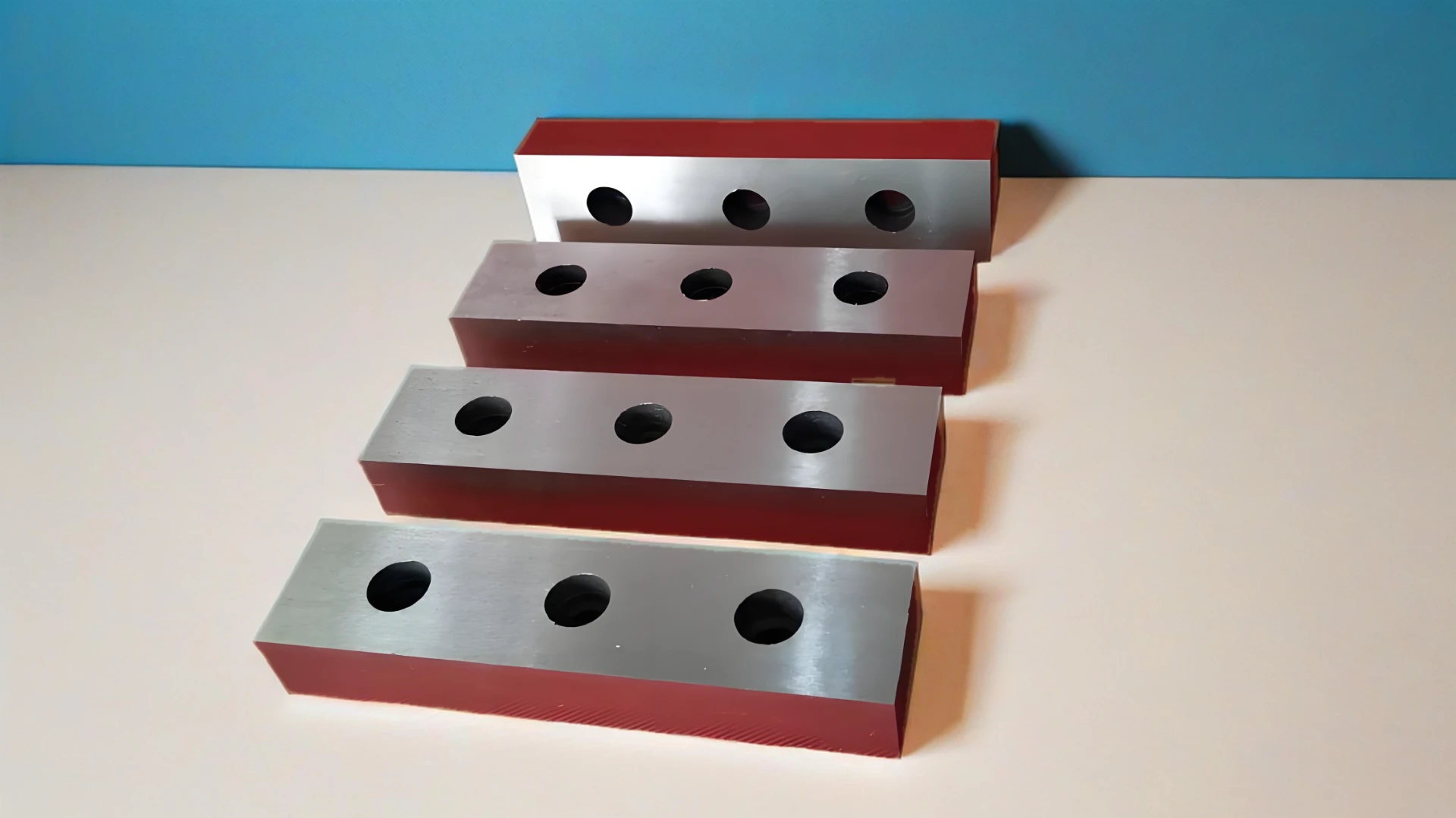
The right paper shredder blade depends on the paper mix, required particle size, operating intensity, and shredder configuration. Our range includes 9CrSi, Cr12MoV, tungsten carbide, and stainless steel options, with blade gaps from 0.1 to 2.0 mm, speeds from 1,500 to 3,000 RPM, and output from 0.08 to 1 ton per hour.

Paper composition and toughness, including office paper, cardboard, laminated paper, foil composites, and high-cleanliness paper streams
Blade material, gap, tooth arrangement, rotational speed, target particle size, and required output
Paper shredder blade selection starts with the material entering your machine. Office paper, cardboard, coated stock, laminated paper, foil composites, and clean high-purity paper streams place different demands on blade hardness, impact resistance, wear resistance, and corrosion resistance. We match the blade material and geometry to the process instead of treating every paper stream as equivalent.
Match blade material to the paper stream
9CrSi tool steel suits ordinary office paper and lower-toughness waste paper. Its high hardness and brittleness make it a practical choice for small and medium-sized shredders handling conventional paper waste.
Cr12MoV or SKD-11 cold-work die steel fits cardboard, laminated paper, and other higher-toughness materials. It combines wear resistance with impact resistance for industrial crushing conditions where the feed is more demanding than office paper.
Tungsten carbide is intended for special materials such as metal-foil composite paper and insulation paper. With hardness of HRA 89 or above, it suits continuous, high-intensity work where abrasive wear is a primary purchasing concern.
Stainless steel fits high-cleanliness applications such as food-packaging paper and medical sterile paper, particularly where corrosion resistance matters. Its lower hardness and wear resistance mean the operating plan should account for more frequent replacement than a wear-focused alloy selection.
Check the blade gap and target particle size
The blade gap should follow the product you need after shredding. Our available gap range is 0.1 to 2.0 mm and can be customized. A waste paper shredder using a multi-blade combination design can crush pulp board into particles from 1 to 5 mm for regenerated papermaking raw material. A cylindrical cutter set with toothed blades can produce 1 × 5 mm particles for confidential document destruction.
These figures belong to different cutting arrangements, so do not select a replacement by gap alone. Send us the existing cutter arrangement, shaft or ring dimensions, and the particle size your downstream process accepts. That lets us check the blade against the complete cutting assembly.
Match the blade to speed and throughput
The operating range is 1,500 to 3,000 RPM, while single-machine output ranges from 0.08 to 1 ton per hour. A cutter ring pulverizer running high-speed rotating blades suits waste paper recovery and recycling. A hammer mill with alloy steel hammers fits tough paper such as coated paper and straw paper. A multi-blade shredder is appropriate when pulp board must be reduced to a controlled particle size.
Begin with the material flow and hourly output, then move to rotational speed and blade construction. A machine processing a mixed waste stream may also require a jaw-crusher pretreatment stage when the feed contains impurities such as metal and stone. The blade order should reflect the actual position of the cutting unit in the line.
Consider separation and fiber recovery
Tooth geometry matters when the process includes composite paper. A staggered bite design reduces fiber damage when treating multilayer composite paper, helping preserve recycled-paper strength. Sawtooth blades can process cartons containing plastic film, with paper-to-plastic separation purity above 90% in this application.
For a recycling line, picture cartons and newspapers entering the recovery stage, the cutter producing fiber flocs or particles, and the material moving into pulp or recycled-paper production. For a confidential document line, picture a cylindrical cutter set producing 1 × 5 mm particles. The correct blade is the one whose material, gap, and tooth arrangement match that route.
Build the purchase specification around the machine
A usable request for quotation should identify the incoming paper type, target particle size, required output per hour, operating speed, and existing blade or cutter arrangement. Add the expected presence of laminated layers, metal foil, plastic film, or other impurities.
We can then review whether 9CrSi, Cr12MoV/SKD-11, tungsten carbide, or stainless steel is appropriate for the application. If the line needs a customized gap, include the desired range instead of asking for a general-purpose paper shredder blade. For replacement orders, provide drawings or worn-part measurements so the new blade can be checked against the machine interface.
Questions buyers still ask
Which paper shredder blade material suits cardboard?
Cr12MoV or SKD-11 suits cardboard and laminated paper because it combines impact resistance with wear resistance. This makes it a better choice for higher-toughness feed than 9CrSi, which fits ordinary office paper and lower-toughness waste paper. Include the cardboard structure and whether laminated layers are present when requesting a blade configuration.
What blade option fits metal-foil composite paper?
Tungsten carbide suits metal-foil composite paper and insulation paper. Its hardness is HRA 89 or above, supporting continuous high-intensity operation where strong wear resistance is needed. Tell us the composite structure and expected operating intensity so we can match the carbide blade to the cutting arrangement instead of treating it as a universal replacement.
What particle size can a paper shredder blade produce?
The cutting arrangement determines the result. A multi-blade combination design produces 1 to 5 mm pulp-board particles, while a toothed cylindrical cutter set produces 1 × 5 mm particles for confidential document destruction. State the downstream screen or process requirement before selecting the gap.
Send the details that control the fit
Choose 9CrSi for ordinary office paper, Cr12MoV or SKD-11 for cardboard and laminated paper, tungsten carbide for foil composites, and stainless steel for clean paper streams where corrosion resistance matters. Send us the paper composition, target particle size, output, speed, cutter drawing, and quantity so we can prepare a matching paper shredder blade proposal.

About the author
The company
Changzhou Binsheng Metallurgical Machinery Co., Ltd.
Changzhou Binsheng Metallurgical Machinery Co., Ltd. stands as a premier manufacturer of industrial cutting blades and precision metal components, strategically positioned in Jiangsu Province's advanced manufacturing cluster within China's Yangtze River Delta economic zone. With two decades of continuous innovation and technical refinement, we have evolved into a technologically sophisticated enterprise recognized for our metallurgical expertise and manufacturing excellence.…
About Us ↗Visit company website ↗