Understanding Carbide Grader Blades: Essential Tools for Modern Earthmoving
Carbide grader blades—oddly enough—might not be something most people think about daily, yet they play a critical role in construction, infrastructure, and road maintenance worldwide. These specialized steel blades, tipped with tungsten carbide, offer unmatched durability and cutting power that make tasks like grading, leveling, or trenching effective, quicker, and more efficient. Grasping what carbide grader blades bring to the table unlocks benefits for industries from civil engineering to mining and even humanitarian projects in challenging environments.
Carbide Grader Blades in a Global Context
On a global scale, infrastructure development is booming. According to the World Bank, over 60% of global freight and passenger traffic happens on roads, but maintaining this network entails massive wear and tear on equipment. Grader blades forged from carbide significantly extend equipment lifespan and reduce downtime. For instance, nations investing in rural road access—critical to poverty alleviation per UN Sustainable Development Goal 9—depend on reliable grader blades to keep routes functional in remote or disaster-affected areas.
Yet, challenges persist: cost pressures, environmental concerns, and scalability of equipment maintenance often slow progress. Carbide grader blades address these by balancing performance, durability, and cost-efficiency. More on that soon...
What Are Carbide Grader Blades?
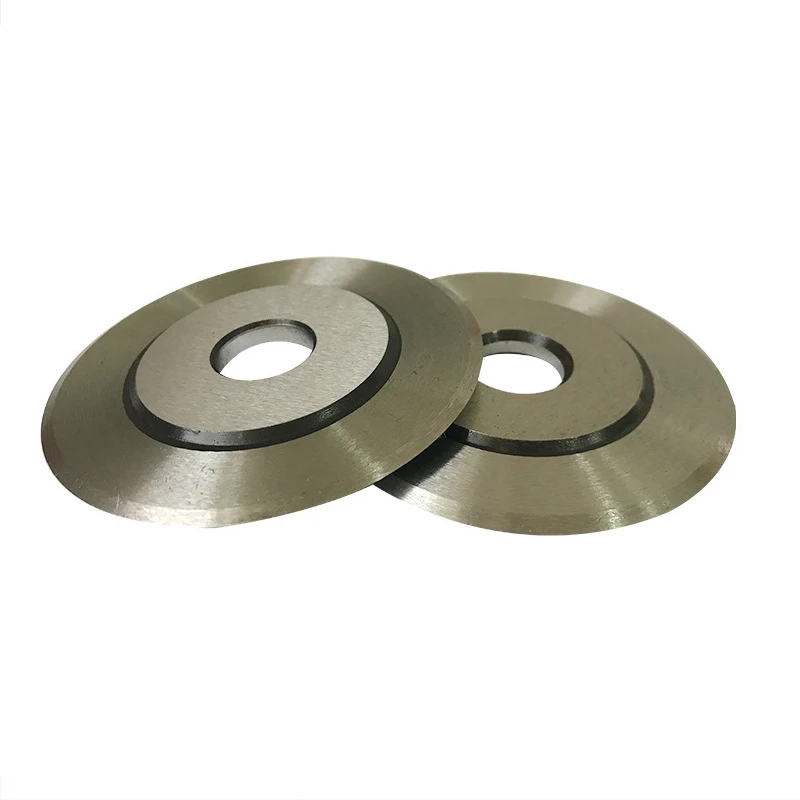
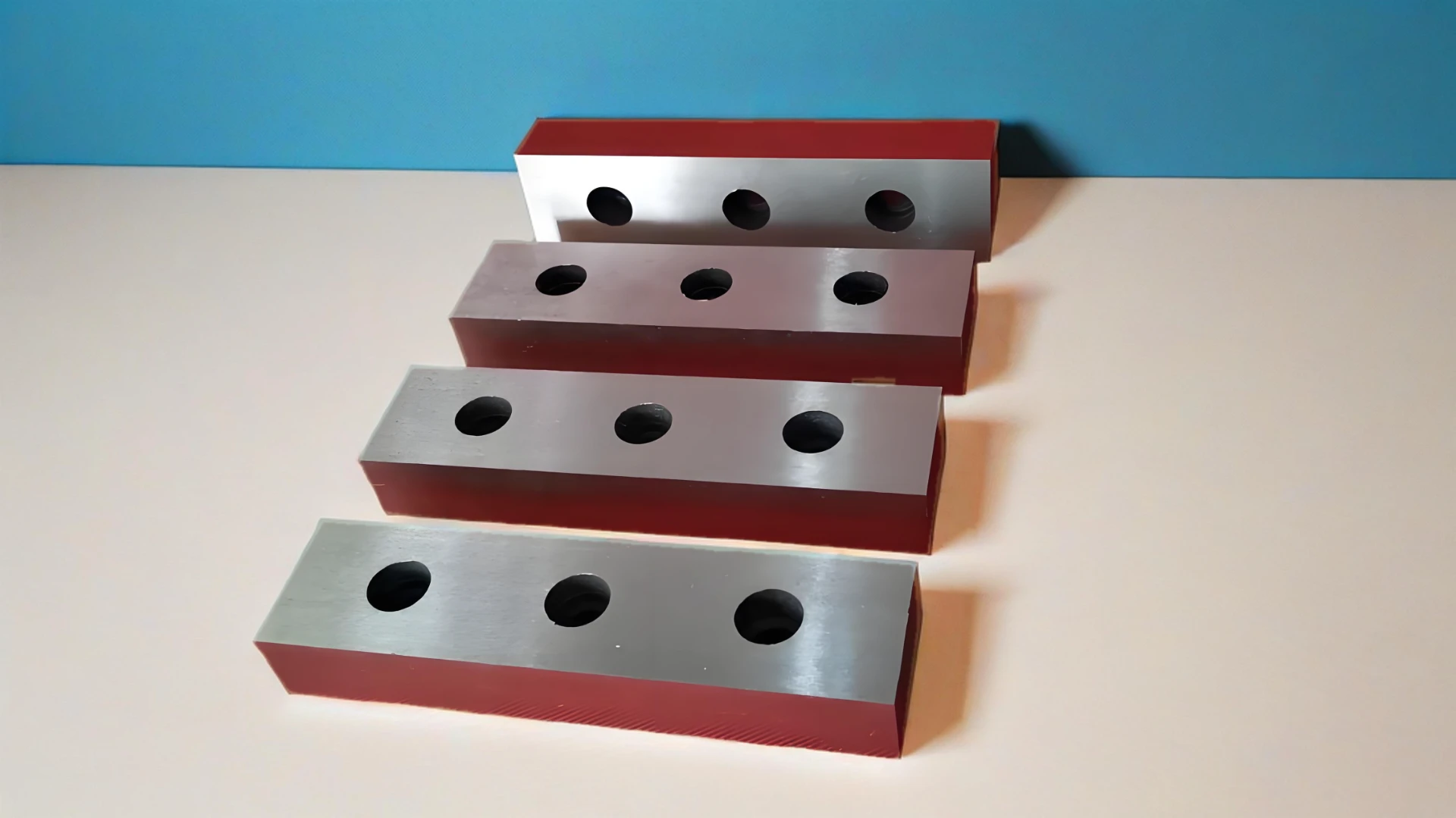
Simply put, carbide grader blades are flat steel cutting edges attached to graders, heavy machinery used chiefly for fine grading of dirt or gravel surfaces. Their signature trait is the integration of tungsten carbide—a hard, wear-resistant metal—welded or embedded along the edge. This addition means the blade slices through tough terrain, rocks, and even frozen ground without quickly dulling or breaking.
In the construction and mining industries, where precision and reliability meet challenging conditions, these blades ensure machines work longer and safer. Plus, during humanitarian efforts—think emergency road repairs after floods—carbide blades enable rapid, durable fixes, keeping aid flowing and communities connected.
Key Features of Carbide Grader Blades
1. Durability
Carbide’s extreme hardness makes these blades stand out. They're resistant to abrasion and impact, meaning less frequent replacements—and frankly, less downtime—which improves overall job efficiency.
2. Cost Efficiency
Although initial costs for carbide blades are higher than standard steel blades, their extended service life often results in lower total operating costs. Fewer blade swaps translate to labor savings and reduced equipment wear.
3. Versatility
Whether grading a highway, flattening a mining haul road, or repairing a rural trail, carbide grader blades adapt to varied materials and environments, including harsh or rocky soils.
4. Enhanced Cutting Performance
The carbide edge provides sharper, cleaner cuts through tough substrates, improving the precision of grading work and overall surface finish.
5. Environmental Impact
Long-lasting blades mean less waste and fewer resources consumed making replacements. Additionally, smoother grading reduces soil disturbance, supporting sustainable land management.
Mini Takeaway: Carbide grader blades combine cutting-edge (pun intended) material science with practical durability, offering economic and environmental wins in earthmoving tasks.
Specifications of Popular Carbide Grader Blades
| Specification | Standard Blade | Carbide Tipped Blade |
|---|---|---|
| Material | High-strength steel | Steel with tungsten carbide edge |
| Hardness (Mohs scale) | ~7 | ~8.5-9 |
| Blade Life (average hours) | 150-300 | 750-1200 |
| Weight | 70-90 kg | 75-95 kg |
| Typical Cost | $400-$700 | $900-$1500 |
Vendor Comparison: Leading Manufacturers of Carbide Grader Blades
| Vendor | Material Quality | Customization Options | Lead Time | Global Reach |
|---|---|---|---|---|
| MechBlades Inc. | Premium tungsten carbide alloys | High (sizes, carbide patterns) | 2-4 weeks | Worldwide (carbide grader blades) |
| HardEdge Solutions | Standard grade carbide | Medium | 3-5 weeks | North America, Europe |
| TungSmart | Advanced composite carbide | Low | 4-6 weeks | Asia-Pacific focus |
Real-World Applications and Use Cases
- Road construction and maintenance: Carbide blades excel in grading highways, rural roads, and airport runways, especially where abrasive rock materials are common.
- Mining and quarry operations: Heavy equipment outfitted with carbide grader blades handle rough terrain, accelerating site prep and reducing tool changeovers.
- Post-disaster relief efforts: After floods or earthquakes, rapid road clearing with durable blades restores access for emergency teams swiftly.
- Remote infrastructure projects: In areas like the Australian Outback or Canada’s northern territories, the long blade life cuts down costly logistics for replacements.
Mini Takeaway: From urban infrastructure to far-flung territories, carbide grader blades support key industries by improving operational resilience and efficiency.
Benefits and Long-Term Value of Carbide Grader Blades
Obviously, the upfront investment in carbide grader blades can feel steep, but over time, the advantages become clear. On the financial side, longer blade life and fewer replacements reduce overall maintenance budgets. This dovetails with environmental benefits since fewer waste blades end up in landfill, and construction disruptions due to equipment downtime are minimized.
There’s also a social angle. Reliable grading equipment safeguards workers by preventing machine failure in harsh conditions and enabling safer roads. Plus, it feels like a kind of innovation that quietly boosts trust between contractors and clients — a better blade means well-built roads and satisfied communities.
Emerging Trends in Carbide Grader Blade Technology
- Eco-friendly carbide composites: Researchers are developing new tungsten carbide mixes that reduce mining impact and improve recyclability.
- Smart wear monitoring: Integration of sensors to predict blade wear and automate maintenance scheduling.
- 3D printing and additive manufacturing: Allowing custom shapes and carbide tip patterns optimized for specific soils or climates.
- Automation in grading machinery: As autonomous graders advance, blade materials are evolving to match higher precision and consistent loads.
Challenges & Solutions in Working with Carbide Grader Blades
Despite their advantages, carbide grader blades come with challenges. For instance, the increased brittleness of tungsten carbide can cause chipping if used improperly or on unsuitable surfaces. Also, the cost barrier restricts some smaller operators from upgrading.
Experts recommend training operators on optimal blade usage and selecting the right blade configuration for specific tasks. On the cost front, flexible leasing options or modular carbide tip replacements can help spread investment.
FAQ: Common Questions About Carbide Grader Blades
Q1: How often should carbide grader blades be replaced?
A: Typically, carbide grader blades last 3-5 times longer than standard steel blades, often clocking 750 to 1200 operational hours, depending on the terrain and usage. Regular inspection every 200 hours is advised to catch wear early.
Q2: Can carbide blades be sharpened or refurbished?
A: Yes, carbide edges can be re-ground by specialists, extending blade life, though each refurbish slightly reduces the carbide thickness. Proper maintenance delays replacement costs.
Q3: Are carbide grader blades compatible with all graders?
A: Generally, yes, but compatibility depends on the blade size, mounting system, and machine tonnage. It's best to consult manufacturers or suppliers to ensure fit and performance.
Q4: What environmental benefits do carbide blades offer?
A: Their longevity reduces waste and manufacturing demand, while smoother grading decreases soil disruption—important in erosion control and habitat preservation efforts.
Conclusion
In sum, carbide grader blades represent a vital advancement in earthmoving and infrastructure maintenance. Their durability, versatility, and cost-effectiveness address global infrastructure challenges, ensuring better roads, safer work sites, and more sustainable practices. If you're looking to boost your fleet’s efficiency or want reliable, long-lasting blades, it's worth exploring options at providers like carbide grader blades. They’re not just about steel — it’s about smarter construction that truly endures.