High Speed Metal Saw Blades: The Unsung Heroes in Cutting Tech
Having spent a good chunk of my career fiddling with industrial equipment, I’ve come to really appreciate the nuances of high speed metal saw blades. You see, these aren't your everyday blades — they’re precisely engineered tools built to endure insane RPMs and slice through tough metals without breaking a sweat. Oddly enough, the differences between one blade and another can dramatically affect production efficiency.
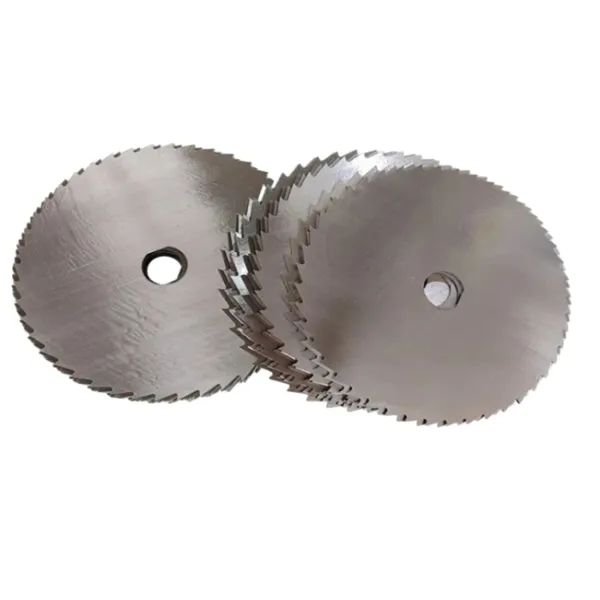
In real terms, a high speed metal saw blade is designed for operations where speed is king. Typically spinning upwards of 3000 RPM, these blades use special alloys—often carbide-tipped or tungsten-based—to maintain their edge while resisting heat buildup and wear. From cutting mild steel to hardened stainless, their design really matters. I remember working on a project where switching to a high quality carbide-tipped blade reduced downtime due to blade changes by nearly 40%, which frankly was a game-changer on the shop floor.
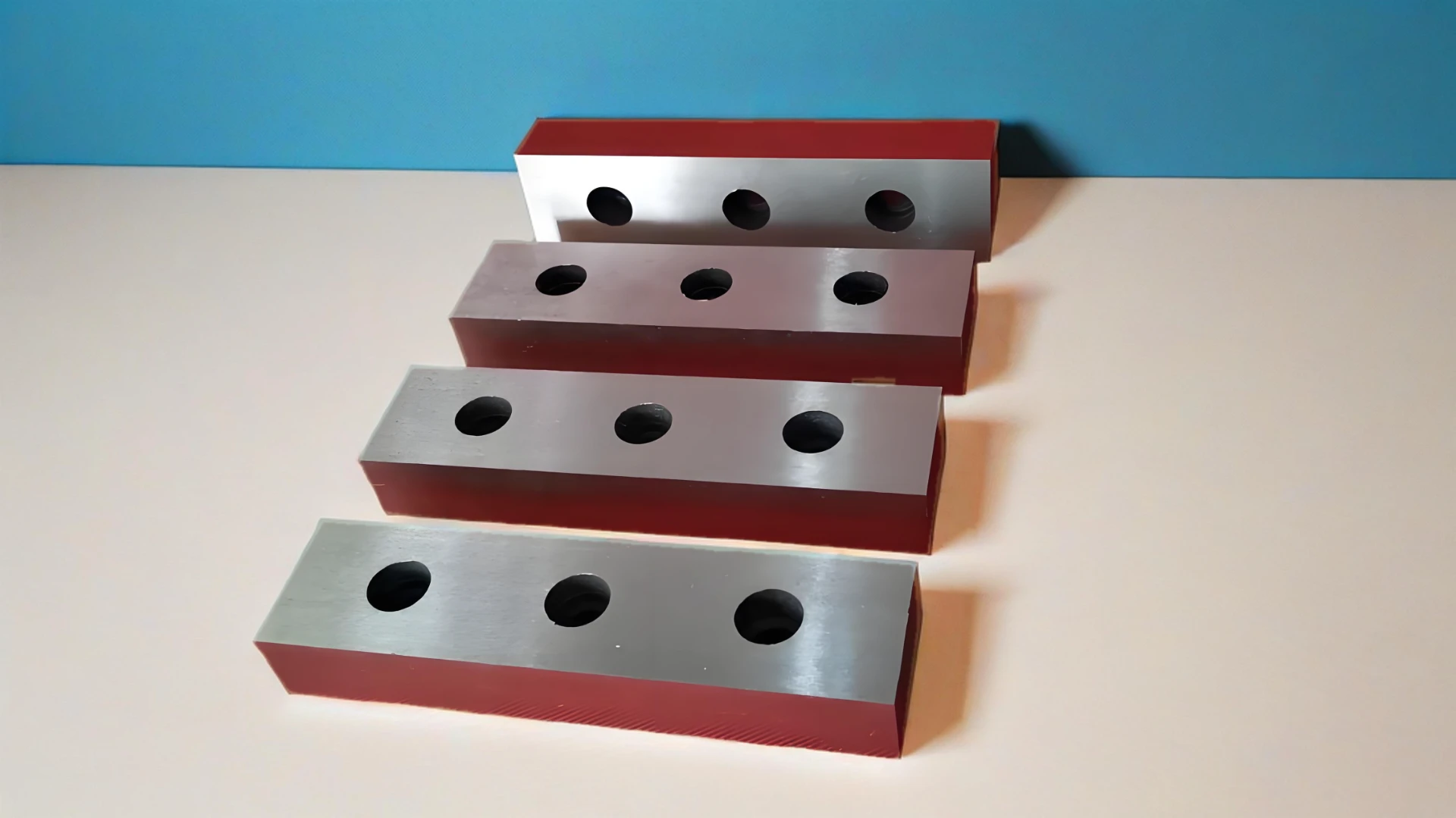
What’s fascinating is how the blade geometry plays into cutting performance. The tooth pitch, hook angle, and kerf width all contribute to precision and cut speed. In many cases, manufacturers customize these specs depending on the customer’s machining conditions. This level of detail isn’t just marketing fluff — it’s proven in rigorous industrial testing. I’ve seen blades that claim one thing but don’t deliver, so I always recommend sticking to vendors that offer full spec transparency.
| Feature | Specification |
|---|---|
| Diameter | 250 - 600 mm |
| Tooth Material | Carbide (often tungsten-based) |
| Teeth Per Inch (TPI) | 24 - 60 (varies by application) |
| Max RPM | 3000 - 5000 RPM |
| Kerf Width | 2.2 - 3.0 mm |
| Hook Angle | 5° to 20° (depends on metal hardness) |
Now, when deciding where to get these blades from, it pays to do a little homework. Lots of companies offer what seem like similar blades but the quality and testing behind them can be worlds apart.
| Vendor | Material Quality | Customization Options | Lead Time | Price Range |
|---|---|---|---|---|
| MechBlades | Premium carbide alloys, ISO tested | Wide range, customer specs available | 1-2 weeks | Mid to high |
| SteelCut Pro | Standard carbide tips | Limited | 2-3 weeks | Mid |
| CutCraft | Entry-level carbide blends | Some options | 1-3 weeks | Budget |
I once saw a fabricator client struggling with inconsistent cuts on stainless tubing. They switched to a blade from MechBlades that was designed with a higher tooth density and a sharper hook angle tailored for stainless steel. The difference? Smoother cuts, less thermal distortion, and fewer rejects — all of which added up to measurable savings and less frustration on the shop floor.
Frankly, these blades are more than just a spinning disc. They’re the frontline soldiers in metal fabrication, often underestimated in their impact. When you choose the right high speed metal saw blades, you get more than cutting power — you gain precision, longevity, and efficiency.
In conclusion, picking the right blade is about understanding your material, your operation speeds, and matching those to a blade that’s not just marketed well but backed by solid specs and trusted experience. It feels like the difference between a good day’s work and a really stressful one.
References:
1. Industry machination reviews, Metal Cutting Journal, 2023.
2. MechBlades technical brochure, accessed 2024.
3. Fabricator’s forum insights, 2022.