Understanding Carbide Saw Blades for Steel: Essential Tools for Modern Industry
Carbide saw blades for steel are the unsung heroes behind countless manufacturing and construction projects worldwide. They slice through tough metals with precision and durability, keeping industries moving efficiently. While it might seem like a niche tool, their impact is remarkably broad — from shipbuilding in Asia to automotive assembly lines in Europe. Understanding these blades matters globally because, frankly, they save time, reduce waste, and ensure safety in metalworking environments. Let’s explore why mastering the nuances of carbide saw blades is key to unlocking better productivity and sustainability in steel cutting.
Introduction: The Global Context of Carbide Saw Blades for Steel
Steel production topped 1.9 billion metric tons globally in 2023 (source: World Steel Association), a figure that speaks volumes about the scale and importance of steel-related tools. Carbide saw blades have become vital in meeting the high demands for precision cutting in construction, automotive, and infrastructure sectors — all critical pillars for economic development worldwide.
However, challenges arise when tackling harder steel grades or when seeking cost-effective solutions amid rising raw material costs. These saw blades aren’t just about cutting steel; they solve problems linked to tool wear, machining efficiency, and safety standards—all relevant at global and local manufacturing hubs.
What Are Carbide Saw Blades for Steel?
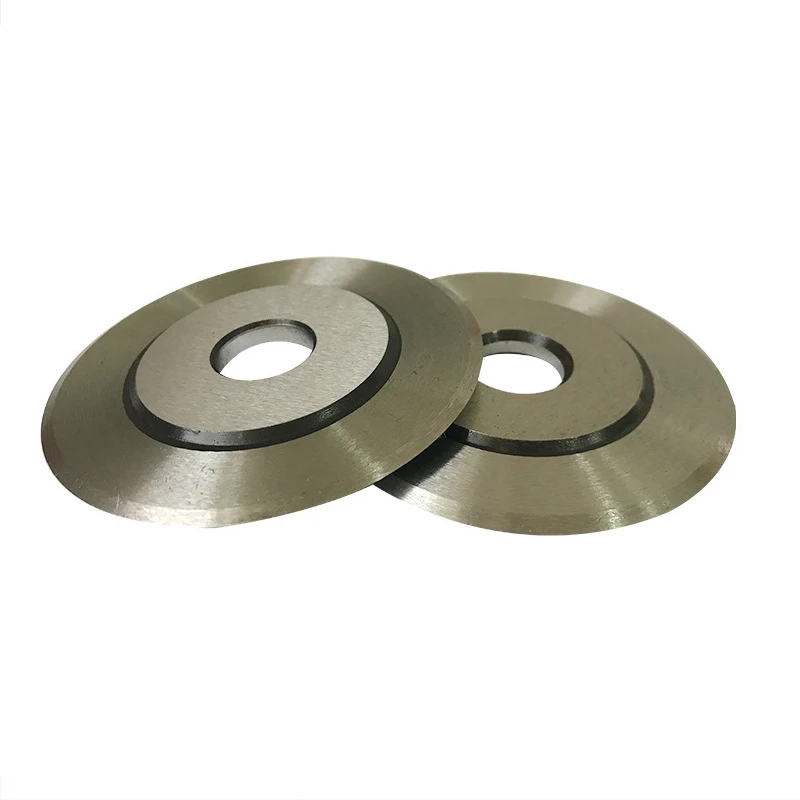
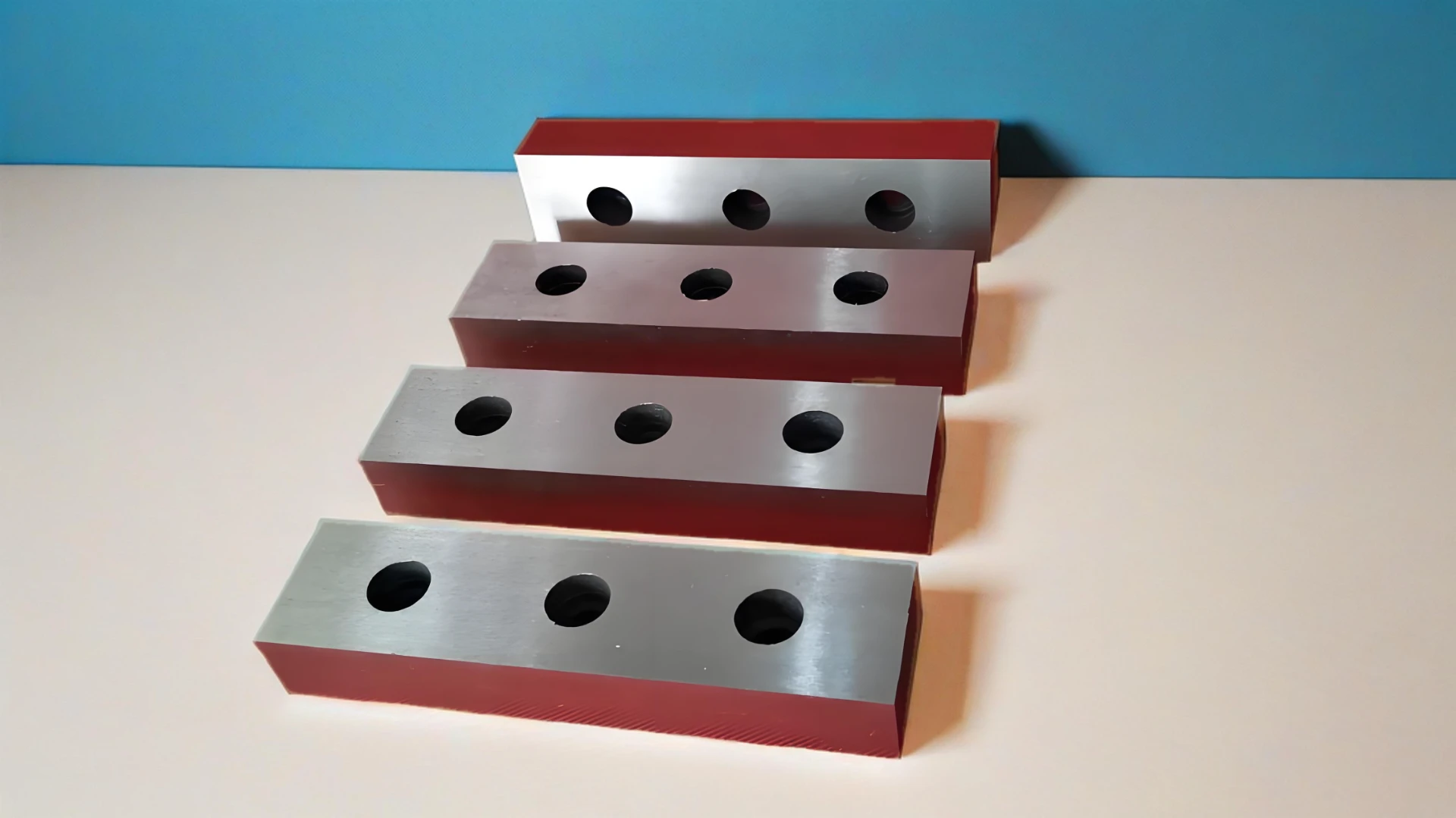
In simple terms, carbide saw blades are circular blades tipped or coated with tungsten carbide, a super-hard material that resists wear and heat generation. This makes them perfect for cutting steel, which is notoriously tough on tools. Instead of dulling quickly like traditional steel blades, carbide-tipped blades maintain sharpness longer, enabling cleaner cuts and minimizing downtime in industrial settings.
These blades connect directly to modern industry by supporting fast-paced manufacturing lines, ensuring products meet strict specifications for shapes and dimensions, and even aiding humanitarian efforts where steel structures or relief supplies need rapid construction.
Key Factors to Consider in Carbide Saw Blades
1. Durability
Durability is paramount. Tungsten carbide tips extend the blade’s lifespan, sometimes up to 10 times longer than standard steel blades. This cuts down replacement frequency dramatically, which means less downtime and better resource use.
2. Cutting Precision
Precision ensures minimal material wastage. Quality carbide blades deliver smooth cuts, reducing sharp edges and heat distortions. This precision is critical in aerospace and automotive manufacturing where tolerance is razor-thin.
3. Cost Efficiency
Though carbide blades carry a higher upfront price, their long-term cost efficiency stems from extended use and lower maintenance. When factored over multiple projects, the savings on replacements and labor stack up noticeably.
4. Heat Resistance
Carbide withstands high temperatures generated during cutting better than other materials. High heat tolerance means less warping or blade damage under intensive industrial use.
5. Compatibility
Different machines require different blade designs. Compatibility ensures optimal performance and safety. For steel applications, blades are often designed with varying teeth counts and tooth shapes depending on the steel grade and thickness.
Product Specification Table: Typical Carbide Saw Blade for Steel
| Specification | Details |
|---|---|
| Diameter | 10 – 16 inches (254 – 406 mm) |
| Teeth Count | 60 – 120 teeth (varies by application) |
| Material | Tungsten carbide-tipped |
| Max RPM | 5000 – 9000 RPM |
| Arbor Size | 1 inch (25.4 mm), others on request |
| Usage | Cutting carbon steel, stainless steel, alloy steel |
Global Applications and Use Cases
Carbide saw blades for steel find use everywhere — from steel mills in China to shipyards in Germany and oil pipe fabrication plants in the Middle East. A lot of manufacturing zones and industrial parks depend on them to maintain workflow without costly interruptions.
- Infrastructure construction: Efficient cutting of steel beams and rebar on site.
- Automotive industry: Precision cuts for chassis and engine components.
- Shipbuilding: Heavy-duty cutting where large steel plates are involved.
- Disaster response: Rapid cutting of steel for temporary shelters or debris removal. For instance, NGOs facilitating post-earthquake rebuilding rely on quick, reliable blades.
- Remote industrial zones: In places lacking easy transport access, durability of blades means less frequent reordering, making onsite work sustainable.
Mini takeaway: Carbide saw blades are indispensable in many sectors where steel is a backbone, enabling faster, safer, and cost-effective cutting worldwide.
Advantages and Long-Term Value
Why do seasoned engineers swear by carbide saw blades for steel? It boils down to a trio of cost, sustainability, and safety.
- Cost savings: Though pricier upfront, their extended life lowers overall operational expenses.
- Sustainability: Fewer blade replacements mean less waste and resource consumption.
- Safety: Cleaner cuts reduce sharp, dangerous edges that can cause workplace injuries.
- Reliability: Consistent performance builds trust in critical manufacturing timelines.
On an emotional level, these blades embody innovation and craftsmanship, ensuring workers feel confident and equipped — intangible but important benefits.
Future Trends and Innovations
The future looks promising and, oddly enough, greener for carbide saw blades. Research in sustainable manufacturing pushes development of blades with recycled carbide materials and enhanced coatings that reduce heat generation.
Automation is another game-changer. Integration with computer numerical control (CNC) machines means saw blades are being custom cut and optimized digitally, reducing mistakes and material waste.
Moreover, evolving steel alloys requiring specialized cutting prompt innovations in blade geometry and bonding technologies to keep pace.
Challenges and Solutions
Despite the many advantages, carbide saw blades have their challenges:
- Initial cost: The upfront investment can be restrictive for small workshops.
- Blade brittleness: Tungsten carbide is hard but can chip under impact, requiring cautious handling.
- Compatibility issues: Not all blades fit all saw types, occasionally leading to misuse.
Solutions lie in better operator training, adopting modular blade designs for compatibility, and manufacturers offering flexible financing options. Some vendors even provide custom blade solutions to match niche industrial needs.
Vendor Comparison for Carbide Saw Blades
| Vendor | Price Range | Durability (Life Span) | Special Features | Certifications |
|---|---|---|---|---|
| BladeTech Co. | $$$ | High (Up to 3 years industrial use) | Nano Coating for heat reduction | ISO 9001, CE |
| SteelCutters Inc. | $$ | Moderate (Up to 18 months) | Custom tooth geometry available | ISO 14001 |
| Global Blades Ltd. | $ | Low (Up to 12 months) | Mass production focus | No formal certification |
FAQs: Frequently Asked Questions About Carbide Saw Blades for Steel
- What makes carbide saw blades better suited for steel compared to traditional saw blades?
- Carbide saw blades feature tungsten carbide tips that resist heat and wear significantly better than steel blades. This means they stay sharper longer, offer cleaner cuts, and reduce downtime due to blade changes, especially when cutting hard steel materials.
- How long can carbide saw blades last when cutting various steel grades?
- Lifespan depends on usage frequency and steel hardness but generally ranges from 12 months (high usage, hard alloys) up to 3 years in moderate industrial applications. Proper maintenance and correct machine settings can extend this even further.
- Are carbide saw blades environmentally friendly?
- Indirectly, yes. Their durability reduces waste by limiting blade replacements. Additionally, newer blades are incorporating recycled carbide materials and coatings that reduce heat byproducts, contributing to sustainability goals.
- Can these blades be customized for specific steel cutting needs?
- Absolutely. Vendors often offer blades with custom tooth counts, sizes, and coatings to match particular steel thicknesses, grades, and machine compatibilities.
- Where can I find reliable sources for purchasing carbide saw blades for steel?
- Specialized manufacturers like those compared above offer quality blades. You can also visit carbide saw blades for steel for product selections, expert advice, and support tailored to your projects.
Conclusion
Carbide saw blades for steel play an indispensable role in today’s steel manufacturing and construction industries. Their combination of strength, precision, and longevity provides not just practical tools but also long-term value, safety, and sustainability benefits. As innovation pushes these tools forward, from new coatings to digital optimization, they remain essential for anyone working with steel. If you want to upgrade your tooling or learn more, visit our website: https://www.mechblades.com — we’re here to help you cut smarter and cleaner.
Oddly enough, understanding these blades is almost like understanding a quiet backbone of modern industry—important yet often overlooked.
Reflection: Writing this, I realized how these small but mighty blades connect engineering precision with everyday industry needs. They don’t just cut steel; they cut downtime, costs, and inefficiency too.
References