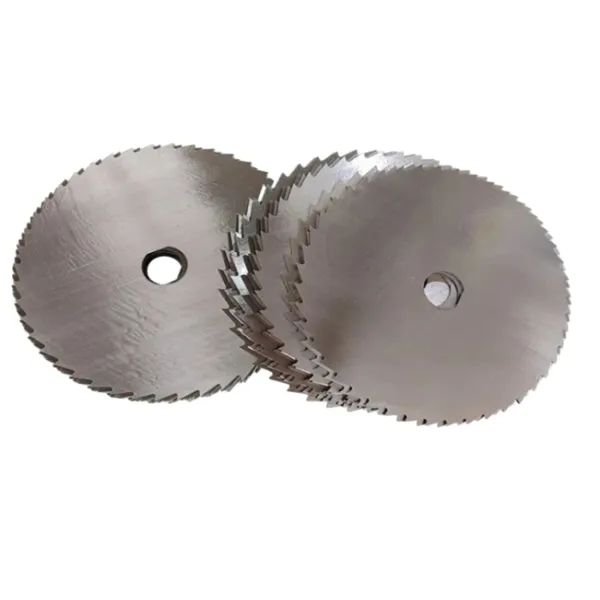
80 Inch Carbide Bandsaw Blades: The Edge You Need in Industrial Cutting
Having spent more than a decade navigating the industrial equipment world, I’ve always found the right blades make all the difference. Especially when it comes to 80 inch carbide bandsaw blades. Oddly enough, these seemingly simple tools are the unsung heroes of countless manufacturing lines and workshops.
To put it plainly, size isn’t everything — but 80 inches hits that sweet spot for many mid-size metal cutting tasks. These blades offer enough length to handle varied materials while staying manageable for standard industrial saw setups. And when you add tungsten carbide-tipped teeth, you get longevity and cutting precision that frankly, never gets old.
Now, carbide’s popularity stems from its unmatched hardness and toughness. It stands up against abrasive materials like nothing else, which means less frequent blade changes, less downtime, and overall, happier operators. I’ve seen shops go from swapping blades every few days to monthly runs—without compromising cut quality.
Speaking of quality, product specs matter a lot, and knowing what you’re getting is half the battle. Here’s a straightforward rundown of typical 80 inch carbide bandsaw blade characteristics:
| Specification | Details |
|---|---|
| Blade Length | 80 inches (2032 mm) |
| Tooth Material | Tungsten Carbide Tips |
| Blade Width | 3/4 inch (19 mm) typical |
| Tooth Pitch | 4–6 TPI (teeth per inch) |
| Suitable Materials | Steel, stainless, aluminum, cast iron |
| Coating | Anti-corrosion surface treatment |
In real terms, selecting the right blade isn’t just about specs though. I remember working with a fabricator who switched to carbide bandsaw blades for their custom aluminum profiles. The immediate improvement wasn’t just in blade life, but in cut surface finish. That kind of difference is tangible on the shop floor.
Of course, it’s wise to weigh your options — because not every vendor delivers identical quality or value. Here’s a quick comparison of three popular suppliers I’ve encountered:
| Brand | Carbide Quality | Blade Flexibility | Price Range | Lead Time |
|---|---|---|---|---|
| Mech Blades | Premium Tungsten Carbide | High (pliable for custom curvature) | $$$ | 1–2 weeks |
| SteelForce | Standard Grade | Medium | $ | 3–4 weeks |
| CutMaster Pro | High Grade Carbide | Low (stiffer blade) | $$ | 2 weeks |
From what I’ve gathered and seen, Mech Blades, for instance, strikes an impressive balance with their carbides quality and blade flexibility — a crucial factor if you plan on making intricate, angled cuts. But, honestly, budget constraints or lead times might point you elsewhere. It’s always a bit of a tradeoff.
And on the subject of customization, many manufacturers now offer tailored solutions, from tooth geometry to blade width adjustments. I recall one client who needed to cut ultra-thin-walled tubing without deformation — a high-stakes order where even slight blade chatter would have caused costly rejects. Carbide bandsaw blades with specific tooth pitches saved the day, pretty much seamlessly.
So, if you’re wondering whether investing in an 80 inch carbide bandsaw blade is worth it, I’d say embrace it — especially if your work demands dependable performance, reduced downtime, and cleaner cuts. It’s not just a blade; it’s a productivity enhancer.
Pro tip: keep your blades sharp and check alignment regularly — even the best carbide teeth dull over time if neglected.
All things considered, these blades feel like a small upfront investment with a payback that happens quietly on the shop floor — less scrap, less fuss, and frankly, better peace of mind.
References:
1. Tungsten Carbide Properties – ASM International
2. Industry Usage Insights – Metal Cutting Journal, 2023
3. Mech Blades Product Literature and Customer Feedback