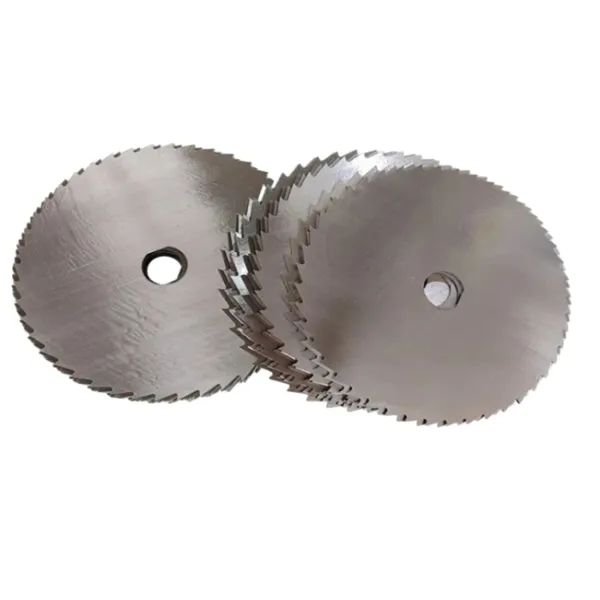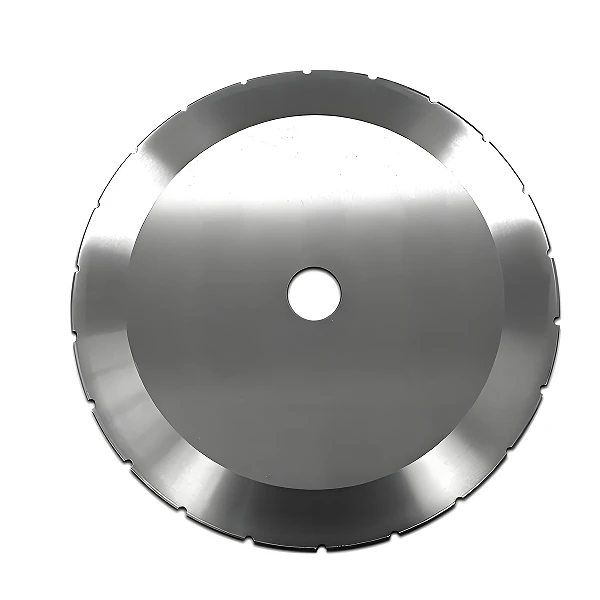
Carbide Tipped Bandsaw Blades are key solutions in the industry, specifically within manufacturing, metalworking, and fabrication sectors. This article explores how https://www.mechblades.com supports professionals with durable, high-performance products, and explains why this product is an ideal choice for businesses in these sectors.
Table of Contents
- Carbide Tipped Bandsaw Blades Overview
- Benefits & Use Cases of Carbide Tipped Bandsaw Blades
- Cost, Maintenance & User Experience
- Sustainability & Market Trends
Carbide Tipped Bandsaw Blades Overview
So, what exactly are Carbide Tipped Bandsaw Blades? At their core, these are bandsaw blades fitted with ultra-hard carbide cutting tips welded to a flexible steel backing. This combination vastly improves cutting speed and blade longevity compared to traditional blades. They’re especially prized where precision and durability count — think structural steel, aluminum extrusions, and tough stainless alloys.
- The carbide tips run hot with cutting efficiency but resist wear like few others – basically, they keep their sharp edge through endless batches without needing frequent replacement.
- For example, a case study from a metal fabrication shop showed a 3x increase in run time using a carbide tipped blade over a conventional bi-metal one.
| Specification | Details |
|---|---|
| Blade Width | 1/2" to 2" |
| Tooth Pitch | 3 to 14 TPI (Teeth Per Inch) |
| Tip Material | Tungsten Carbide |
| Blade Material | High-Carbon Steel or Bi-Metal |
| Typical Cutting Speed | 80-150 sfm (surface feet per minute) |
Benefits & Use Cases of Carbide Tipped Bandsaw Blades
Oddly enough, these blades really shine in scenarios where tough metals meet high-volume production demands. Industries like aerospace, automotive, and pipe manufacturing swear by their reliability. They’re excellent for cutting stainless steel pipes without chipping or losing tooth integrity quickly — which frankly can be a nightmare with standard steel blades.
- High hardness carbide tips allow blades to maintain sharpness and reduce downtime spent on blade changes.
- Their ability to cut faster while maintaining accuracy means manufacturers meet tight tolerances and deadlines.
Vendor Comparison Snapshot
| Vendor | Carbide Quality | Blade Life | Typical Price per Blade | Ideal Applications |
|---|---|---|---|---|
| MechBlades | Premium Tungsten Carbide | Up to 3x longer than bi-metal | $$$ (Mid-Range) | Heavy-duty Metal Cutting |
| Competitor A | Standard Carbide | 1.5x bi-metal life | $$ (Low to Mid) | General Purpose |
| Competitor B | Premium Carbide | Comparable to MechBlades | $$$$ (High-end) | Precision & Aerospace |
Cost, Maintenance & User Experience
In real terms, the initial price tag on carbide tipped blades can seem a bit steep — but many managers will tell you the savings come from less frequent replacements and smoother cuts. It’s the classic “pay more now, save later” scenario. From my conversations with shop floor supervisors, they often note reduced machine downtime and less scrap material thanks to cleaner, faster cuts.
- Total cost of ownership frequently tilts in favor of carbide tipped blades, especially in high-volume settings.
- Maintenance routines remain straightforward — regular blade tensioning and inspection, but no complex sharpening needed for the carbide tips.
Sustainability & Market Trends
Sustainability in metal cutting is gaining traction — oddly enough, a longer-lasting blade means less waste and fewer resources spent manufacturing replacements. Carbide tips, though made from a non-renewable resource, extend blade life so dramatically that the overall environmental footprint drops. In addition, newer recycling programs for tungsten carbide scrap are on the rise, helping alleviate concerns.
- Industry regulations increasingly favor durable tooling that minimizes downtime and waste.
- Market trends point to growth in carbide tipped blades thanks to advanced manufacturing techniques and rising demand for tougher materials.
Frequently Asked Questions about Carbide Tipped Bandsaw Blades
- What is Carbide Tipped Bandsaw Blades and how does it work?
- Simply put, these bandsaw blades feature carbide tips welded onto a steel blade backbone. These tips cut through tough metals with high speed and resist dulling, which lets the blade run longer and produce cleaner cuts.
- What are the main benefits of using Carbide Tipped Bandsaw Blades in industrial applications?
- Key advantages include long tool life, fewer blade changes, increased cut accuracy, and the ability to cut tougher materials faster — all of which boost productivity and reduce operating costs.
- How does Carbide Tipped Bandsaw Blades compare to traditional alternatives?
- Compared to conventional bi-metal or carbon steel blades, carbide tipped options offer higher wear resistance and longer durability, though with a slightly higher upfront investment.
- What industries can benefit most from Carbide Tipped Bandsaw Blades implementation?
- Industries such as aerospace, automotive, metal fabrication, and pipe manufacturing find these blades indispensable for cutting hard metals and alloys with precision and efficiency.
Conclusion on Carbide Tipped Bandsaw Blades from china
To wrap things up, Carbide Tipped Bandsaw Blades offer a compelling blend of durability, performance, and cost-effectiveness that isn’t easily matched. Whether you're angling for longer production runs or tackling tough alloys, these blades tend to deliver real value. For businesses keen on balancing efficiency with budget, they’re definitely worth a look.
- Explore detailed product options and support at https://www.mechblades.com
Reflecting on the evolution of bandsaw tooling, it’s clear carbide tipped blades represent a meaningful leap forward. Like many engineers I've spoken with, I find their blend of toughness and precision quite impressive — and I expect continued innovation here.
References:
1. Industry case studies from metal fabrication sector, 2023
2. MechBlades technical specifications, 2024
3. Market research on bandsaw blade innovations, 2023