Carbide Blades: The Unsung Heroes of Industrial Cutting
Having spent well over a decade working in the industrial equipment sector, I’ve come to appreciate just how crucial carbide blades truly are. They’re the sort of tool that quietly powers productivity behind the scenes—often overlooked, but once you depend on them, it’s hard to imagine any other way.
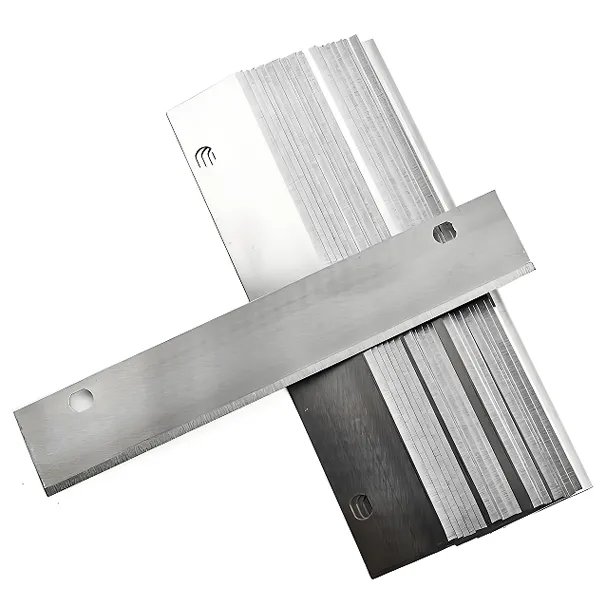
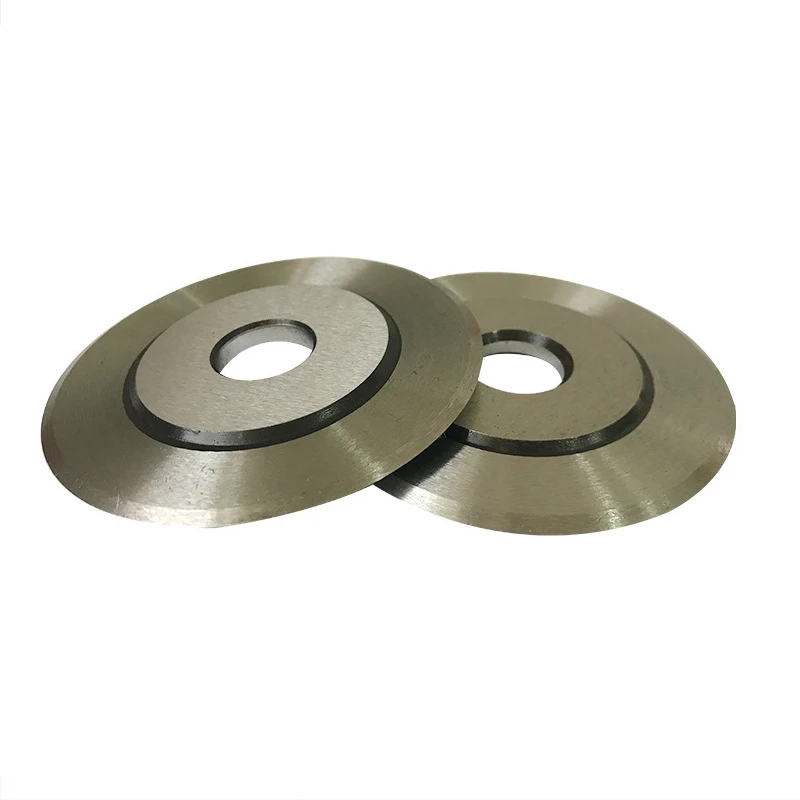
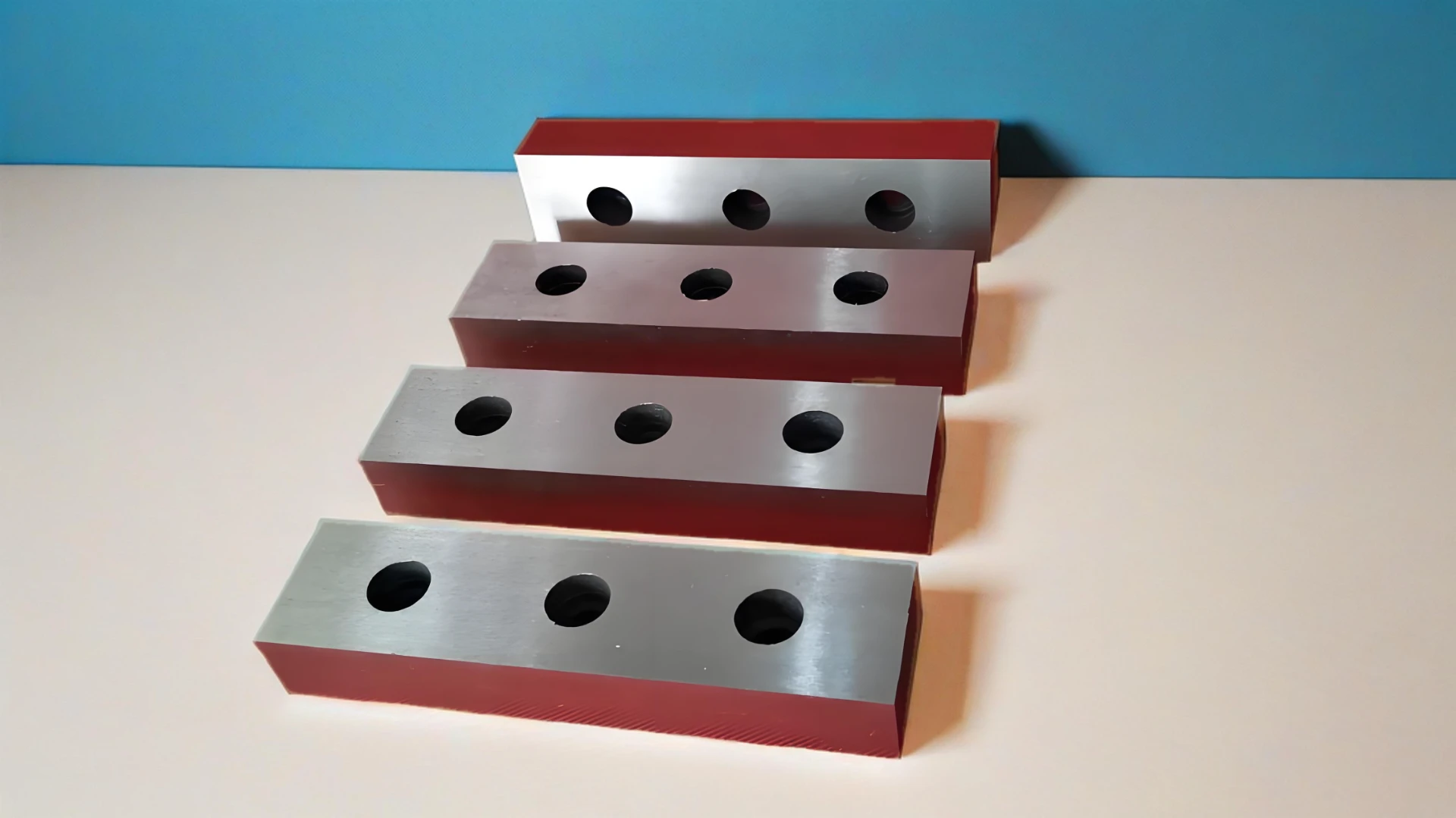
Carbide, for those who might not be as familiar, is a composite material made mostly from tungsten carbide particles bonded with a metallic binder like cobalt. It’s what gives these blades their signature hardness and durability. In real terms, this means they can slice through tougher materials faster and far longer than your standard steel blades. I remember a line supervisor once saying, “Give me a carbide blade over HSS any day—I get more cuts, less downtime.” That stuck with me.
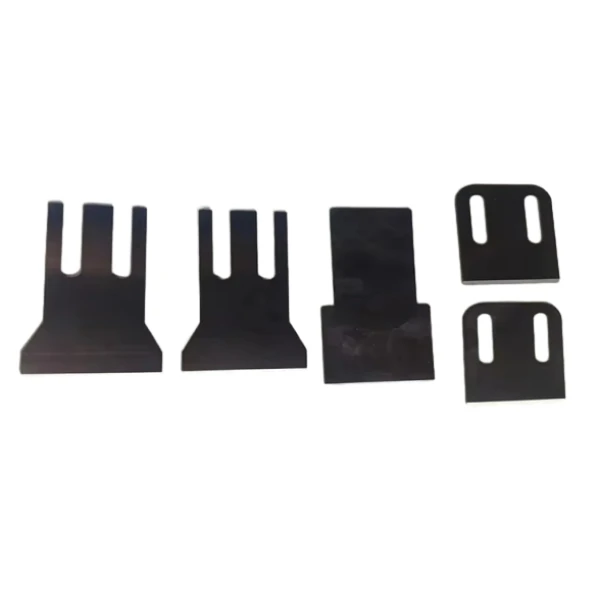
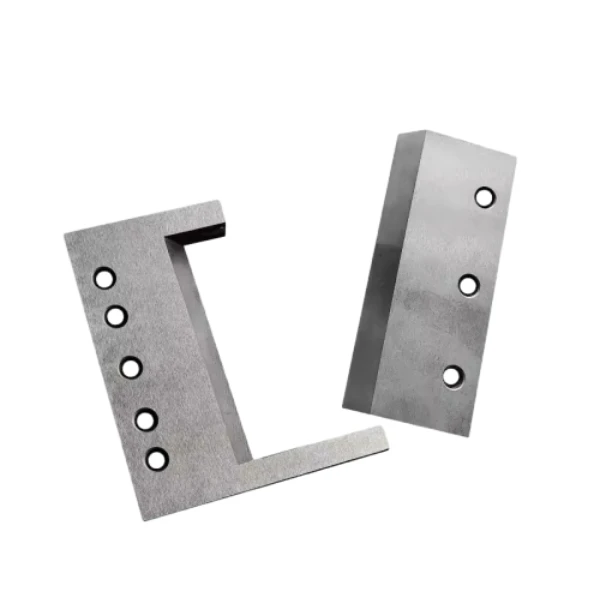
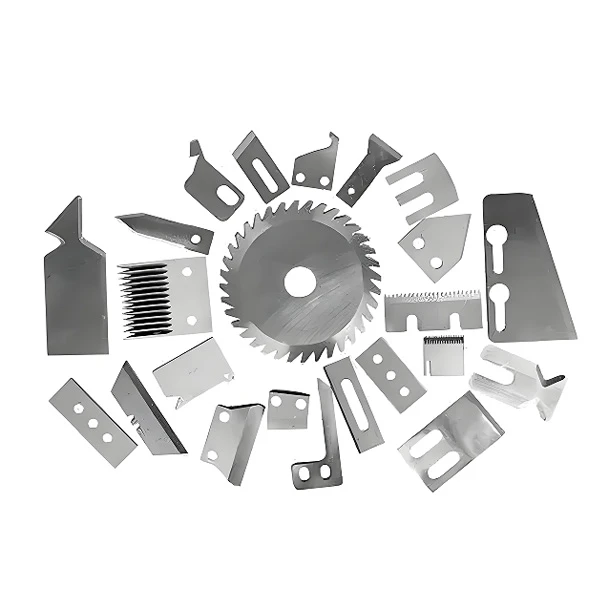
Oddly enough, the way these blades are designed sometimes feels like an art form. Manufacturers carefully engineer the cutting edge’s geometry—angles, bevels, chip breakers—to optimize every cut. Even subtle changes can affect finish quality or tool life. For example, in woodworking, some companies tailor carbide tips for specific grain types to minimize tear-out, which frankly makes a huge difference to finishers aiming for that perfect smoothness.
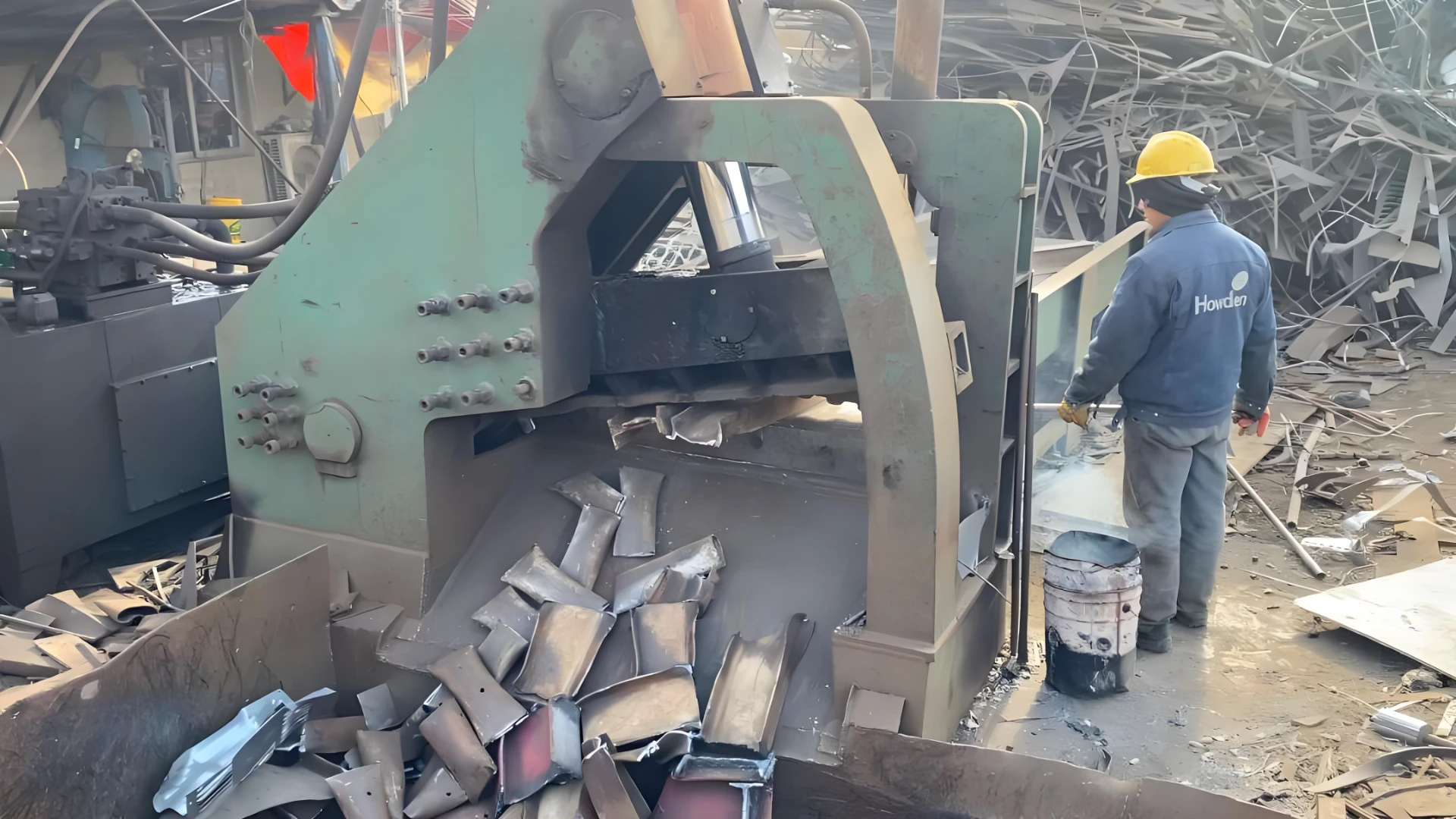
Of course, testing and quality assurance are no joke. I’ve seen blades pushed to their limits in steel fabrication plants—heat, pressure, repetitive cutting all factoring into how quickly a blade dulls or chips. That’s why some vendors invest heavily in microstructural testing or use advanced coatings like titanium nitride to extend service life.
When selecting carbide blades, buyers often face a tricky balance: cost vs. performance. Less expensive blades might save money upfront but can result in more frequent replacements and downtime. I recall one customer who switched to premium blades and was amazed—sometimes the upfront cost felt steep, but the lower tool change frequency and fewer rejects more than paid for themselves.
| Feature | Specification |
|---|---|
| Material | Tungsten Carbide (WC) with Cobalt Binder |
| Hardness | About 1600 HV (Vickers Hardness) |
| Typical Coating | Titanium Nitride (TiN) or Titanium Carbonitride (TiCN) |
| Common Applications | Metal Cutting, Woodworking, Plastics |
| Blade Thickness Range | 0.5 mm – 3 mm |
So how do you know where to get your blades? Choosing a vendor can feel overwhelming—there are plenty offering seemingly similar carbide blades, but the differences do matter.
| Vendor | Blade Quality | Customization Options | Lead Time | Price Range |
|---|---|---|---|---|
| MechBlades | Premium grade carbide with advanced coatings | Highly customizable profiles and sizes | 1-2 weeks | Mid to High |
| CutMaster Tools | Good quality; less coating variety | Standard sizes only | 1 week | Low to Mid |
| EdgePro Industrial | Excellent carbide consistency | Limited customization | 2-3 weeks | High |
One memorable incident I recall: a customer needed a very specific blade angle for cutting abrasive composites. Many suppliers balked at the custom request or quoted sky-high prices. MechBlades, however, delivered a tailored solution on schedule. They understood the nuances and felt more like partners than just vendors. That’s the kind of relationship that makes industrial operations smoother over the long haul.
You know, in this line of work, tools like carbide blades remind me that little things can make a huge difference. Master the tool and you open the door for better efficiency, cleaner cuts, and less hassle.
Takeaway: Investing in quality carbide blades and a responsive vendor pays off in precise cuts and less downtime—something anyone in manufacturing can appreciate.
- “Tungsten Carbide vs High-Speed Steel Blades,” Industrial Machining Journal, 2022.
- Smith, J. “The Role of Coatings in Carbide Tool Life,” Manufacturing Today, 2023.
- MechBlades Case Study, internal report, 2024.