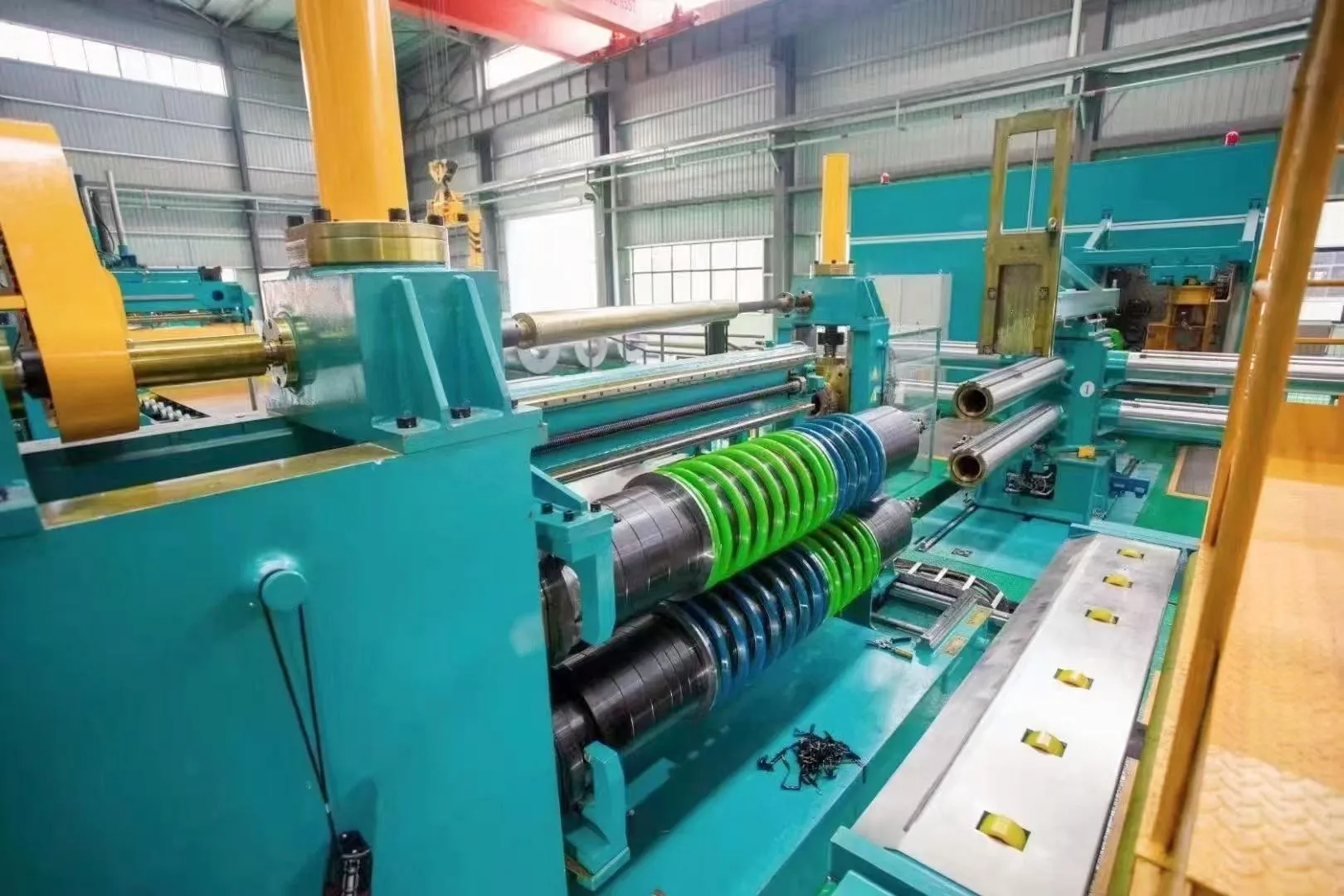
Chipper Blades Manufacturers: Driving Precision and Sustainability in Wood Processing
If you’ve ever wondered who’s behind those razor-sharp edges that turn bulky logs and branches into fine wood chips, you’re diving into the realm of chipper blades manufacturers. This industry might fly under the radar for many, but it plays a vital role globally—from powering paper production and biomass energy to aiding forestry management and recycling. Understanding the makers and innovation behind chipper blades helps us appreciate not just the machinery, but the ripple effect on sustainability, industry efficiency, and even disaster recovery efforts.
Why Chipper Blades Manufacturers Matter on a Global Scale
Worldwide, forestry and biomass industries contribute significantly to the sustainable energy transition and materials economy. According to the Food and Agriculture Organization (FAO), over 4 billion hectares of forest cover the Earth, creating an enormous resource pool that must be processed efficiently. This is where the humble chipper blade steps in, converting bulky organic waste into usable forms.
Yet, challenges like equipment wear, raw material variability, and environmental standards push chipper blades manufacturers to innovate continuously. Oddly enough, even slight blade improvements can boost productivity by 20% or more, according to industry reports from ISO standards on tool efficiency.
What Exactly Are Chipper Blades Manufacturers?
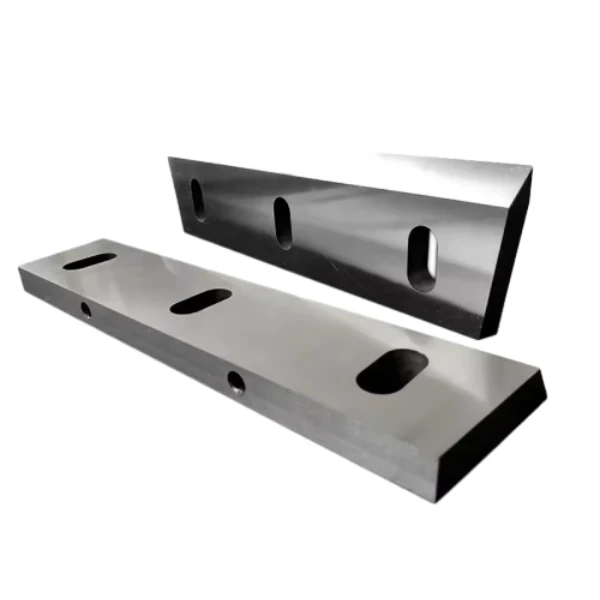
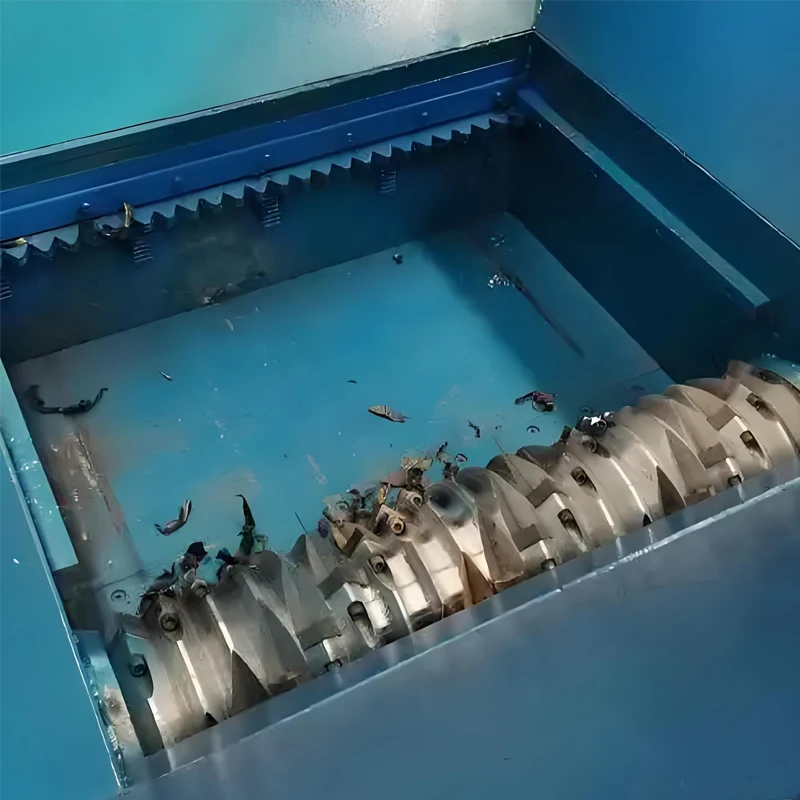
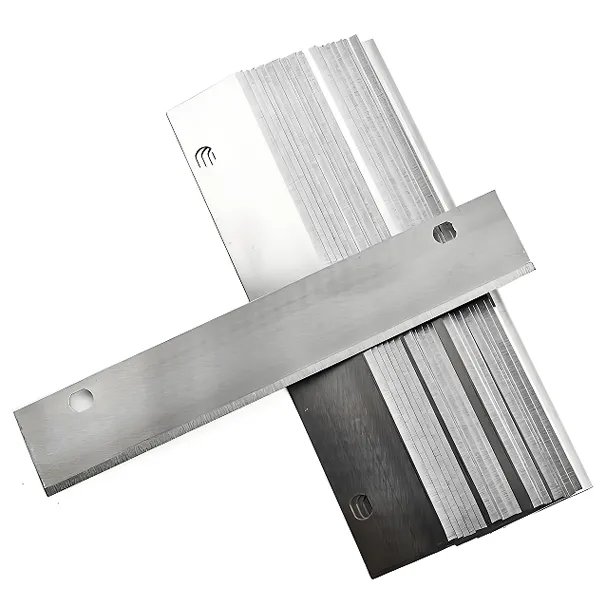
In simple terms, chipper blades manufacturers design, engineer, and produce the blades used in wood chippers—machines that shred wood materials into chips. They combine metallurgy, precision machining, and material science to craft blades that slice through tough plant fibers reliably. There’s a fascinating connection here between these manufacturers’ work and real-world needs: better blades mean less downtime, greater safety, and ultimately more sustainable resource utilization.
Core Components and Considerations in Chipper Blade Manufacturing
1. Durability and Wear Resistance
Blades must endure constant friction and impact. Manufacturers typically use hardened steel alloys or tungsten carbide coatings to balance toughness with edge retention. You might say it’s a “battle of molecules” where microscopic structures determine lifespan.
2. Precision and Sharpness
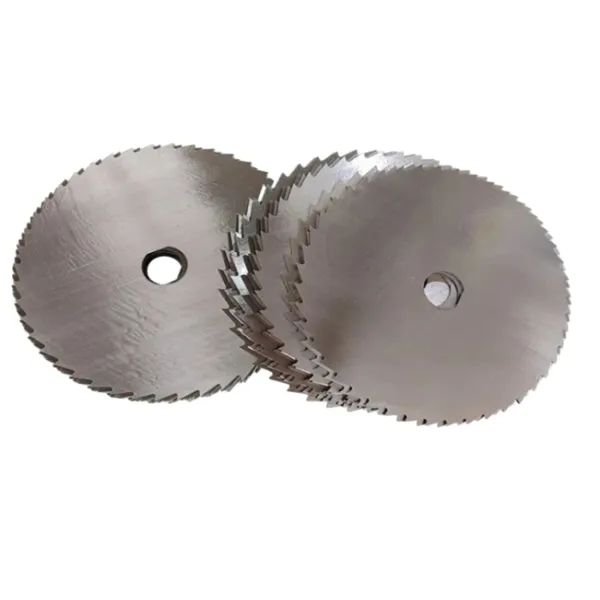
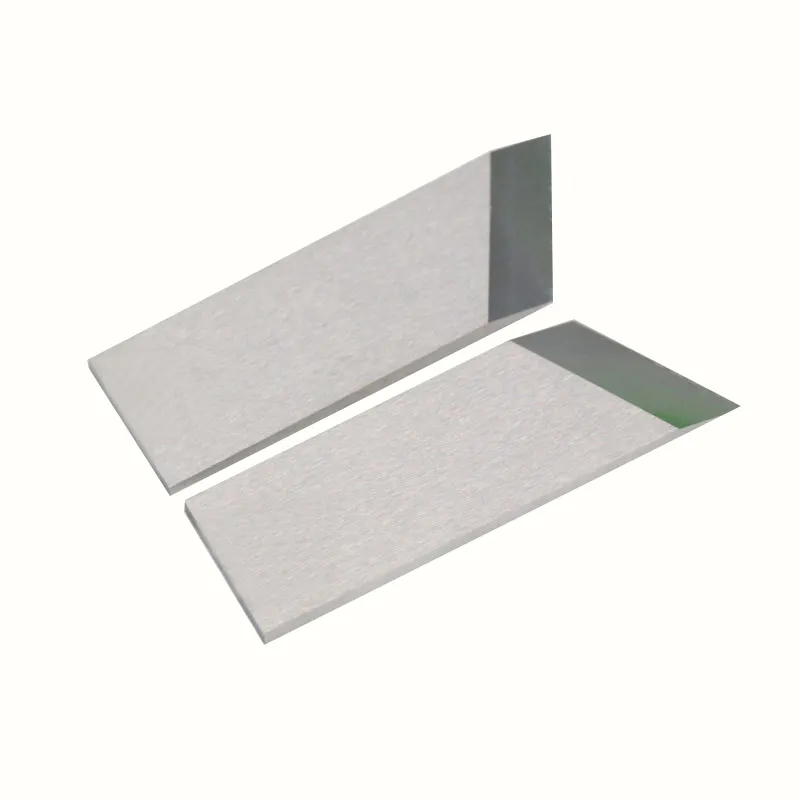
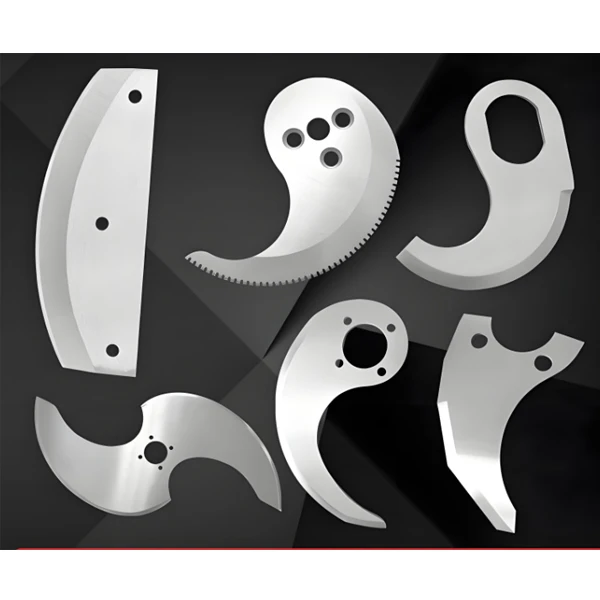
The cutting edge geometry influences chip size and quality. Different applications require different edge styles—beveled, straight, or hooked—so flexibility in design is key.
3. Scalability and Customization
From small portable chippers to industrial-scale machines, blade sizes and weights vary. Renowned manufacturers offer bespoke solutions, tailoring specs to client needs without compromising standards.
4. Cost Efficiency
Of course, budgets matter. Manufacturers optimize production methods, often adopting CNC machining and heat-treatment processes to reduce costs and waste.
5. Safety Features
Sharp blades mean risk, so manufacturers incorporate fail-safe guards and recommend proper maintenance protocols to reduce hazards.
Product Specifications Snapshot
| Specification | Standard Model | Heavy-Duty Model | Custom Alloy Model |
|---|---|---|---|
| Blade Length | 12 inches | 18 inches | Variable (8–24”) |
| Material | Hardened Steel | Tungsten Carbide Coated | Custom Alloy Blend |
| Weight | 0.8 lbs | 1.4 lbs | Varies |
| Expected Lifespan | 200 hours of use | 400 hours of use | Up to 600 hours |
Comparing Leading Chipper Blades Manufacturers
| Manufacturer | Material Innovation | Customization Options | Global Reach | Warranty Terms |
|---|---|---|---|---|
| EdgeTech Industries | Tungsten Carbide Coating | Full Custom Geometry | North America, Europe | 3 Years |
| GreenCut Solutions | Eco-Friendly Steel Alloys | Standard Sizes + Limited Custom | Asia, Australia | 2 Years |
| Mech Blades Corp. | Advanced Hardened Steel + CNC Precision | Full Bespoke Services | Global | Up to 5 Years |
Real-World Impact and Usage
Chipper blades are everywhere—from forest logging in Scandinavia to biomass plants in Brazil, and even disaster relief sites clearing debris after storms. In Japan, for example, rapid restoration after typhoons relies on durable chippers and blades to clear fallen trees safely and fast. NGOs working in remote Indonesian islands have found that reliable chipper blades significantly reduce manual labor and improve safety outcomes.
Why Choosing the Right Manufacturer Counts
Frankly, the difference between an average blade and a high-quality one feels like night and day in performance. Top-tier manufacturers not only ensure robust materials but also integrate safety features and provide responsive support for maintenance. It kind of reassures operators that the tool they rely on won’t fail unexpectedly.
Looking Ahead: Trends in Chipper Blade Manufacturing
The future promises some exciting innovations. We’re seeing moves toward greener production methods, including recycled steel use and energy-efficient heat treatments. Automation in blade sharpening and real-time wear monitoring through IoT devices are also rising trends—enabling predictive maintenance and minimal downtime.
In addition, new composite materials combining ceramics and metal alloys could push blade durability further, though these are still emerging technologies. As sustainability standards tighten globally under frameworks like the ISO 14000 series, manufacturers have a growing impetus to rethink design and lifecycle impact.
Common Challenges & How Experts Suggest Tackling Them
- Blade Wear Due to Variable Wood Types: Innovating alloy blends tailored for mixed species.
- High Replacement Costs: Modular blade designs that permit partial replacements.
- Logistics in Remote Areas: Partnering with local chipper blades manufacturers who can supply and maintain units on site.
- Worker Safety: Enhanced training and better protective casings.
FAQ: Common Questions About Chipper Blades Manufacturers
Q1: How do chipper blades manufacturers ensure blade longevity?
A: They focus on selecting high-quality alloys, use precision heat treatments, and employ coatings like tungsten carbide. Plus, they recommend regular maintenance schedules and offer sharpening services to maximize lifespan.
Q2: Can chipper blades be customized for unusual wood types?
A: Yes, many manufacturers work closely with clients to customize blade geometry and material composition so blades efficiently handle specific wood densities or moisture levels.
Q3: What impact does blade quality have on environmental sustainability?
A: Longer-lasting blades reduce waste and the need for replacements, minimizing raw material use and manufacturing emissions. Efficient blades also produce optimally sized chips, improving biomass combustion or recycling efficacy.
Q4: Are there international standards governing chipper blades manufacturing?
A: While no single global standard exists exclusively for chipper blades, manufacturers typically comply with broader ISO and ASTM standards related to metallurgy, safety, and industrial tooling.
Conclusion: Shaping the Future with Smarter Blades and Trusted Manufacturers
Ultimately, selecting the right chipper blades manufacturers is about more than just a product. It’s a partnership that supports efficiency, safety, and sustainability in wood processing worldwide. If you want to ensure the highest quality and innovation in your chipper blades, do explore companies like Mech Blades Corp., who boast extensive global experience and customization prowess.
Takeaway? The blade industry might be small in scale but huge in impact, and staying ahead means embracing smarter materials, agile designs, and responsible manufacturing.