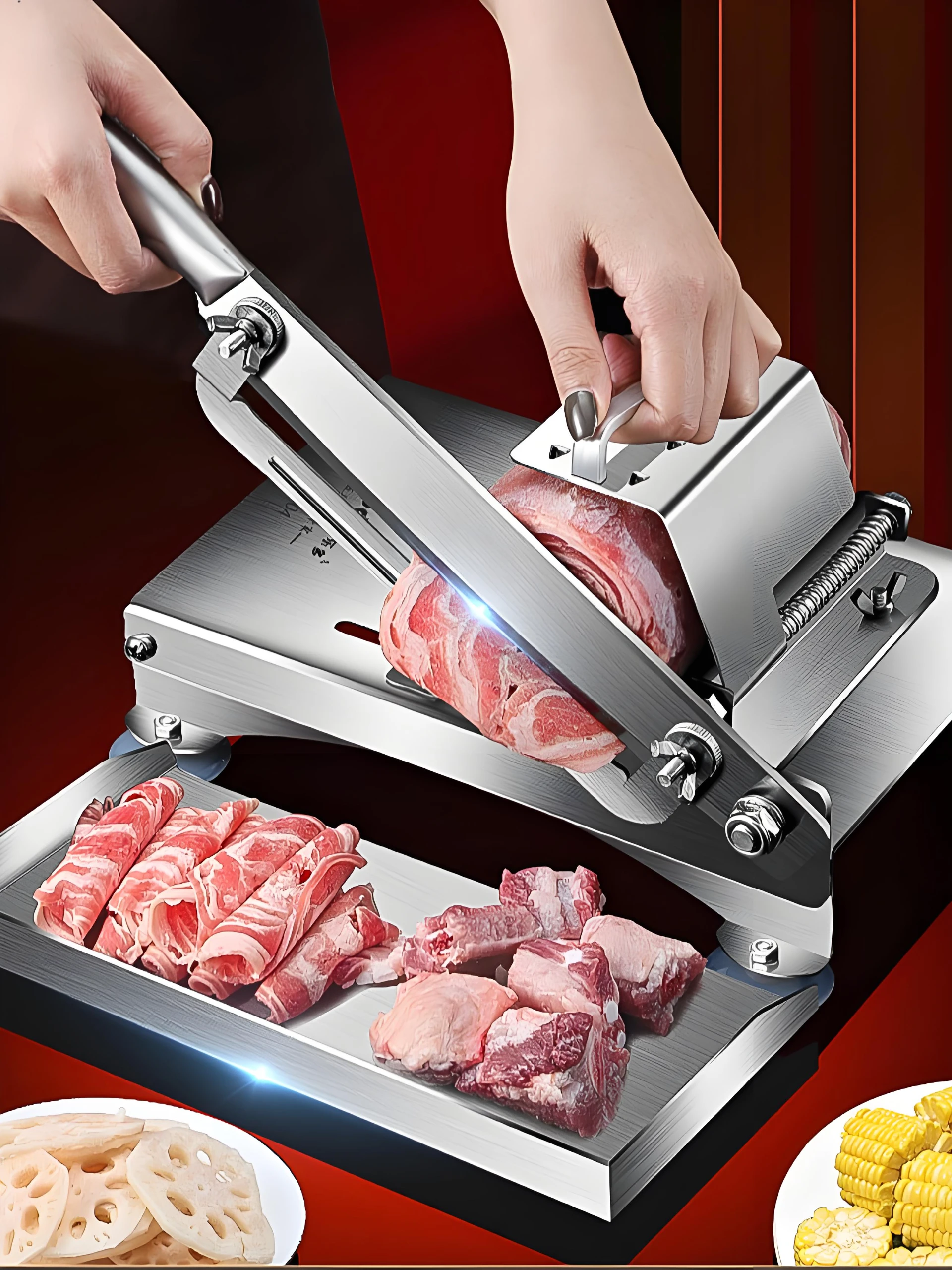
Understanding the Guillotine Blade: A Veteran's Perspective
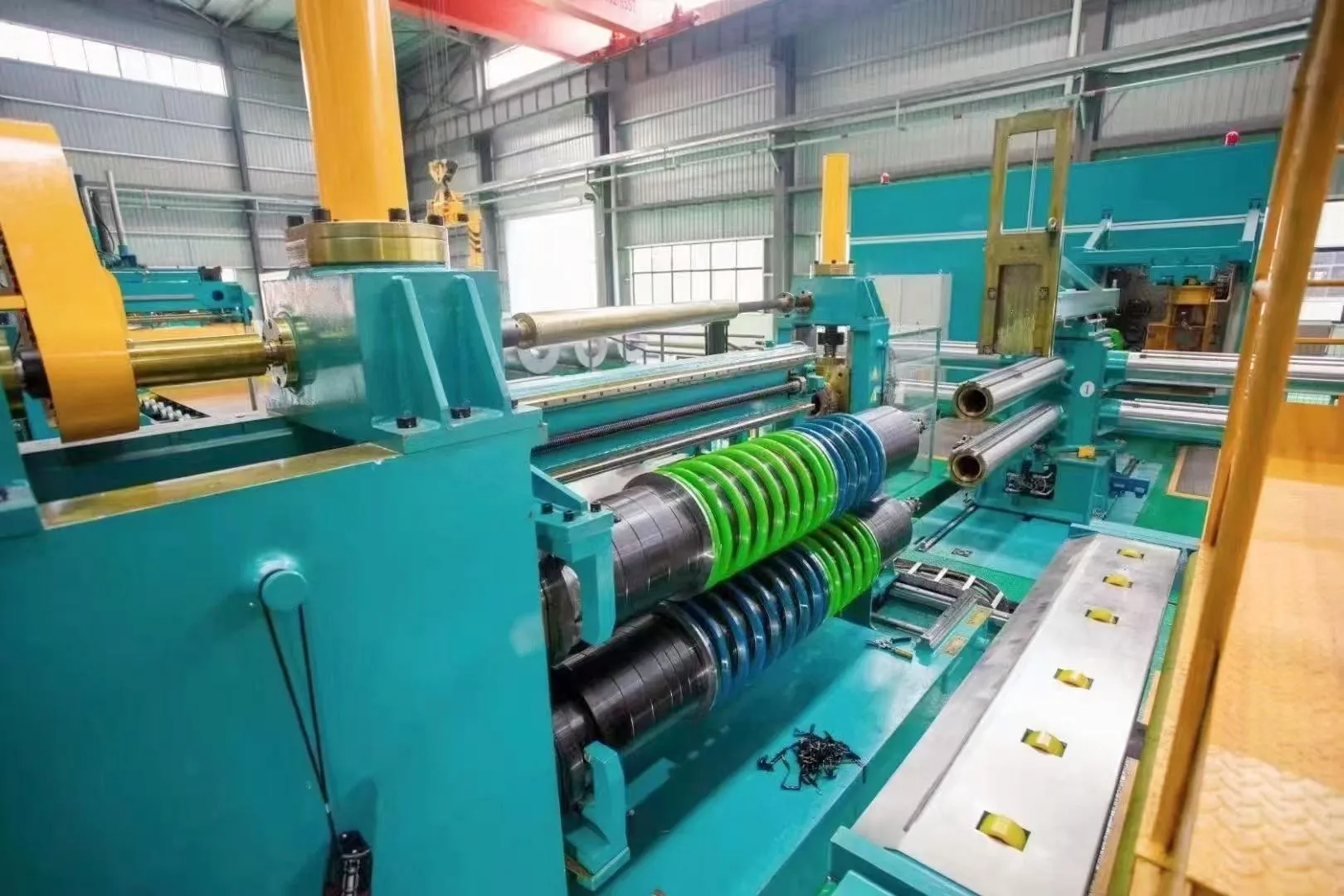
Having spent more than a decade navigating the twists and turns of the industrial equipment world, I've come to appreciate the subtle but crucial details that shape product performance. Guillotine blades, in particular, hold a unique spot in many cutting and shearing applications. Oddly enough, their design and material choices often make all the difference in production quality and maintenance downtime.
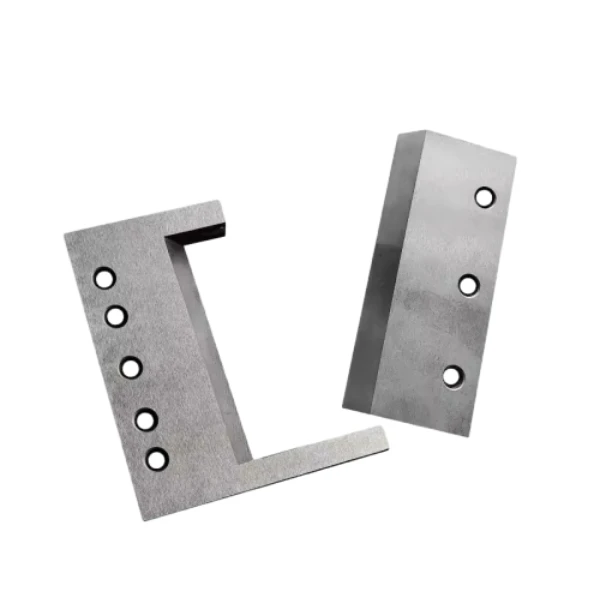
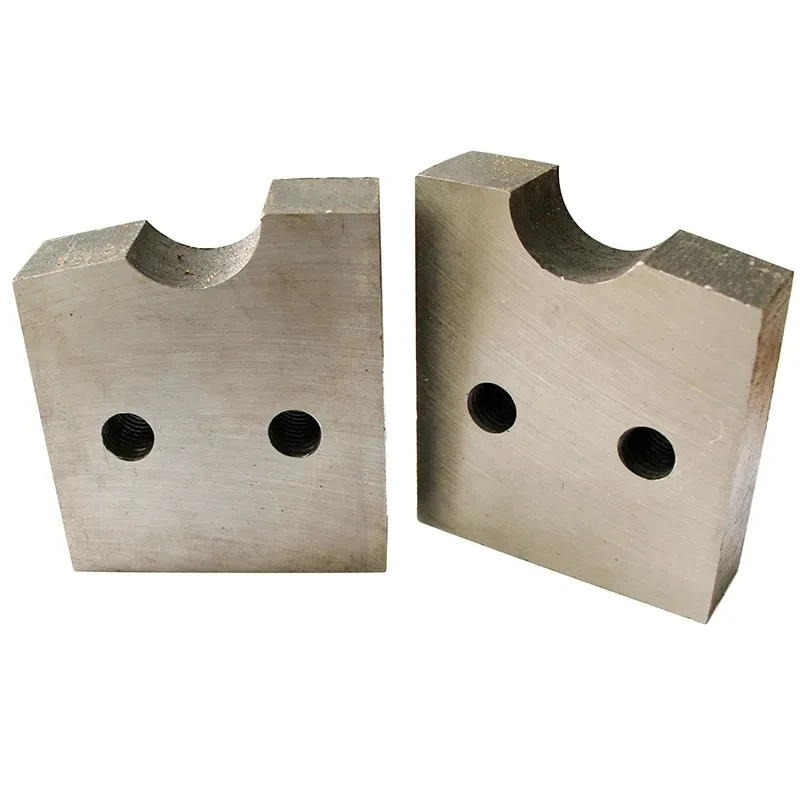
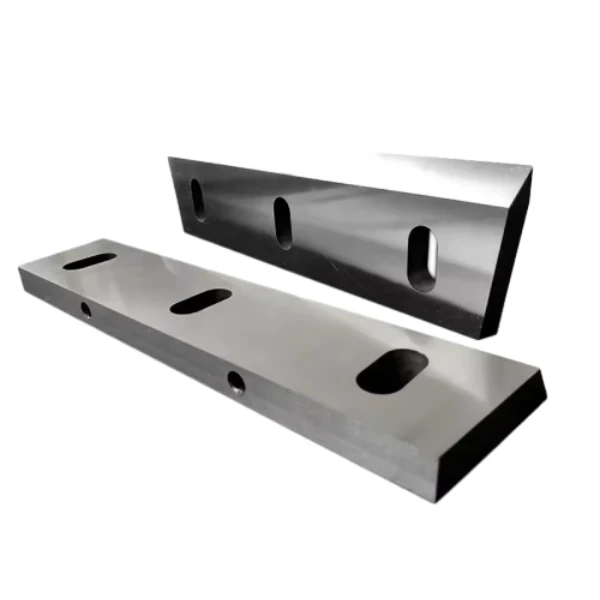
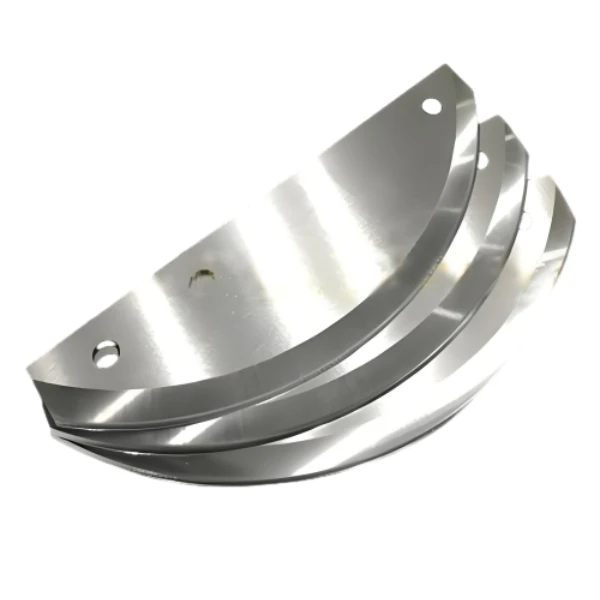
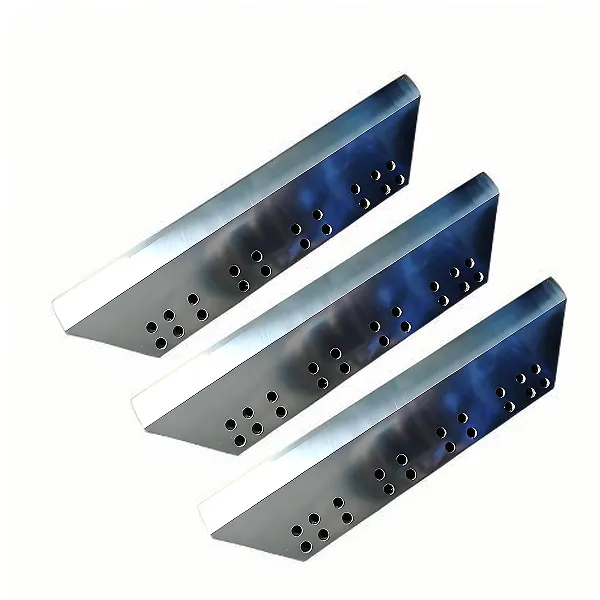
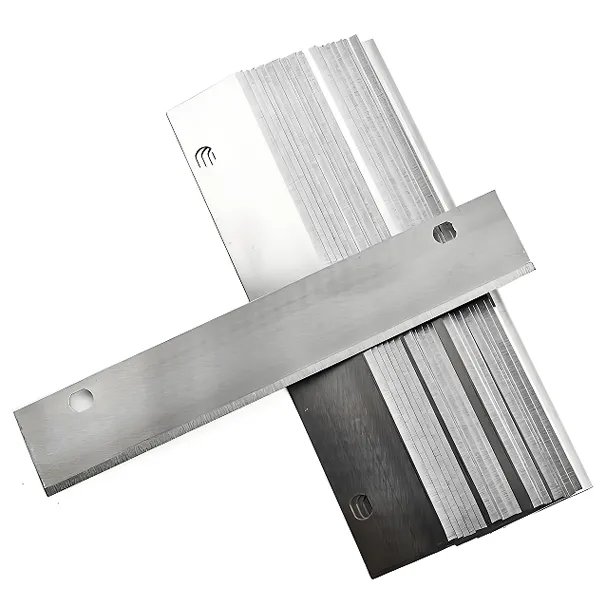
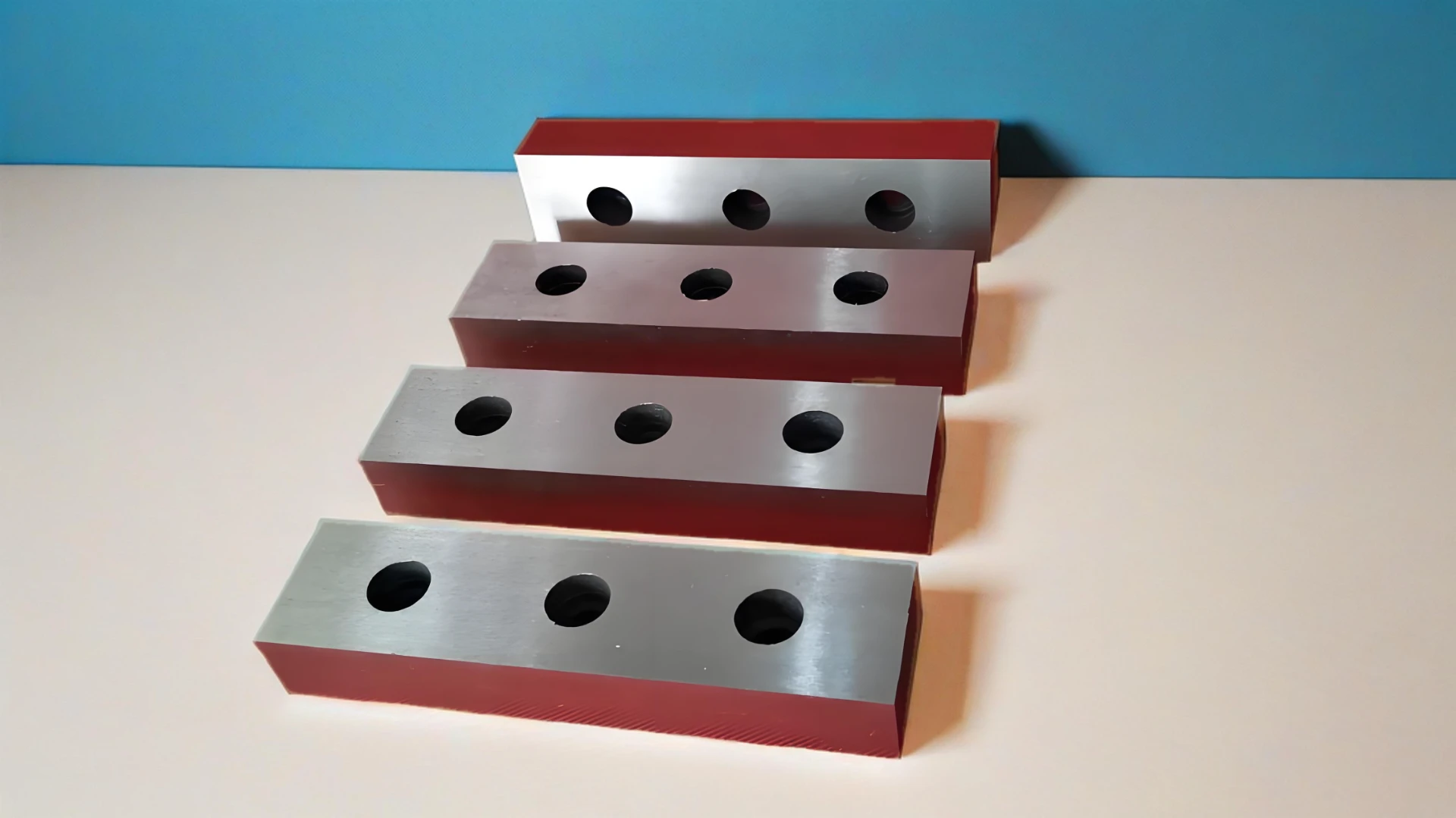
In real terms, a guillotine blade is not just a sharp edge; it’s the culmination of metallurgy, precision engineering, and practical experience. The right blade can slice through sheet metal, plastics, or composites with minimal distortion. But the wrong one? That’s your production line nightmare — jagged cuts, premature wear, and costly replacements.
From what I’ve observed over the years, many engineers emphasize the importance of choosing blades made from high-carbon steel or specialized tool steels. Why? Because these materials strike a balance between hardness and toughness, allowing the blade to maintain sharpness under high-stress operations without chipping.
The manufacturing process also matters. Heat treatment, for example, can improve wear resistance significantly. I recall one facility where switching from a generic blade to a heat-treated high-speed steel variant nearly doubled their blade lifespan. Needless to say, that cut costs not just in blade replacement but in reduced machine downtime.
Guillotine Blade Specifications
| Specification | Details |
|---|---|
| Material | High Carbon Steel, Tool Steel (D2, M2) |
| Hardness | 58-62 HRC (depending on heat treatment) |
| Blade Thickness | 6mm to 25mm (customizable) |
| Edge Geometry | Straight, Beveled, or Customized |
| Coatings | TiN, DLC, or None (based on application) |
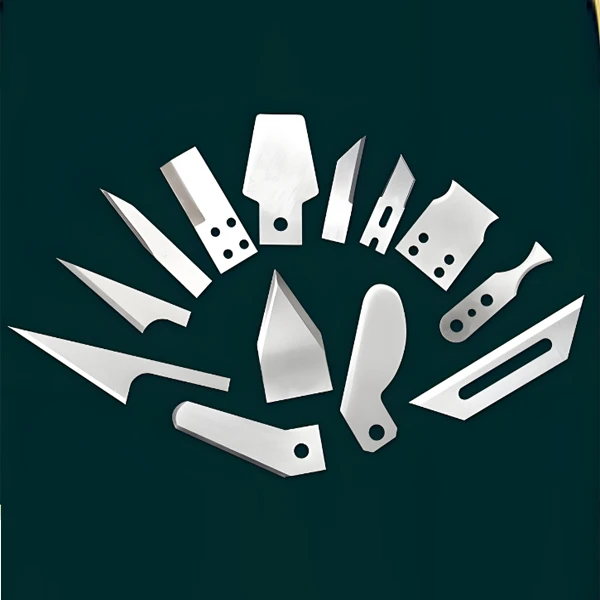
When selecting a guillotine blade, customization often becomes a big factor. Companies I've worked with demand blades tailored to specific thicknesses and materials they cut daily. It’s fascinating how minor tweaks — a different edge angle or coating — can yield significant improvements in cut quality or blade durability. Some industries, like automotive or aerospace, require tight tolerances and repeatability, which these custom blades help achieve.
Now, I won't pretend that all vendors deliver equal quality. From first-hand dealings, I've noticed clear differences in lead times, blade hardness, and pricing models. Here's a quick comparison I've put together based on several suppliers whom I’d recommend considering:
Guillotine Blade Vendor Comparison
| Vendor | Material Quality | Customization Levels | Lead Time | Price Range |
|---|---|---|---|---|
| Mech Blades | Premium high-carbon steels | Extensive (including coatings) | 2-4 weeks | Mid-High |
| Industrial Edge | Standard tool steel | Limited | 1-3 weeks | Mid |
| Cutting Solutions Inc. | Varies by order | Moderate | 4-6 weeks | Variable |
Interestingly, I once visited a mid-sized fabrication shop where they switched exclusively to customized blades from Mech Blades. The operators mentioned how the cuts became cleaner, the scrap rate dropped, and even their blade change sessions went smoother — which, frankly, I believe is the quiet magic of good tooling.
While it’s tempting to chase the cheapest blade on the market, the industrial sector always rewards those willing to invest wisely. Quality guillotine blades might feel like a small piece of the puzzle, but they influence the entire operation’s health.
So, if you’re in the market for a new guillotine blade, take a moment to consider materials, coatings, and trusted vendors. You’ll thank yourself when production runs smoother, and your maintenance crew gets a well-deserved break.
In the end, blades are like friendships in this industry: sharp, reliable, and well-maintained ones cut through challenges with ease.
References:
- “Industrial Cutting Tools Handbook,” 3rd ed., Machining press, 2019.
- Smith, J. “Metallurgy in Tooling Applications,” Journal of Manufacturing, 2021.
- Interview notes from multiple fabrication shops, 2018–2023.