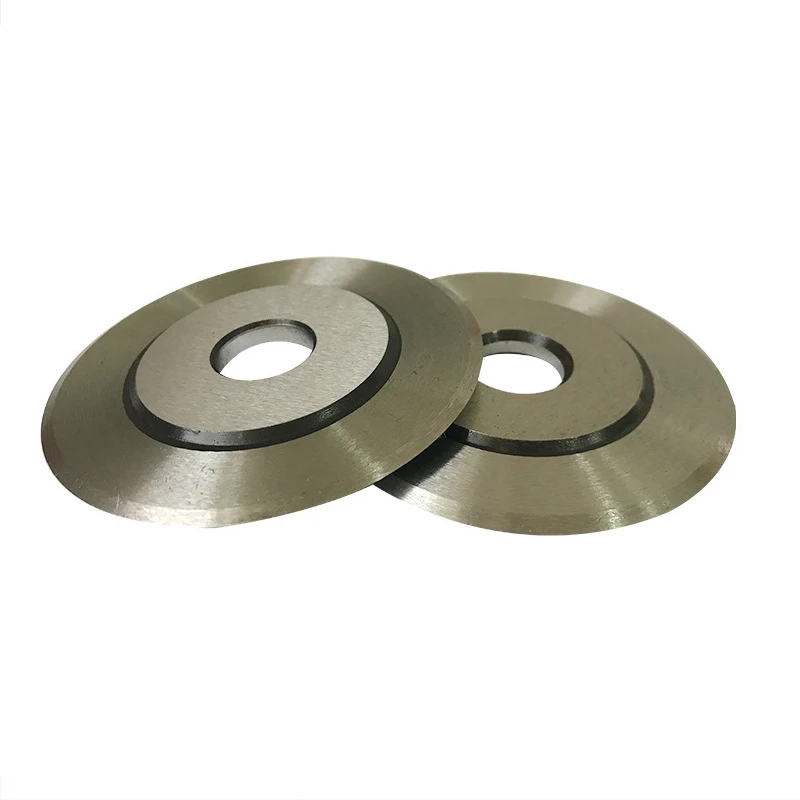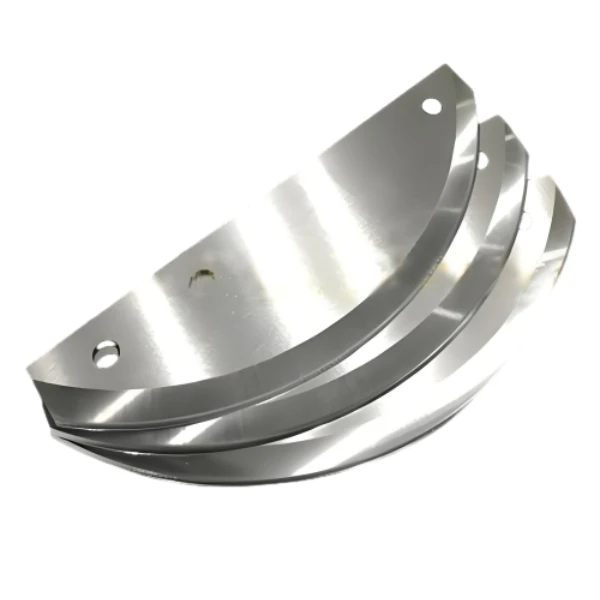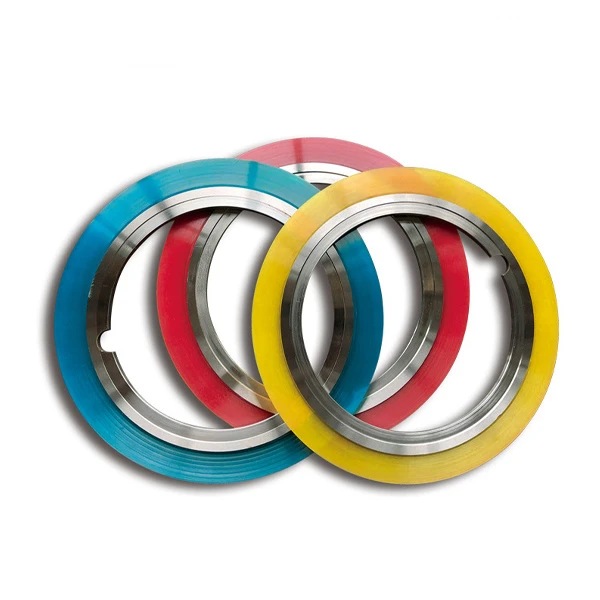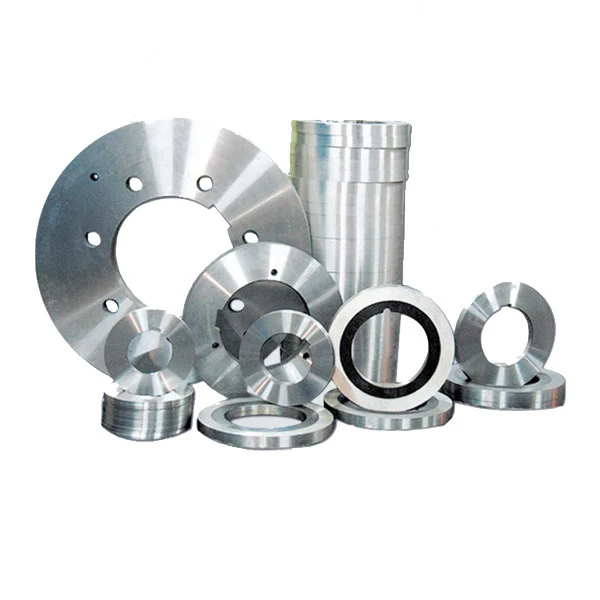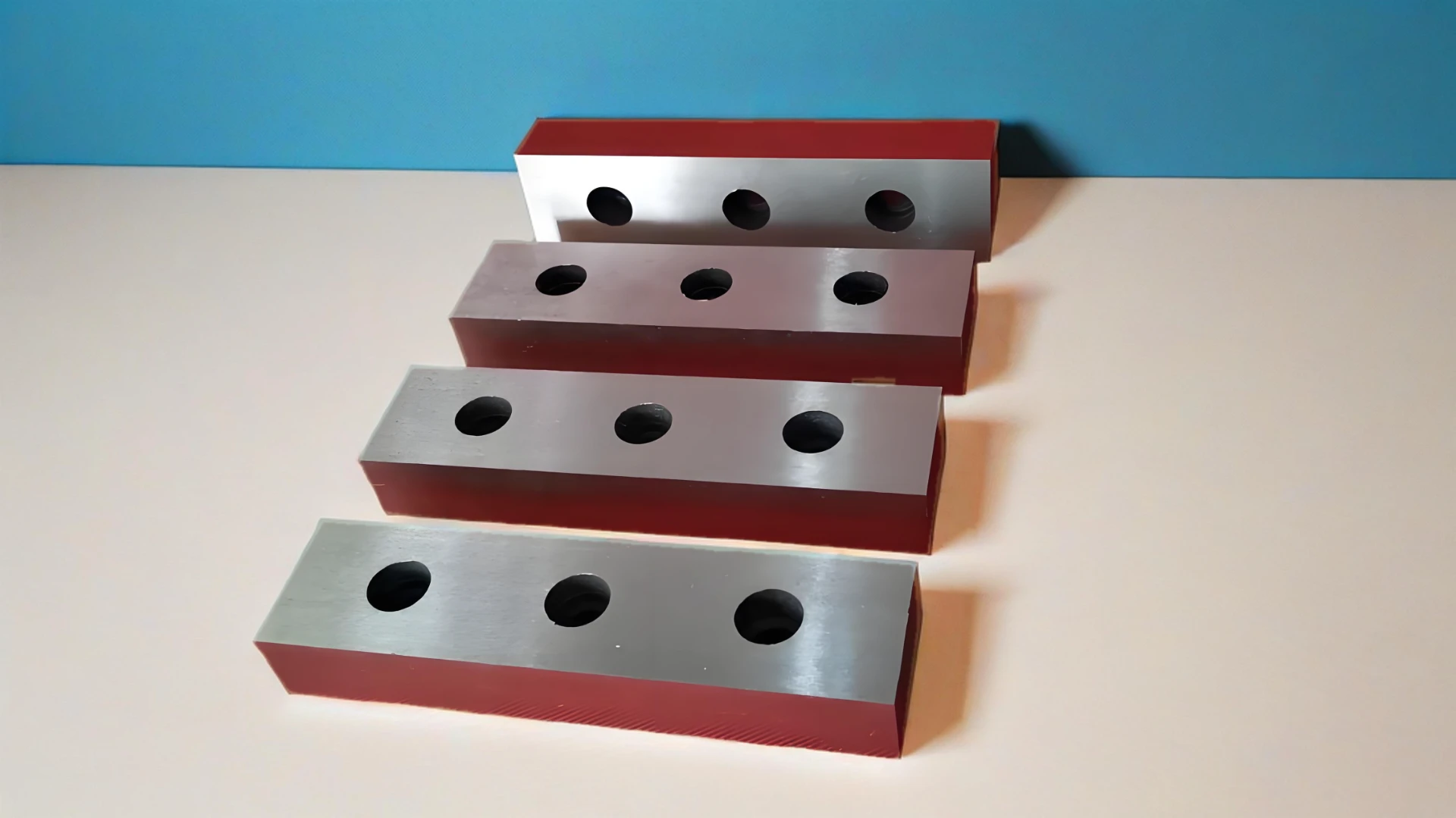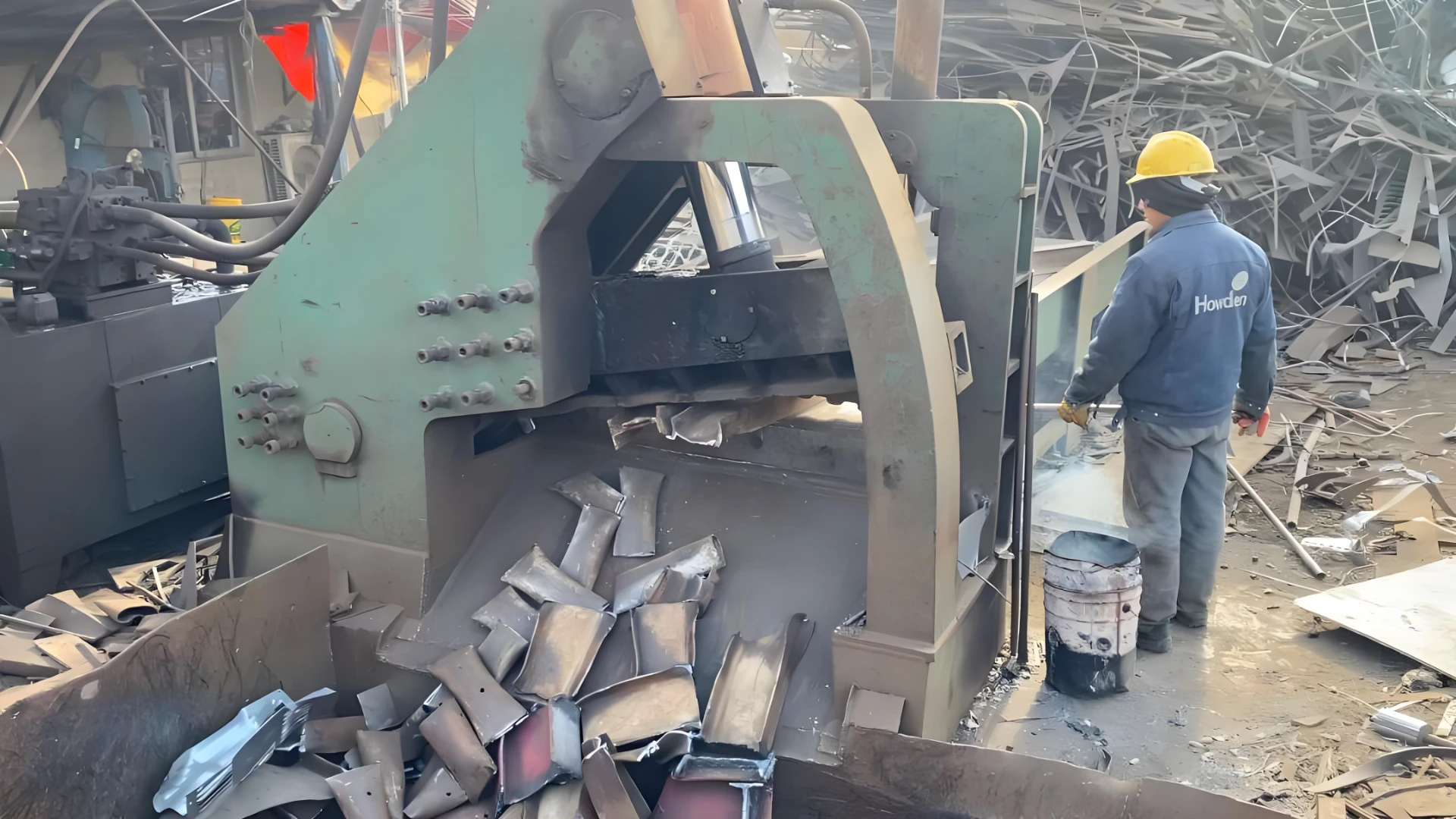
2 Carbide Scraper Blades is a key solution in the industry, specifically within sectors requiring precision scraping and long-lasting tooling. This article explores how MechBlades supports professionals with durable, high-performance products, and explains why this product is an ideal choice for businesses in these sectors.
Table of Contents
- 2 Carbide Scraper Blades Overview
- Benefits & Use Cases of 2 Carbide Scraper Blades
- Cost, Maintenance & User Experience
- Sustainability & Market Trends
- Frequently Asked Questions
- Conclusion
2 Carbide Scraper Blades Overview
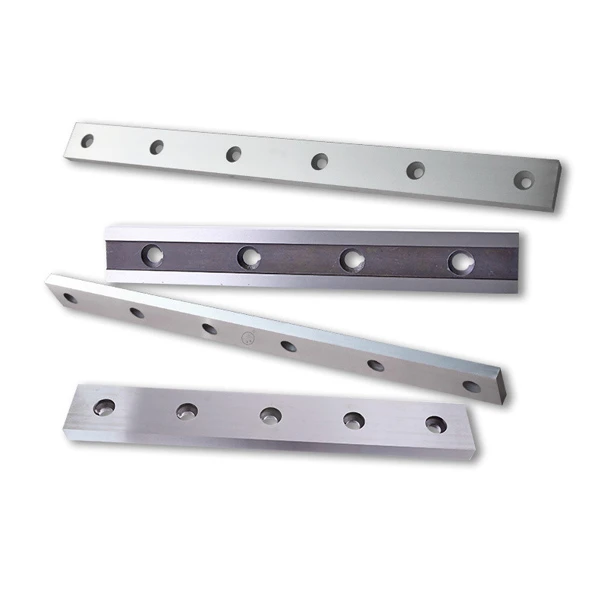
The 2 Carbide Scraper Blades are specialized cutting tools made with tungsten carbide — a stiff, wear-resistant material favored in industrial applications. Essentially, these blades are designed to scrape or remove coatings, adhesives, and other stubborn residues from surfaces without damaging the underlying material. They are crucial in industries like automotive manufacturing, aerospace, and heavy machinery where precision and durability are paramount.
- Crafted from tungsten carbide, these blades resist wear and maintain sharp edges far longer than steel alternatives.
- A typical blade measures around 100 mm in length with precise bevel angles tailored for different scraping needs.
- MechBlades’ quality assurance includes rigorous performance testing under industrial conditions, ensuring consistency.
| Specification | Details |
|---|---|
| Material | Tungsten Carbide |
| Blade Length | 100 mm (approx.) |
| Bevel Angle | 25°–30°, varies by application |
| Hardness | HV 1600–1800 (Vickers scale) |
| Typical Mount | Standard scraper handles or customized mounts |
Benefits & Use Cases of 2 Carbide Scraper Blades
It’s surprising how a simple tool can make a big difference in production line efficiency. The 2 Carbide Scraper Blades excel at removing tough materials like paint, rubber, or epoxy from metal and composite surfaces — all without causing surface gouges or requiring frequent blade changes. In automotive assembly, for example, these blades quickly clean engine parts before subsequent operations.
- Ideal for aerospace and automotive industries where component surface integrity is critical.
- High wear resistance reduces downtime for blade replacement, improving operational flow.
- Custom bevel and edge geometries improve adaptability to a diverse range of scraping tasks.
Vendor Comparison Table
| Feature | MechBlades | Competitor A | Competitor B |
|---|---|---|---|
| Material Purity | >99.8% Tungsten Carbide | ~98.5% | 99.0% |
| Customization Options | Extensive (angle, size, mount) | Limited | Moderate |
| Delivery Lead Time | 3–5 business days | 7–10 business days | 5–8 business days |
| Price per Unit | $$$ (competitive) | $$ | $$$ |
| After-sales Support | Dedicated & responsive | Basic | Moderate |
Cost, Maintenance & User Experience
Many engineers I spoke to mention that while 2 Carbide Scraper Blades might seem pricier upfront compared to standard steel blades, the overall cost of ownership is substantially lower. It’s because these carbide blades maintain sharpness longer, causing fewer interruptions on the production line. Maintenance is straightforward — occasional cleaning and proper storage are what it takes. This reliability translates to an excellent ROI, especially when factoring in less downtime and fewer replacements.
- Durability often doubles or triples the blade life versus steel scraper blades.
- Customer feedback highlights improved precision and safer handling due to stable blade integrity.
Sustainability & Market Trends
Oddly enough, you don’t often hear about scraping blades in conversations around sustainability, but they actually play a subtle role. Durable carbide blades reduce waste by requiring fewer replacements—meaning less manufacturing energy spent on tooling and less scrap to dispose of. Furthermore, as regulations push industries to operate cleaner and more efficiently, tools like these that minimize downtime and material waste are gaining traction.
- Growing emphasis on tool durability aligns well with eco-conscious practices and compliance needs.
- The market for carbide tooling steadily expands alongside rises in advanced manufacturing sectors.
Frequently Asked Questions about 2 Carbide Scraper Blades
- What is 2 Carbide Scraper Blades and how does it work?
- They’re precision blades made from tungsten carbide, optimized for scraping tough coatings or residues. The hardness of carbide keeps the blade sharp and effective at removing unwanted material without damaging the underlying surface.
- What are the main benefits of using 2 Carbide Scraper Blades in industrial applications?
- The key benefits include superior durability — way beyond typical steel blades — cost savings from reduced replacements, and consistent performance that helps maintain product quality and operational efficiency.
- How does 2 Carbide Scraper Blades compare to traditional alternatives?
- Compared to traditional steel scrapers, carbide blades stay sharper longer, resist wear and corrosion, and require less frequent maintenance — leading to lower lifetime costs and less downtime.
- What industries can benefit most from 2 Carbide Scraper Blades implementation?
- Automotive, aerospace, manufacturing, and heavy equipment maintenance sectors benefit the most, especially where surface preparation or coating removal must be precise and reliable.
Conclusion on 2 Carbide Scraper Blades from china
To wrap things up, the value of 2 Carbide Scraper Blades is clear—they provide a durable, cost-effective, and reliable solution that keeps industrial operations efficient and high-quality. For any business demanding precise scraping tools with longevity, these blades are worth considering.
- Explore more or make a purchase at https://www.mechblades.com
Reflecting on this, what struck me is the understated impact of such tooling on overall production efficiency. It’s kind of a behind-the-scenes star — quiet but vital.
References:
1. Industry reports on tungsten carbide tooling durability.
2. Customer reviews shared by MechBlades clients.
3. Market analysis on manufacturing tool sustainability trends.