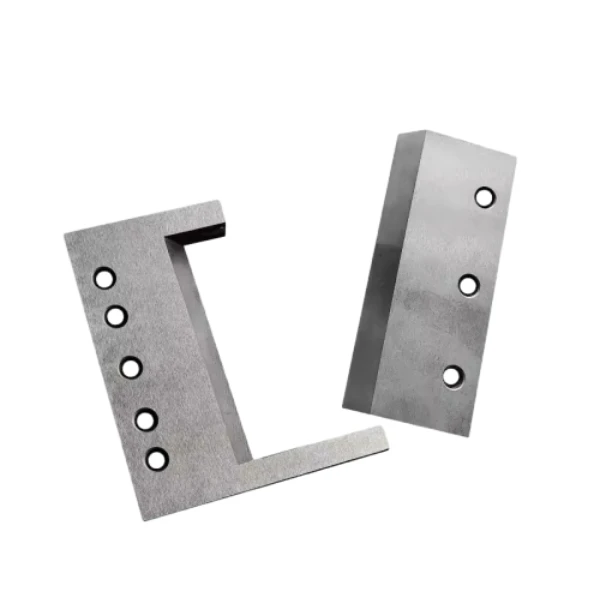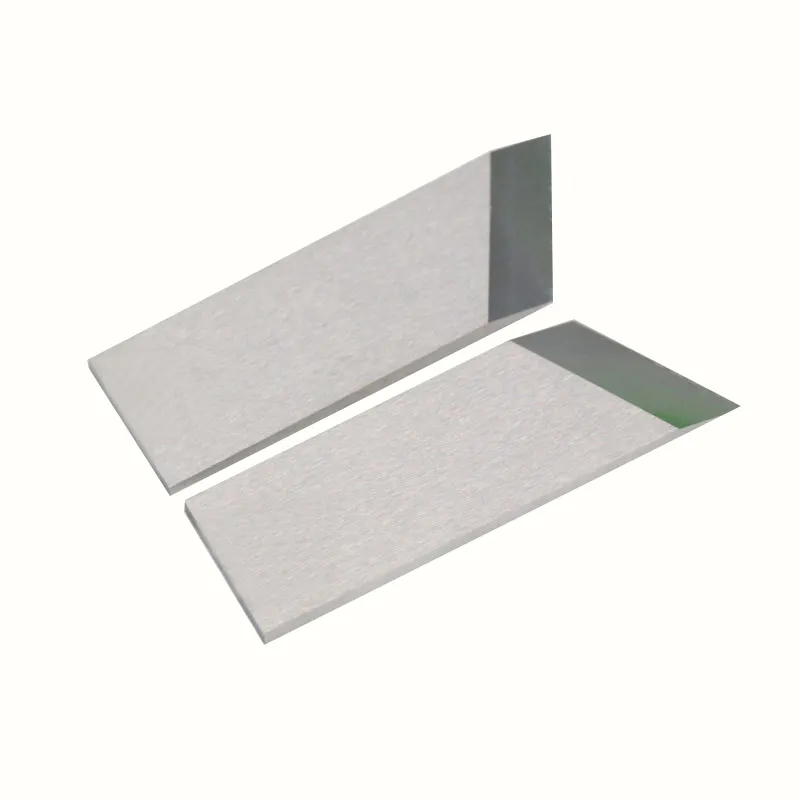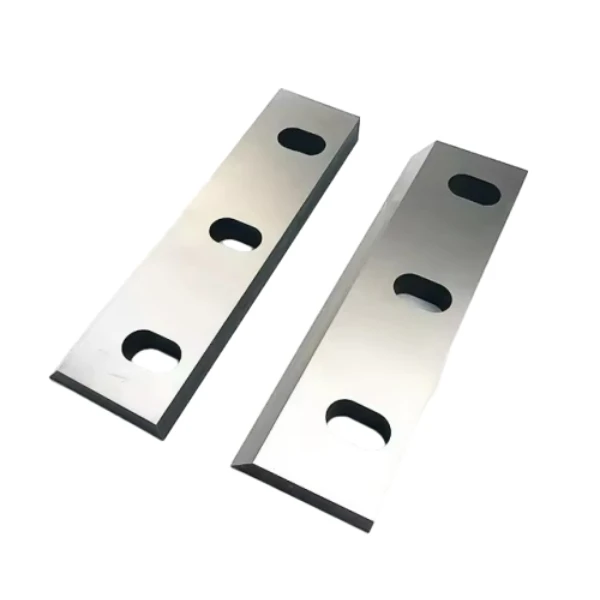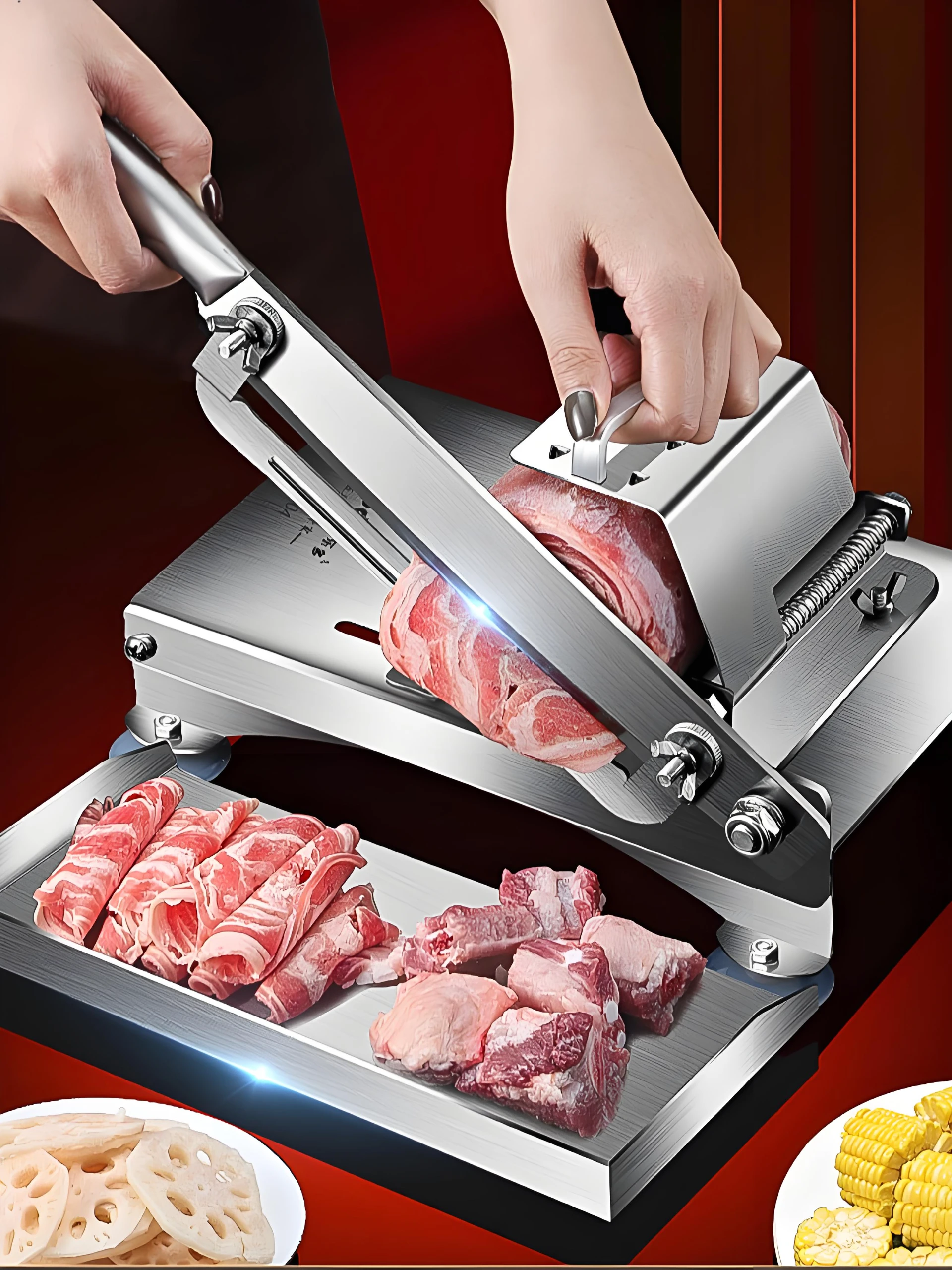
Understanding Band Saw Blades Carbide: A Global Industrial Essential
At first glance, band saw blades carbide might sound like a niche industrial term, but it’s actually a cornerstone in manufacturing and construction worldwide. These specialized blades, coated or tipped with carbide, enable cutting through tough materials with precision and durability, essentially keeping numerous industries running smoothly. Globally, the demand for high-performance cutting tools like band saw blades carbide is closely tied to infrastructure development, automotive, aerospace, and even medical sectors.
Why does this matter? Well, as global infrastructure projects speed up and materials get tougher (hello, carbon fiber and hardened steels), your standard saw blade just won’t cut it—not without carbide’s extra resilience. Understanding how carbide-tipped band saw blades operate and why they’re chosen by so many can help us appreciate a small but mighty part of industrial efficiency.
Introduction: Global and Industry Context
According to ISO standards, the global market for carbide tooling (which includes band saw blades carbide) is expected to grow steadily due to increased demand from automotive and aerospace manufacturing hubs. The World Bank estimates global steel production reaching 2 billion metric tons annually, and cutting tools must keep pace.
That’s not just a number — it reflects a challenge many manufacturers face: how to cut harder, faster, and longer without the blade dulling or failing. Band saw blades carbide address this exact challenge by extending tool life and improving cut quality, minimizing downtime across industries.
What Are Band Saw Blades Carbide?
Simply put, these are band saw blades whose teeth (or facing) are embedded or coated with tungsten carbide—a super hard chemical compound. This composition allows the blade to slice through metals, wood, composites, and plastics with minimal wear.
In many modern applications—from building aircraft frames to making surgical instruments—precision and blade longevity can't be compromised. Carbide-tipped blades are thus essential tools that bridge the gap between raw material toughness and precise manufacturing needs.
Key Factors of Band Saw Blades Carbide
1. Durability
The hallmark of band saw blades carbide is their extraordinary wear resistance. Tungsten carbide teeth resist abrasion and maintain sharpness far longer than standard steel blades, reducing replacement frequency.
2. Cutting Speed & Efficiency
Thanks to carbide's hardness, blades can run at higher speeds, improving throughput in production lines. Interestingly, many engineers note that carbide blades not only speed up cutting but also produce cleaner edges, saving time in post-process finishing.
3. Material Versatility
Whether slicing stainless steel, aluminum, or hardwood, carbide blades perform reliably. This versatility makes them a preferred choice for industries ranging from furniture manufacturing to shipbuilding.
4. Cost Efficiency
While more expensive upfront, the longevity and reduced downtime associated with carbide blades often lead to overall cost savings in the long run.
5. Heat Resistance
Cutting at high speeds generates heat, which can degrade normal blades quickly. Carbide’s excellent thermal stability ensures consistent performance under tough operating conditions.
Global Applications & Use Cases
Band saw blades carbide play roles in diverse scenarios worldwide. In Germany’s precision tool industry, these blades enable fine component cutting for engineering machines. In South American forestry, carbide tipped blades efficiently process dense hardwoods.
Oddly enough, in post-disaster reconstruction zones—say after an earthquake—reliable cutting tools accelerate rebuilding efforts by allowing quick resizing of salvaged structural elements. NGOs and industrial suppliers alike rely on carbide blades for such durability and consistency.
More broadly, in the blistering expanse of remote mining operations in Australia or Canada, band saw blades carbide are vital for equipment upkeep, where tool failure means costly delays.
Advantages & Long-Term Value
- Reduced Operational Costs: Longer blade life means fewer replacements.
- Sustainability: By minimizing scrap due to precise cuts, waste is reduced.
- Safety & Reliability: Sharp carbide teeth decrease accidental binding and breakage.
- Innovation & Trust: Users often find carbide blades backbone tools in cutting-edge manufacturing.
There’s an emotional aspect too—even in technical fields, confidence in your tools boosts morale and focus on quality rather than fixing breakdowns.
Product Specifications - Sample Band Saw Blades Carbide
| Specification | Value |
|---|---|
| Material | High-Speed Steel with Tungsten Carbide Teeth |
| Tooth Pitch | 6 - 14 TPI (Teeth per Inch) |
| Blade Width | 6 mm – 41 mm |
| Cutting Speed | Up to 80 m/min |
| Recommended Applications | Metalwork, Woodworking, Composites |
Vendor Comparison: Leading Band Saw Blades Carbide Suppliers
| Feature | MechBlades | CutEdge Pro | CarbiCut Solutions |
|---|---|---|---|
| Blade Life (hours) | 150+ | 120+ | 140+ |
| Warranty | 2 years | 1 year | 3 years |
| Recommended for | Heavy Metal Cutting | General Purpose | Wood & Composite |
| Price Range | $$$ | $$ | $$$ |
Future Trends & Innovations
The band saw blades carbide frontier is evolving with innovations like band saw blades carbide embedded with nano-carbide particles that promise even better hardness and heat dissipation. Automation in manufacturing means blades can now have embedded sensors to monitor wear in real-time, linking tool management directly with production analytics.
Sustainability is also shaping future materials — research into eco-friendlier carbide production methods is underway, potentially reducing environmental impact while maintaining performance.
Challenges & Solutions
Despite their advantages, carbide blades can be brittle and more expensive upfront. In addition, improper handling or incorrect blade choice can lead to premature wear or breakage. Proper training and blade selection strategies are critical to maximizing blade life.
Companies are addressing these challenges by providing more detailed guidance, customized blades for specific tasks, and advancing blade coatings that improve toughness without sacrificing hardness.
FAQs About Band Saw Blades Carbide
Q: How do carbide band saw blades compare to traditional steel blades in longevity?
A: Carbide blades usually last 3-5 times longer than steel blades due to their harder cutting edges that resist wear and heat better.
Q: Can carbide band saw blades cut through exotic materials like titanium?
A: Yes, many carbide blades are designed for cutting tough metals including titanium, ensuring precise, clean cuts without rapid dulling.
Q: Is the higher cost of carbide blades worth it?
A: Generally, yes. Higher durability and cutting speed often save money over time despite the initial price difference.
Q: How should I maintain my band saw blades carbide?
A: Regular cleaning, proper tensioning, and using correct cutting speeds tailored to the material will extend blade life significantly.
Q: Are there eco-friendly options available in carbide blades?
A: Emerging technologies focus on sustainable carbide production and recycling options, reflecting the growing demand for greener tooling.
Conclusion & Call to Action
In real terms, band saw blades carbide represent a perfect blend of toughness, precision, and efficiency—qualities increasingly vital in our fast-paced manufacturing world. Choosing the right carbide band saw blade isn’t just about cutting materials; it’s about cutting costs, time, and environmental impact without compromise.
Interested in exploring reliable, high-performance carbide blades for your operations? Visit our website at MechBlades.com to discover our broad range of band saw blades carbide and expert guidance tailored to your needs.
Quick takeaway: Invest in quality carbide blades and watch your operations slice smoothly and efficiently.