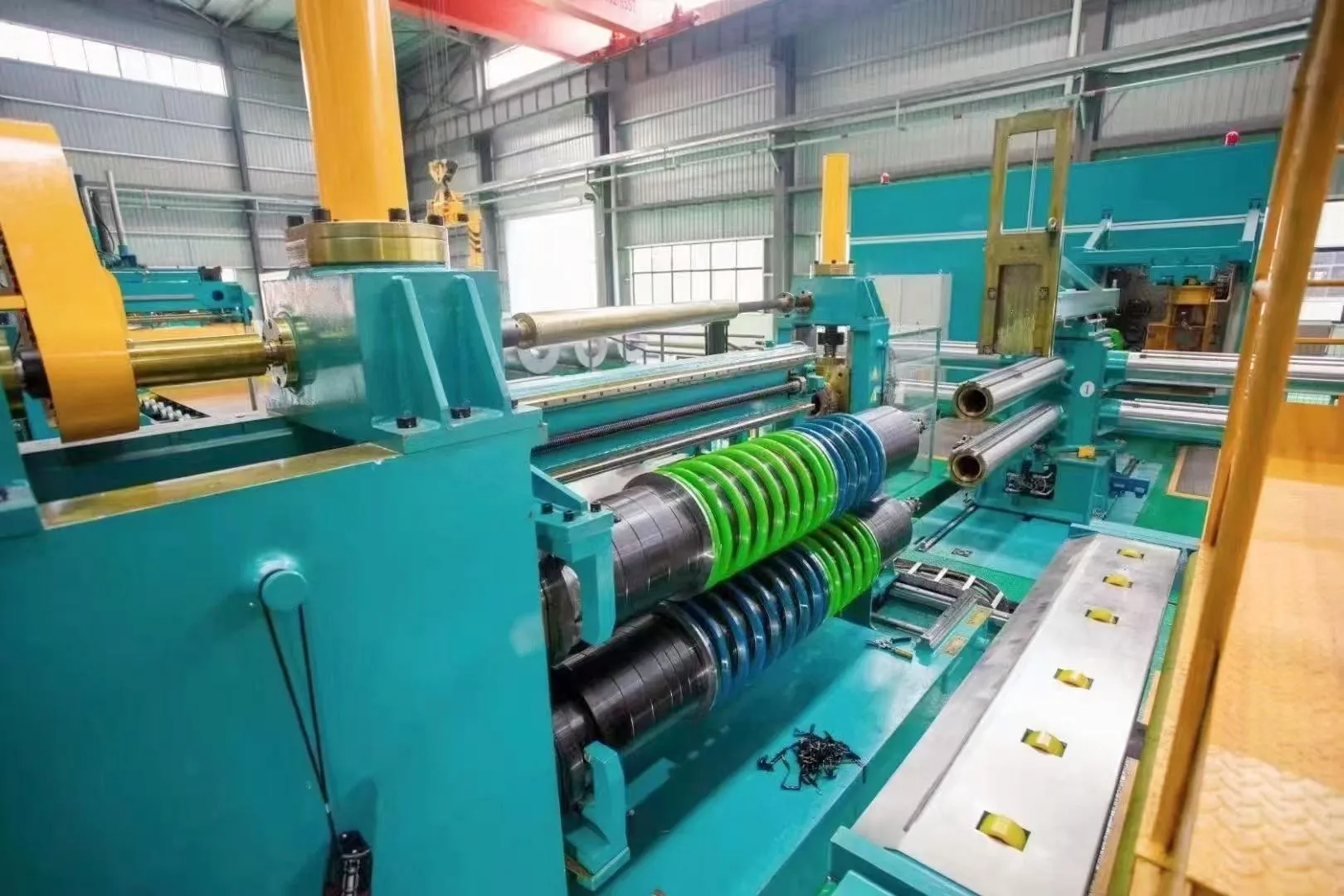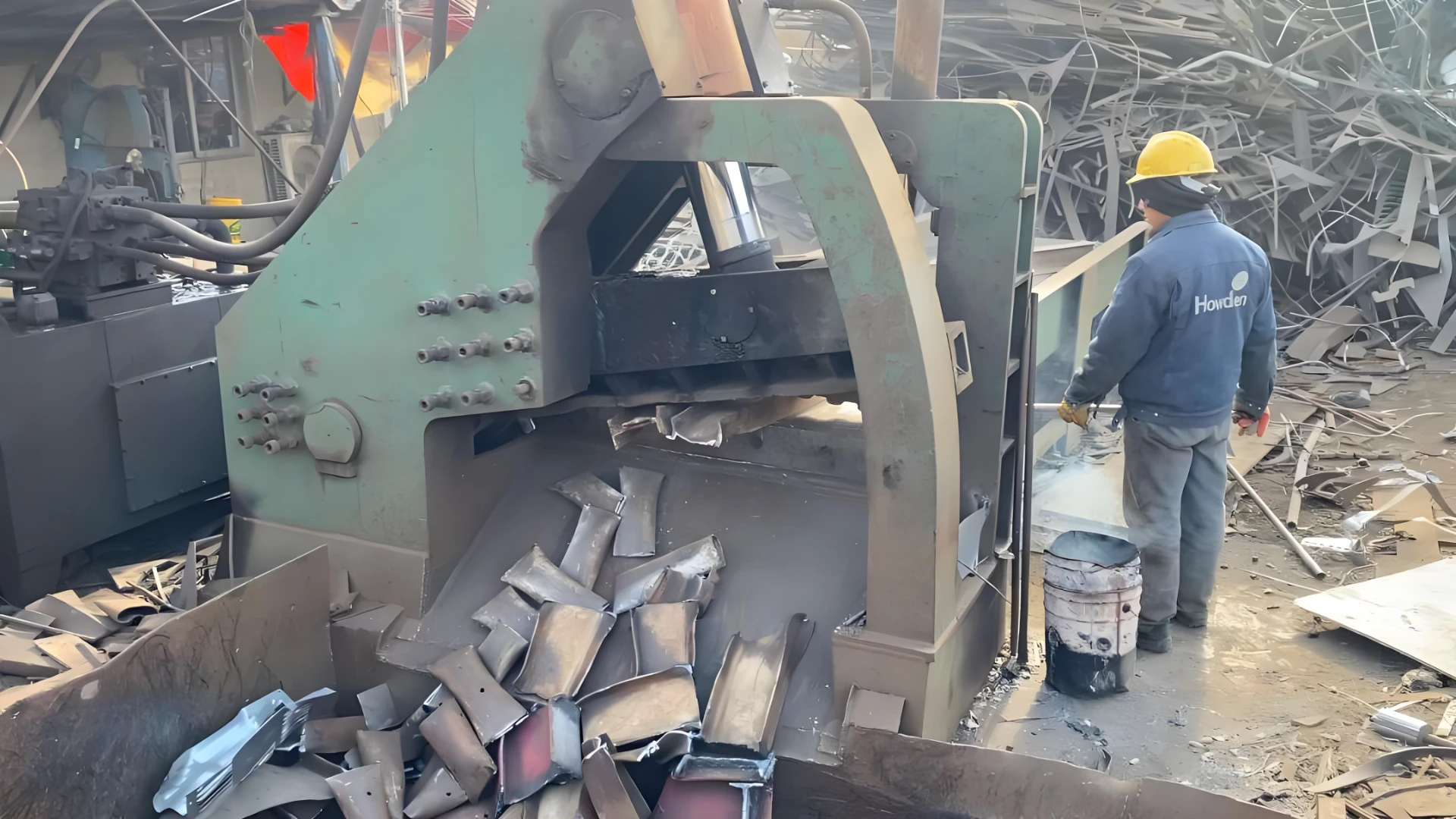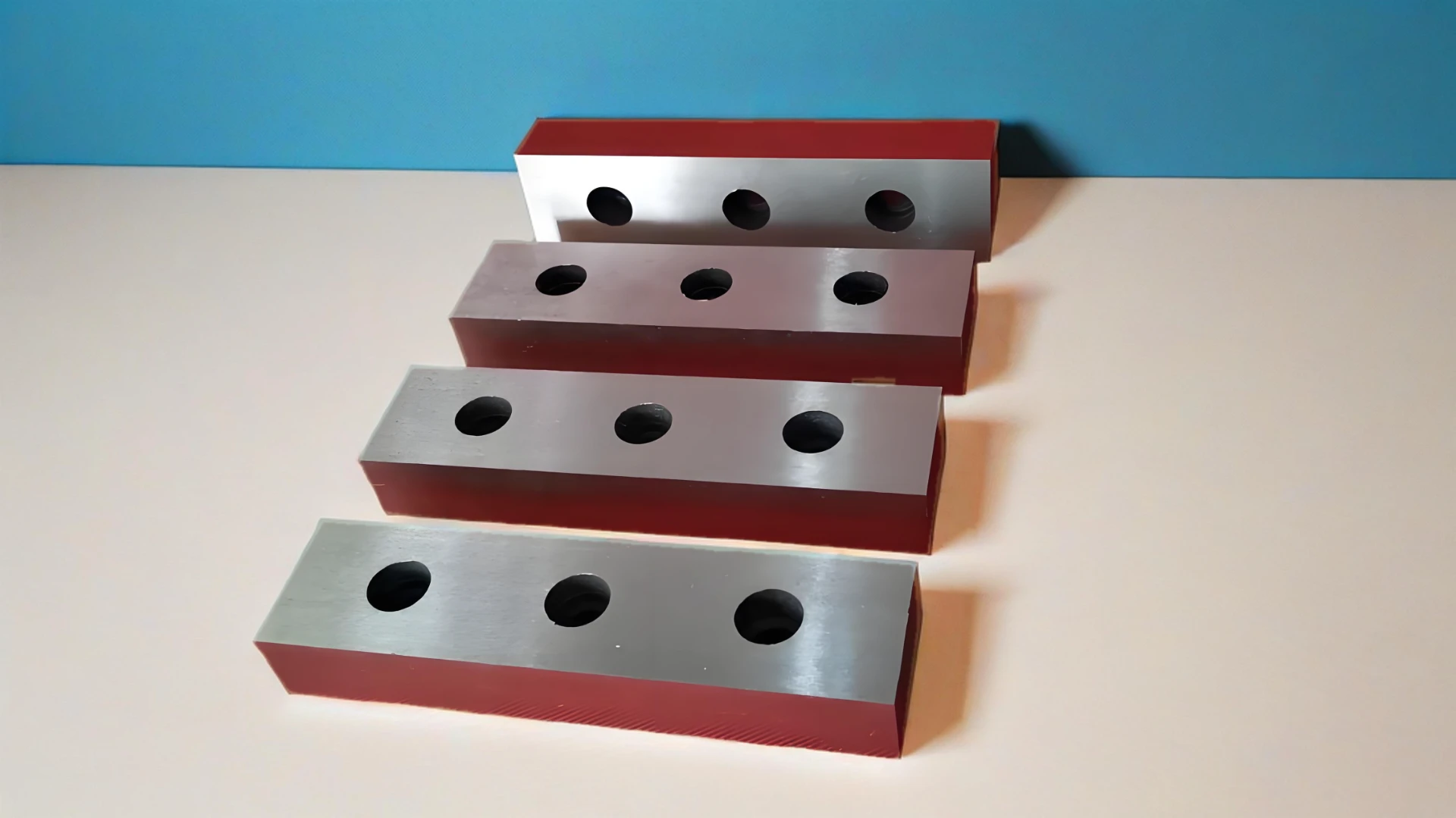
Carbide Tipped Bandsaw Blades For Wood is a key solution in the industry, specifically within the woodworking and manufacturing sectors. This article explores how https://www.mechblades.com supports professionals with durable, high-performance products, and explains why this product is an ideal choice for businesses in these sectors.
Table of Contents
- Carbide Tipped Bandsaw Blades For Wood Overview
- Benefits & Use Cases of Carbide Tipped Bandsaw Blades For Wood
- Cost, Maintenance & User Experience
- Sustainability & Market Trends
Carbide Tipped Bandsaw Blades For Wood Overview
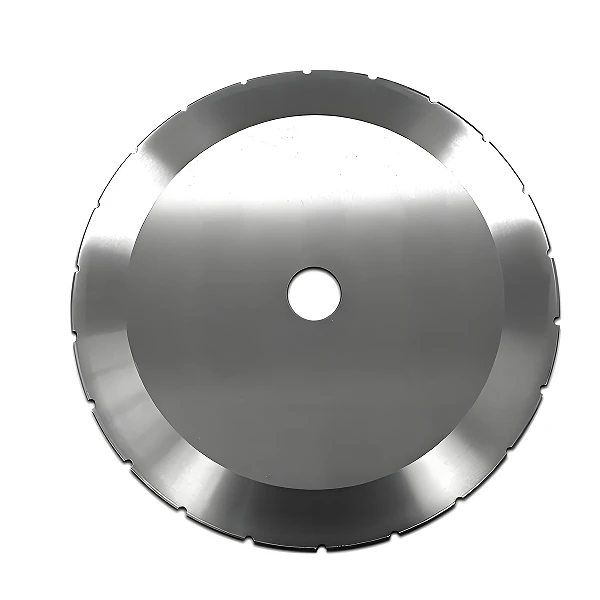
When you first hear “Carbide Tipped Bandsaw Blades For Wood,” you might picture just another saw blade, but these are quite special—and frankly, a little bit of game changers in woodworking and sawmills. Unlike typical steel blades, these are embedded with small but incredibly hard carbide tips. This gives them a sharpness and durability that lasts much longer, even under the stress of cutting tough wood varieties day in, day out.
Technically, these blades usually couple a flexible steel backing with tungsten carbide teeth that are brazed or welded onto the edge. The result? A blade that can maintain sharpness longer and resist heat and wear better than high-speed steel alternatives. In practical terms, this means less downtime switching blades and more consistent cuts across large production runs.
You know, one client of MechBlades saw their production efficiency increase by over 15% simply by upgrading to carbide tipped blades — which is a solid testimony to their impact on industrial workflows.
| Specification | Details |
|---|---|
| Blade Width | 1/2" to 1-1/2" |
| Tooth Pitch | 4 to 14 TPI (Teeth Per Inch) |
| Material Backing | High Carbon or Bi-Metal Steel |
| Carbide Tip Material | Tungsten Carbide (Grade YG6/12 or similar) |
| Heat Resistance | Up to 900°C (1650°F) |
| Recommended Uses | Hardwoods, softwoods, composite materials |
Benefits & Use Cases of Carbide Tipped Bandsaw Blades For Wood
What really sets Carbide Tipped Bandsaw Blades For Wood apart? Frankly, it’s their longevity and precision. Industries from furniture manufacturing to lumber processing rely on these blades to handle everything from rough cuts to fine finishing. Because carbide is far more wear-resistant than regular steel, these blades hold their edge a lot longer—even when cutting abrasive or resin-rich woods.
If you’re processing tropical hardwoods or engineered woods, these blades reduce the need for frequent changes. That’s a direct productivity boost. Plus, fewer blade swaps mean less machine downtime — something every plant manager appreciates. The improved cut quality also means less sanding or finishing after the fact.
Features like vibration reduction and heat dissipation are often built into MechBlades’ products as well, which helps with smoother operation. Many businesses report cleaner cuts and less splintering, which aligns with their quality control goals.
Cost, Maintenance & User Experience
Of course, carbide tips come with higher upfront costs compared to plain steel blades. But here’s the kicker: the total cost of ownership often tips in favor of carbide because they last up to 5-10 times longer. So businesses see a tangible return on investment — especially when factoring in less machine downtime, reduced maintenance, and fewer replacements.
Maintenance is generally straightforward: keep blades clean, properly tensioned, and avoid overheating. Many users from sawmill operations have shared that switching to carbide tipped blades lowered their maintenance calls and improved overall uptime.
Plus, from a user standpoint, the blades tend to run cooler and produce less burr and dust, which makes the operator’s environment that little bit better. I suppose small benefits like these add up in the long haul, especially when many teams run 24/7 shifts.
Sustainability & Market Trends
Sustainability is now more than just a buzzword—it’s a market driver, and Carbide Tipped Bandsaw Blades For Wood fit well into this picture. By lasting longer and reducing waste, they help woodworking businesses minimize their resource consumption and environmental footprint. Less frequent blade disposal means less landfill waste, something companies are increasingly mindful about.
Even regulatory bodies are pushing for increased efficiency and less pollution in manufacturing processes, which turns out to be a natural advantage for carbide tipped tools. Oddly enough, investing in better tooling here can improve sustainability scores without compromising output.
Market forecasts indicate steady growth in demand for these blades, particularly in Asia-Pacific and North American markets, as industrial woodworking scales up production and modernizes machinery. It’s a trend that’s worth watching closely if you’re in B2B procurement.
| Vendor | Product Quality | Price Range | Lead Time (days) | Customer Support |
|---|---|---|---|---|
| MechBlades | High (Premium carbide grades) | $$$ | 7-14 | Excellent, technical support included |
| Vendor B | Medium (Standard carbide) | $$ | 10-20 | Moderate |
| Vendor C | Variable (Mixed reviews) | $ | 15-30 | Limited |
Frequently Asked Questions about Carbide Tipped Bandsaw Blades For Wood
- What is Carbide Tipped Bandsaw Blades For Wood and how does it work?
- They’re bandsaw blades fitted with tungsten carbide teeth tips that enhance cutting edge durability. The carbide withstands wear and heat much better than traditional steel, making the blades ideal for heavy-duty wood cutting tasks.
- What are the main benefits of using Carbide Tipped Bandsaw Blades For Wood in industrial applications?
- Advantages include longer blade life, fewer changes, smoother cuts, and reduced downtime, all of which improve overall production efficiency and reduce operating costs.
- How does Carbide Tipped Bandsaw Blades For Wood compare to traditional alternatives?
- Compared to normal steel blades, carbide tipped versions hold their edge much longer and resist heat damage. Though pricier upfront, they offer better ROI due to durability and consistent performance.
- What industries can benefit most from Carbide Tipped Bandsaw Blades For Wood implementation?
- Sawmills, furniture makers, cabinetry, and manufacturers of engineered wood products all find these blades invaluable for improving throughput and cut quality.
Conclusion on Carbide Tipped Bandsaw Blades For Wood from china
To sum it up, investing in Carbide Tipped Bandsaw Blades For Wood is a smart move for any B2B operation focused on wood processing. The combination of longevity, cutting precision, and reduced interruptions means businesses can lean into efficiency gains and cost savings. Don’t just take my word for it — the data and customer feedback back this up solidly. If you’re in the market, checking out options at https://www.mechblades.com is a good first step.
In real terms, making the switch often feels like upgrading from good to great in your wood cutting operations.
- MechBlades client case study data, internal reports 2023.
- Industry standards for carbide tooling, Tooling Institute Handbook, 2022.
- Market analysis report, Woodworking Trends Quarterly, Q1 2024.