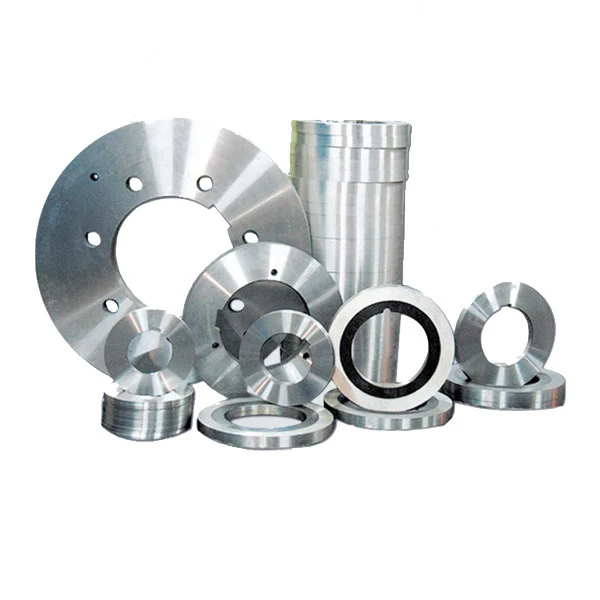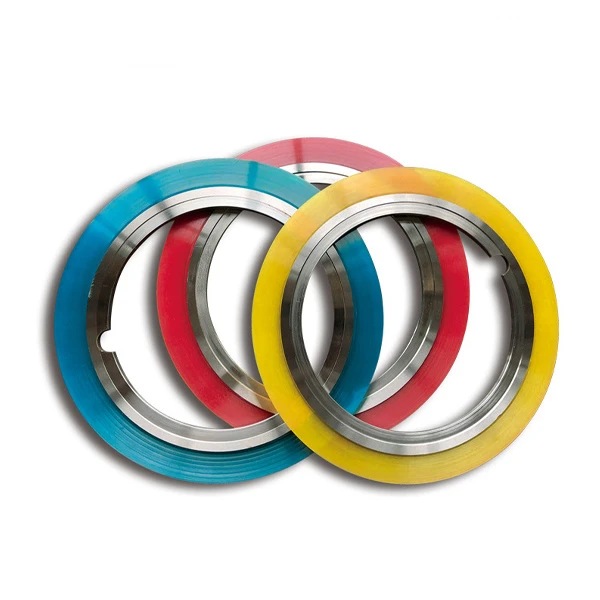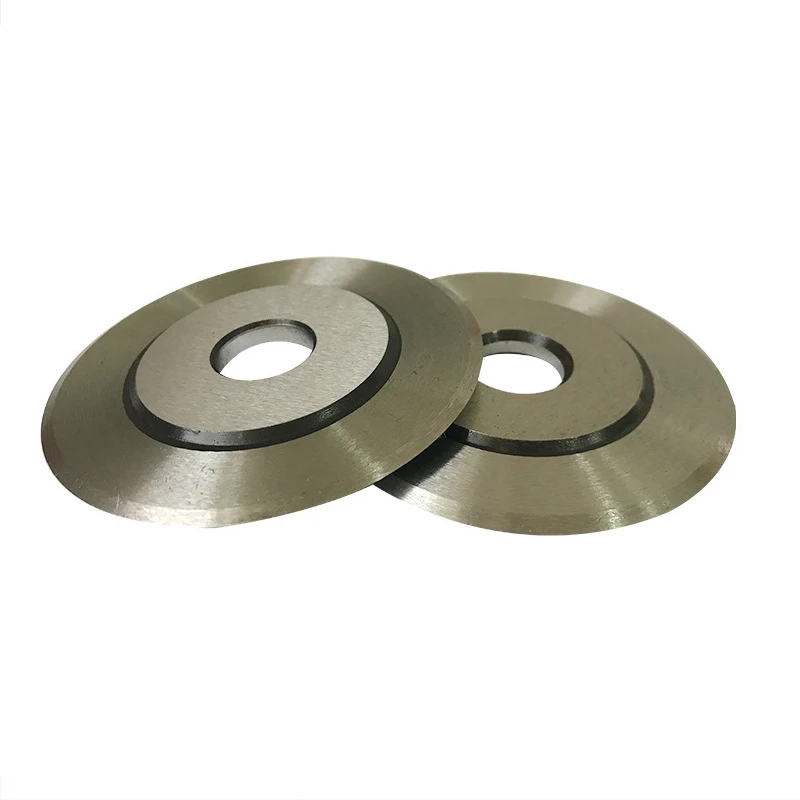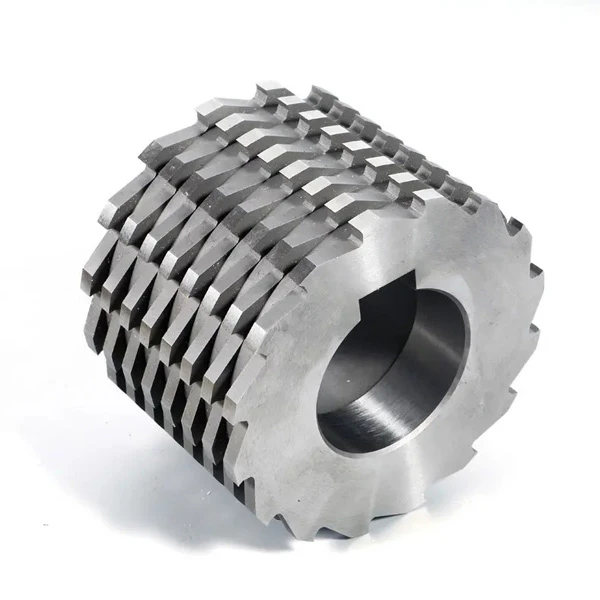
Carbide Utility Blades is a key solution in the industry, specifically within manufacturing, packaging, and construction sectors. This article explores how https://www.mechblades.com supports professionals with durable, high-performance products, and explains why this product is an ideal choice for businesses in these sectors.
Table of Contents
- Carbide Utility Blades Overview
- Benefits & Use Cases of Carbide Utility Blades
- Cost, Maintenance & User Experience
- Sustainability & Market Trends
Carbide Utility Blades Overview
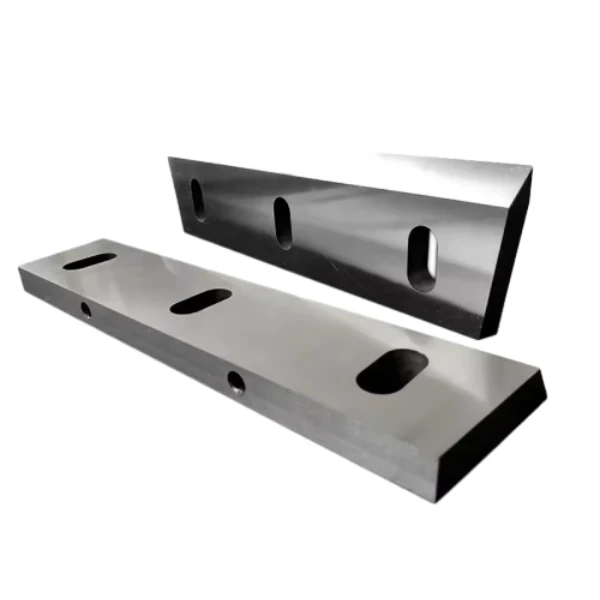
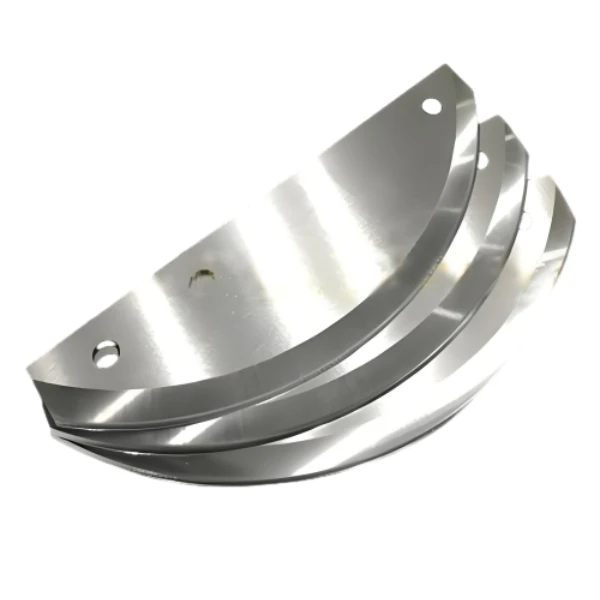
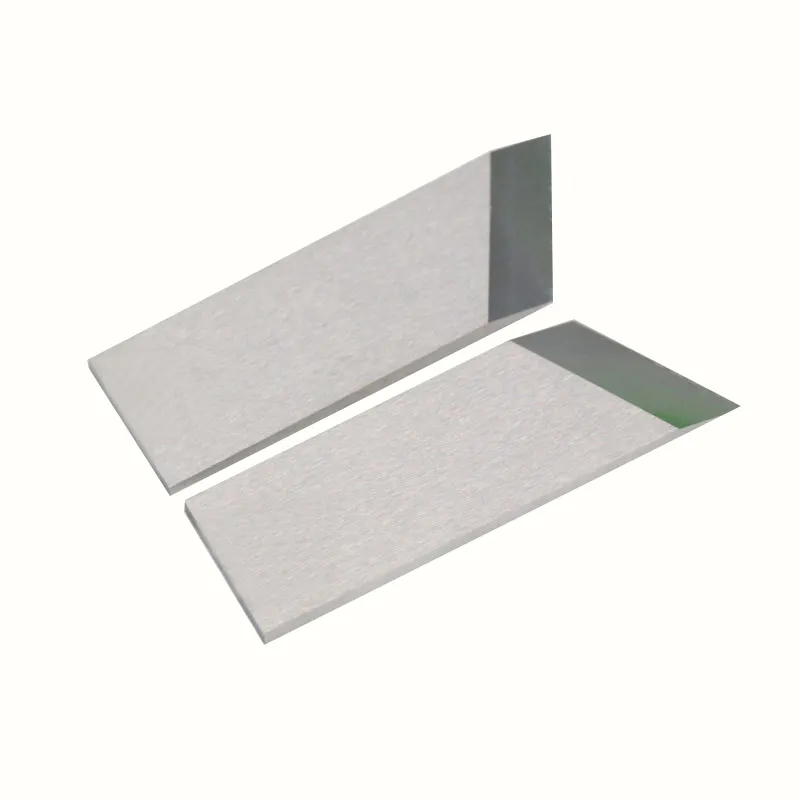
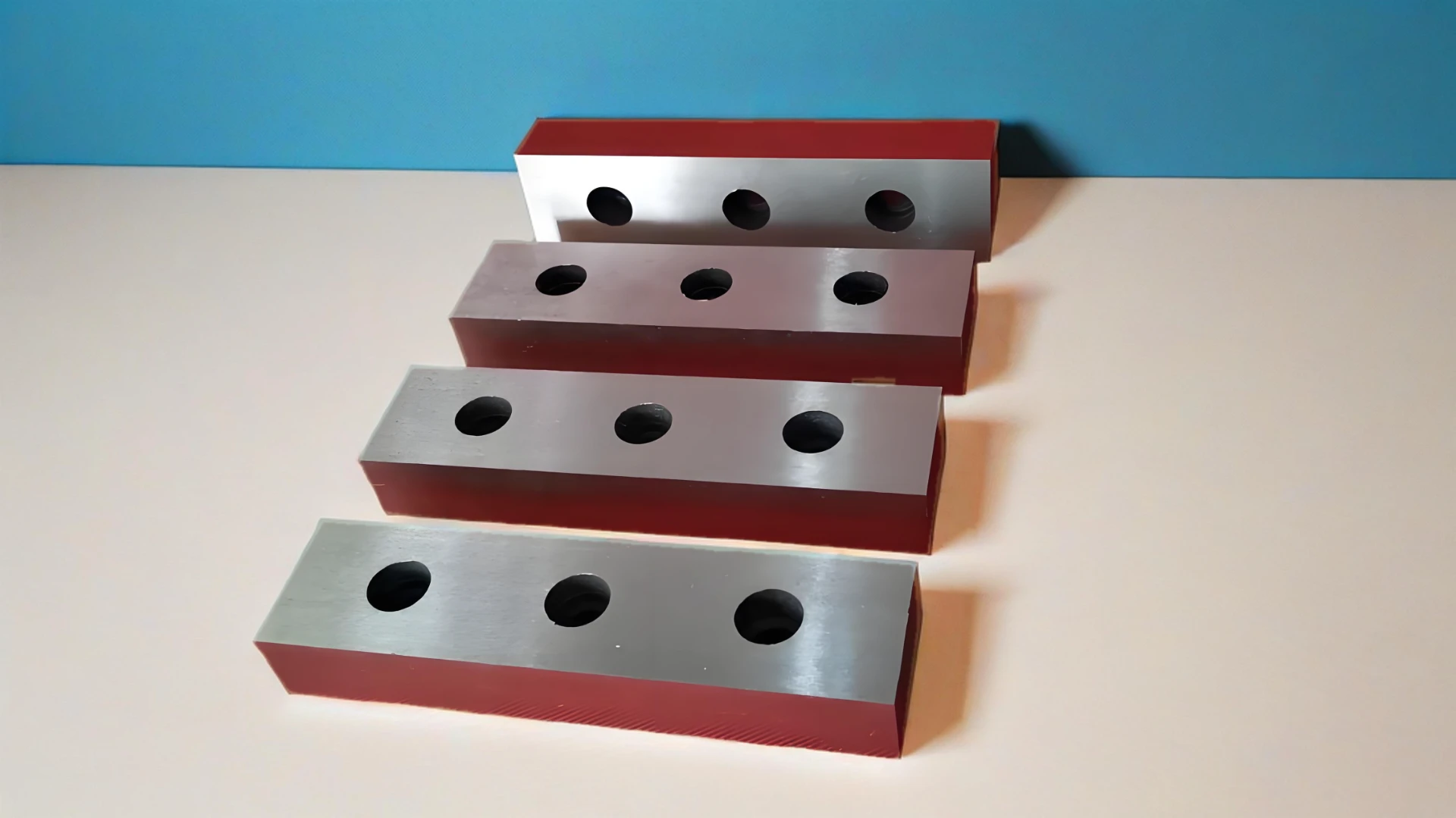
At its core, Carbide Utility Blades are precision-engineered cutting tools made from tungsten carbide, a material known for remarkable hardness and durability. These blades are designed to outperform traditional steel blades, especially in demanding industrial environments where longevity and sharpness mean everything. You could say they’re the unsung heroes in factories and workshops that rely on clean, consistent cuts for productivity.
The technical specs often include micro-grain carbide composition for enhanced toughness, edge geometries optimized for various materials, and corrosion-resistant coatings. For example, Mech Blades offers blades with thicknesses ranging from 0.6mm to 1.2mm, edge radii down to 2 microns, and operating temperatures up to 800°C. A case in point is a packaging firm that switched to carbide blades and reported a 40% increase in blade life, drastically reducing downtime – quite significant, I must say.
| Specification | Details |
|---|---|
| Material | Tungsten Carbide (Micro-Grain) |
| Blade Thickness | 0.6mm - 1.2mm |
| Edge Radius | ~2 Microns |
| Operating Temperature | Up to 800°C |
| Coating | Anti-corrosion, optional TiN |
Benefits & Use Cases of Carbide Utility Blades
Industries like automotive, packaging, and aerospace often face tough material cutting challenges — and carbide blades fit nicely into these puzzles. Oddly enough, despite their industrial focus, they have quite a wide range of uses — from slicing through tough composites to cleanly trimming plastics and textiles. It’s that versatility that makes carbide blades a favourite among engineers and operators alike.
What sets these blades apart? Primarily their longevity and edge retention. When compared to stainless steel or carbon steel blades, carbide utility blades keep their sharpness way longer under heavy use. This translates to fewer blade swaps, less operational downtime, and significant cost savings in high-volume environments.
Additionally, Mech Blades specifically engineers their utility blades with micro-serrated edges for improved grip on slippery materials and customizable sizes for bespoke machinery. Competitive advantages also include resistance to chipping and the ability to maintain performance under extreme heat or chemical exposure — which, frankly, not every blade can claim.
Cost, Maintenance & User Experience
At first glance, carbide blades may seem like a premium investment. And yeah, their upfront cost is higher than general-purpose steel blades. But, in real terms, the total cost of ownership tends to be lower. Since these blades need less frequent replacement and reduce machine downtime, they provide a faster return on investment. For companies juggling deadlines and operational costs, that’s a big deal.
Users often comment on the smooth experience these blades provide. I’ve heard from industry professionals that the cuts feel cleaner, less forceful, and far more predictable. Plus, the maintenance is straightforward — occasional cleaning and checking for edge wear, rather than constant blade swaps. One packaging client in Europe mentioned how blade failures, which used to slow their lines weekly, have almost vanished since switching to carbide utility blades.
| Vendor | Price Range (per 100 blades) | Blade Life (Cuts) | Coating Option |
|---|---|---|---|
| Mech Blades | $350 - $400 | Up to 20,000 | Yes (TiN optional) |
| Competitor A | $320 - $370 | ~15,000 | No |
| Competitor B | $300 - $350 | ~12,000 | Yes (PVD) |
Sustainability & Market Trends
Sustainability is no longer just a buzzword—it's becoming a must-have criteria across industries. Carbide utility blades, due to their long lifespan, reduce waste significantly compared to disposable steel blades. Less frequent blade replacement means fewer raw materials consumed and less landfill disposal. This aspect is especially appealing in manufacturing hubs striving to meet strict regulatory requirements on waste and hazardous material handling.
Market trends also point towards increasing adoption of carbide blades fueled by rising demand in automation and precision manufacturing sectors. Regulations in Europe and North America urge companies to adopt more sustainable tools, and carbide blades fit in nicely here. Essentially, investing in these blades is not only a practical decision but an environmentally responsible one, aligning with corporate social responsibility goals.
Frequently Asked Questions about Carbide Utility Blades
- What is Carbide Utility Blades and how does it work?
- Carbide Utility Blades are cutting tools made from tungsten carbide—a very hard, wear-resistant material. They work by maintaining an extremely sharp edge for longer times, allowing precise cutting of tough materials with less frequent blade replacement.
- What are the main benefits of using Carbide Utility Blades in industrial applications?
- The main benefits include much longer blade life, reduced operational downtime, cleaner cuts, and less material waste. Their robustness also makes them suitable for use under extreme conditions where traditional blades fail.
- How does Carbide Utility Blades compare to traditional alternatives?
- Compared to steel blades, carbide blades last significantly longer, resist corrosion better, and offer superior edge retention. Though pricier upfront, their longer service life and performance make them more cost-effective overall.
- What industries can benefit most from Carbide Utility Blades implementation?
- Industries dealing with heavy-duty cutting like automotive manufacturing, aerospace, packaging, and textiles find Carbide Utility Blades especially valuable because of their durability and precision.
Conclusion on Carbide Utility Blades from china
To sum it up, Carbide Utility Blades represent a smart, sustainable investment for B2B decision makers looking to optimize cutting operations. Their unbeatable durability, precision, and improved ROI are hard to overlook. For anyone still relying on traditional blades, it feels like moving to carbide is almost inevitable if efficiency and cost saving matter. Curious? Visit our website: https://www.mechblades.com.
Reflection: In my experience, the shift to carbide utility blades isn’t just about tech—it's about how a small change in tools leads to big leaps in productivity and sustainability. Which, honestly, is something every industrialist can appreciate.
- Industrial Materials Handbook, 2022 Edition
- Mech Blades Customer Case Studies, 2023
- Global Cutting Tool Market Report, 2024