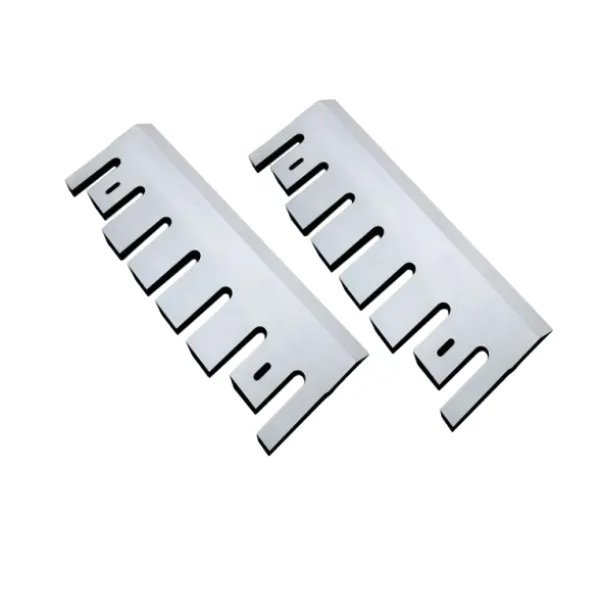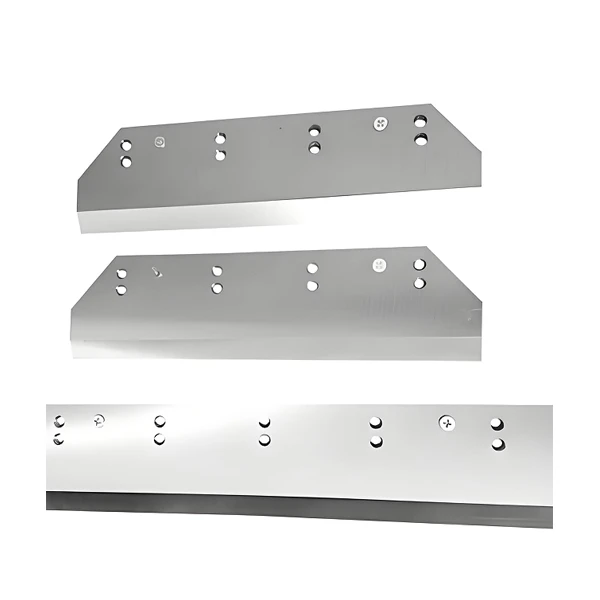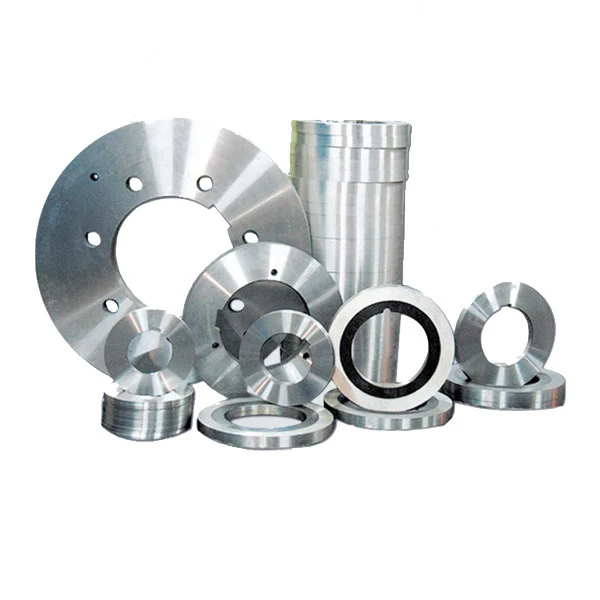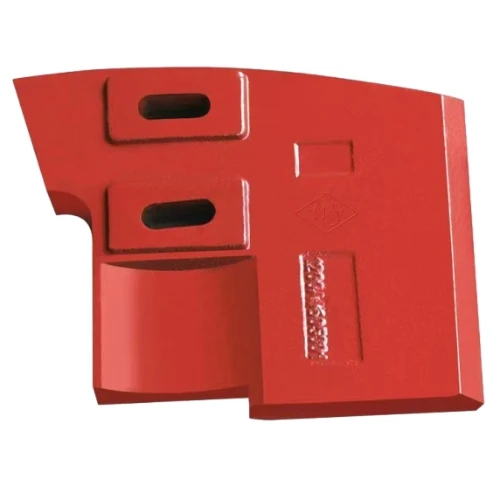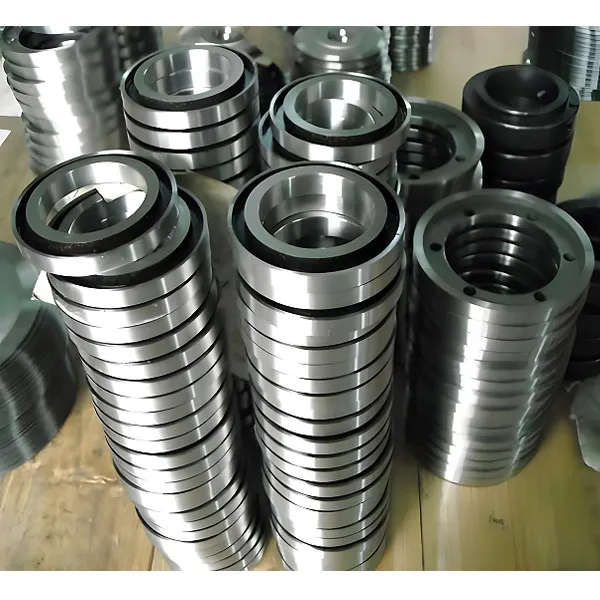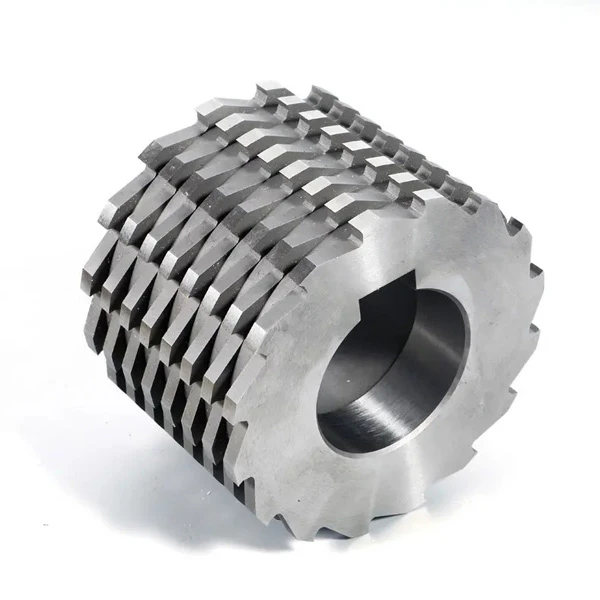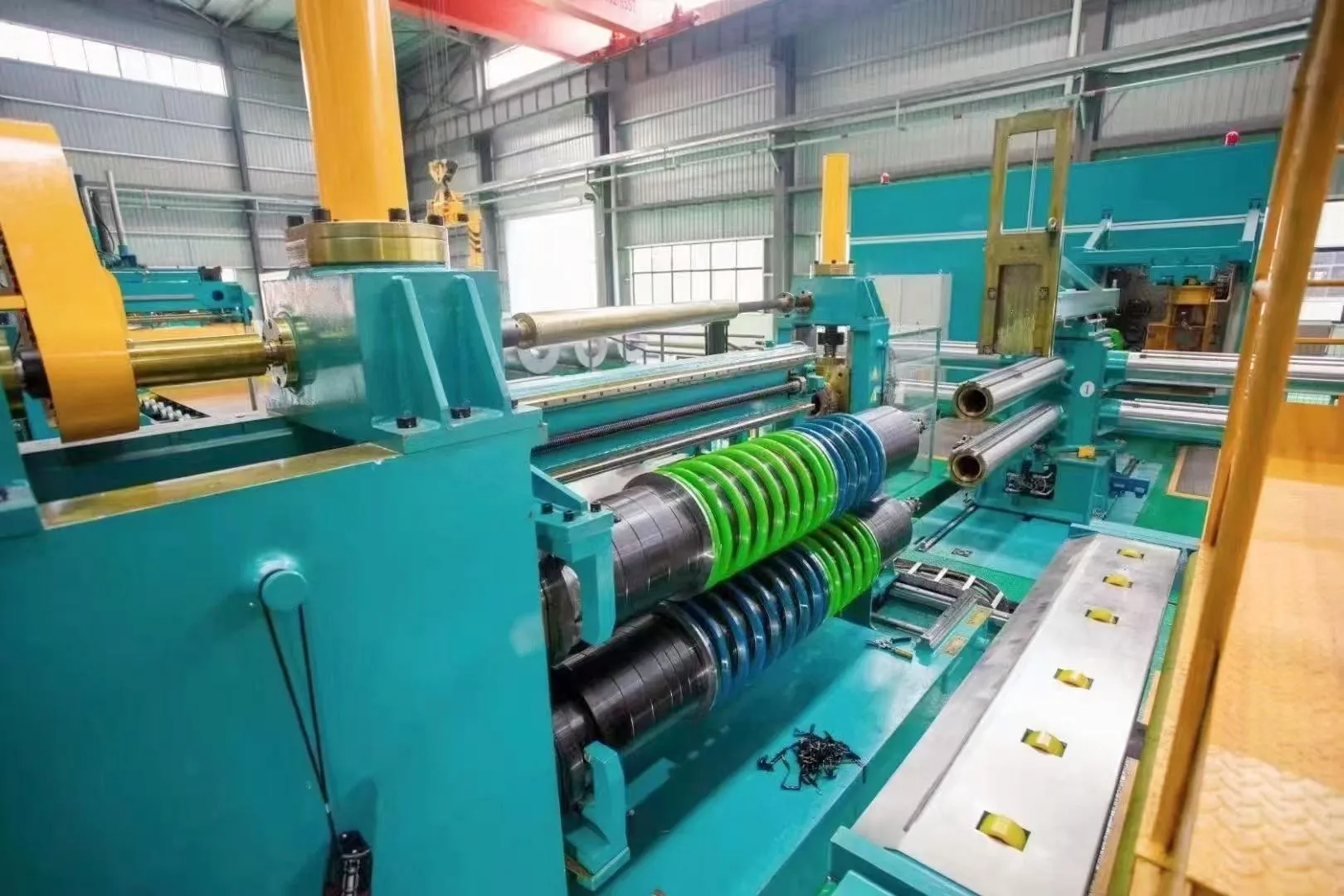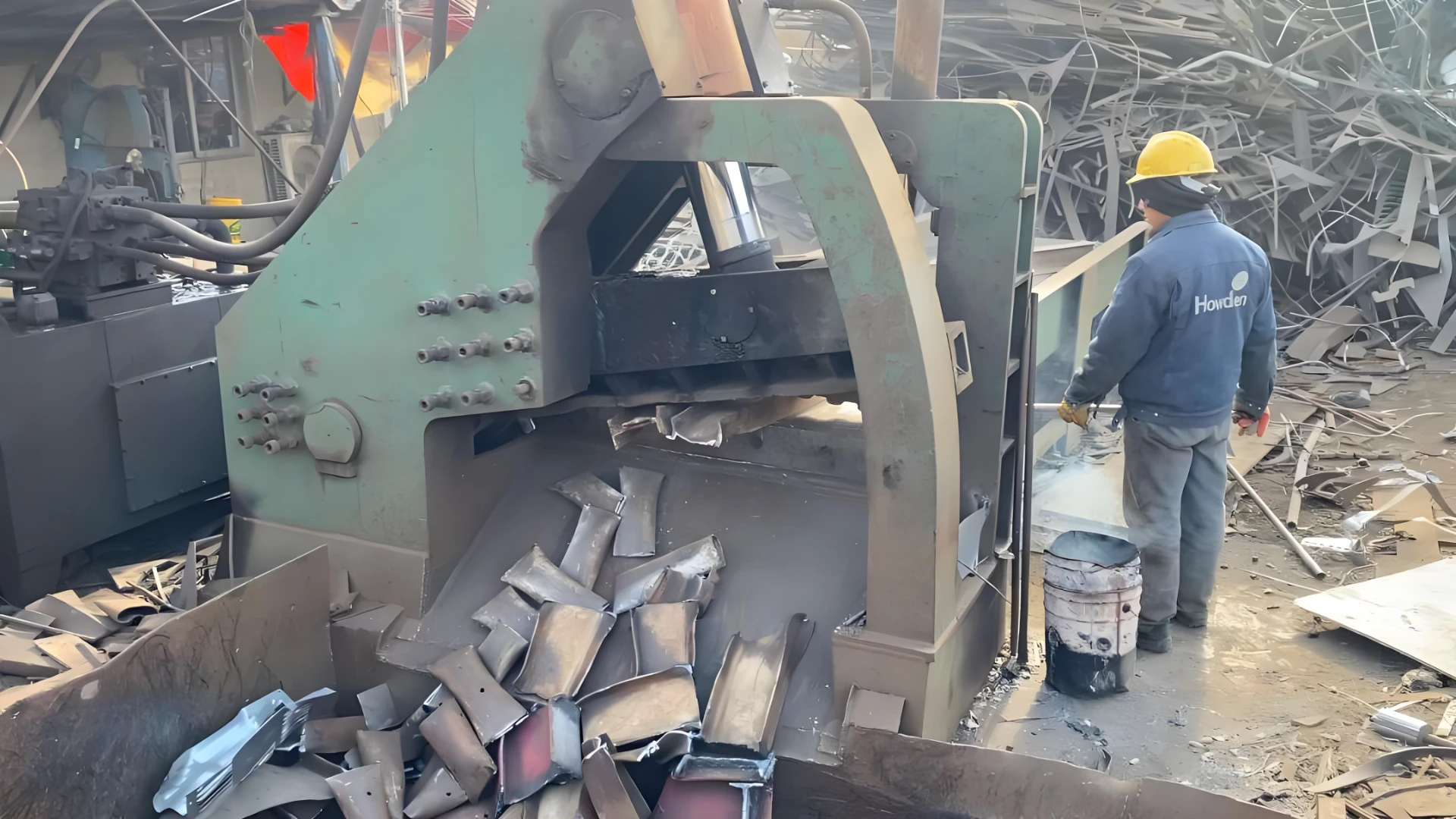
Paper Cutter Knife Price is a key solution in the Manufacturing industry, specifically within Industrial Machinery Manufacturing and Printing and Paper Converting Machinery Manufacturing. This article explores how Changzhou Binsheng Metallurgical Machinery Co., Ltd. supports professionals with durable, high-performance products, and explains why this product is an ideal choice for businesses in these sectors.

Table of Contents
- Paper Cutter Knife Price Overview
- Benefits & Use Cases of Paper Cutter Knife Price in Printing and Paper Converting Machinery Manufacturing
- Cost, Maintenance & User Experience
- Sustainability & Market Trends in Manufacturing
- Conclusion on Paper Cutter Knife Price from Changzhou Binsheng Metallurgical Machinery Co., Ltd.
Paper Cutter Knife Price Overview
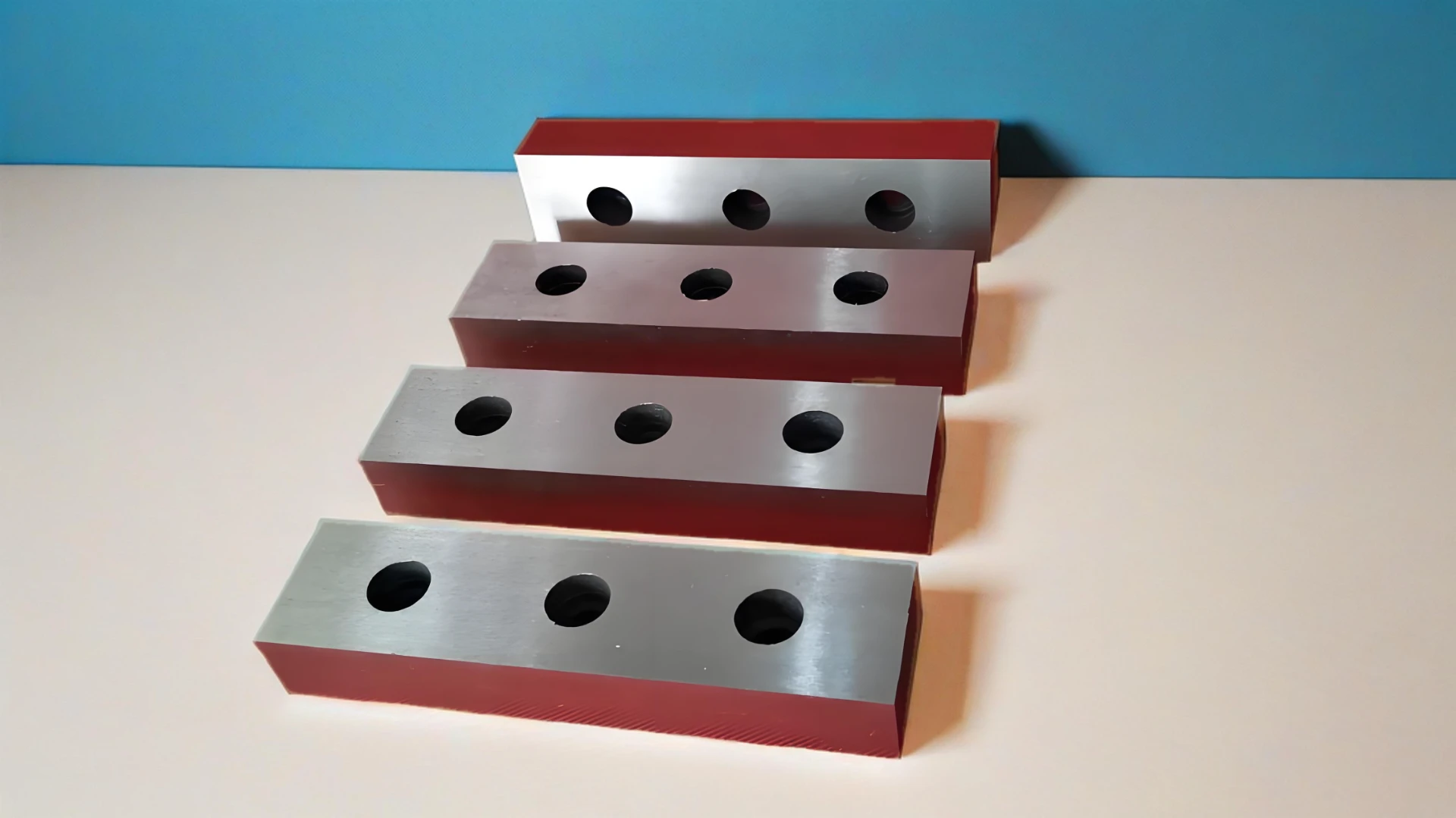
For B2B decision makers, Paper Cutter Knife Price is not just a line item—it’s a performance lever that directly affects uptime, yield, and finishing quality. In Printing and Paper Converting Machinery Manufacturing, the right paper cutting machine knife determines cut accuracy, fiber pull, and dust generation across guillotines, trimmers, sheeters, and converting lines. Pricing varies with steel grade, carbide content, geometry, tolerance, coating, and OEM fitment. Typical specifications include tool steels (D2/Cr12MoV) at HRC 56–60 for balanced toughness, HSS (M2/SKH-51) at HRC 60–63 for longer edge life, and TCT inlay or solid carbide for abrasive stocks. Edge geometries range from single- to double-bevel with angles tailored to substrates from coated art paper to multilayer board.
Changzhou Binsheng Metallurgical Machinery Co., Ltd. manufactures heavy duty paper cutter knife solutions with precise heat treatment and CNC grinding to ensure straightness and parallelism, reducing rework and burr. Tight tolerances (often ±0.02 mm on length/flatness, application dependent) help sustain consistent cutting loads, while engineered bevels support high-speed converting. A recent customer case in commercial print reported smoother cut edges and fewer clamp marks after switching to a higher-grade HSS blade—achieving longer intervals between regrinds and a lower cost-per-cut despite a higher initial Paper Cutter Knife Price. This balance of materials science and process control is central to Changzhou Binsheng’s value proposition.
Benefits & Use Cases of Paper Cutter Knife Price in Printing and Paper Converting Machinery Manufacturing
From high-volume guillotines to precision sheeters and bindery trimmers, knives operate in diverse duty cycles and substrates. Applications include book blocks, labels, coated stock, kraft, duplex board, and specialty laminates. In tissue and packaging, a heavy duty paper cutter knife withstands abrasive fillers and recycled fibers, maintaining edge integrity to reduce dust and scrap. Spec-driven sourcing ensures compatibility with leading OEM footprints and quick-change systems, minimizing setup time. Performance features that influence Paper Cutter Knife Price include carbide inlays for abrasive runs, low-friction coatings (e.g., TiN/TiAlN) for heat reduction, and micro-finished edges that improve cut face quality and stacking.
Changzhou Binsheng Metallurgical Machinery Co., Ltd. leverages metallurgy expertise and application engineering to match knife grade to media and machine dynamics. Benefits reported by converters and printers include cleaner edges, reduced clamp pressure marks, and longer regrind intervals, which translate to fewer changeovers and higher OEE. For operations upgrading from a general-purpose paper cutting machine knife to a substrate-specific grade, the observed gains typically come from improved bevel geometry and stable hardness profiles across the blade length. With consistent material batches, exacting flatness, and robust packaging, Binsheng helps plants maintain predictable quality—key for standardized, multi-shift production.
Cost, Maintenance & User Experience
When evaluating Paper Cutter Knife Price, consider total cost of ownership instead of unit price alone. Edge life, number of regrind cycles, changeover frequency, and impact on scrap rates dominate the economics. A higher-grade HSS or TCT knife may cost more upfront but can reduce cost-per-million-cuts by extending run lengths and stabilizing quality—especially on abrasive or coated papers. Downtime avoidance is often the largest savings: fewer blade changes mean more sellable output and less labor tied up in maintenance. Consumables like cutting sticks, lubrication, and correct clamp pressure also influence ROI; maintaining these alongside proper knife selection yields compounding gains.
Customers in Industrial Machinery Manufacturing and converting environments value predictable maintenance. With guidance from Changzhou Binsheng Metallurgical Machinery Co., Ltd., teams set preventive regrind intervals based on fiber type, machine speed, and sheet count. Many users report smoother cuts and longer intervals between touch-ups after standardizing on application-fit grades and verified regrind angles. Practical tips include: rotate knives in a three-blade cycle (in-use, spare, regrind), store in protective cases to prevent edge damage, and verify bevel angle and runout after each regrind. These practices stabilize quality and keep the real, blended Paper Cutter Knife Price—your cost per finished sheet—on target.
Sustainability & Market Trends in Manufacturing
Sustainability priorities—waste minimization, energy efficiency, and responsible materials—are reshaping procurement. In finishing and converting, sharp, stable knives reduce dust, miscuts, and rework, directly lowering scrap and energy spent per good unit. Longer-lived blades and regrind-friendly designs decrease material consumption across the knife lifecycle. With regulatory pressure rising globally on packaging and recyclability, precision cutting that preserves fiber integrity supports downstream recycling yields and cleaner stacks for automated handling. Digitalization trends (condition-based maintenance, OEE dashboards) also elevate the need for consistent blade performance that feeds reliable data and predictable changeover intervals.
Changzhou Binsheng Metallurgical Machinery Co., Ltd. aligns with these market shifts by emphasizing grade selection that extends service life, recommending regrind protocols to maximize usable cycles, and applying precise heat-treatment and grinding processes that reduce variability. By framing Paper Cutter Knife Price within a sustainability lens—fewer knives consumed, less scrap generated, and stable throughput—buyers can meet environmental targets without compromising productivity. Looking ahead, expect continued adoption of advanced coatings, optimized bevels for recycled-content papers, and closer collaboration between knife suppliers and converters to hit both quality and ESG objectives.
Conclusion on Paper Cutter Knife Price from Changzhou Binsheng Metallurgical Machinery Co., Ltd.
Paper Cutter Knife Price should be judged by cost-per-cut, uptime, and finish quality—not sticker price alone. For Industrial Machinery Manufacturing and Printing and Paper Converting Machinery Manufacturing, the right combination of steel grade, geometry, and maintenance practices unlocks reliable throughput and low scrap. Changzhou Binsheng Metallurgical Machinery Co., Ltd. earns trust with durable materials, precise heat treatment, and application engineering that aligns knives to your substrates and machine speeds. Ready to optimize your cutting economics and quality?
- Contact us: email: info@mechblades.com
- Visit our website: https://www.mechblades.com