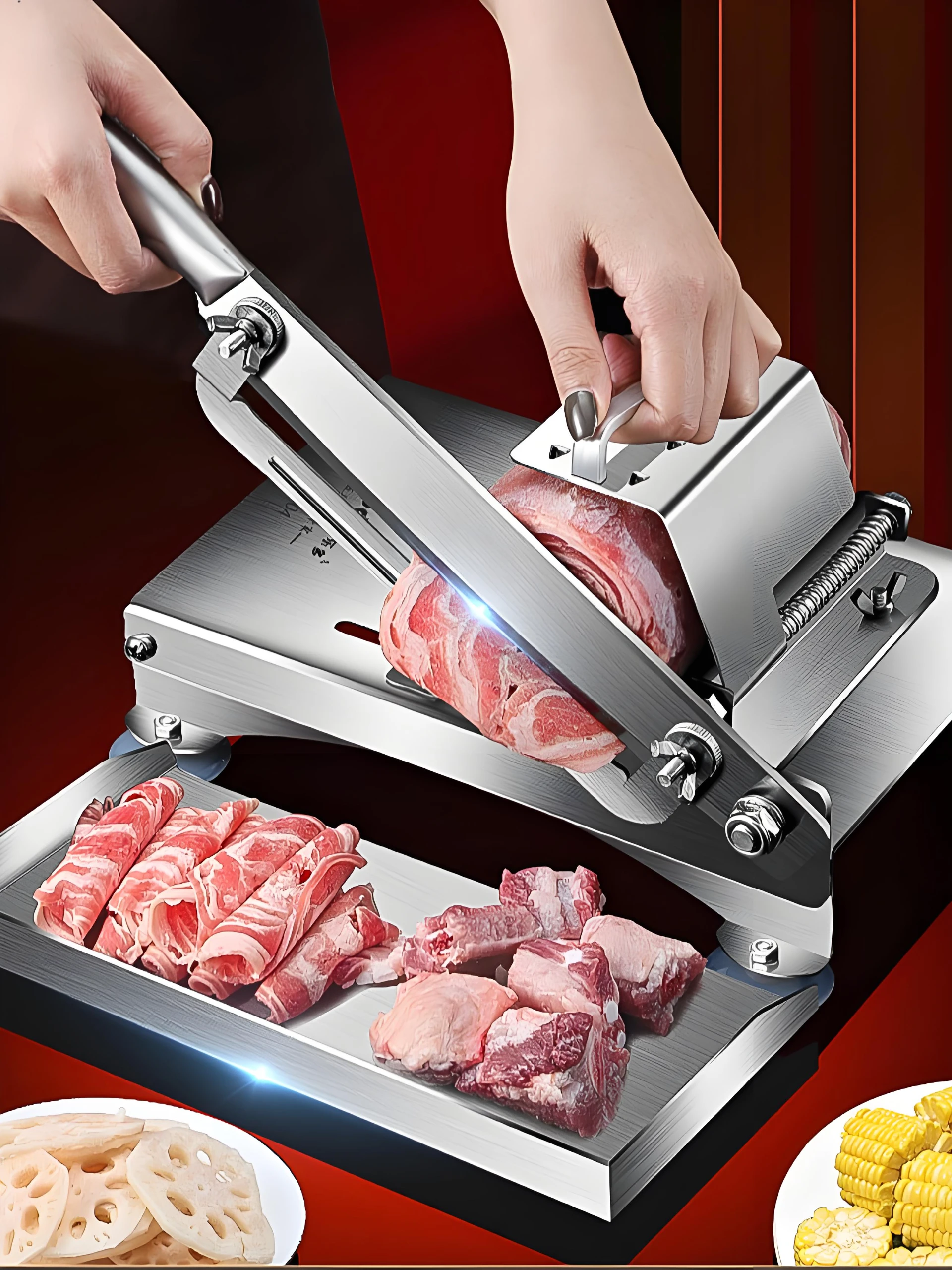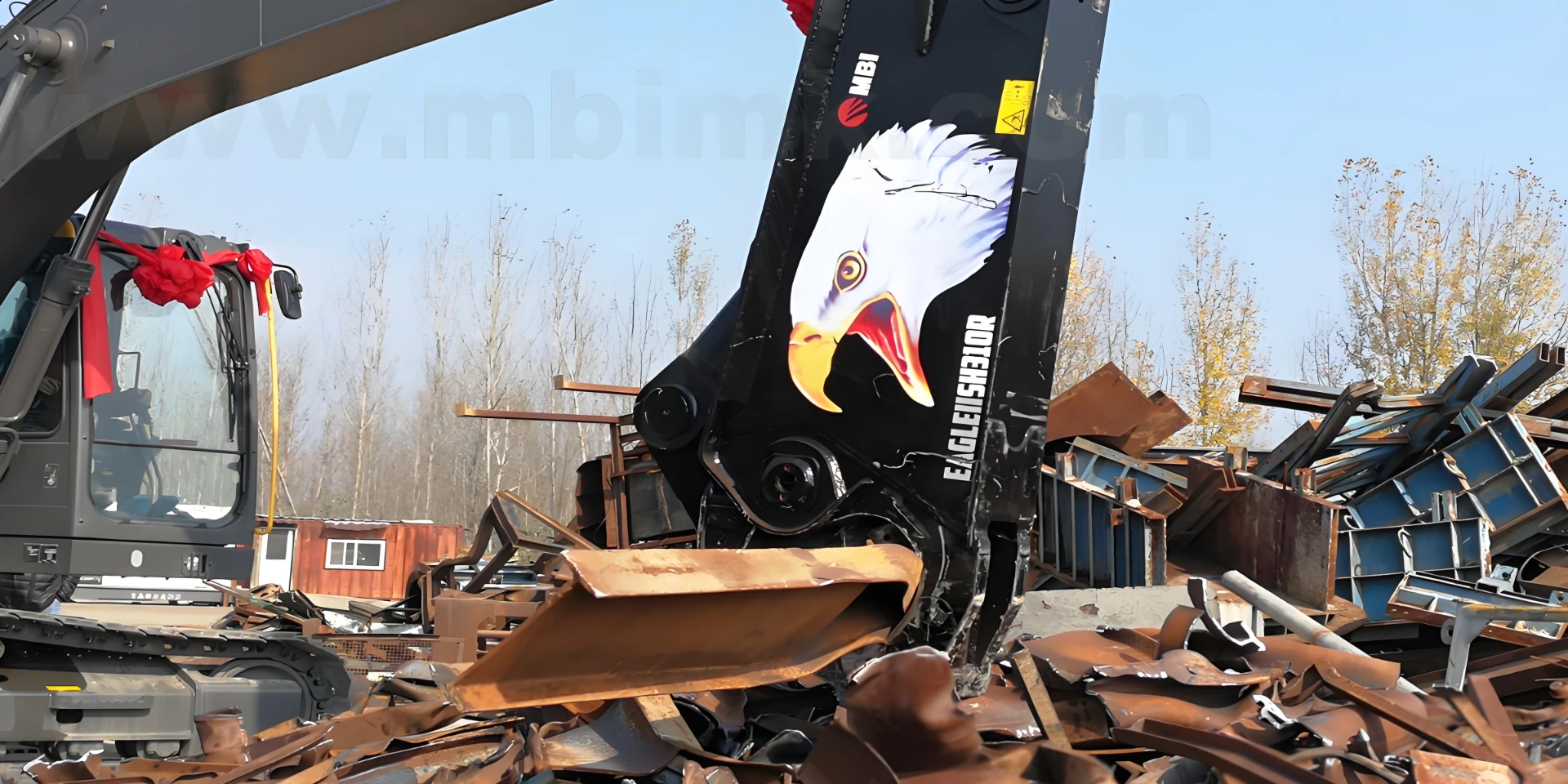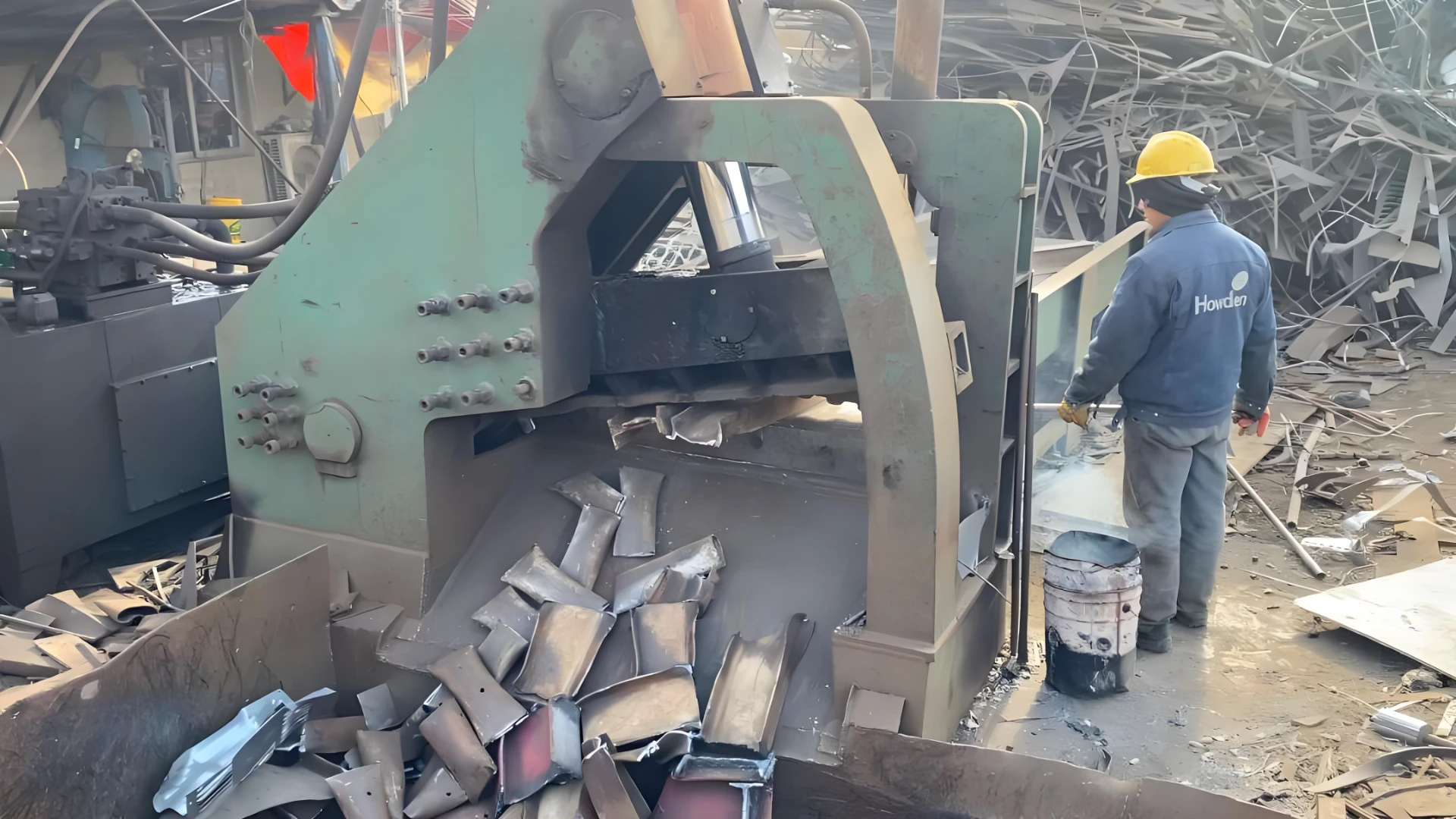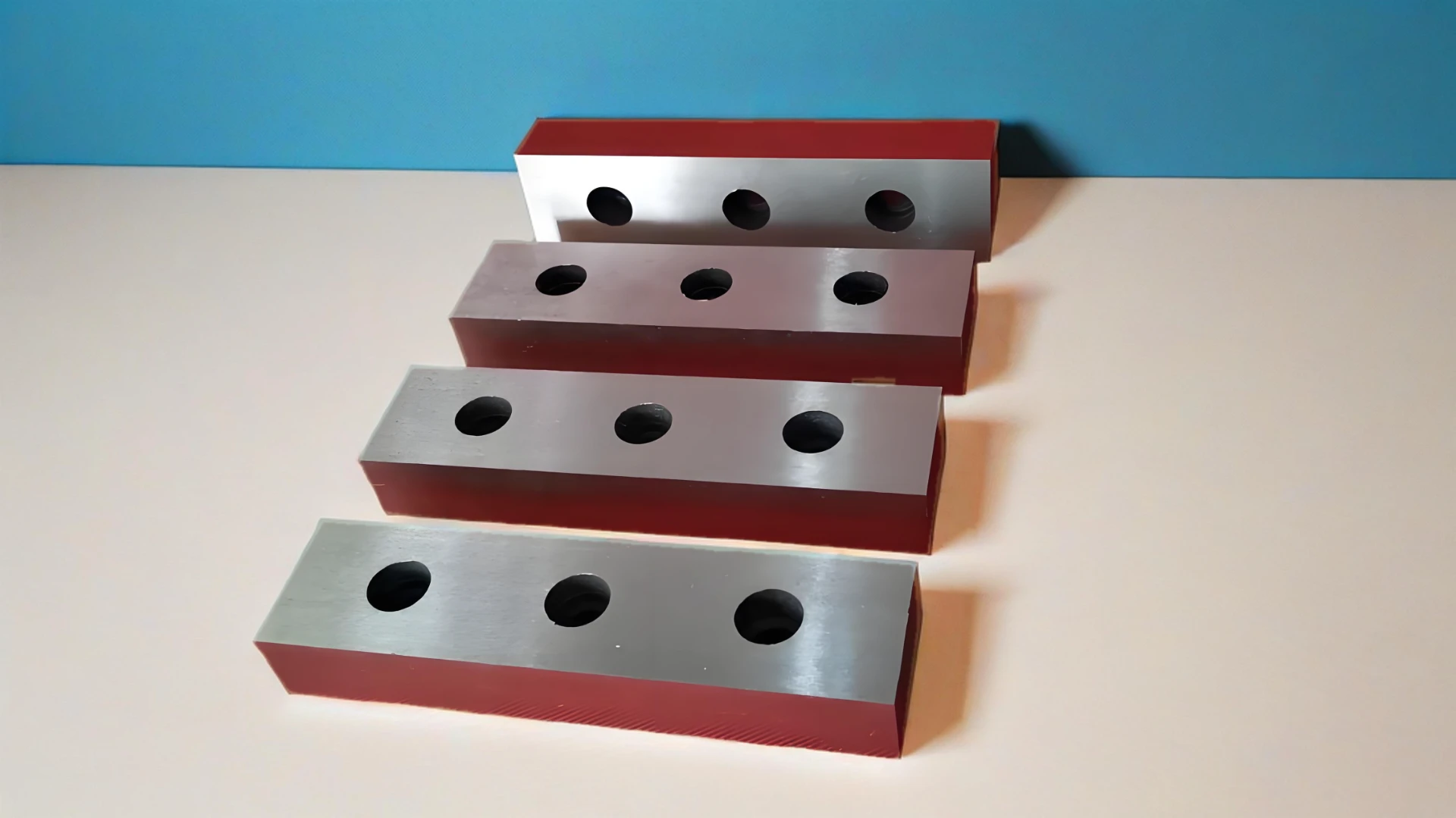
Rubber Cutting Blades are a key solution in the Manufacturing industry, specifically within Cutting Tools and Industrial Rubber Cutting Blades. This article explores how Changzhou Binsheng Metallurgical Machinery Co., Ltd. supports professionals with durable, high-performance products, and explains why this product is an ideal choice for businesses in these sectors.
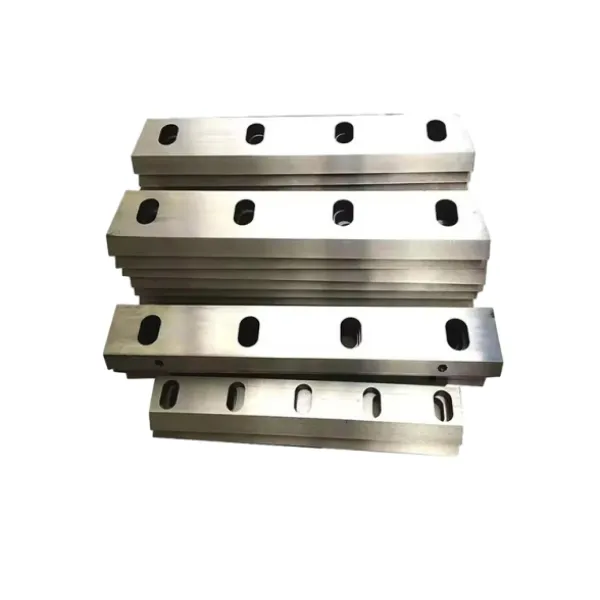
Table of Contents
- Rubber Cutting Blades Overview
- Benefits & Use Cases of Rubber Cutting Blades in Industrial Rubber Cutting Blades
- Cost, Maintenance & User Experience
- Sustainability & Market Trends in Manufacturing
- Conclusion on Rubber Cutting Blades from Changzhou Binsheng Metallurgical Machinery Co., Ltd.
Rubber Cutting Blades Overview
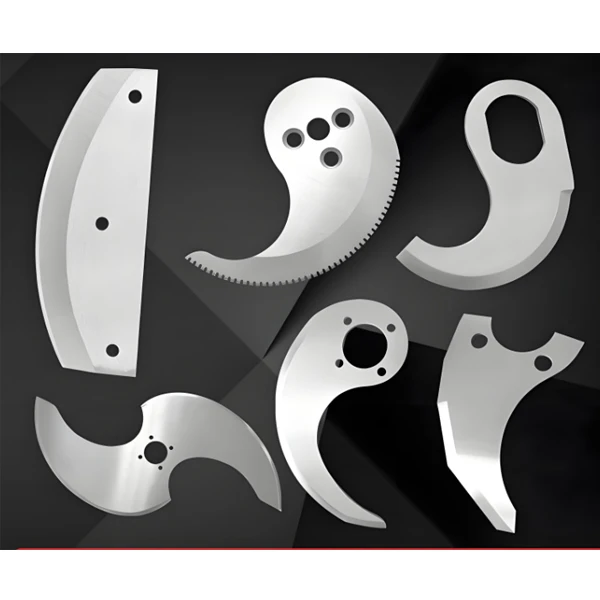
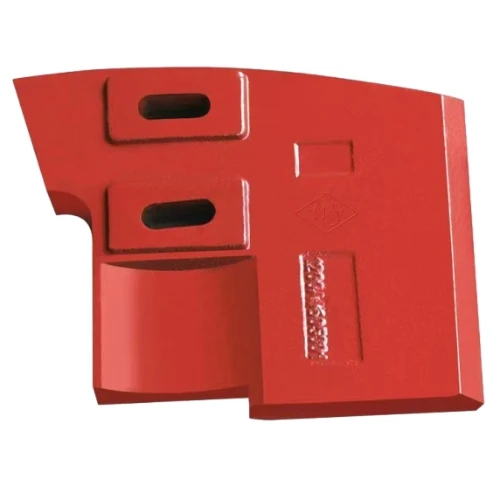
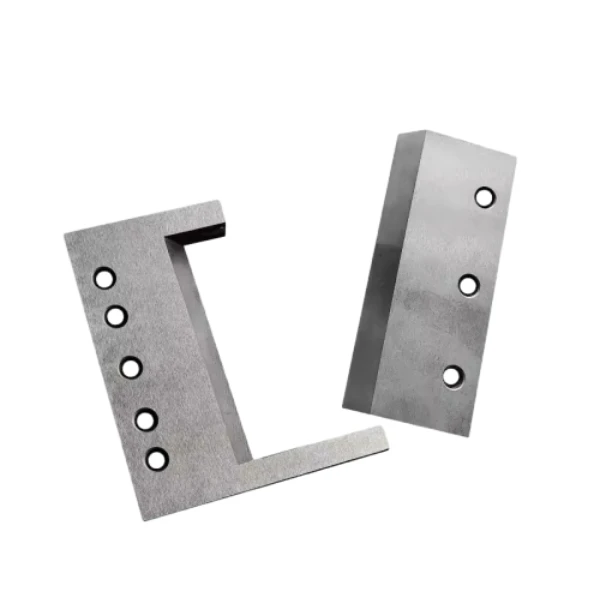
Rubber Cutting Blades are precision-engineered tools designed to slit, shear, slice, trim, granulate, and shred rubber in both production and recycling lines. In Manufacturing, they are used for everything from converting silicone and EPDM sheets to tire recycling and conveyor belt processing. Performance depends on metallurgy, heat treatment, edge geometry, and tolerances. Typical materials include wear-resistant tool steels (e.g., D2/SKD11, H13) and tungsten carbide-tipped or solid carbide options for extreme abrasion. Optimized hardness and cryogenic stabilization enhance edge retention, while PVD coatings (TiN, TiCN, CrN) can reduce sticking on gummy compounds. Geometry choices include single- and double-bevel, scalloped, serrated, hooked, and straight profiles, with tight tolerances for flatness, concentricity, and runout to deliver clean cuts and consistent slit widths.
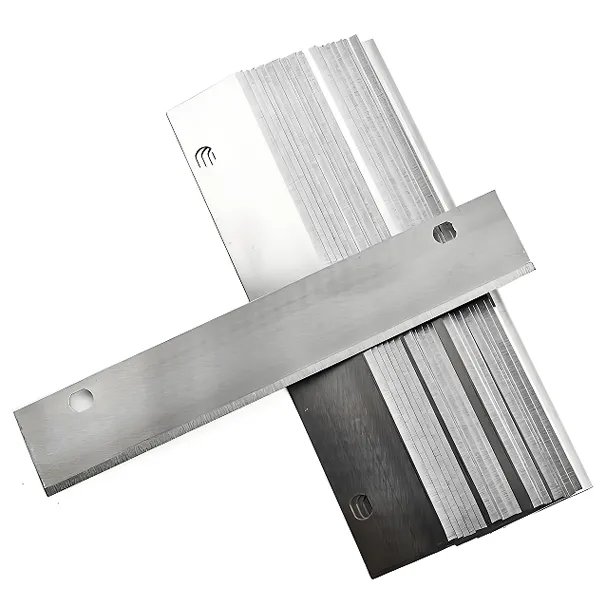
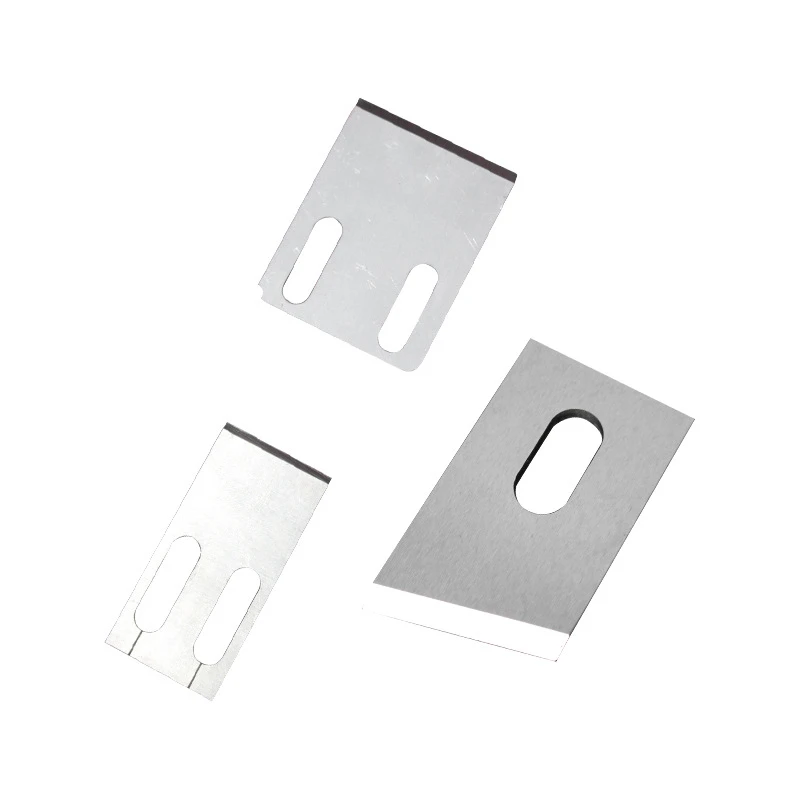
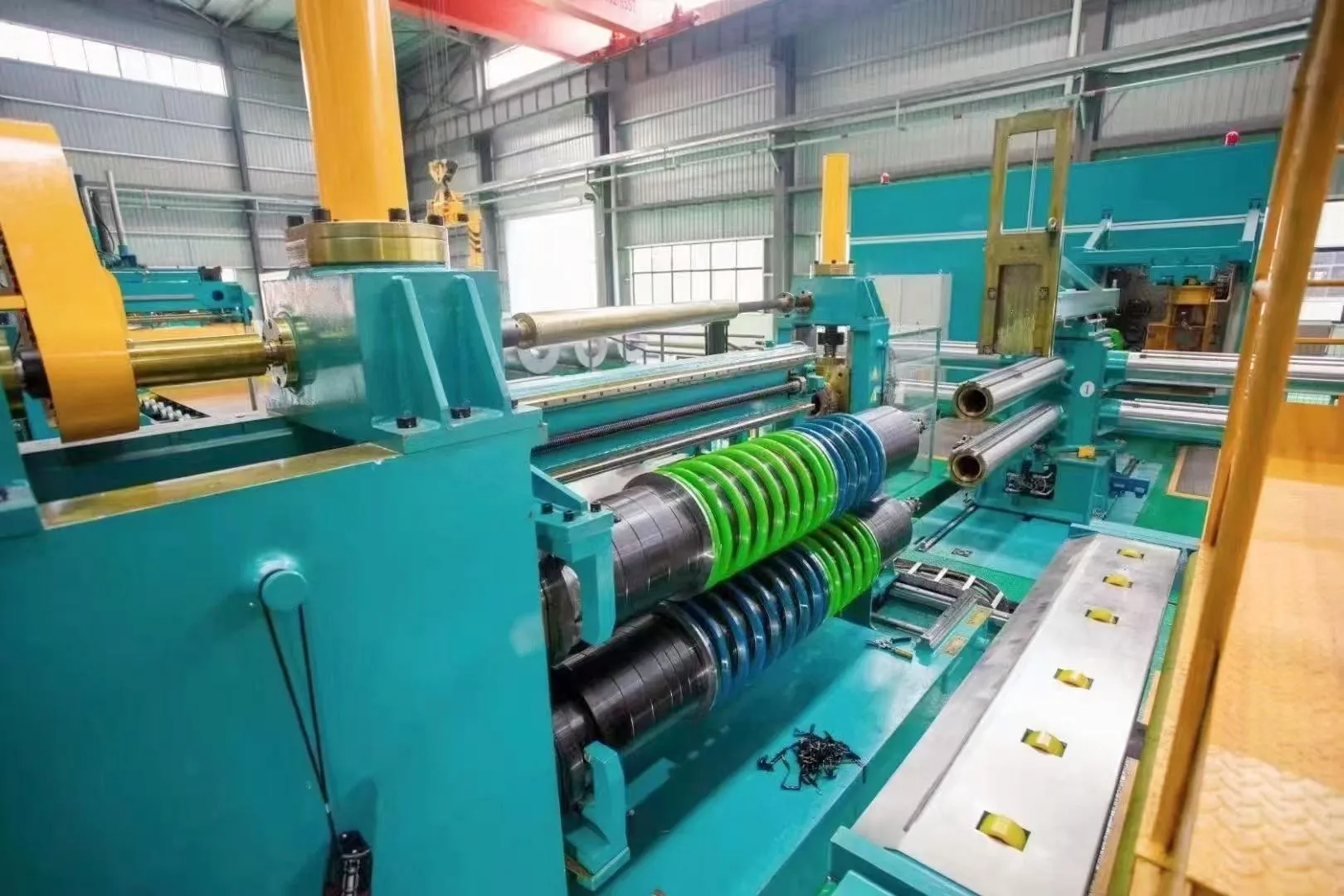
Changzhou Binsheng Metallurgical Machinery Co., Ltd. manufactures and customizes Industrial Rubber Cutting Blades to suit OEM and aftermarket needs. Whether you require circular knives for slitting lines, guillotine blades for sheet trimming, rotary shear knives for continuous cutting, or shredder/granulator knives for recycling, their engineering team aligns steel grade, hardness, and edge geometry to your compound hardness, filler content, and line speed. Consistent quality control and traceability across batches help minimize variance, stabilize uptime, and reduce waste in critical B2B production environments.
Benefits & Use Cases of Rubber Cutting Blades in Industrial Rubber Cutting Blades
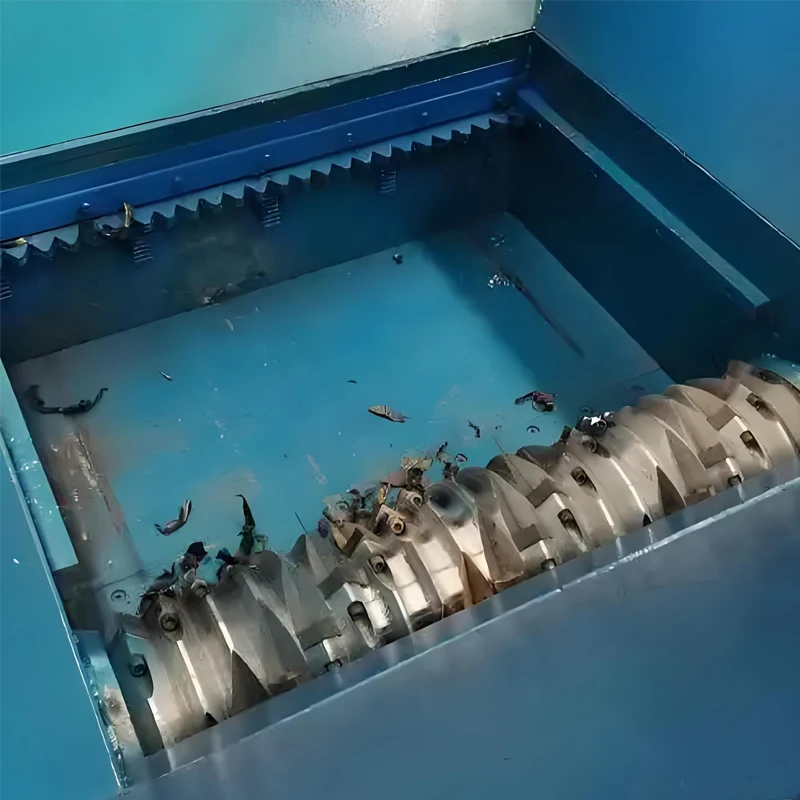
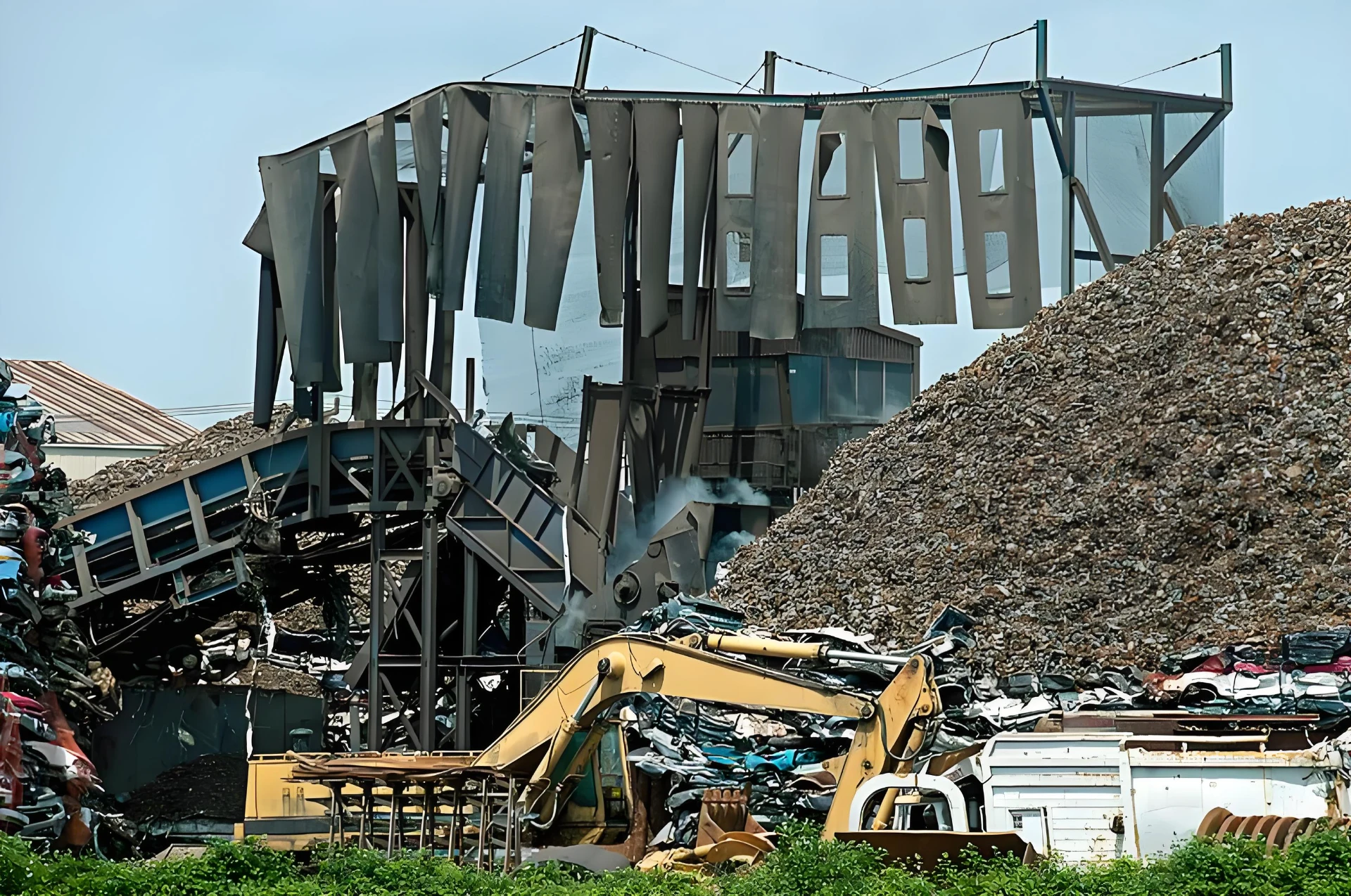
Applications span tire shredding and granulation, EPDM gasket and seal trimming, silicone sheet and foam slitting, conveyor belt slitting, hose and tubing cut-off, rubber flooring mat conversion, and reclaimed rubber processing. Production teams rely on circular knives and rotary shears for continuous slitting lines, while recycling plants depend on shredder and granulator blades to process tough, fiber-reinforced or steel-belted rubber. For field work and maintenance crews, a circular saw blade for cutting rubber or a rubber cutting blade for grinder can speed on-site trimming and repair, provided the blade geometry and abrasive resistance match the task and safety requirements.
Key advantages of Changzhou Binsheng Metallurgical Machinery Co., Ltd.’s solutions include robust metallurgy optimized for high filler contents (carbon black, silica), precise tolerances for clean edges, and regrindable designs to extend lifecycle. Edge profiles and coatings are selected to minimize heat build-up and sticking, enabling higher throughput and improved surface finish. Matched spacers and shims enhance slit-width accuracy, while material pairing (e.g., SKD11 vs. H13 vs. carbide) is tuned to compound abrasiveness and line speed. The company’s application engineering helps B2B decision makers balance cut quality, energy consumption, and service intervals across different rubber chemistries and operating environments.
Cost, Maintenance & User Experience
Total cost of ownership for Rubber Cutting Blades hinges on tool life, regrindability, changeover time, energy draw, and scrap rates. Premium tool steels and carbide options from Changzhou Binsheng Metallurgical Machinery Co., Ltd. often extend intervals between regrinds, reduce line stoppages, and lower rejected material—yielding a favorable ROI beyond the initial purchase price. For high-volume slitting or aggressive recycling applications, the right blade-steel pairing can reduce energy consumption and vibration, protecting bearings and spindles and cutting secondary maintenance costs. Standardizing SKUs across lines further simplifies inventory and purchasing, while quick-change hubs shorten downtime windows.
Maintenance best practices include: using flood coolant or mist when grinding to preserve temper, maintaining recommended edge angles, dressing wheels frequently for clean facets, and storing blades in protective sleeves with corrosion inhibitors. Operators report that consistent edge geometry improves cut continuity, keeping slit edges square and clean on tacky compounds. Many B2B users value blades that can be reground multiple cycles without losing geometry, as this stretches budgets and ensures predictable performance. Changzhou Binsheng’s support—covering blade selection, regrind specs, and troubleshooting—helps maintenance teams lock in stable performance over long production runs.
Sustainability & Market Trends in Manufacturing
Rubber-intensive sectors are moving toward circularity, with stronger regulations and EPR policies encouraging tire recycling, reclaimed rubber utilization, and reduced production waste. In this context, sharp, long-lasting Rubber Cutting Blades are sustainability enablers: they curb scrap by delivering cleaner cuts, reduce energy use per ton through lower cutting resistance, and minimize tool waste by supporting multiple regrind cycles. Market demand is also rising for safer operations, lower noise and dust, and materials that align with global compliance requirements. Equipment buyers prioritize stable, traceable quality and application-specific blade designs to hit both productivity and ESG targets.
Changzhou Binsheng Metallurgical Machinery Co., Ltd. positions its Industrial Rubber Cutting Blades with a lifecycle mindset—matching metallurgy to extend life, designing for regrindability, and supporting process optimization to reduce energy and waste. The company’s consultative approach helps plants select the right geometry and coating to minimize sticking and heat, which improves operator safety and edge consistency. By focusing on durable materials and predictable performance, Changzhou Binsheng enables B2B manufacturers and recyclers to meet throughput targets while advancing sustainability commitments across their rubber processing lines.
Conclusion on Rubber Cutting Blades from Changzhou Binsheng Metallurgical Machinery Co., Ltd.
From tire recycling to precision slitting lines, Rubber Cutting Blades are fundamental to productivity, cut quality, and total cost of ownership in Manufacturing. With proven metallurgy, application-driven geometries, and regrindable designs, Changzhou Binsheng Metallurgical Machinery Co., Ltd. delivers dependable performance for B2B decision makers. If you are optimizing throughput, reducing scrap, or standardizing your cutting tool inventory, partner with a team that engineers blades for your specific rubber compounds and line conditions. Contact us: email: info@mechblades.com — Visit our website: https://www.mechblades.com — Explore the product page: https://www.mechblades.com/rubber-shredder-recycling-blade.html