Precision Conveyor Rollers: The Unsung Workhorses of Modern Material Handling
If you’ve ever glanced at the machinery quietly shuttling packages in a warehouse, factory, or distribution center, you might have missed the vital role of precision conveyor rollers. These components, though often overlooked, have become a backbone for countless industries worldwide, from automotive to pharmaceuticals. As global trade grows and supply chains tighten, understanding these rollers and their benefits isn't just technical jargon—it's crucial to improving efficiency, sustainability, and reliability across the board.
Why the World Counts on Precision Conveyor Rollers
In 2023, global material handling equipment markets, including conveyor systems, surpassed $70 billion, with rolling components like precision conveyor rollers being a key growth driver (source: ISO). Companies face mounting pressure to optimize speed and reduce downtime. Roller precision deals directly with these demands—misaligned or poorly engineered rollers can cause catastrophic delays and even safety hazards.
Oddly enough, despite their industrial reputation, valves, bearings, and conveyor rollers are hidden champions ensuring products move seamlessly from origin to consumers. Today, stringent standards like ISO 9001 push manufacturers to design rollers with tight tolerances to ensure minimum friction, wear, and noise—which ultimately helps reduce energy consumption. It’s a little piece that solves a big puzzle.
What Exactly Are Precision Conveyor Rollers?
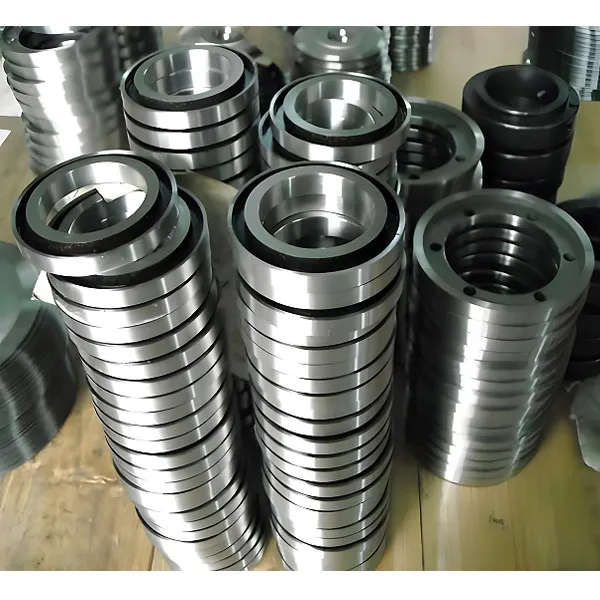
Simply put, precision conveyor rollers are cylindrical components designed to support and transport goods on conveyor systems with high accuracy and minimal resistance. Unlike ordinary rollers, precision rollers have extremely tight manufacturing tolerances, meaning their dimensions, balance, and surface finishes adhere strictly to specifications. This results in smooth rotation, minimal vibration, and increased durability.
In industries spanning from food production to humanitarian aid logistics, these rollers optimize the flow and safety of materials, whether tiny vials or large pallets. When disaster relief kits need rapid shipment, or an assembly line requires ultra-precise timing, precision rollers earn their stripes.
Core Aspects That Make Precision Conveyor Rollers Tick
1. Durability and Material Quality
Robustness is key. High-grade steel or sometimes specialized polymers ensure rollers can withstand harsh environments—extreme temperatures, chemical exposure, or heavy loads. Engineers often select corrosion-resistant coatings to extend service life.
2. Tolerance and Balance
The difference between wobble and whisper-quiet operation lies in strict manufacturing precision. Rollers with deviations of just a few microns can cause vibration, which slows production and increases wear on adjacent parts.
3. Scalability and Customization
Precision conveyor rollers aren’t one-size-fits-all. Industries demand everything from small-diameter rollers for clean rooms to heavy-duty large rollers for mining operations. Modern suppliers offer bespoke options to match specific industrial needs.
4. Energy Efficiency
Reducing friction means less energy consumed by conveyor motors. Precision rollers help companies cut operating costs—particularly important in energy-intensive manufacturing plants trying to meet sustainability goals.
Mini takeaway:
Precision conveyor rollers are a technical marvel in seemingly simple packaging. From materials to tolerances, each factor sharpens operational efficiency.
Real-World Applications Across Continents and Industries
Look around and you’ll find precision conveyor rollers at work globally:
- Automotive manufacturing: In the U.S. and Germany, rollers precisely align car parts on assembly lines for just-in-time production.
- Food and beverage: In Europe, rollers designed with hygiene-grade materials withstand washing and strict FDA compliance.
- Disaster relief logistics: NGOs in Asia use portable conveyor systems featuring precision rollers to expedite aid distribution in remote areas.
- E-commerce: In fast-paced warehouses, especially hotspots like China and the Netherlands, rollers enable smooth sorting of millions of parcels daily.
Interestingly, one relief organization reported saving 15% of logistic time by upgrading to precision rollers on their portable conveyors — a small tweak with huge humanitarian impact.
Mini takeaway:
Globally, the micro precision of conveyor rollers translates into macro savings of time, money, and even lives.
Why Investing in Precision Conveyor Rollers Pays Off Long-Term
The advantages are not just technical—though those are impressive enough. I noticed many manufacturers stress the social impacts of reliable rollers: safer workplaces, less machinery downtime, and reducing environmental footprints.
- Cost Efficiency: Longer-lasting rollers cut replacement cycles and maintenance shutdowns.
- Sustainability: Lower friction equals less electricity usage — vital in today’s push for greener operations.
- Reliability and Trust: Consistent performance builds confidence in supply chains, decreasing order errors.
- Safety: Proper alignment means fewer accidents caused by conveyor jams or failures.
There’s even an emotional angle: workers take pride in smoothly running production lines that respect their environment and time.
Product Specification Table: A Typical Precision Conveyor Roller
| Specification | Value |
|---|---|
| Material | Stainless steel (grade 304) or anodized aluminum |
| Diameter | 50 mm – 150 mm (custom available) |
| Bearing Type | Sealed ball bearings, ABEC 7 rating |
| Tolerance (Diameter Roundness) | ±0.01 mm |
| Load Capacity | Up to 500 kg per roller |
| Surface Finish | Smooth, matte finish to reduce slippage |
Comparing Top Vendors of Precision Conveyor Rollers
| Vendor | Material Options | Custom Tolerances | Price Range | Lead Time |
|---|---|---|---|---|
| MechBlades | Steel, Aluminum, Polymer Coated | ±0.005 mm | $$$ | 2-4 weeks |
| RollTech Solutions | Steel, Stainless, Ceramic | ±0.01 mm | $$ | 3-6 weeks |
| GlobalRollers | Aluminum, Polymer, Composite | ±0.015 mm | $ | 4-8 weeks |
Looking Forward: Innovations in Precision Conveyor Rollers
From my talks with engineers, the future revolves around smarter, greener, and more adaptive rollers. Integration of IoT sensors to monitor roller wear is not far off—imagine predicting a failure before it happens, minimizing costly downtime.
Materials are evolving too; recycled alloys and bio-based polymers are making their way into roller production, not only cutting costs but meeting stricter sustainability goals. And automation advances mean rollers can self-adjust their speed or alignment to optimize flow dynamically, which feels like sci-fi but is already rolling out.
Addressing Common Challenges with Expert Tips
Precision conveyor rollers aren’t magic. Common hurdles include contamination from dust or spillage causing bearing damage, and cost trade-offs between standard and precision parts.
Many suppliers recommend routine lubrication schedules and modular designs allowing fast replacement. Also, combining precision conveyor rollers with protective seals or covers improves longevity drastically.
FAQ: Precision Conveyor Rollers Explained
- Q1: How do precision conveyor rollers improve conveyor belt lifespan?
- A: By evenly distributing loads and minimizing friction, precision rollers reduce belt wear and tear, extending its operational life significantly.
- Q2: What industries benefit most from precision conveyor rollers?
- A: Industries with high throughput and sensitivity like pharmaceuticals, electronics, and food processing gain the most, thanks to their strict quality and hygiene standards.
- Q3: Are precision conveyor rollers customizable for unique operational environments?
- A: Yes. Most vendors offer tailor-made rollers with specific materials, coatings, and tolerances suited to specialized temperatures, loads, or chemical exposures.
- Q4: How often should precision rollers be replaced?
- A: Replacement depends on usage and environment but typically ranges between 3 to 7 years, with proactive inspections recommended to prevent unexpected failures.
- Q5: Can precision rollers help reduce energy consumption?
- A: Definitely. Because they reduce friction and improve rolling efficiency, precision rollers allow conveyors to use less motor power, cutting energy costs.
Wrapping Up: Why Precision Matters More Than Ever
Thinking about precision conveyor rollers, it’s clear they’re small wheels carrying big responsibilities in today’s fast-moving, complex supply chains. Beyond stats and specs, they embody reliability and sustainability ideas that empower industries worldwide. When choosing components, looking beyond the obvious to the subtle precision details can be a game changer.
If you’re interested in exploring how these components can uplift your operation, don’t hesitate to visit our website at https://www.mechblades.com. Because sometimes, the smallest piece makes the biggest difference.