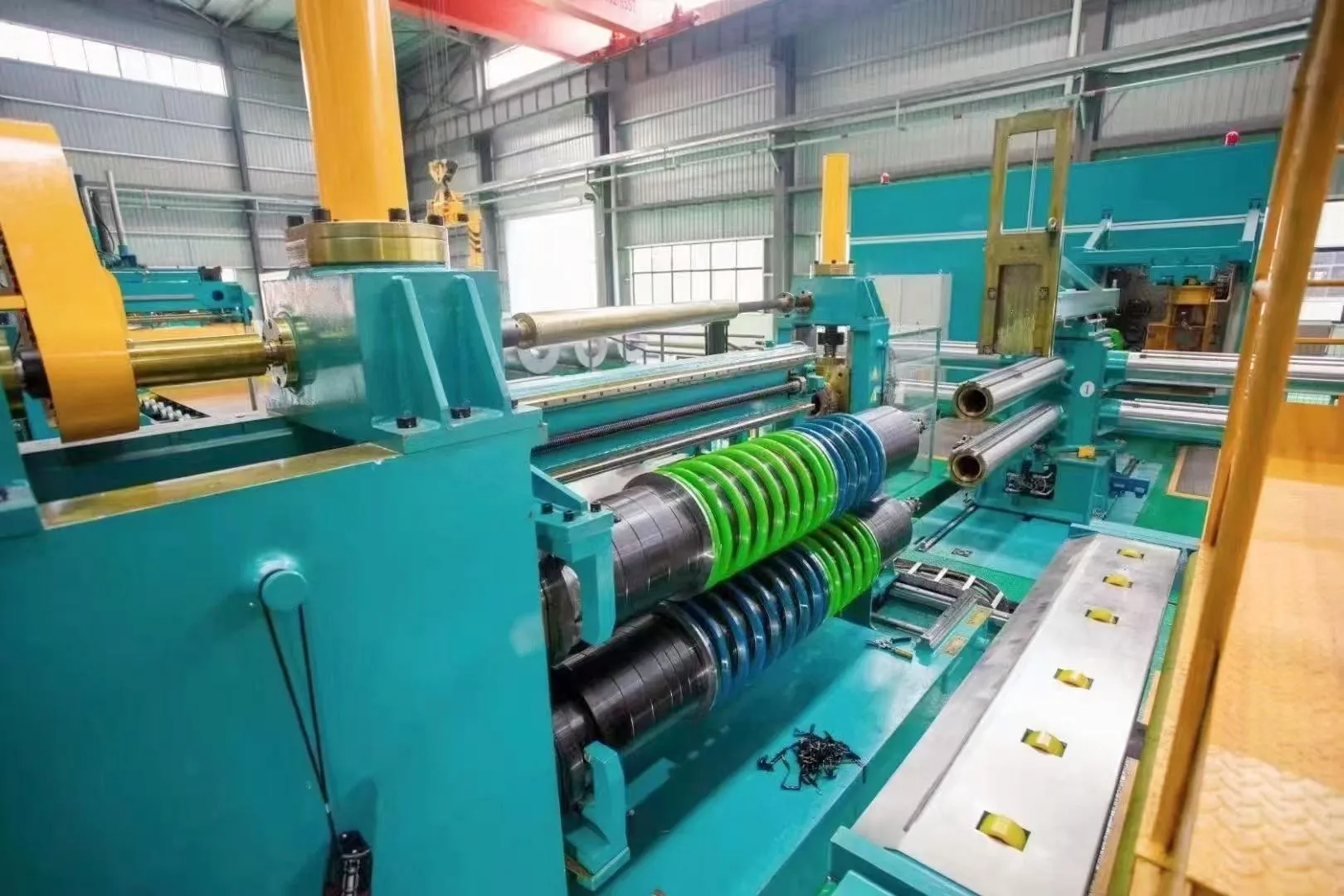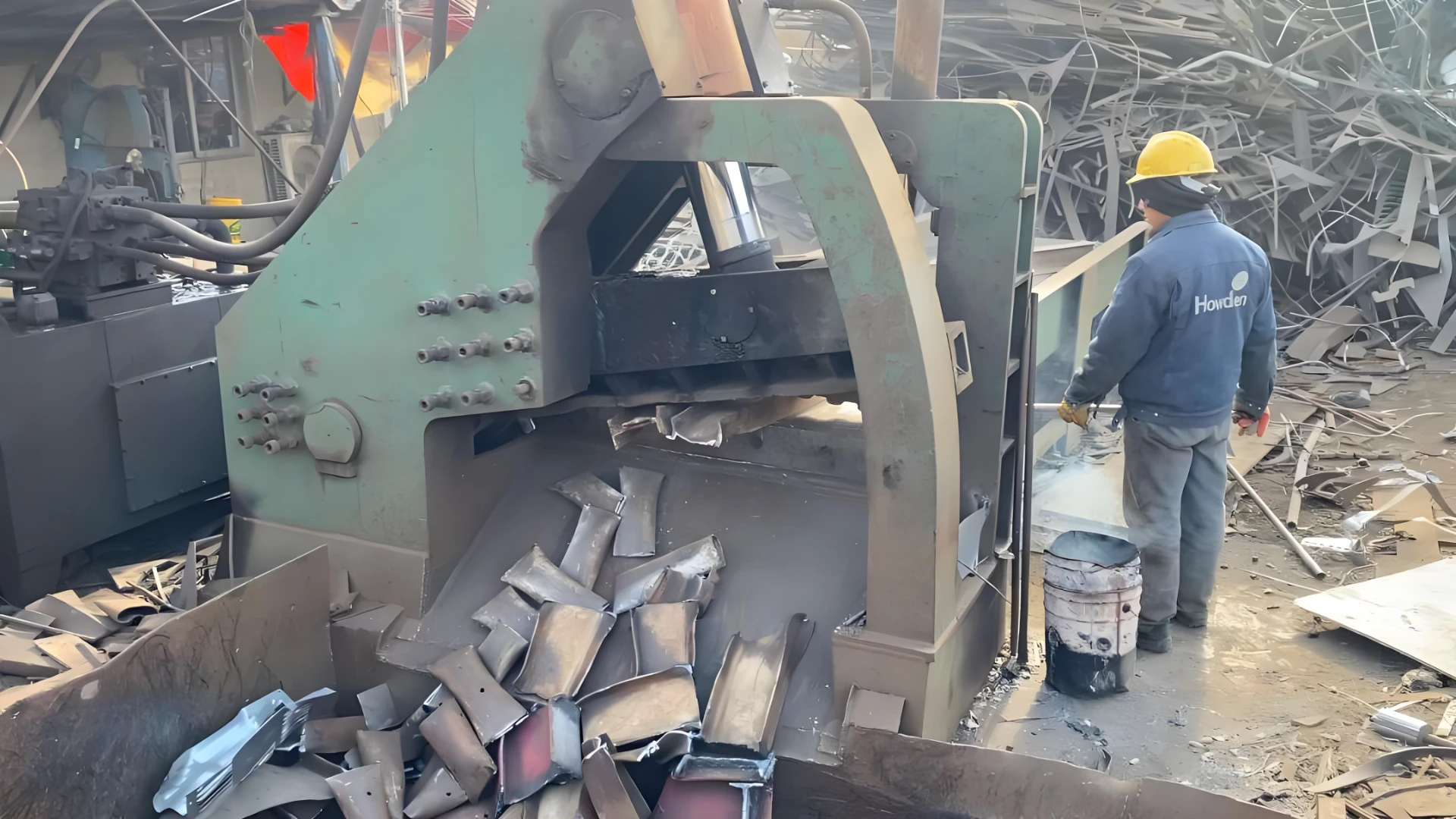
Precision Rollers: The Unsung Heroes of Modern Industry
At first glance, precision rollers might seem like a tiny, almost invisible component in the grand scheme of industrial machinery. Yet, these small cylinders play an enormous role in keeping global production lines efficient, reliable, and cutting-edge. From high-speed conveyor belts in sprawling factories to delicate printing presses that produce millions of pages daily, precision rollers ensure everything runs smoothly. But it’s not just about speed and function—their precision can directly impact sustainability, safety, and even humanitarian efforts worldwide.
In an era where efficiency meets eco-consciousness, and industries are pushing for flawless automation, knowing how these rollers work and why they matter could be crucial. Not just for engineers, but for anyone interested in industrial innovation or supply chain optimization.
Why Precision Rollers Matter Globally
The global market demand for precision roller solutions is set to exceed billions of dollars over the next few years. According to the International Organization for Standardization (ISO), industrial machinery incorporating precise motion control components like rollers can improve production output by up to 15% while reducing error margins drastically. The World Bank also notes that manufacturing efficiency improvements are key to economic development, especially in emerging economies, where industrialization is booming.
Yet, a common challenge persists: inconsistent quality from rollers can derail entire systems, leading to costly downtimes, material waste, or even safety risks. This is why understanding precision rollers isn’t just niche engineering talk—it’s an industry-wide concern that crosses regions and sectors.
What Are Precision Rollers, Anyway?
Simply put, precision rollers are rotating cylindrical components designed to guide or move materials through processes with exceptional accuracy and minimal friction. Unlike general-purpose rollers, these are manufactured with tight tolerances on diameter, surface finish, and roundness to ensure smooth, repeatable performance. You find them in conveyor systems, printing machines, packaging lines, and anywhere material needs controlled handling.
Think of them as the backbone of modern workflows that demand flawless coordination. Whether it's sorting small delicate packages or transporting heavy steel sheets, the right roller ensures that speed doesn’t come at the cost of precision or safety.
Mini takeaway:
Precision rollers are compact but critical parts that power today’s fast-moving industrial operations, impacting everything from speed to quality control.
Key Features That Define Quality Precision Rollers
1. Durability
Precision rollers are exposed to tremendous mechanical stress, heat, and often corrosive environments. High-grade materials like hardened steel, ceramic coatings, or specialized polymers are used to extend service life. I’ve noticed that durable rollers don’t just reduce replacement costs; they keep systems running longer without unpredictable stops.
2. Surface Finish & Roundness
In real terms, a polished surface and perfectly round shape mean smoother material transport and less wear on belts or sheets. For example, achieving a surface roughness under 0.2 micrometers can drastically reduce friction losses in high-speed printing operations.
3. Scalability & Customization
Industries need rollers tailored to their unique specs. Length, diameter, shaft styles, even special grooves or coatings — this adaptability is key. Many manufacturers now offer precision rollers engineered per client needs, which is invaluable for specialized sectors like aerospace or pharmaceutical packaging.
4. Cost Efficiency
Frankly, buying cheap rollers often leads to higher maintenance costs down the line. Yet, investing smartly in precision rollers balances upfront cost with long-term savings through reduced downtime and energy consumption.
5. Testing & Quality Assurance
Every roller must undergo rigorous tests for concentricity, diameter uniformity, and load endurance. The adherence to standards like ISO 9001 reassures users that they’re getting quality products.
Mini takeaway:
Durability, exact tolerances, customization options, and thorough testing combine to make a roller truly ’precision’ and reliable.
Real-World Applications: Where Precision Rollers Shine
Industries worldwide depend on precision rollers more than we often realize.
- Manufacturing hubs in Asia: High-volume assembly lines use rollers to transport components smoothly during intricate electronics assembly.
- Automotive plants: Precision rollers handle heavy steel coil movement and paint transfer with minimal contamination risk.
- Humanitarian logistics: In disaster zones, when NGOs deploy temporary production or packaging facilities, reliable rollers ensure swift packaging and distribution of relief supplies.
- Food & Beverage sectors in Europe & North America: Rollers guide food items carefully through sterilization and packaging lines where hygiene and speed both count.
In post-disaster relief operations, for example, the difference between precision rollers and regular alternatives can affect how quickly critical supplies are processed and sent to those in need. The poll here is pretty clear: precision means speed and safety.
Mini takeaway:
Precision rollers transcend industries and borders, powering critical workflows from automotive factories to international aid stations.
The Advantages and Long-Term Value of Investing in Precision Rollers
Beyond obvious functional benefits, precision rollers bring an emotional assurance to operators and managers alike. Knowing machinery parts won’t fail unexpectedly reduces stress and builds trust in the workflow, frankly making work safer and less frustrating.
On the logical side, these rollers:
- Lower operational costs by reducing wear and tear on related machinery.
- Increase energy efficiency due to reduced friction losses.
- Support sustainable manufacturing goals by extending component lifespans.
- Facilitate innovation by allowing higher-speed, more complex processes.
To put it simply, precision rollers aren’t just components; they’re investments in reliability and progress.
Precision Rollers: Product Specifications at a Glance
| Specification | Typical Range | Notes |
|---|---|---|
| Diameter | 20mm - 150mm | Custom sizes available |
| Surface Roughness (Ra) | Polished finish for reduced friction | |
| Material | Hardened steel, Ceramic, Polymer | Selection depends on application environment |
| Roundness Tolerance | 0.005 mm or better | Ensures uniform rotation |
| Load Capacity | Up to 2000 N | Varies based on diameter & bearing type |
Vendor Comparison: Choosing the Right Precision Roller Partner
| Vendor | Material Options | Customization Level | Typical Lead Time | Quality Certifications |
|---|---|---|---|---|
| MechBlades Precision | Steel, Ceramic, Polymer | Full custom design | 4-6 weeks | ISO 9001, ISO 14001 |
| RollTech Co. | Steel & polymer | Standard sizes only | 2-3 weeks | ISO 9001 |
| GlobalRoll Solutions | Ceramic, Steel | Custom & semi-custom | 6-8 weeks | ISO 9001, TS 16949 |
Future Trends Shaping Precision Rollers
Looking ahead, innovations like advanced ceramics with self-lubricating properties, ultra-lightweight composite materials, and incorporation of smart sensors to monitor wear in real-time promise to change the game. The shift to Industry 4.0 means these rollers won’t just spin — they’ll talk back.
Sustainability is also a big trend: manufacturers are focusing on eco-friendly materials and recycling programs. It feels like we’re finally getting rollers suited not just for speed but also planetary stewardship.
Overcoming Common Challenges in Precision Roller Usage
It’s no secret that improper installation, poor maintenance, or mismatched specifications can cause roller failures. Surprisingly, many companies underestimate the value of precise calibration during setup. But the good news is emerging solutions—like smart calibration tools and condition monitoring systems—are making it easier to catch issues before they snowball.
Another hurdle is cost perception; some hesitate due to initial investment. Yet, as many engineers say, “Cheaper rollers cost more in downtime.” An ounce of prevention really is worth a pound of cure.
Frequently Asked Questions About Precision Rollers
Q1: What industries most commonly use precision rollers?
A: Precision rollers are vital in manufacturing sectors including automotive, electronics, printing, food packaging, and logistics. Anytime a process involves moving materials with accuracy and efficiency, these rollers come into play.
Q2: How long do precision rollers typically last under normal industrial conditions?
A: Lifespan varies by material and use but generally, durable precision rollers can last between 1 to 5 years. Proper maintenance and correct specifications extend this significantly.
Q3: Can precision rollers be customized to fit unusual machinery?
A: Absolutely. Many suppliers offer tailored specifications on dimensions, materials, and coatings to meet unique machine designs or special environmental requirements.
Q4: Are precision rollers suitable for cleanroom or food-grade environments?
A: Yes, rollers made from stainless steel or food-safe polymers are commonly used in cleanroom and food processing applications where contamination control is critical.
Wrapping It Up: Why Precision Rollers Are Worth Your Attention
It’s easy to overlook small things like rollers when focusing on big industrial goals. But precision rollers underpin much of the steady efficiency that modern industries strive for. Smart businesses understand that investing in the right rollers pays off in uptime, product quality, and even social responsibility.
If you’re considering an upgrade or new installation, take a moment to explore the power of quality precision rollers. Trust me, it's worth the spin.
Explore more about industrial components and precision rollers on our website. The right roller isn’t just a part—it’s a partner in your success.