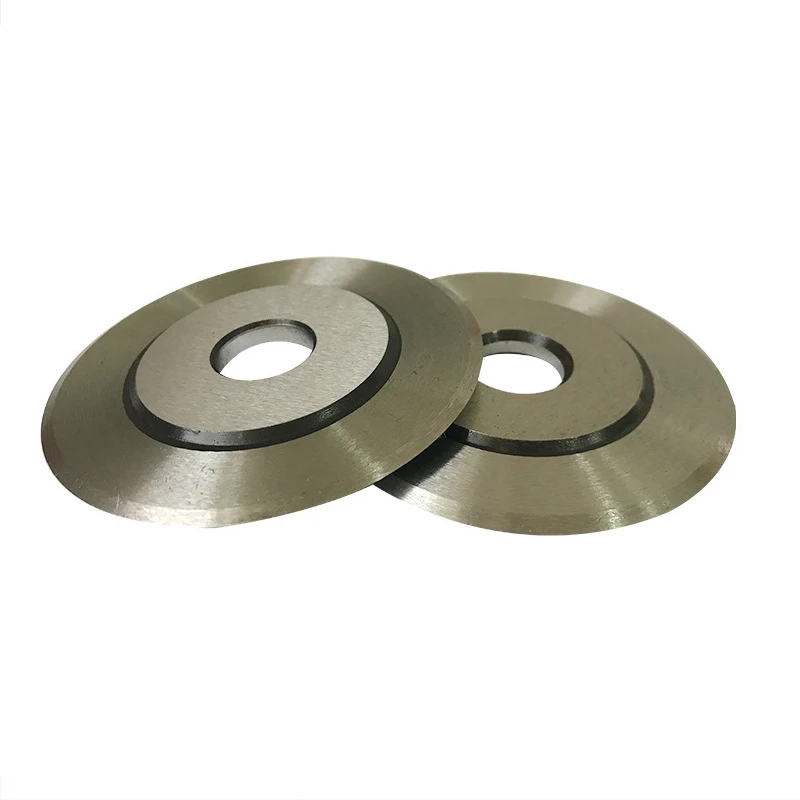
Sharpening Carbide Circular Saw Blades is a key solution in the industry, specifically within manufacturing and woodworking sectors. This article explores how MechBlades supports professionals with durable, high-performance products, and explains why this product is an ideal choice for businesses in these sectors.
Table of Contents
- Sharpening Carbide Circular Saw Blades Overview
- Benefits & Use Cases of Sharpening Carbide Circular Saw Blades
- Cost, Maintenance & User Experience
- Sustainability & Market Trends
Sharpening Carbide Circular Saw Blades Overview
For decision makers in manufacturing, getting the most out of your carbide circular saw blades is critical, and that’s where sharpening carbide circular saw blades really shines. These blades are embedded with carbide tips — extremely hard and wear-resistant material — which means they can tackle tough materials like hardwood, composites, and certain metals with ease. But even the toughest blade dulls over time.
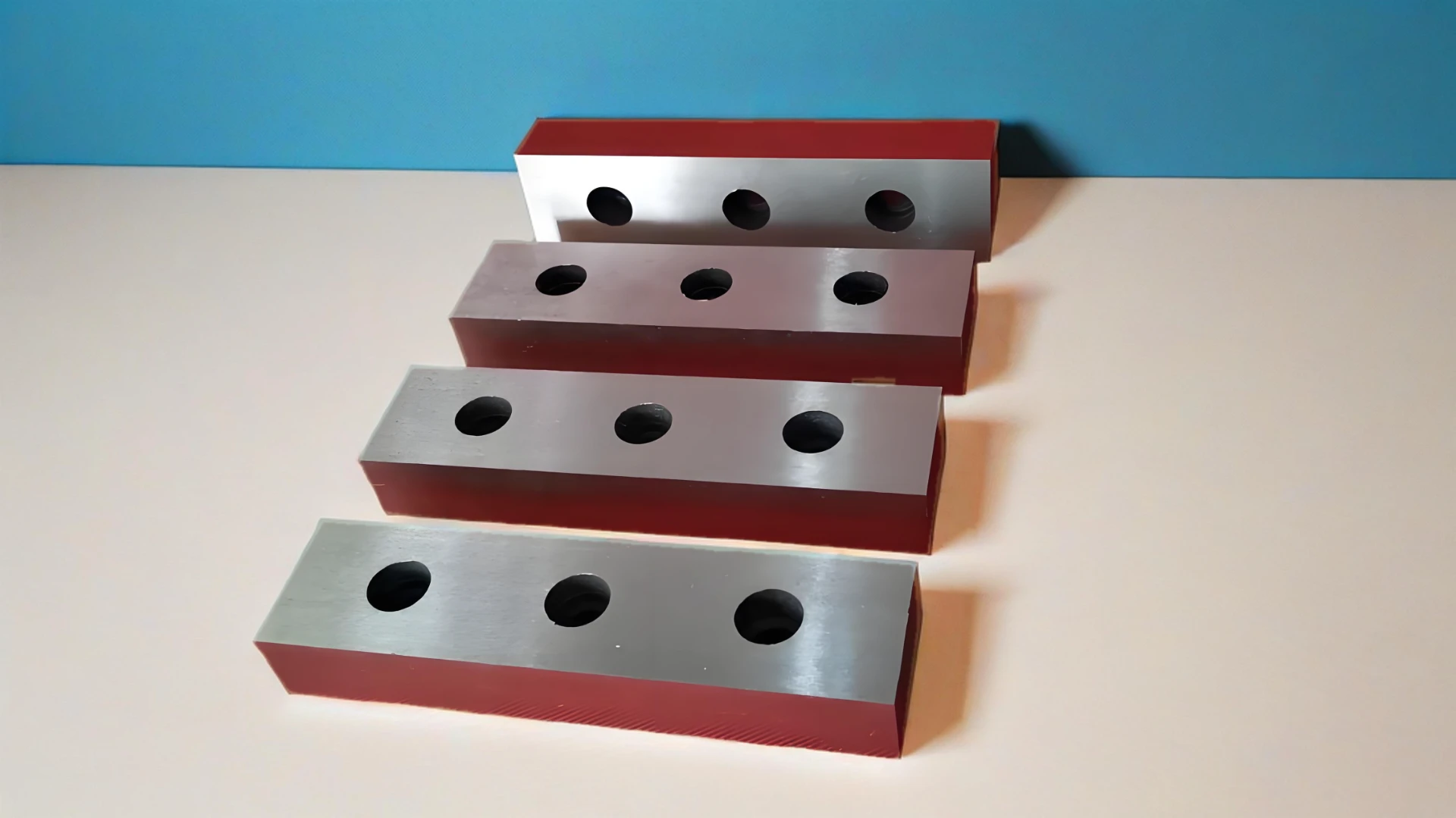
The process of sharpening carbide blades isn't your typical sharpening; it requires precision diamond grinding tools to restore the edge without damaging the carbide tips themselves. MechBlades offers expertly engineered blades and sharpening services that prolong blade life and maintain optimal cutting performance. For instance, their blades typically feature tungsten carbide tips with a hardness rating exceeding 1600 HV, arranged in various tooth counts (24, 40, 60 teeth), depending on application.
| Specification | Details |
|---|---|
| Blade Diameter | 200mm – 400mm |
| Carbide Tip Hardness | 1600+ HV Tungsten Carbide |
| Tooth Count | 24, 40, 60 teeth options |
| Recommended RPM | 3000 - 6000 RPM |
| Coating | TiN (Titanium Nitride) for wear resistance |
Benefits & Use Cases of Sharpening Carbide Circular Saw Blades
Sharpened carbide circular saw blades deliver consistent precision cuts in demanding industrial settings. Industries like furniture manufacturing, construction, and metal fabrication rely on these blades to maintain throughput without sacrificing quality. You want that edge to cut cleanly through dense materials — otherwise, downtime and blade replacement costs skyrocket.
What sets MechBlades apart is their ability to customize tooth geometry and provide exacting sharpening that keeps the blades running cooler and longer. Oddly enough, many users mention a surprising reduction in cutting noise and vibration after professional sharpening, which speaks volumes about the quality of the finish.
Vendor Comparison: Leading Sharpening Solutions
| Feature | MechBlades | Competitor A | Competitor B |
|---|---|---|---|
| Precision of Sharpening | ±0.01 mm | ±0.05 mm | ±0.03 mm |
| Turnaround Time | 3-5 business days | 5-7 business days | 7-10 business days |
| Customer Support | 24/7 Online & Phone | Business Hours Only | Email Only |
| Price per Blade Sharpening | $35–$50 | $40–$60 | $45–$65 |
Cost, Maintenance & User Experience
Frankly, when you weigh the total cost of ownership, sharpening carbide circular saw blades is a smart long-term decision. The upfront investment might feel higher than tossing out a blade and grabbing a new one — but sharpening extends blade life by up to four or five cycles, according to reports from woodworking plants we've seen. This drastically reduces waste and lowers operating costs.
Maintenance is smoother when you partner with a reliable supplier like MechBlades, who understand industrial timelines and offer pick-up/drop-off services. Customers often remark on the improved cut quality after sharpening, noticing lower power consumption and less strain on saw motors, which indirectly boosts overall equipment uptime.
Sustainability & Market Trends
Sustainability is more than buzzword chatter these days – it’s reshaping how industries source and maintain their tools. Sharpening carbide blades rather than replacing them helps curb waste and reduce resource consumption. Especially given the energy-intensive nature of carbide production, extending blade life aligns nicely with tightening environmental regulations and corporate social responsibility goals.
Market analysts predict steady growth for carbide blade technologies, fueled by demands for faster and more precise cutting in evolving sectors like automotive composites and aerospace manufacturing. Customized sharpening solutions and coatings are gaining traction, and vendors who invest in R&D will likely dominate in the coming years.
Frequently Asked Questions about Sharpening Carbide Circular Saw Blades
- What is Sharpening Carbide Circular Saw Blades and how does it work?
- It’s the process of restoring the sharpness of carbide-tipped circular saw blades using specialized diamond grinding machinery that carefully resurfaces the cutting edges without damaging the carbide itself.
- What are the main benefits of using Sharpening Carbide Circular Saw Blades in industrial applications?
- Increased blade life, cost savings through reuse, improved cutting precision, reduced downtime, and better energy efficiency are key advantages.
- How does Sharpening Carbide Circular Saw Blades compare to traditional alternatives?
- Traditional blades often need full replacement once dull; sharpened carbide blades maintain quality cut and durability with less waste and often better stability in performance.
- What industries can benefit most from Sharpening Carbide Circular Saw Blades implementation?
- Woodworking, furniture manufacturing, metal fabrication, construction, and aerospace industries all find substantial value in these blades.
Conclusion on Sharpening Carbide Circular Saw Blades from china
In real terms, sharpening carbide circular saw blades is about more than just saving money. It’s a smart, sustainable move that enhances precision and productivity in high-demand environments. Businesses looking to stay competitive should consider quality sharpening options as an essential part of their tool management strategy.
- Recap the value of Sharpening Carbide Circular Saw Blades.
- Visit our website: https://www.mechblades.com
Thanks for reading — sharpening blades isn’t glamorous, but it sure keeps the industry moving. If you want to stay sharp in business, tools like these make a difference. For a deeper dive, check out:
1. International Journal of Advanced Manufacturing Technology, 2023.
2. Wood Industry Trade Insights, 2024.
3. Global Tooling Market Report, 2023.