Shredder Blade Drawing: Crafting Precision for Industrial Success
Why Shredder Blade Drawing Truly Matters in Industry
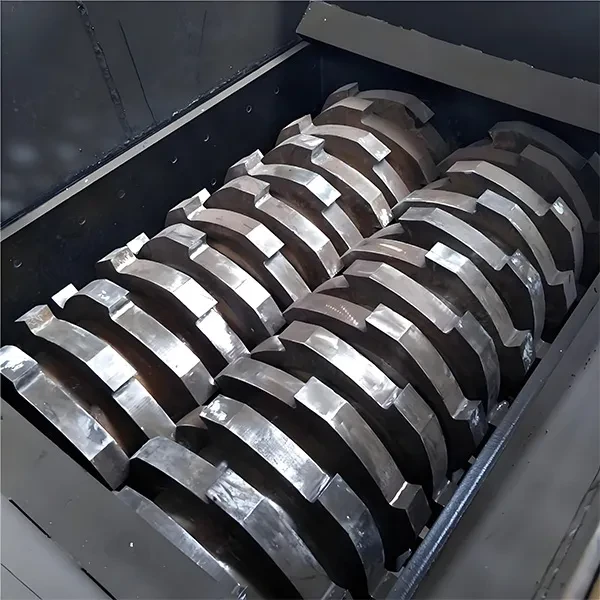
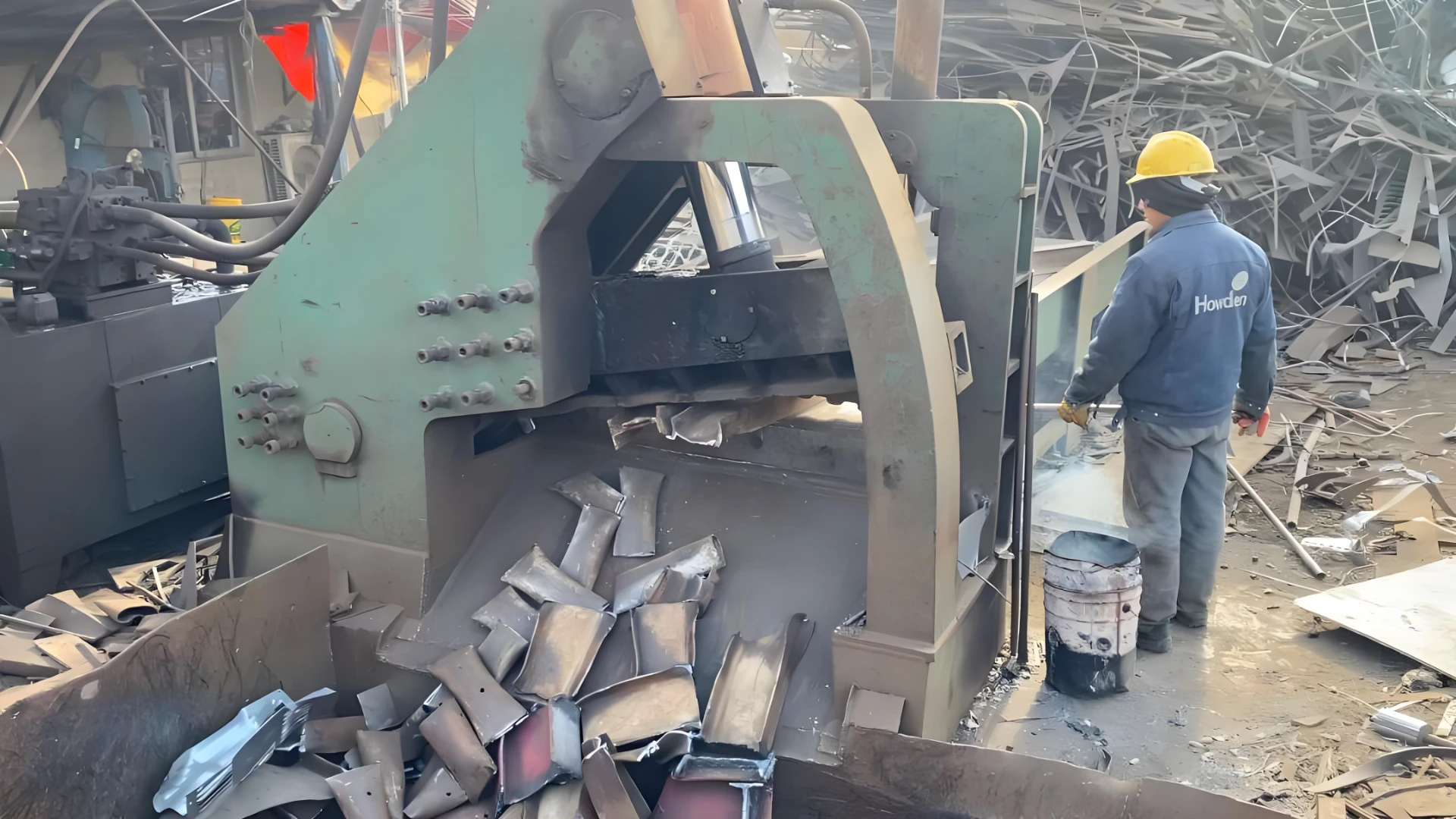
I’ve been around enough conveyor belts and industrial shredders to know there’s more going on behind the scenes than just "metal hits metal." If you’ve never paused to think about the shredder blade drawing, well, you’re missing out on the core of what makes these machines hum with efficiency and last through tons of heavy-duty use. Drawing a shredder blade isn’t just a one-step process where sharpness magically appears. It’s the craft of turning raw steel into a razor-sharp, surprisingly resilient tool that slices through tough materials day in, day out. When done right, it’s an elegant balance of strength, precision, and material science. And frankly, the right blade can make or break an operation — downtime costs are brutal in this sector.The Craft Behind Shredder Blade Design and Drawing
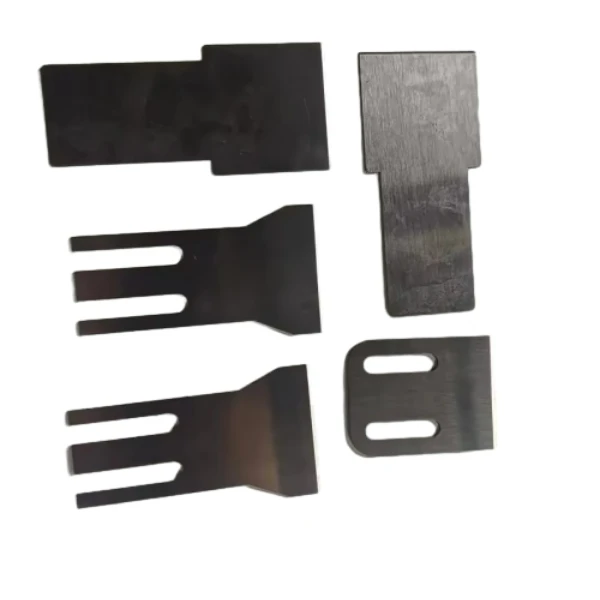
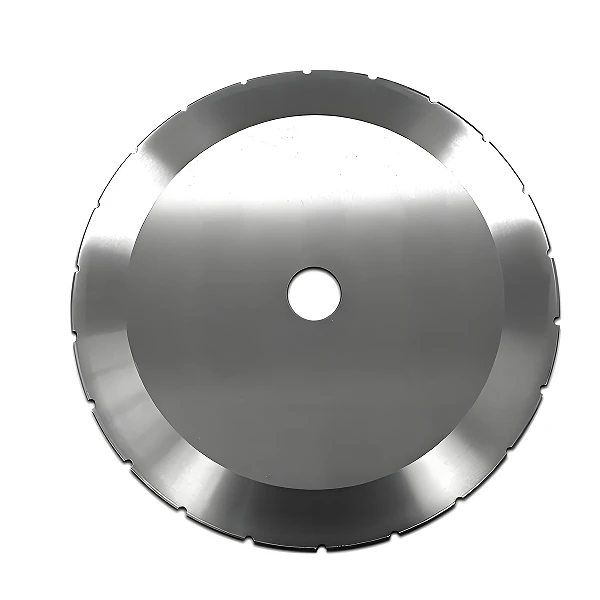
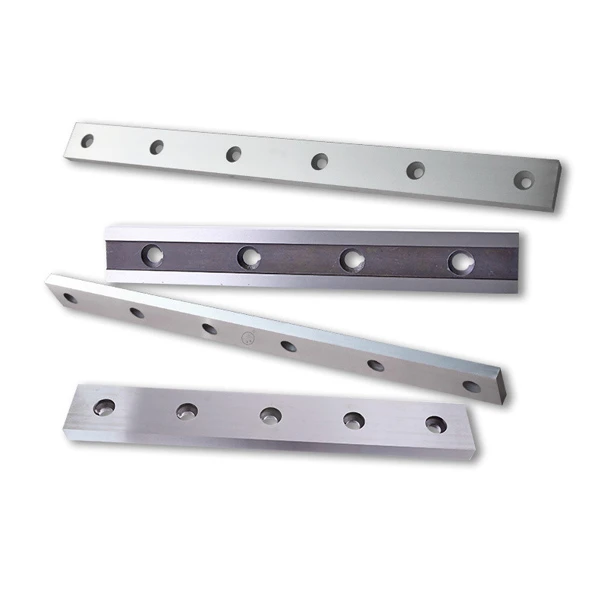
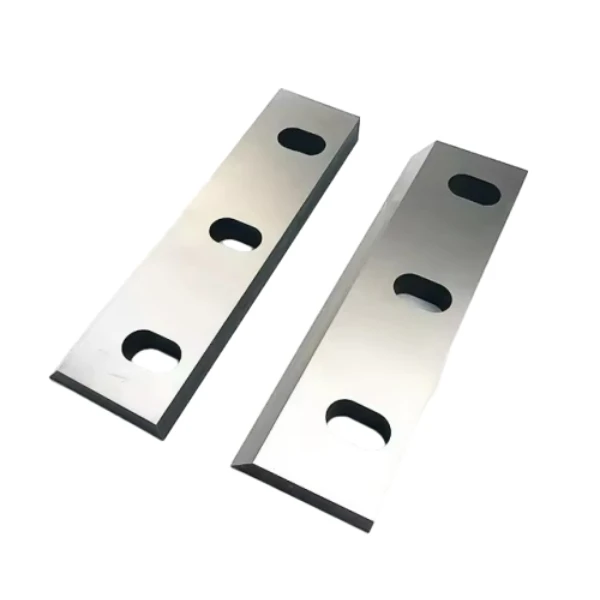
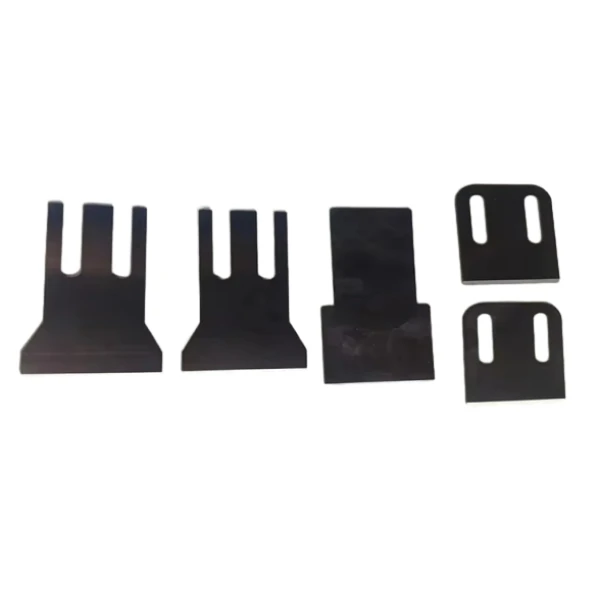
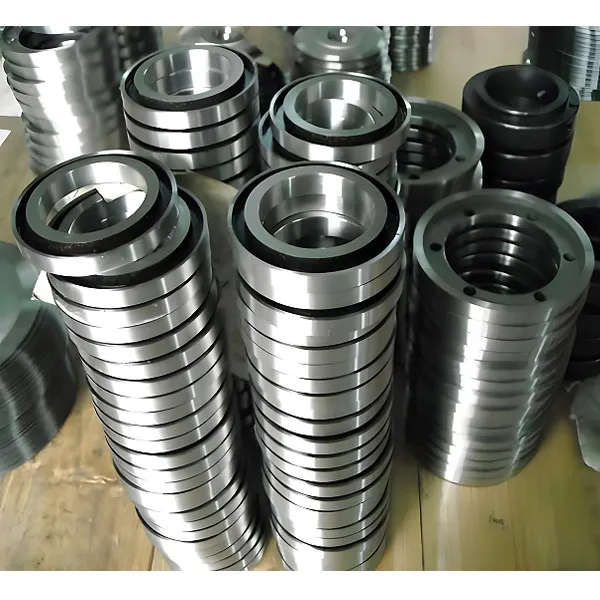
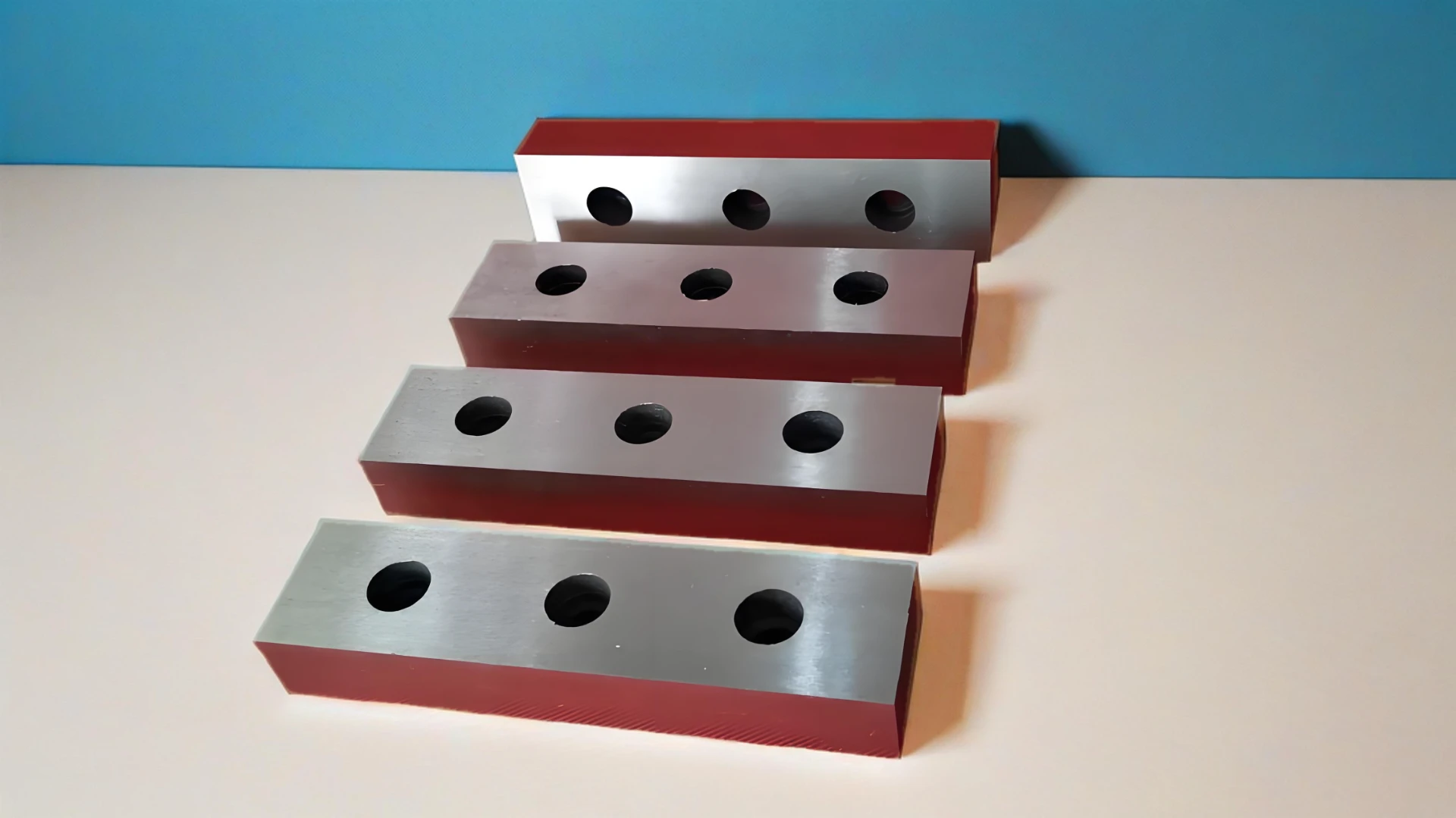
Shredder blade drawing starts with selecting an appropriate steel grade. Oddly enough, many engineers swear by tool steels with high wear resistance — something that can handle abrasive scrap with minimal dulling. After the steel selection, the drawing process involves controlled shaping and heat treatments to optimize toughness and edge retention. I recall a plant we worked with that experimented with different drawing strokes and finishing techniques. The sharper the blade, the fewer jams they reported, but there was always a trade-off between sharpness and lifespan. Many seasoned professionals I know say the drawing stage is where the blade’s character is born — its ability to resist deformation, chipping, and the sheer brute force it has to endure. Blades these days often come customized, tailored not just by size but by tooth profile, thickness, and even mounting holes— little things that matter in high throughput industrial shredders. If you want to see real engineering grit, check out the specifications of these blades — it feels like every millimeter was thought through.| Specification | Typical Value | Remarks |
|---|---|---|
| Material Grade | AISI D2 Tool Steel | High wear resistance & toughness |
| Blade Thickness | 12 mm | Suitable for heavy-duty shredders |
| Heat Treatment | Quenched & Tempered | Optimizes edge strength and durability |
| Drawing Method | Precision Forging & Grinding | Ensures sharpness & dimensional accuracy |
| Coating | Optional Carbide or Titanium Nitride | Increases wear resistance |
Comparing Vendors: What to Look for When Choosing Your Shredder Blades
It’s a tough market out there — a lot of suppliers claim their blades are “top-notch,” but you quickly learn to read between the lines. For instance, I always pay attention to how transparent a vendor is about the blade drawing process. Do they list the heat treatment specifics? What about customization options or wear testing data? Here’s a quick rundown comparing a few prominent blade providers we’ve dealt with over the years — just to give you a feel for the landscape.| Vendor | Materials Offered | Customization Level | Typical Lead Time | Price Range |
|---|---|---|---|---|
| MechBlades | D2, M2, Carbide-Tipped | High – Custom shapes and coatings | 2-4 weeks | $$$ |
| SteelEdge | D2, Carbon Steel | Medium – Standard profiles | 3-6 weeks | $$ |
| BladeMax | Carbon Steel, Alloy Steel | Low – Limited options | 1-2 weeks | $ |
Real Stories and a Little Reflection
Once, during a visit to a recycling facility, I saw how a freshly drawn shredder blade revolutionized their operations — reducing downtime and increasing throughput. The operators joked, “That blade might just be our new MVP.” It’s funny how what looks like a simple piece of metal can hold so much weight in productivity. If there’s one takeaway I can offer, it’s this: don’t underestimate the value of your shredder blade drawing. Pay attention to the specs, the treatments, and the supplier’s flexibility. And if you want a reliable partner, check out MechBlades. They’ve got a reputation for blending solid engineering with practical customization — and that’s hard to come by. In real terms, your shredder blades are the silent heroes of an industrial setup — make sure they’re the right kind.
References & Notes:
1. Material Science in Tool Steel Applications, Industrial Journal, 2023.
2. Field Report: Impact of Shredder Blades on Recycling Facility Throughput, 2022.
3. Personal experience working with metal-cutting tools and blade suppliers since 2015.
1. Material Science in Tool Steel Applications, Industrial Journal, 2023.
2. Field Report: Impact of Shredder Blades on Recycling Facility Throughput, 2022.
3. Personal experience working with metal-cutting tools and blade suppliers since 2015.